
Diving at Cornelius Hargrave (United States)
Off the New Jersey coast, the Cornelius Hargrave wreck and the Vizcaya together create a compelling wreck diving experience. Resting at depths around 24-27 m (80-90 ft), these historical vessels link directly to a dramatic 1890 maritime collision. Shifting sands occasionally reveal artifacts, keeping exploration dynamic. Primarily for divers interested in maritime history and recovery efforts, the site offers unique discoveries.
Tonight's objective overview for Cornelius Hargrave shows an air temperature of 23°C. The measured surface conditions include wave heights around 0.6 m. This environmental data is logged for the close of the day.
Dive Site Location & Key Facts
Dive Site Overview
On October 30, 1890, the 225-foot (68.6m) four-masted schooner Cornelius Hargraves collided with the Spanish passenger steamer Vizcaya off Barnegat Light. Both vessels sank within a half-mile (0.8 km) of each other, a tragic event resulting in 60 casualties from the Vizcaya's 103 passengers and crew.
A 287-foot (87.5m) steamer, the Vizcaya carried wealthy Cuban voyagers returning from New York; many abruptly abandoned valuables during their desperate escape. Historical records indicate numerous coins, silver pieces, bowls, platters, and inlaid items have been recovered from the hull and surrounding seabed.
Divers frequently uncover common rigging elements, including dead eyes and personal effects, as the dynamic sands shift and reveal new sections. Cornelius Hargraves, a relatively new vessel launched just a year prior in Camden, Maine, was laden with coal and had the right of way.
Its officers reportedly saw the approaching steamer from a distance, yet the collision occurred with devastating force. Significant artifacts may still lie buried beneath the sand at this shallower site, offering an immersive glimpse into a past maritime disaster and attracting those with an interest in maritime archeology.
Conditions are Good
Optimal conditions expected
Current conditions near Cornelius Hargrave show 23° air, 23° sea temperature, 1.0 m waves, and 33 km/h wind. Forecast data is refreshed regularly to ensure accuracy.
Best Time to Dive
For optimal diving conditions at the Cornelius Hargrave site, planning your trip for July is generally recommended. During this month, divers can expect the highest average air temperatures, reaching approximately 23.5°C (74°F), which contributes to a more comfortable overall experience. Additionally, July typically sees the lowest average wave heights, around 0.9 m (3.0 ft), and reduced wind speeds, minimizing surface chop. Rainfall also averages lower in July at 2.6 mm (0.1 inches), helping to preserve water clarity. While specific water temperature data isn't consistently reported, warmer surface temperatures during summer months usually suggest more favorable diving conditions. Other months from May to October maintain moderate dive scores, with decreasing air temperatures towards autumn. Periods with higher wind speeds, such as January to April or November to December, might lead to rougher surface conditions and reduced dive feasibility.
PEAK SEASON SCORE
Scores combine air & water temps, waves, wind & rainfall for overall conditions.
BEST MONTHS TO DIVE
Monthly records compiled from satellite and marine observation nodes over the last 3 years. Data provided by Open-Meteo and MET Norway.
Dive Experience & Conditions
Descending onto the Cornelius Hargrave wreck, divers encounter a historic schooner resting at a maximum depth of 27 m (90 ft). Nearby lies its ill-fated counterpart, the Vizcaya, both accessible within recreational depth range. Dynamic seabed conditions heavily influence site character; shifting sands frequently uncover and rebury parts of the wreck and its contents. Such constant change means each dive might reveal something new, from common rigging elements like dead eyes to personal effects. Visibility varies significantly based on recent weather and currents. Specific water temperatures aren't consistently reported, reflecting temperate Atlantic waters off New Jersey. Exploring these wrecks offers a profound sense of history, inviting careful fanning over areas of the hull where artifacts like coins and silver have been discovered.
Dive Difficulty & Safety Guidelines
Diving the Cornelius Hargrave wreck demands experience with temperate water wreck diving. A maximum depth of 27 m (90 ft) places this site within the advanced open water diver certification range. Given the potential for strong currents and variable visibility, proficient buoyancy control and navigation skills are essential.
Divers should remain aware of their no-decompression limits and monitor gas consumption carefully. Due to the historical significance and the presence of potential artifacts, respectful interaction with the site is paramount.
Avoid disturbing the wrecks or removing any items, as many historical elements are fragile and protected. Always dive with a reliable buddy and carry appropriate safety equipment, especially considering potential rapid changes in conditions.
Recommended Equipment
- Dive Computer
This gear list is based on verified equipment signals for Cornelius Hargrave, United States. Always confirm final gear choices with your dive operator, guide, or liveaboard.
Recommended Dive Suit
Forecast trends indicate little change in overall diving conditions during the next few days.
Two divers in the same water temperature may experience very different comfort levels.
Many divers find that 3-5mm wetsuit offers the right level of insulation for conditions like these. A hood or vest is suggested for sensitive divers due to surface winds. Surface intervals may feel cooler. Divers preparing to enter the water at Cornelius Hargrave will likely find temperatures around 23°C (73°F) today. Surface air temperatures are resting at 23°C (73°F).
Due to technical issues with our weather providers, data hasn't been fetched for over 48 hours. The data above reflects the conditions at the time of the last successful fetch.
Emergency & Medical Support
Essential information to help you plan your dive trip to Cornelius Hargrave.

Hyperbaric chambers are a critical part of dive safety infrastructure. Availability varies significantly by region, and not all dive areas have immediate access.
Before diving, it's recommended to:
- confirm nearest medical facilities
- check emergency procedures with local dive operators
- ensure dive insurance covers evacuation if required
Divers Alert Network
Diving emergency assistance available through DAN World.
+1-919-684-9111- 24/7 emergency hotline
- Diving medical assistance
- Evacuation coordination
Emergency contacts are provided for reference. Always verify local emergency services before diving.
Marine Life at Cornelius Hargrave
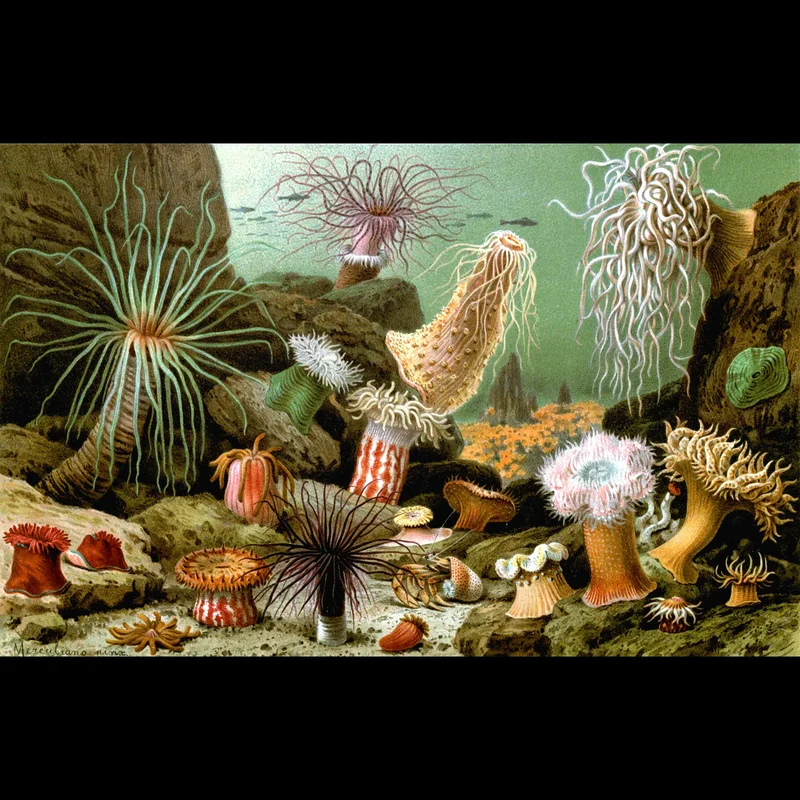
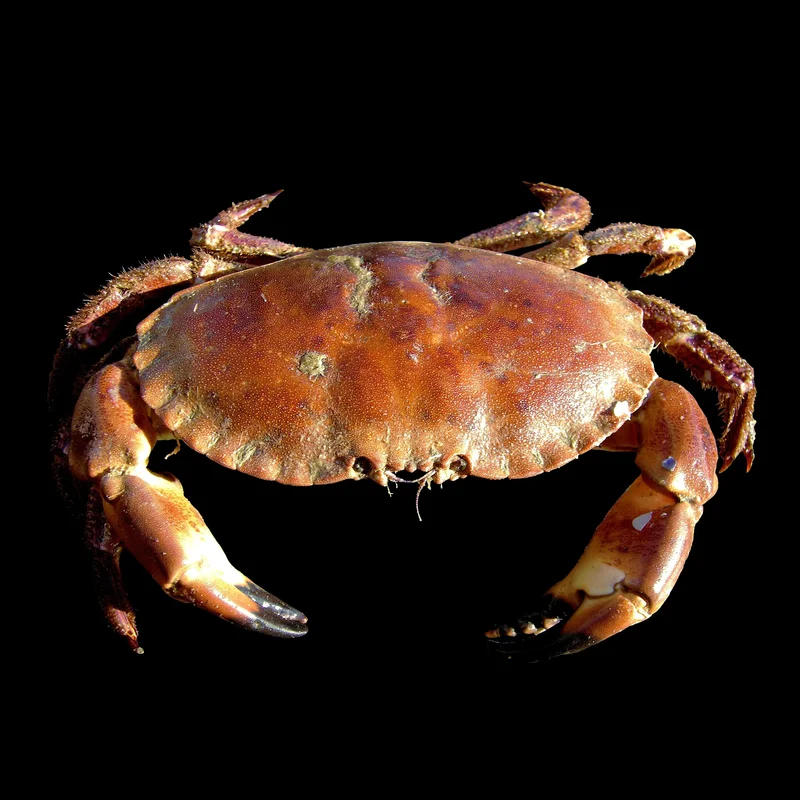
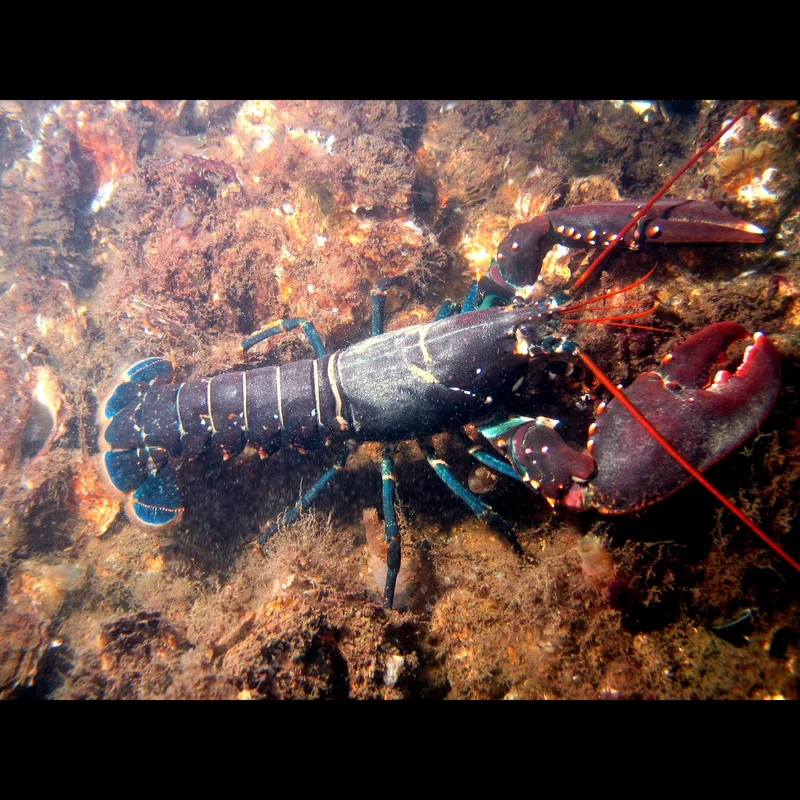
Historical wrecks of the Cornelius Hargrave and Vizcaya serve as artificial reefs, attracting various marine life typical of temperate Atlantic waters. While specific reports of prominent species for this site are limited, similar New Jersey wrecks commonly host crustaceans such as lobsters and crabs, and various bottom-dwelling fish species.
Depending on the season and prevailing currents, divers might observe schools of baitfish, rockfish, or tautog taking refuge within the wreck structures. Anemones and various soft corals can also colonize the exposed metal, adding color to the historical remains. Observing macro life within the crevices of the decaying structure can be particularly rewarding.

Dive Centers Near Cornelius Hargrave
Today: 08:00 - 18:00

Nearest Airports
Nearest airports to help plan travel to this dive area.
Search Flights
Check available flights and routes on Expedia, using the nearby airports listed in this section.
Search Flights on Expedia
Plan Your Stay
Looking for a place to stay for your dive trip? Explore hotels, stays, and vacation rentals for dive groups near Barnegat Light.
Dive Navigator may earn a commission from these links at no extra cost to you.
Frequently Asked Questions
What is the maximum depth of the Cornelius Hargrave wreck?
The Cornelius Hargrave wreck rests at a maximum depth of around 27 meters. Its sister wreck, the Vizcaya, lies nearby at a similar recreational depth.
What is the historical significance of the Cornelius Hargrave?
The Cornelius Hargrave was a 225-foot schooner that sank in 1890 after colliding with the steamer Vizcaya. This event was a significant maritime tragedy, resulting in numerous casualties and leaving behind a historically rich wreck site.
Are there any artifacts at the wreck site?
Yes, divers have reported finding various artifacts, including coins, silver pieces, bowls, and personal effects. The dynamic nature of shifting sands means new items are occasionally uncovered.
What kind of certification is needed to dive this wreck?
Given the typical depths encountered at the site and potentially challenging conditions like variable visibility, an Advanced Open Water certification or equivalent experience is generally recommended for this site.
What are the water temperatures like?
Specific water temperature data for the Cornelius Hargrave site is not consistently reported. However, conditions reflect temperate Atlantic waters off New Jersey, generally cooler in winter and warmer during summer months.
Can both wrecks be dived together?
Yes, the Cornelius Hargrave and the Vizcaya sank within a half-mile (0.8 km) of each other. This proximity allows for the possibility of exploring both vessels on the same dive, depending on dive planning and conditions.
Planning to dive Cornelius Hargrave?
Send one inquiry and receive offers directly from the best verified local dive operators.
Conditions are Good
Optimal conditions expected
Current conditions near Cornelius Hargrave show 23° air, 23° sea temperature, 1.0 m waves, and 33 km/h wind. Forecast data is refreshed regularly to ensure accuracy.