
Diving at Corsair (United States)
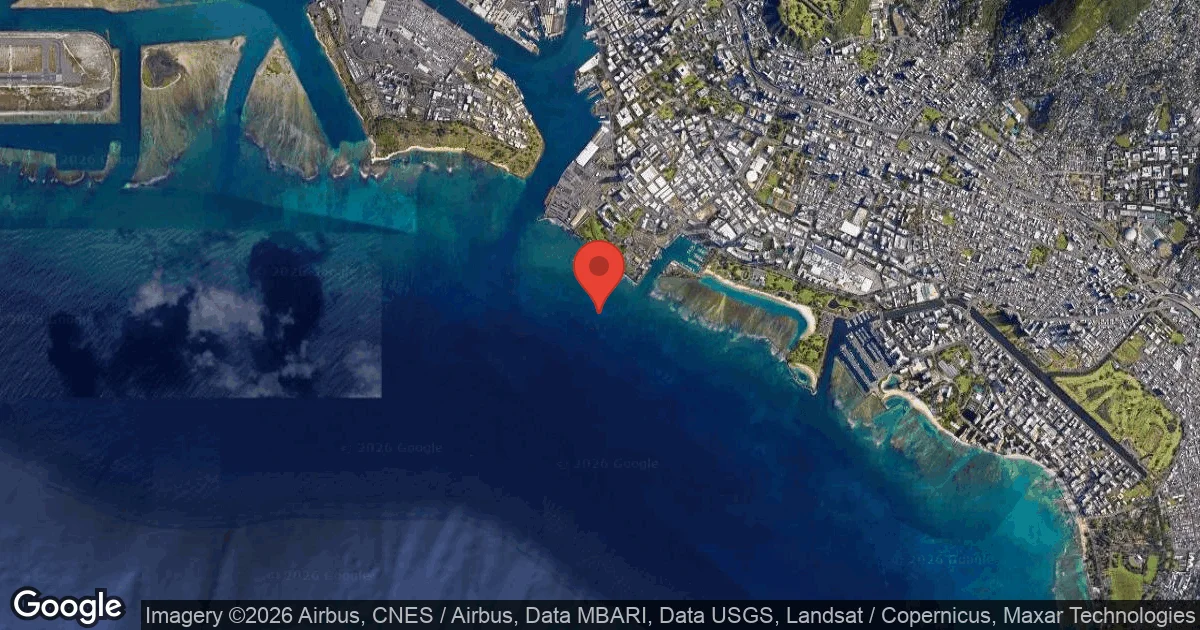
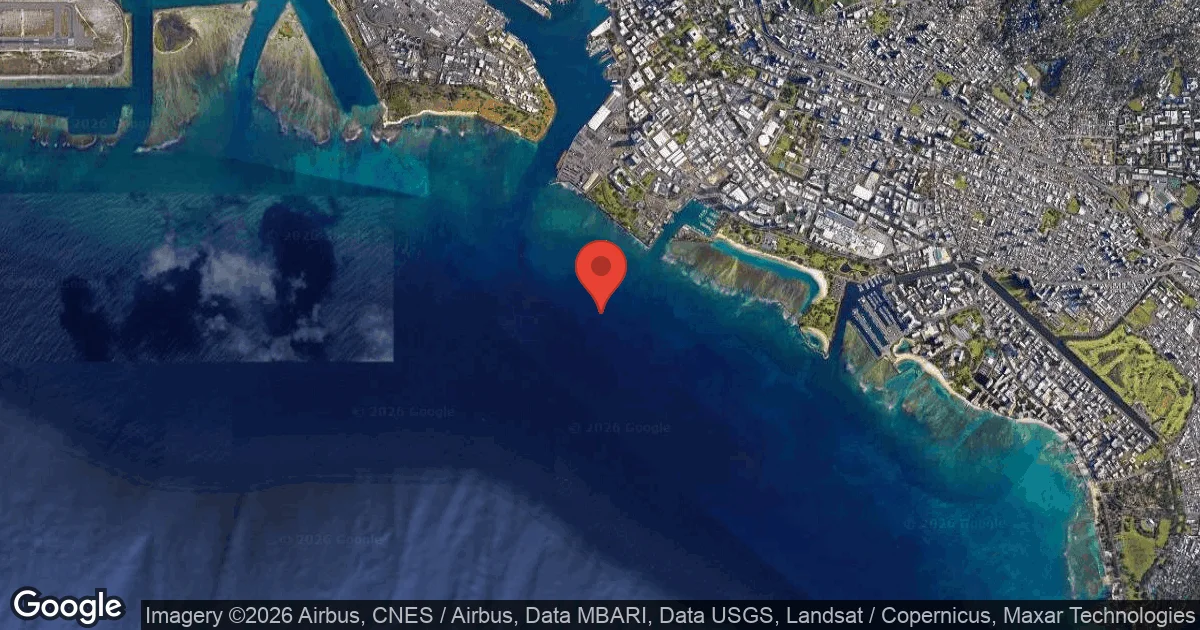
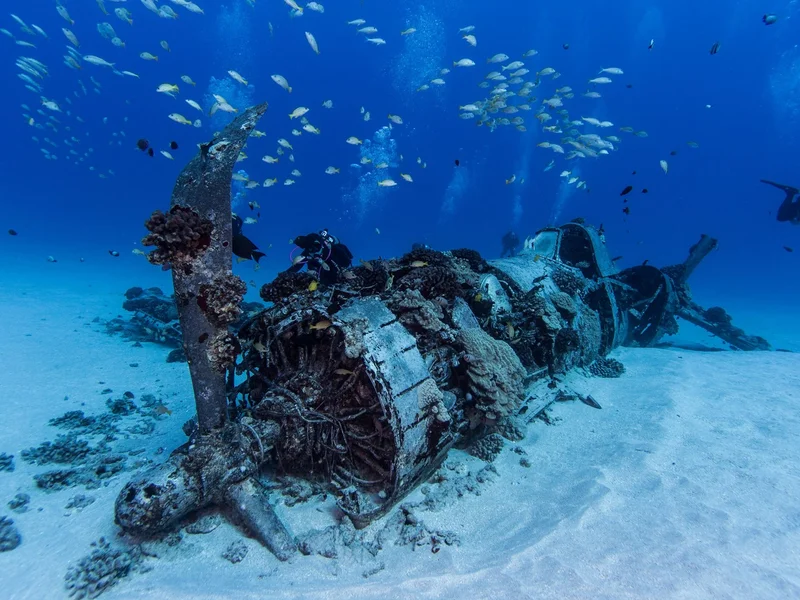
The Corsair wreck, a WWII fighter plane intentionally ditched during a training mission in 1946, now rests upright on Oahu's south shore. This intact warbird, positioned at approximately 33 m (110 ft) on a sandy seafloor, provides a unique glimpse into aviation history beneath the waves. Its remarkably preserved structure, including the cockpit and propeller, makes it a captivating deep dive for certified divers.
As evening covers Corsair, the local air temperature is measured at 26°C. The current wave height at the surface is recorded at 1.9 m. These late-day readings characterize the surface conditions for the night.
Dive Site Location & Key Facts
Dive Site Overview
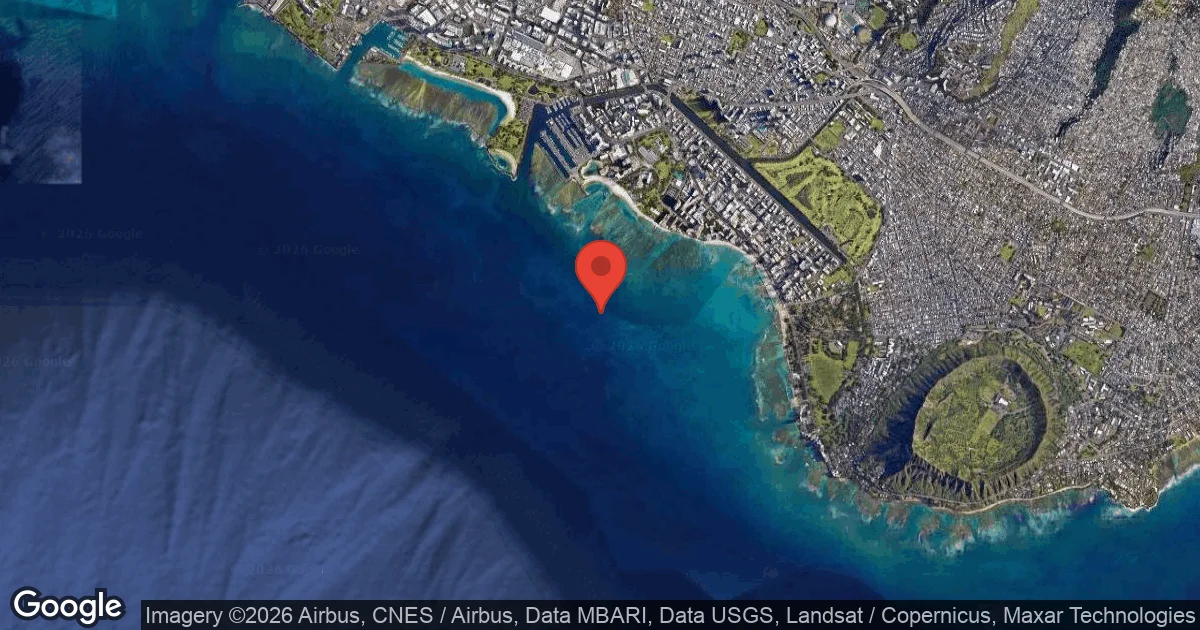
A rare warbird resting upright on the sandy seafloor, the Corsair dive site presents a compelling fusion of history and marine habitat. This fully intact WWII-era fighter plane off Oʻahu’s south shore near Waikiki offers a profound experience for advanced divers.
Descending into the blue water, the plane's silhouette gradually emerges into view, resting at approximately 33 m (110 ft). Its clearly visible cockpit, tail, and propeller are remarkably preserved, inviting a closer look at the intricate details of its wartime design.
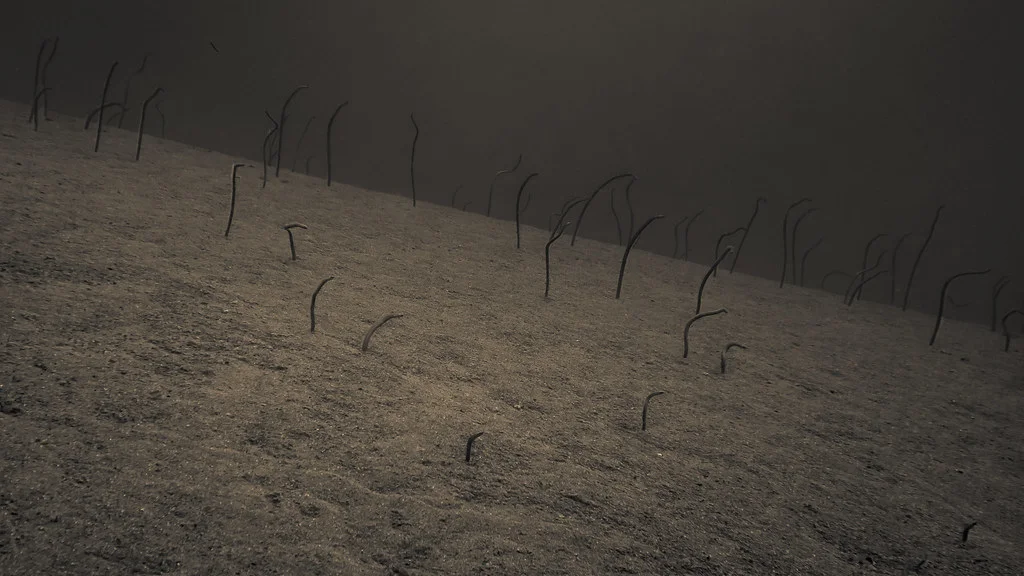
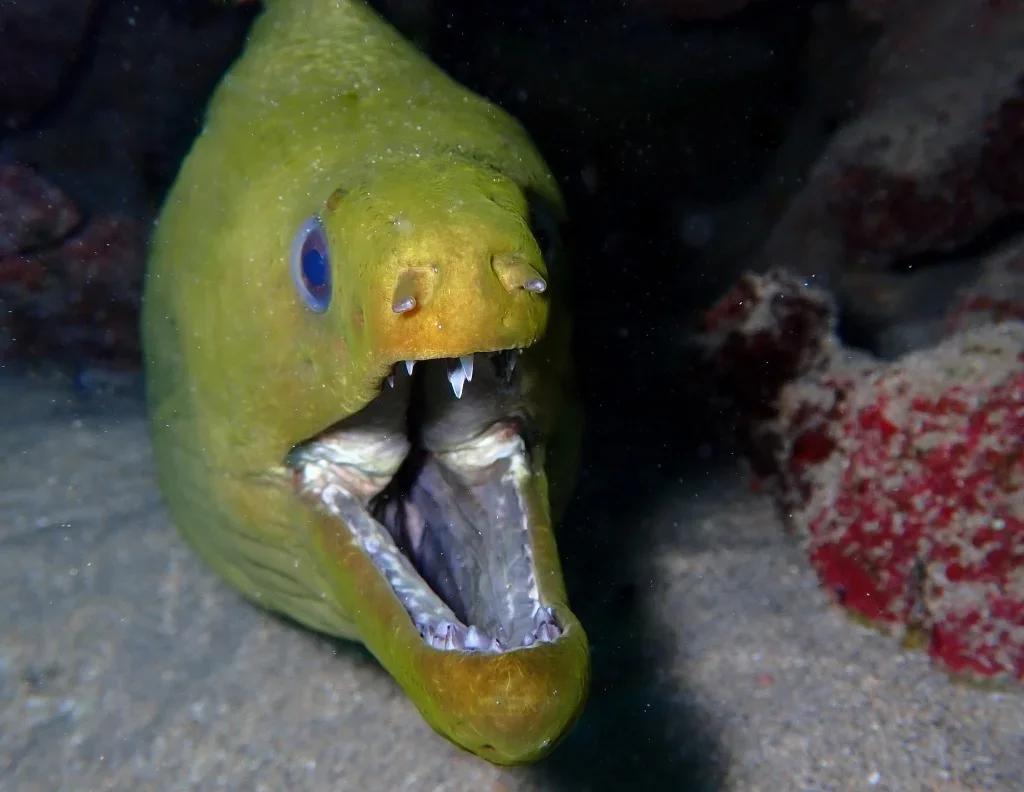
Around the wreck, an unexpected landscape of swaying garden eels covers the sandy bottom, adding an ethereal quality to the scene. An artificial reef now, the wreck attracts various species; a resident green moray eel is often sighted exploring the fuselage, and schools of goatfish and soldierfish find shelter within its structure.
Divers often report excellent visibility, frequently ranging from 24-30 m (80-100 ft), allowing for clear observation of its features from multiple angles. A non-penetration dive, exploration focuses on the exterior and how marine life has integrated with this historical artifact.
Due to the depth and potential for light currents, careful bottom time management and adherence to advanced diving protocols are essential. Consistently, an immersive encounter with both a historical artifact and its surrounding aquatic environment awaits divers at this site.
Conditions are Moderate
High Swell Advisory. Not recommended.
Current conditions near Corsair show 26° air, 27° sea temperature, 2.1 m waves, and 39 km/h wind. Forecast data is refreshed regularly to ensure accuracy.
Best Time to Dive
Diving at the Corsair is accessible throughout the year, with Oʻahu’s warm waters consistently providing a pleasant experience. Water temperatures typically range from 24-27°C (75-80°F), complementing comfortable average air temperatures that hover between 22-26°C (72-79°F) across most months. While conditions are generally moderate, months like January and October often show slightly higher dive scores. Conversely, February and November may present less favorable conditions, with higher average wave heights reaching over 2 m (6.5 ft) and increased wind speeds up to 21 km/h (13 mph). Rainfall is relatively low year-round, typically between 3-5 mm (0.1-0.2 inches) per month, rarely impacting dive plans. Visibility is frequently excellent, but it's always prudent to check current site conditions with local operators before scheduling your dive.
PEAK SEASON SCORE
Scores combine air & water temps, waves, wind & rainfall for overall conditions.
BEST MONTHS TO DIVE
Monthly records compiled from satellite and marine observation nodes over the last 3 years. Data provided by Open-Meteo and MET Norway.
Dive Experience & Conditions
Descending to the Corsair offers a journey through history, reaching its significant depth of approximately 33 m (110 ft). Divers typically find themselves in clear blue water, often with visibility extending 24-30 m (80-100 ft). The wreck sits prominently on a sandy bottom, where gentle currents, often described as very light, allow for thorough exploration. Near the wreck, fields of garden eels sway rhythmically with the subtle water movement, adding an ethereal quality to the scene. Encountering the plane's robust structure, its intact features provide numerous photographic angles. The dive often feels leisurely, yet the depth necessitates careful bottom time management and adherence to advanced diving protocols. This site consistently provides an immersive encounter with both a historical artifact and its surrounding aquatic environment.
Dive Difficulty & Safety Guidelines
Approaching the Corsair wreck requires a specific level of diver competence due to its significant depth, typically around 33 m (110 ft). This dive is strictly for advanced recreational divers or those with recent deep dive experience. Newer divers with deep dive certifications may be allowed to explore the wreck's exterior under strong guidance.
Penetration of the Corsair wreck is not permitted under any circumstances, preserving the site's integrity and ensuring diver safety. Prior to any dive, it's essential to assess current sea conditions, including visibility and any reported currents, as these can vary.
Proper deep dive planning, including appropriate gas management and decompression procedures, is crucial for a safe and enjoyable experience.
Recommended Equipment
Overhead / entanglement risk. Wreck penetration requires proper training.
- Dive Computer
- Primary & Backup Lights
- Wreck Reel
- Cutting Tool
This gear list is based on verified equipment signals for Corsair, United States. Always confirm final gear choices with your dive operator, guide, or liveaboard.
Recommended Dive Suit
Individual comfort in the water can vary significantly from diver to diver, even under the same conditions.
For most recreational dives, 2-3mm shorty or light wetsuit should provide comfortable protection. Consider warmer surface protection (like a boat coat) due to brisk winds. Forecast trends indicate little change in overall diving conditions during the next few days.
Divers heading to Corsair today should expect water temperatures around 27°C (80°F). Surface air temperatures are resting at 26°C (79°F).
Emergency & Medical Support
Essential information to help you plan your dive trip to Corsair.

Hyperbaric chambers are a critical part of dive safety infrastructure. Availability varies significantly by region, and not all dive areas have immediate access.
Before diving, it's recommended to:
- confirm nearest medical facilities
- check emergency procedures with local dive operators
- ensure dive insurance covers evacuation if required
Divers Alert Network
Diving emergency assistance available through DAN World.
+1-919-684-9111- 24/7 emergency hotline
- Diving medical assistance
- Evacuation coordination
Emergency contacts are provided for reference. Always verify local emergency services before diving.
Marine Life at Corsair
The Corsair site is home to diverse marine life that has adapted to the wreck and its sandy surroundings. Notably, vast fields of garden eels emerge from the sand, creating a dynamic backdrop to the plane.
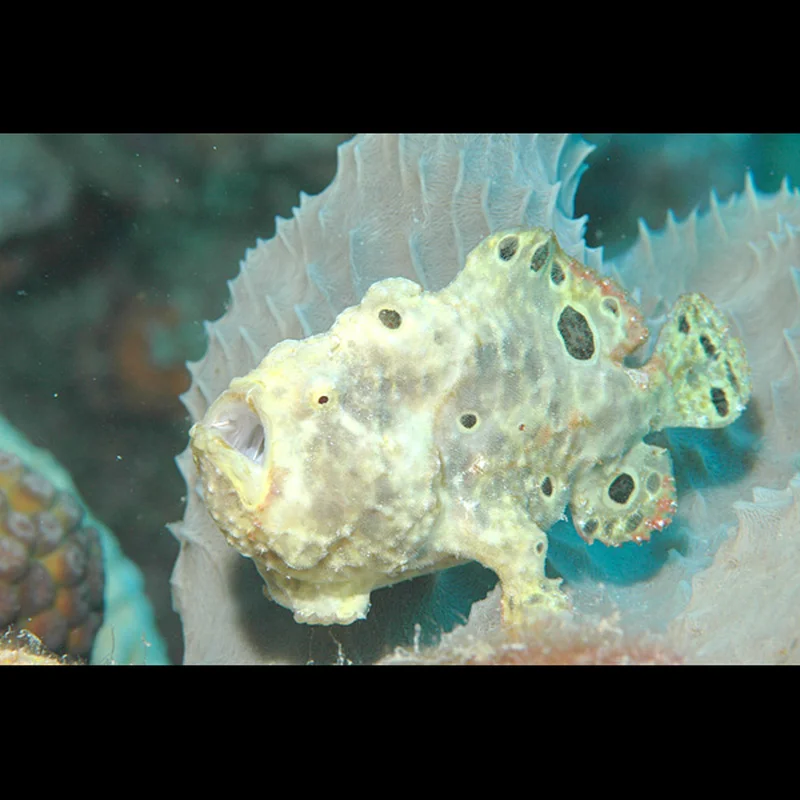
A resident green moray eel is frequently observed, sometimes actively exploring the wreck's wings and tail section. Look closely, and you might spot camouflaged frogfish or scorpion leaf fish, often purple or black, blending into the plane's structure.
Schools of goatfish and soldierfish can sometimes be seen sheltering within the fuselage, alongside the occasional octopus. This site provides excellent opportunities for observing smaller, more elusive creatures that have made the wreck their habitat.

Dive Sites Near Corsair
View all dive sites in United StatesDiscover more underwater gems in this area.
Dive Centers Near Corsair
Today: 07:00 - 21:00

Nearest Airports
Nearest airports to help plan travel to this dive area.
Search Flights
Check available flights and routes on Expedia, using the nearby airports listed in this section.
Search Flights on Expedia
Plan Your Stay
Looking for a place to stay for your dive trip? Explore hotels, stays, and vacation rentals for dive groups near Marine Corps Base Hawaii - MCBH.
Dive Navigator may earn a commission from these links at no extra cost to you.
Frequently Asked Questions
What is the Corsair wreck?
A WWII Vought F4U Corsair fighter plane, intentionally ditched during a training flight in 1946. It now rests upright and largely intact on the sandy seafloor off Oʻahu, serving as a historical artificial reef.
What depth is the Corsair wreck at?
The wreck lies at approximately 33 m (110 ft) on a sandy bottom. Its depth classifies it as a deep dive, requiring appropriate certification and experience.
Is penetration of the wreck allowed?
No, penetration of the Corsair wreck is strictly prohibited. Divers explore the exterior of the plane to preserve its integrity and ensure diver safety.
What kind of marine life can I expect to see?
Fields of garden eels are common around the sandy perimeter. A resident green moray eel is frequently observed near the wreck, along with occasional frogfish and schools of goatfish sheltering in the structure.
What are the typical dive conditions at the Corsair?
Divers usually experience good to excellent visibility, often 24-30 m (80-100 ft). Water temperatures range from 24-27°C (75-80°F), with currents typically very light.
What level of diving experience is required for this site?
Advanced recreational diver certification or documented recent deep dive experience is necessary. Due to its depth, careful planning for gas management and bottom time is essential.
What is the best time of year to dive the Corsair?
Diving is accessible year-round, with consistently warm waters. Months like January and October often show slightly better dive scores, though good conditions are common in most seasons.
Planning to dive Corsair?
Send one inquiry and receive offers directly from the best verified local dive operators.
Conditions are Moderate
High Swell Advisory. Not recommended.
Current conditions near Corsair show 26° air, 27° sea temperature, 2.1 m waves, and 39 km/h wind. Forecast data is refreshed regularly to ensure accuracy.