
Diving at Kewalo Pipe (United States)
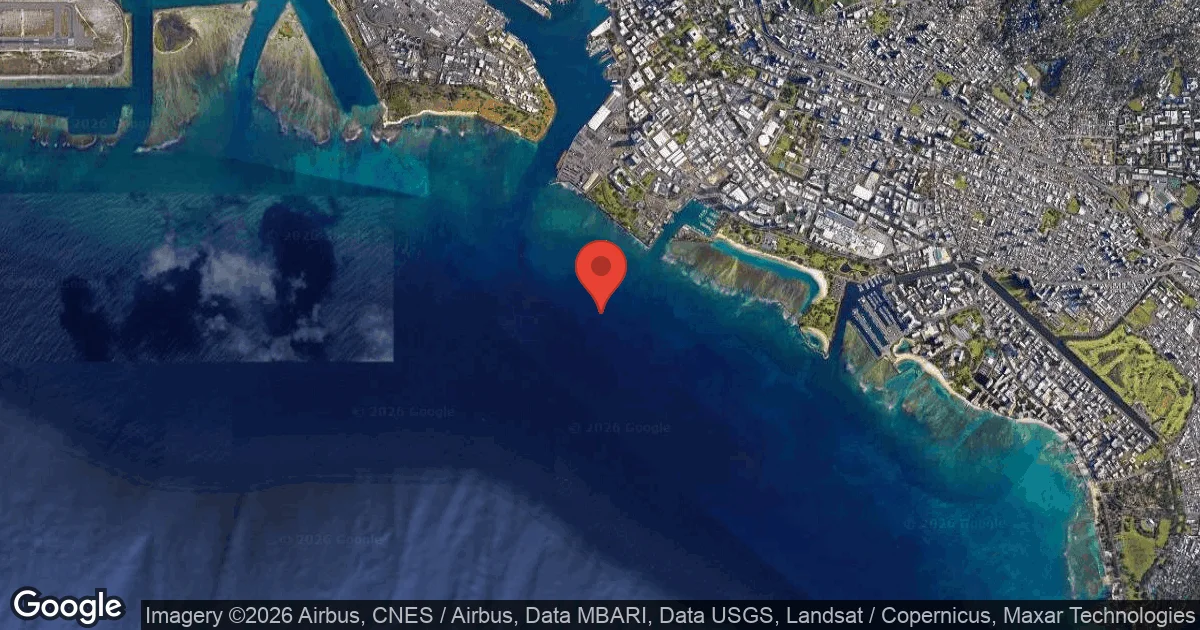
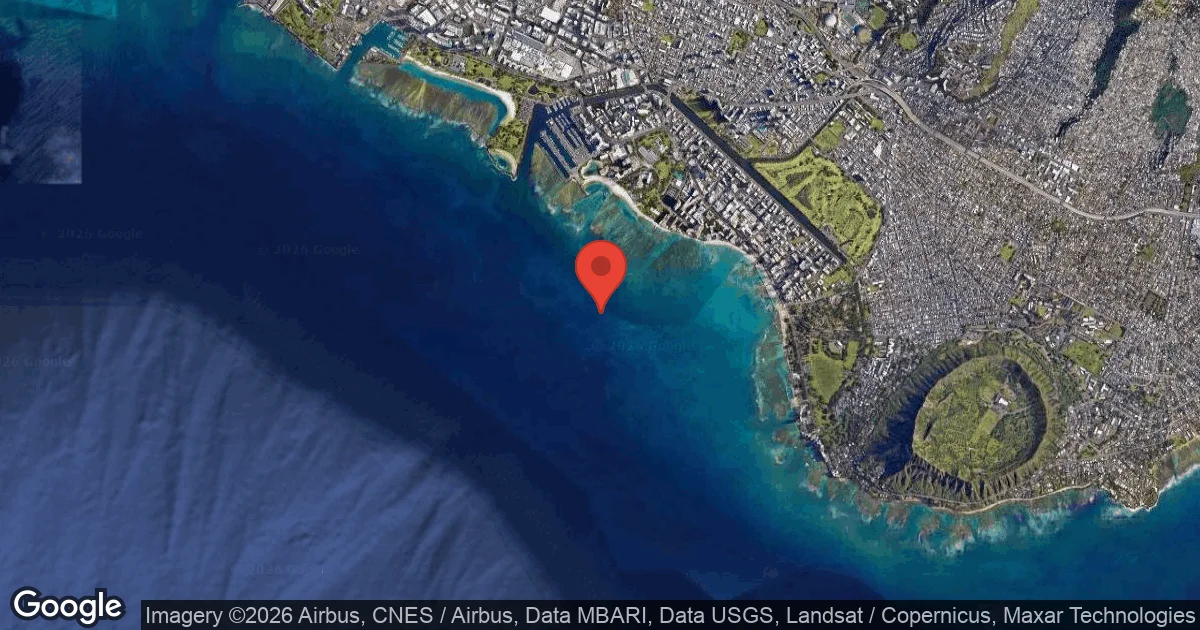
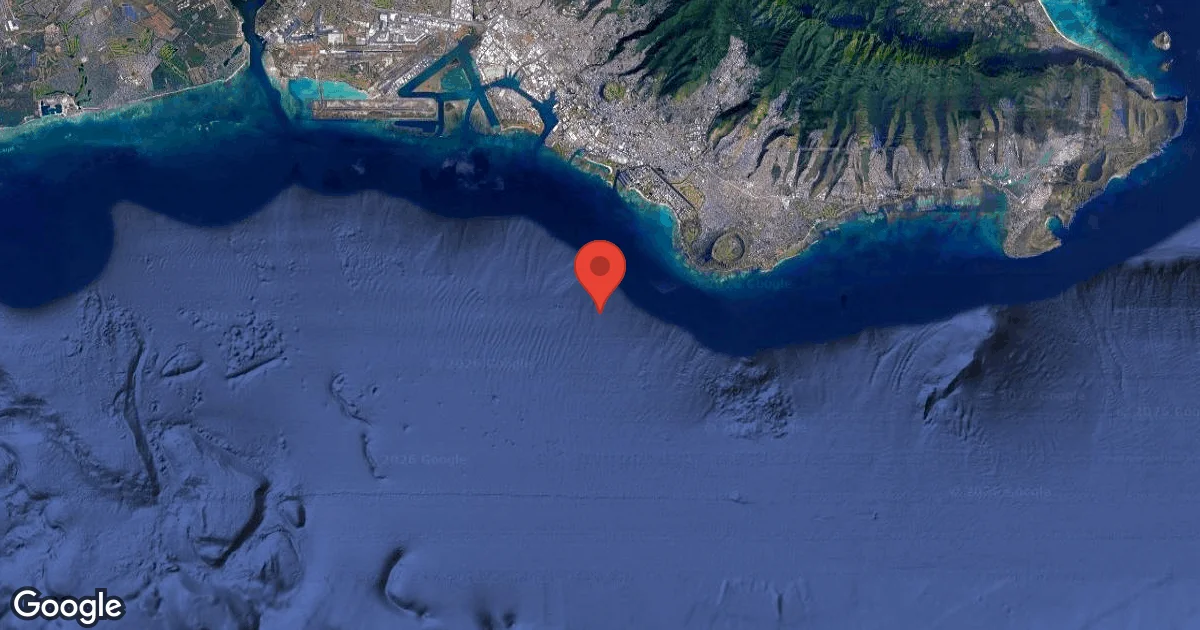
Kewalo Pipe presents an accessible artificial reef environment on Oahu's south shore, primarily suited for recreational diving. It features the remains of an old steel drainage pipeline now broken into sections, interspersed with natural finger reefs and sandy patches. Divers typically explore depths ranging from approximately 11 to 15 m (36 to 50 ft). A straightforward profile makes it a common choice for intermediate divers and often paired with deeper wreck excursions. Its structure provides numerous nooks for observing resident marine life.
As evening covers Kewalo Pipe, the local air temperature is measured at 29°C. The current wave height at the surface is recorded at 1.3 m. These late-day readings characterize the surface conditions for the night.
Dive Site Location & Key Facts
Dive Site Overview
Kewalo Pipe, originally an active drainage pipe, has transformed into a thriving artificial reef, embodying a dynamic piece of Oahu's underwater history. This structure was repurposed over time, with sections of the old steel pipeline breaking apart, creating a foundation for coral growth and marine habitat.
Many dive charters pair Kewalo Pipe as a shallower second dive after exploring deeper sites like the Sea Tiger wreck. With a maximum depth around 15 m (50 ft), it provides ample bottom time, often extending up to 45 minutes, for divers to observe the vibrant ecosystem that has claimed the old pipe.
The reef growing on top of the pipe has become quite impressive, showcasing a myriad of colors and a variety of sea life, illustrating how human structures can be reclaimed by nature. Exploring the pipe's exterior, divers can trace its path and discover the marine communities nestled within the coral.
Conditions are Moderate
High Wind Advisory (47km/h). Unsafe surface.
Current conditions near Kewalo Pipe show 29° air, 27° sea temperature, 1.5 m waves, and 47 km/h wind. Forecast data is refreshed regularly to ensure accuracy.
Best Time to Dive
Planning a dive at Kewalo Pipe often yields good conditions throughout much of the year, particularly from May through December, which consistently receive 'Good' dive scores. During these months, average air temperatures range comfortably from 24.5°C (76°F) to 26.5°C (80°F), allowing for pleasant surface intervals. Rainfall remains minimal, generally between 0.6 mm and 2.7 mm, reducing the likelihood of runoff affecting nearshore visibility. While specific water temperatures for Kewalo Pipe aren't consistently reported, Hawaii's oceanic climate typically offers warm conditions ideal for diving. The months of January to April also often present 'Good' conditions, with slightly cooler average air temperatures around 22.5°C (72°F) to 23.5°C (74°F) and similar low rainfall, making year-round diving generally feasible, with March sometimes rated 'Moderate' due to varying conditions.
PEAK SEASON SCORE
Scores combine air & water temps, waves, wind & rainfall for overall conditions.
BEST MONTHS TO DIVE
Monthly records compiled from satellite and marine observation nodes over the last 3 years. Data provided by Open-Meteo and MET Norway.
Dive Experience & Conditions
Current dynamics at Kewalo Pipe are generally manageable, establishing it as a semi-beginner friendly dive site. Visibility often varies, but usually presents as good, allowing clear views of the pipe and surrounding reef structures. This isn't always 'crystal clear,' but typically sufficient for comfortable navigation and marine life spotting. Exploring the site involves navigating along the broken segments of the steel pipe, which are now heavily encrusted with coral, and moving between distinct finger reefs interspersed with sand channels. Conditions here are often calm, making it a relaxed dive where divers can take their time observing smaller, cryptic species. The shallower depth range means less concern for no-decompression limits, focusing the experience on discovery.
Dive Difficulty & Safety Guidelines
Approaching Kewalo Pipe requires adherence to standard safe diving practices, especially considering its 'semi-beginner' designation. Always monitor your air consumption and no-decompression limits, particularly if it's part of a multi-dive day following a deeper profile. It's crucial to maintain proper buoyancy control to avoid contact with the fragile coral growth on the pipe and finger reefs.
Divers should maintain a respectful distance from all marine life, observing without disturbing. Given Oahu's ongoing marine conservation initiatives, supporting the health of sites like Kewalo Pipe is essential.
Participate with responsible operators and follow local guidelines to minimize your environmental footprint.
Recommended Equipment
- Dive Computer
This gear list is based on verified equipment signals for Kewalo Pipe, United States. Always confirm final gear choices with your dive operator, guide, or liveaboard.
Recommended Dive Suit
In conditions like these, many divers prefer diving with 2-3mm shorty or light wetsuit. Strong winds are present; please take strong precautions against rapid cooling during surface intervals.
Divers entering the water at Kewalo Pipe today can expect temperatures near 27°C (81°F) beneath the surface. Surface air temperatures are resting at 29°C (84°F).
Environmental conditions may feel slightly cooler as the week progresses. Cooler days are ahead; you might want a warmer option for later in the week. Having a second exposure option available is often a good precaution.
Emergency & Medical Support
Essential information to help you plan your dive trip to Kewalo Pipe.

Hyperbaric chambers are a critical part of dive safety infrastructure. Availability varies significantly by region, and not all dive areas have immediate access.
Before diving, it's recommended to:
- confirm nearest medical facilities
- check emergency procedures with local dive operators
- ensure dive insurance covers evacuation if required
Divers Alert Network
Diving emergency assistance available through DAN World.
+1-919-684-9111- 24/7 emergency hotline
- Diving medical assistance
- Evacuation coordination
Emergency contacts are provided for reference. Always verify local emergency services before diving.
Marine Life at Kewalo Pipe
The underwater landscape of Kewalo Pipe, with its coral-covered sections and rocky finger reefs, creates a rich habitat for various marine species. Divers frequently encounter juvenile wrasses darting among the corals, along with more elusive creatures like octopus, often found tucked into crevices.
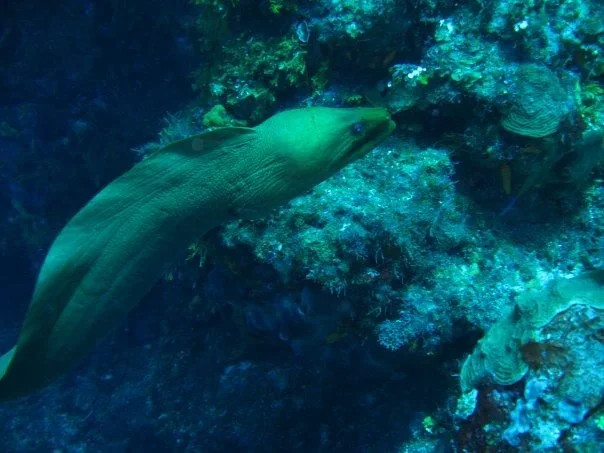
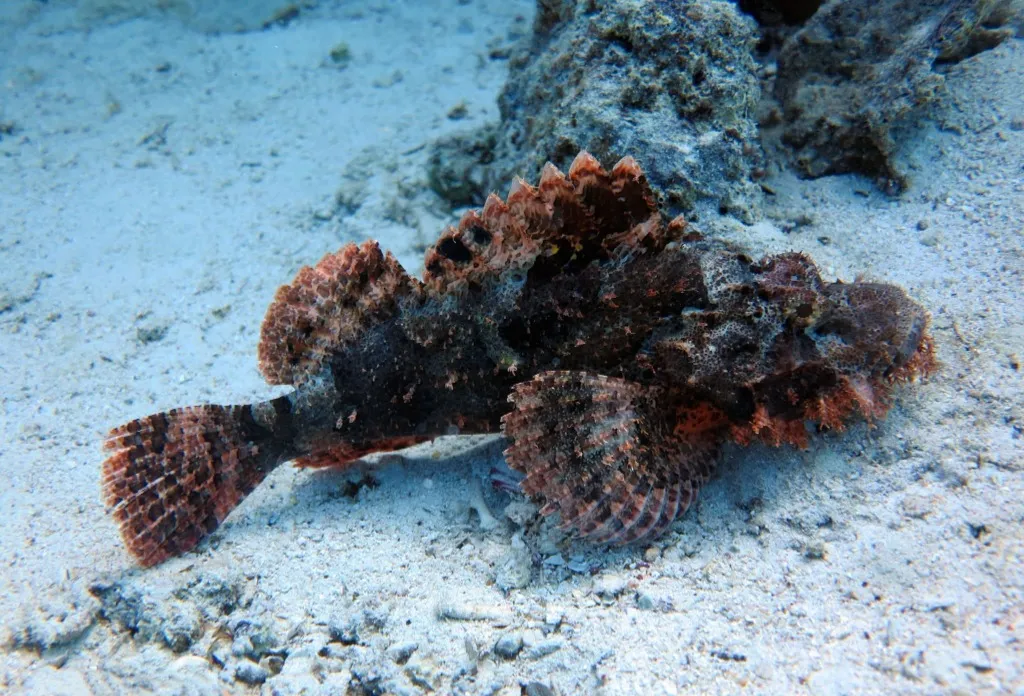
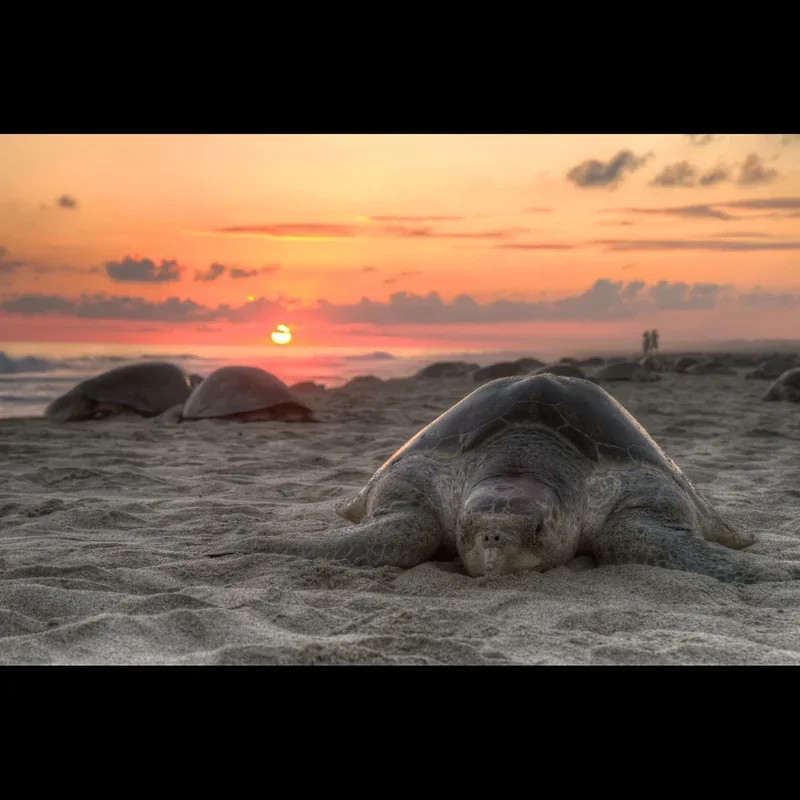
Keep an eye out for leaf scorpionfish and devil scorpionfish, which expertly camouflage themselves against the reef. Moray eels are commonly spotted peering from their hideaways, and graceful sea turtles can frequently be observed grazing or resting.
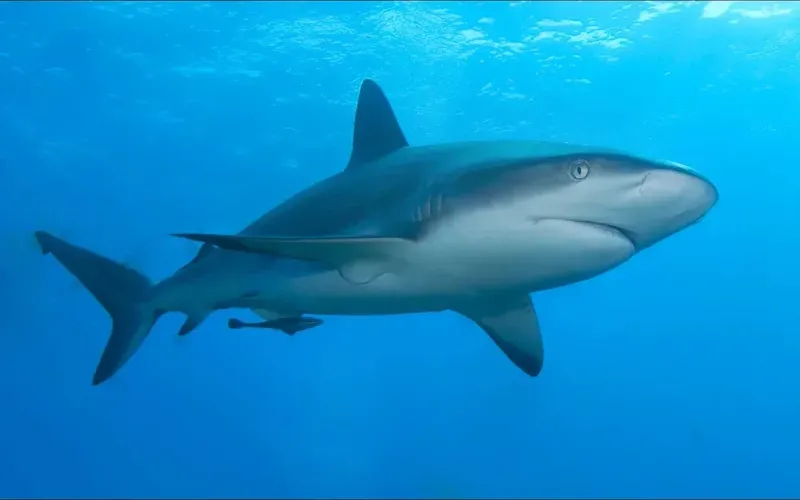
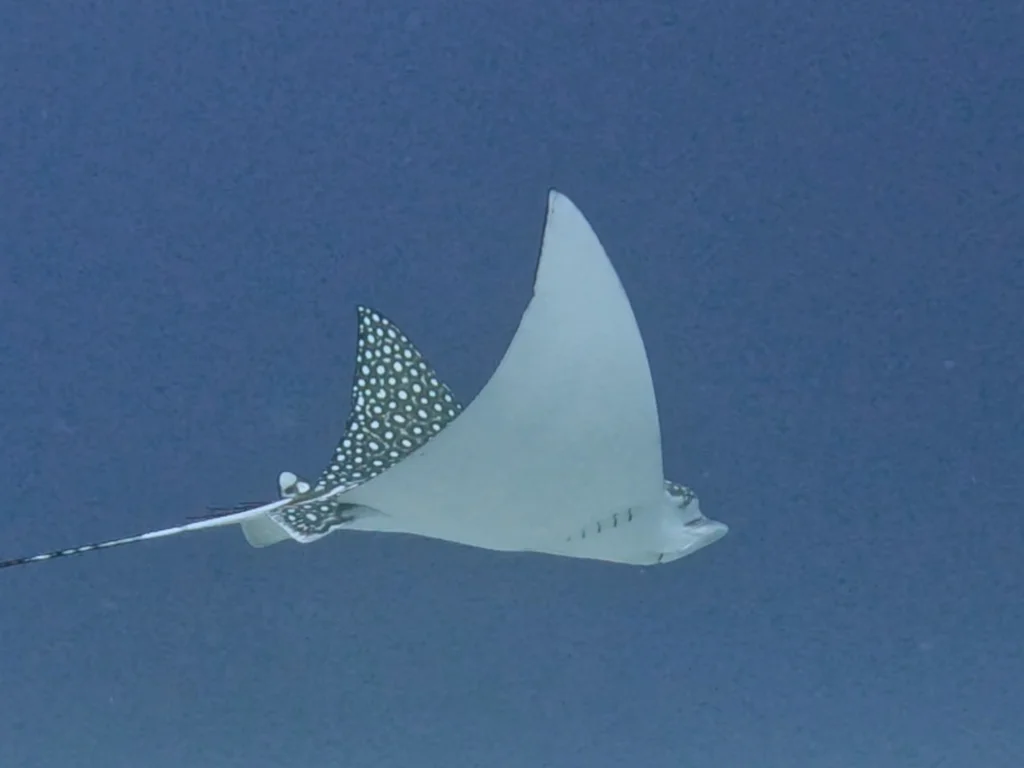
On occasion, divers might also spot dragon eels, various stingrays, and even the impressive spotted eagle rays or reef sharks traversing the deeper sandy areas surrounding the pipe.
Dive Sites Near Kewalo Pipe
View all dive sites in United StatesDiscover more underwater gems in this area.
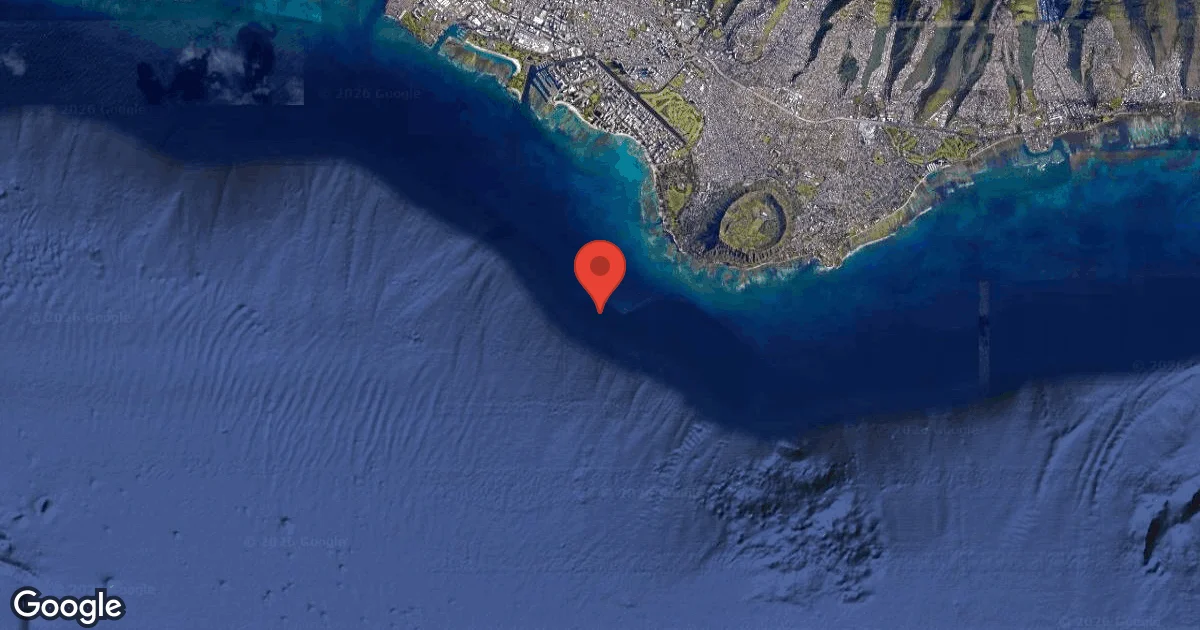
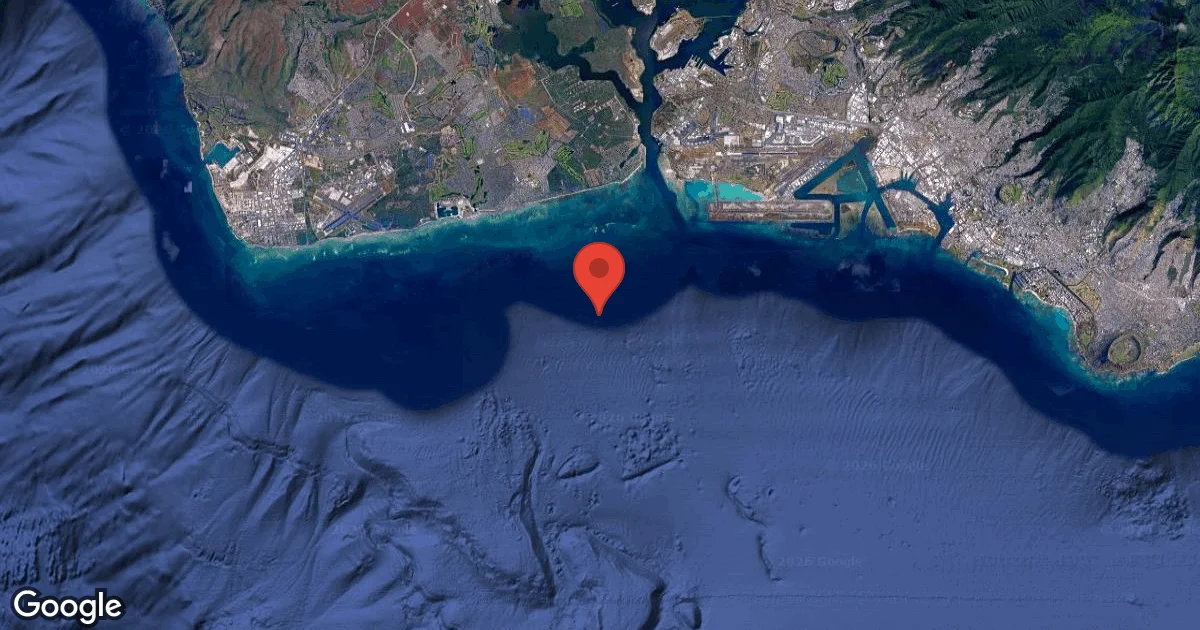
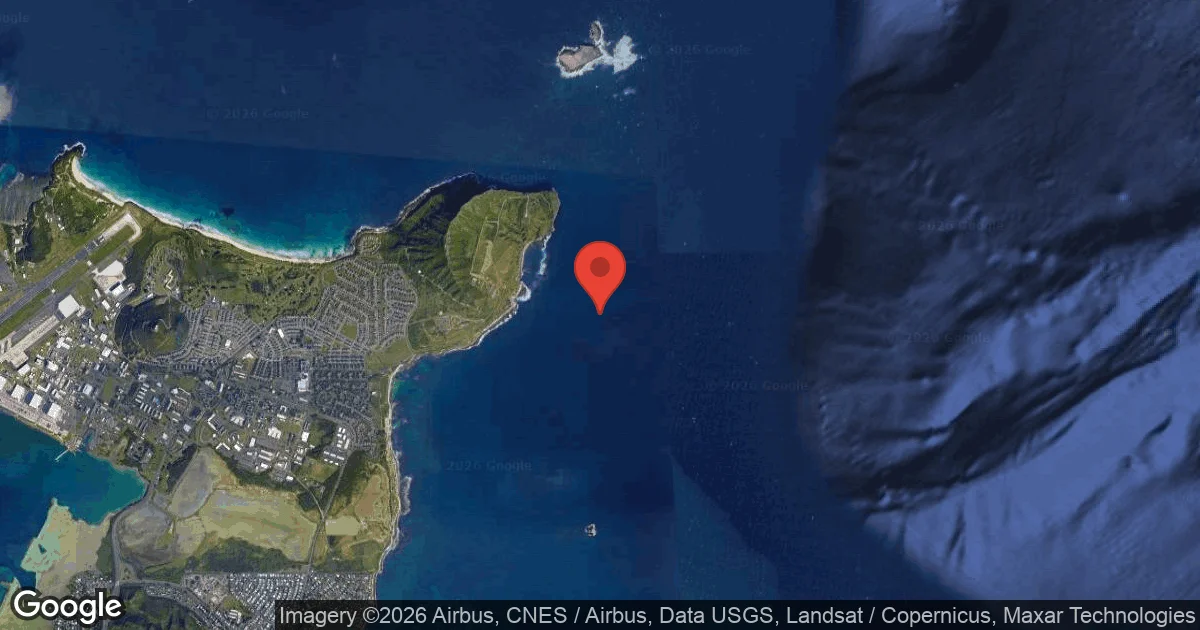
Dive Centers Near Kewalo Pipe
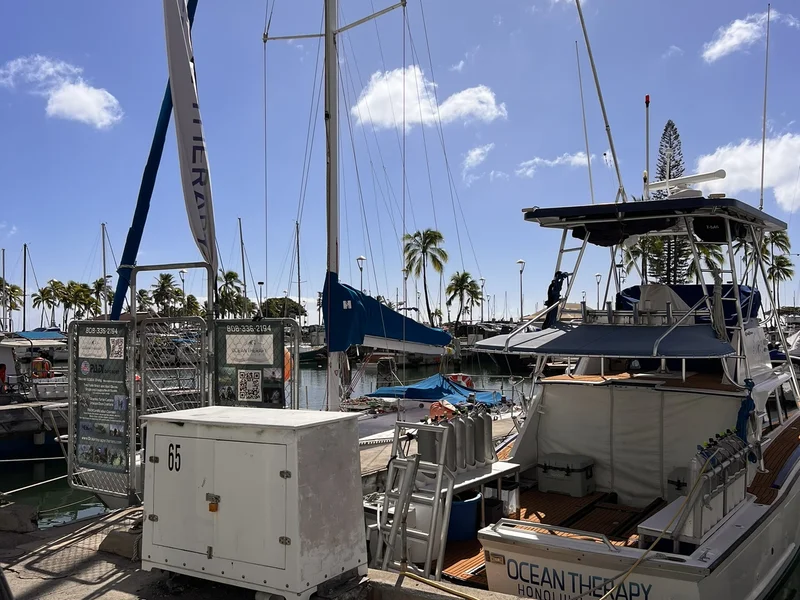
Today: 07:00 - 21:00

Nearest Airports
Nearest airports to help plan travel to this dive area.
Search Flights
Check available flights and routes on Expedia, using the nearby airports listed in this section.
Search Flights on Expedia
Plan Your Stay
Looking for a place to stay for your dive trip? Explore hotels, stays, and vacation rentals for dive groups near Ala Moana - Kakaʻako.
Dive Navigator may earn a commission from these links at no extra cost to you.
Frequently Asked Questions
What is the typical depth range for diving Kewalo Pipe?
Kewalo Pipe generally offers a recreational depth range, typically between 11 to 15 m (36 to 50 ft). This makes it suitable for divers with various experience levels, including semi-beginners.
Is Kewalo Pipe suitable for beginner divers?
Yes, Kewalo Pipe is often described as a semi-beginner dive site. Its manageable currents and shallower depths make it a good option for those building their experience or looking for a more relaxed dive.
What kind of marine life can I expect to see at Kewalo Pipe?
You can anticipate seeing a variety of reef fish, including juvenile wrasses. Encounters with octopus, leaf and devil scorpionfish, moray eels, and sea turtles are common. There's also a chance to spot stingrays, eagle rays, and reef sharks.
What is the structure of the dive site?
The site is an artificial reef built upon the remnants of an old steel drainage pipeline, which is now broken into pieces. These sections are covered in coral, interspersed with natural finger reefs and stretches of sand.
Is Kewalo Pipe usually part of a two-tank dive trip?
Yes, Kewalo Pipe is frequently offered as the shallower second dive on two-tank charters, especially following deeper wreck dives like the Sea Tiger.
How is the visibility at Kewalo Pipe?
Visibility at Kewalo Pipe is generally good, though it can vary. It's typically clear enough to comfortably explore the reef structures and observe marine life.
Planning to dive Kewalo Pipe?
Send one inquiry and receive offers directly from the best verified local dive operators.
Conditions are Moderate
High Wind Advisory (47km/h). Unsafe surface.
Current conditions near Kewalo Pipe show 29° air, 27° sea temperature, 1.5 m waves, and 47 km/h wind. Forecast data is refreshed regularly to ensure accuracy.