
Diving at Horseshoe Reef (United States)
Horseshoe Reef, across its various locations in the United States, typically features dynamic conditions. Dive plans often account for prevailing currents, as many sections are well-suited for drift diving, particularly in Florida. Divers frequently encounter a gentle to moderate flow, guiding them along reef formations. Navigating these currents enhances the experience, allowing for exploration of expansive reef systems with less effort.
Evening condition tracking at Horseshoe Reef features an air temperature of 29°C. We have recorded wave heights measuring 1.3 m during this period. These figures outline the environmental parameters currently present.
Dive Site Location & Key Facts
Dive Site Overview
The distinct "horseshoe" formations or reef re-entrants define the various Horseshoe Reef dive sites found within the United States. These sites offer a varied underwater landscape, suitable for divers from Open Water certification to more experienced novices.
Across Florida, sites like those near Boynton Beach and Pompano Beach feature shallow reef tops from 0 to 14 m (0 to 45 ft), with sandy patches extending to 17 m (55 ft). One Pompano Beach site is particularly noted for its three horseshoe-shaped re-entrants, providing an engaging shallow dive.
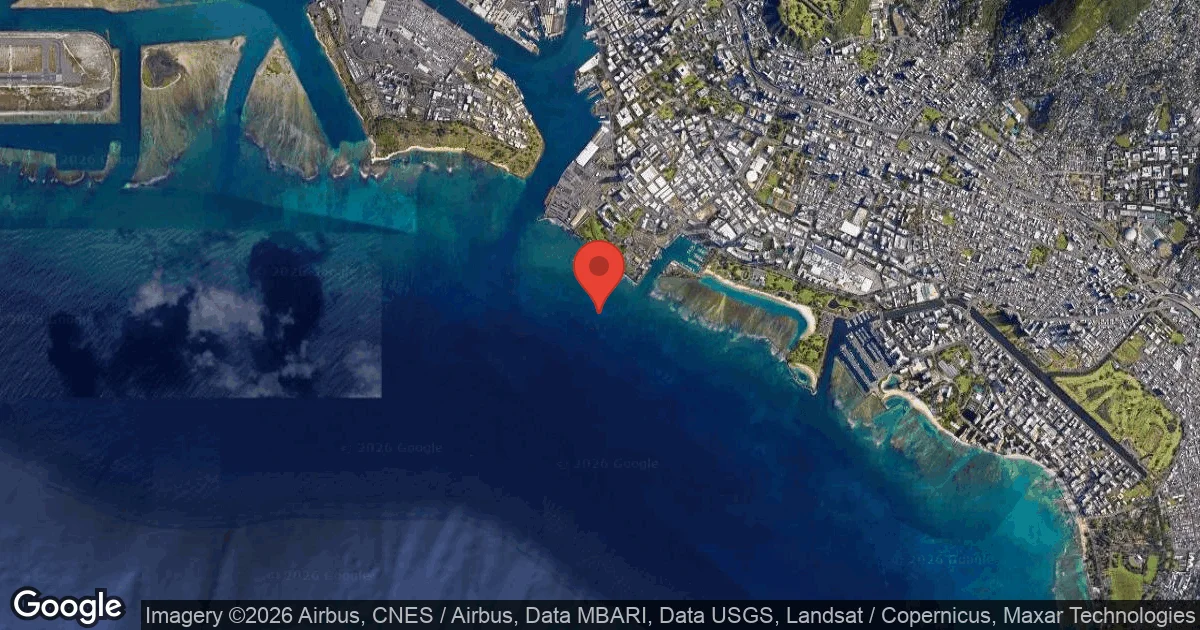
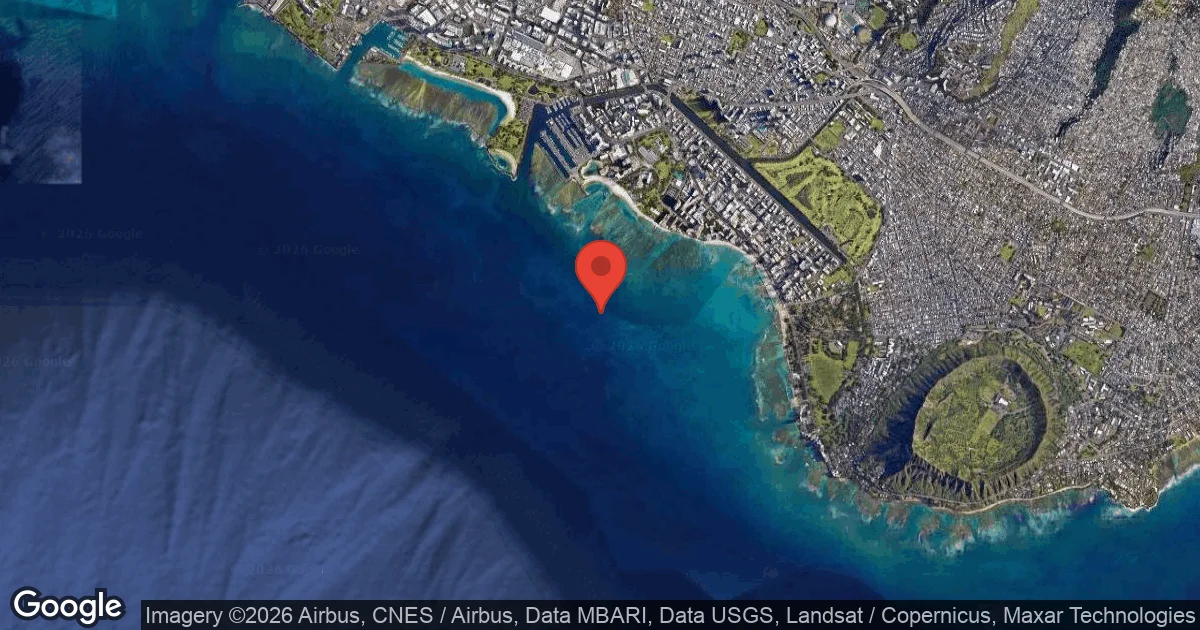
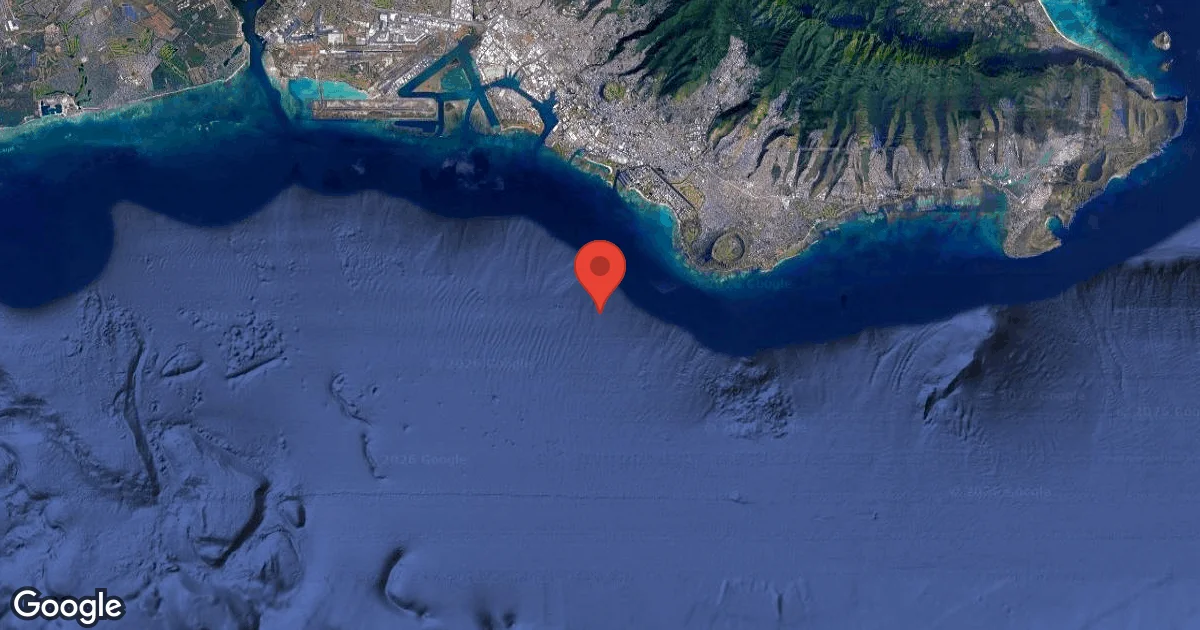
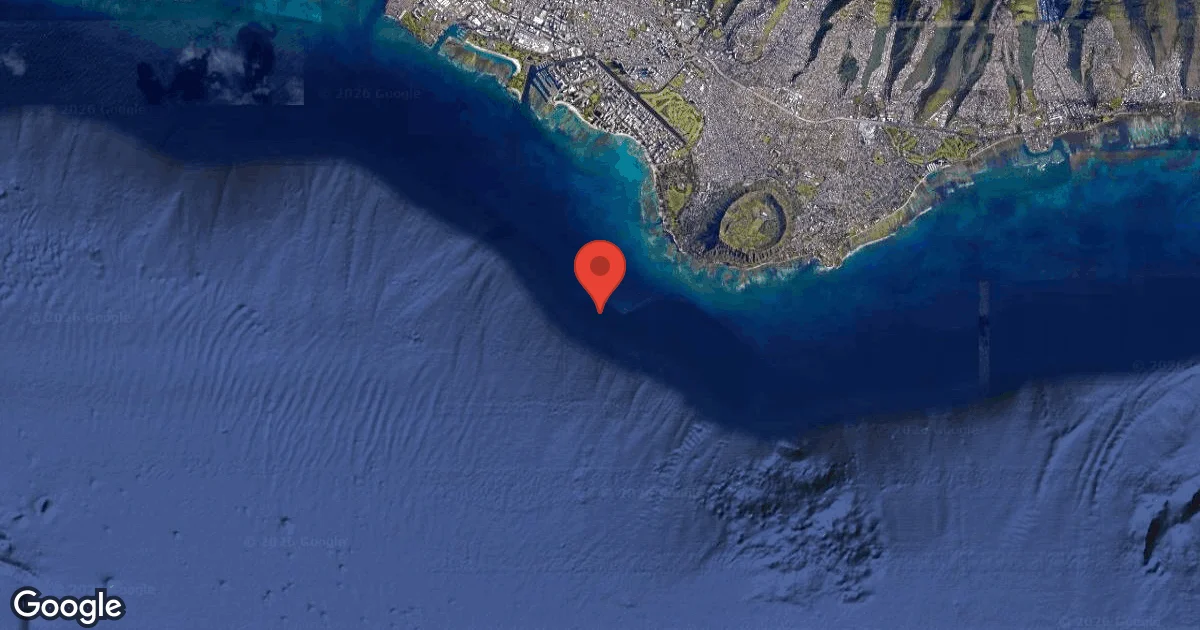
In contrast, the Horseshoe Reef near Honolulu, Hawaii, is around 150 ft (45 m) off the Kewalo Channel marker buoy, with depths balancing bottom-time and complexity. While the specific depths vary by location, the general recreational range makes these sites accessible.
Neighboring deeper reefs in Hawaii, for instance, are close enough for combined exploration. Divers can expect to drift along ledges and finger reefs, often interspersed with sand.
Some locations are characterized by unique artificial structures, such as an old storm drain pipeline that leads to a substantial coral bed at approximately 18 m (60 ft), providing additional points of interest and attracting diverse marine life.
Conditions are Moderate
High Wind Advisory (47km/h). Unsafe surface.
Current conditions near Horseshoe Reef show 29° air, 27° sea temperature, 1.5 m waves, and 47 km/h wind. Forecast data is refreshed regularly to ensure accuracy.
Best Time to Dive
Planning a dive at Horseshoe Reef generally aligns with periods of stable weather and comfortable air temperatures, ensuring a pleasant experience. Data suggests consistent good diving conditions for much of the year, indicated by dive scores of 7. From January through February, air temperatures average around 22-23°C (72-73°F), accompanied by minimal rainfall, typically 1.7-3.2 mm. These months offer clear skies and agreeable surface conditions. The months of June through October often present the highest air temperatures, averaging 25-26°C (77-79°F), with exceptionally low rainfall, sometimes less than 1 mm. Wave heights during this period generally remain around 1.1-1.3 meters (3.6-4.3 feet), creating manageable sea states for boat access and surface intervals. While specific water temperature data is not consistently reported, the warm air temperatures across these periods usually translate to comfortable water conditions for diving. March, however, shows a moderate dive score (6), which could suggest slightly less optimal conditions due to increased wind speeds averaging 21.7 km/h (13.5 mph).
PEAK SEASON SCORE
Scores combine air & water temps, waves, wind & rainfall for overall conditions.
BEST MONTHS TO DIVE
Monthly records compiled from satellite and marine observation nodes over the last 3 years. Data provided by Open-Meteo and MET Norway.
Dive Experience & Conditions
Divers at Horseshoe Reef can expect conditions that vary but generally favor Open Water certified individuals, with some sites specifically welcoming beginners. The reef structures, whether natural or artificial, provide diverse environments for exploration. In Florida, drift diving is common, with navigation guidance often provided for specific current directions; for example, a north current might prompt a start at a "V" shaped section. Depths range from shallow reef tops to deeper sandy areas. A site near Honolulu offers a maximum depth around 40 feet, providing ample bottom time, while neighboring sections can reach 60 feet. Visibility often allows clear views of the extensive reef architecture. Surface conditions can feature moderate wave heights, averaging 1.1-1.3 meters (3.6-4.3 feet), which typically remain manageable. Wind speeds, averaging 19-24 km/h (12-15 mph) throughout the year, contribute to these surface movements.
Dive Difficulty & Safety Guidelines
While Horseshoe Reef sites are generally accessible to Open Water divers, understanding the specific characteristics of each location is crucial for safety. Many sites support drift diving; therefore, mastering buoyancy control and practicing safe current procedures are recommended. For sites like the Horseshoe Reef near Boynton Beach, knowing navigation relative to current direction, such as starting at a "V" section for a north current or the "Horseshoe" feature for a south current, helps manage the dive effectively.
Divers should also be aware of the marine life present. For the Horseshoe Reef near Honolulu, reported tiger shark sightings indicate the importance of situational awareness and adherence to local dive operator guidelines.
No specific hazards are consistently reported across all locations beyond common current considerations, but always follow local briefing instructions.
Recommended Equipment
- Dive Computer
This gear list is based on verified equipment signals for Horseshoe Reef, United States. Always confirm final gear choices with your dive operator, guide, or liveaboard.
Recommended Dive Suit
2-3mm shorty or light wetsuit usually provides adequate warmth in water around this temperature. Strong winds are present; please take strong precautions against rapid cooling during surface intervals. For divers entering the water at Horseshoe Reef, temperatures are currently hovering around 27°C (81°F). Surface air temperatures are resting at 29°C (85°F).
Forecasts suggest a slight cooling pattern in the days ahead. Cooler days are ahead; you might want a warmer option for later in the week. Some divers bring an extra layer for surface intervals between dives.
Conditions can vary slightly across different parts of the same dive site.
Emergency & Medical Support
Essential information to help you plan your dive trip to Horseshoe Reef.

Hyperbaric chambers are a critical part of dive safety infrastructure. Availability varies significantly by region, and not all dive areas have immediate access.
Before diving, it's recommended to:
- confirm nearest medical facilities
- check emergency procedures with local dive operators
- ensure dive insurance covers evacuation if required
Divers Alert Network
Diving emergency assistance available through DAN World.
+1-919-684-9111- 24/7 emergency hotline
- Diving medical assistance
- Evacuation coordination
Emergency contacts are provided for reference. Always verify local emergency services before diving.
Marine Life at Horseshoe Reef
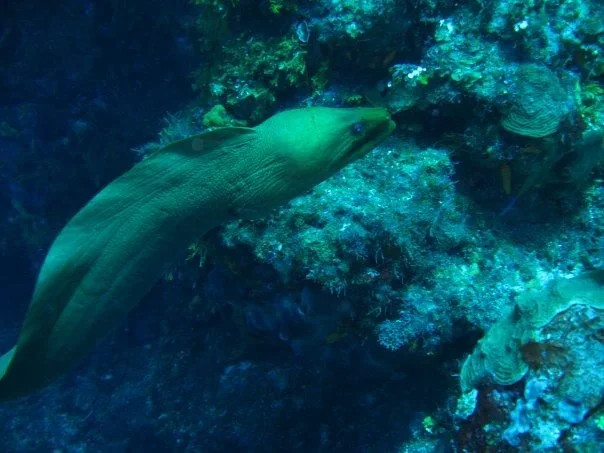
When descending upon Horseshoe Reef, divers often first notice the active populations of moray eels, which are common across various sites, some reportedly quite large. In Florida's Horseshoe Reefs, schools of spadefish frequently congregate, adding dynamic movement to the reef scene.
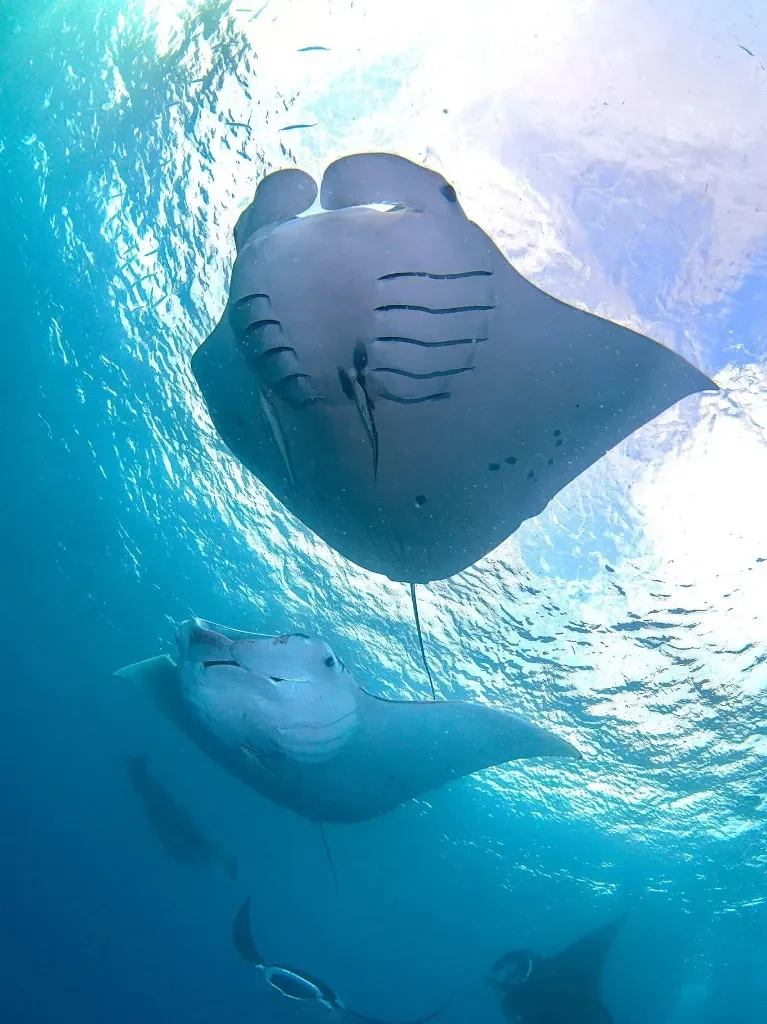
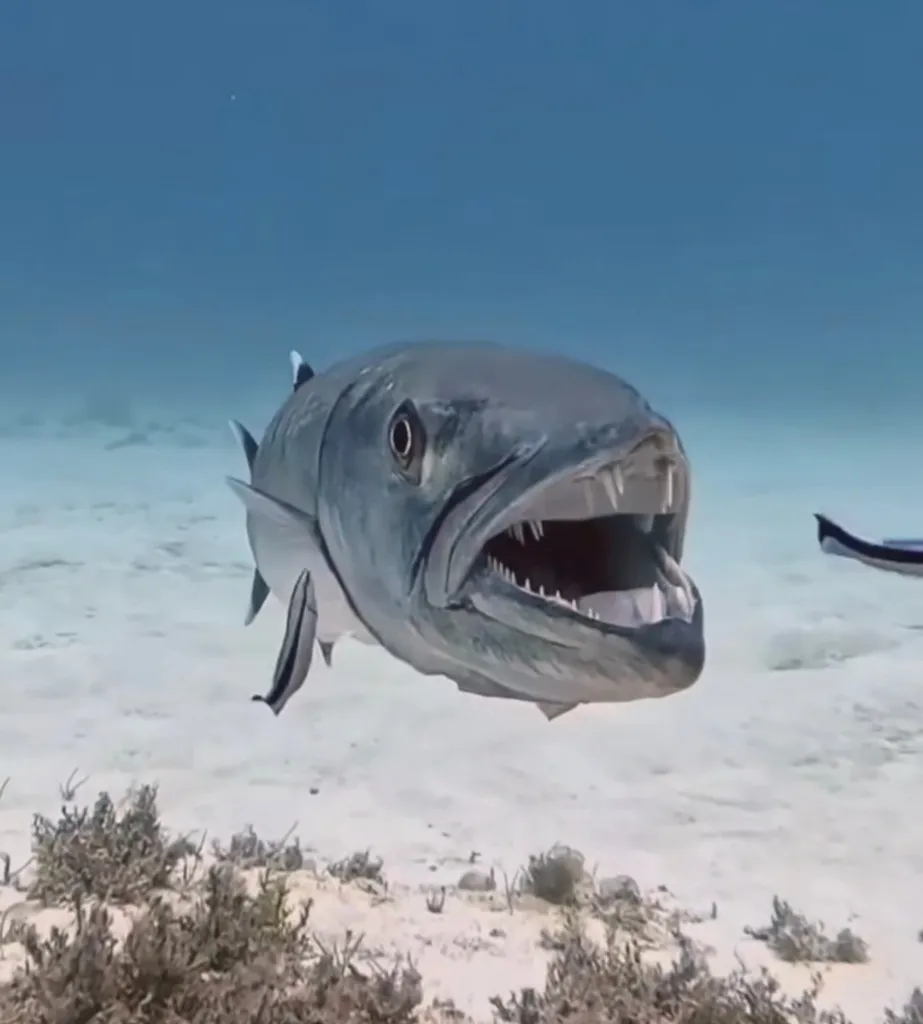
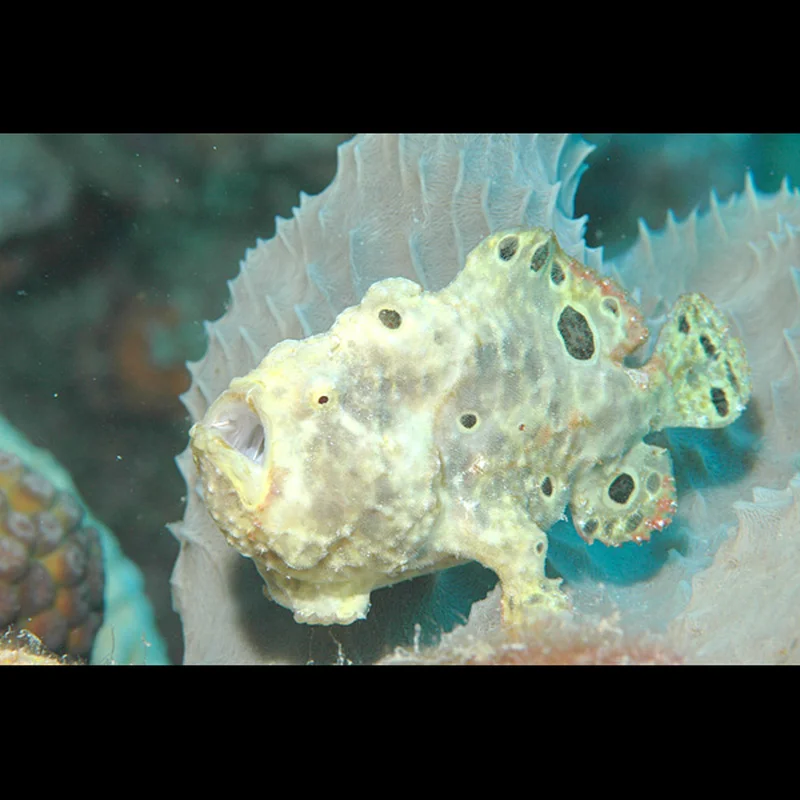
For those exploring the Honolulu location, frogfish and manta rays are regular encounters. Additionally, the specific artificial reef structures, such as pipelines, can attract large schools of barracuda.
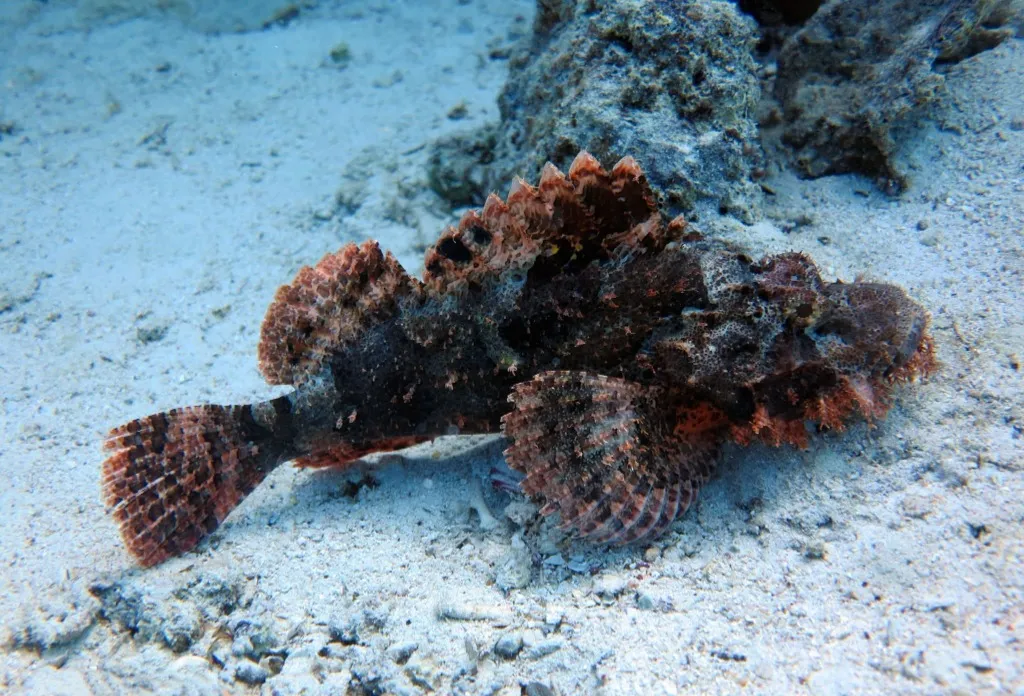
Keep an eye out among the finger reefs and sand patches for smaller, more camouflaged creatures like juvenile wrasses, octopus, leaf scorpionfish, and the elusive devil scorpionfish, particularly on the east side of some Florida sites.
Dive Sites Near Horseshoe Reef
View all dive sites in United StatesDiscover more underwater gems in this area.
Dive Centers Near Horseshoe Reef
Today: 07:00 - 21:00
Nearest Airports
Nearest airports to help plan travel to this dive area.
Search Flights
Check available flights and routes on Expedia, using the nearby airports listed in this section.
Search Flights on Expedia
Plan Your Stay
Looking for a place to stay for your dive trip? Explore hotels, stays, and vacation rentals for dive groups near Ala Moana - Kakaʻako.
Dive Navigator may earn a commission from these links at no extra cost to you.
Frequently Asked Questions
What is the typical depth range at Horseshoe Reef?
Horseshoe Reef sites in the United States vary significantly. Shallower sections can be as little as 30 feet, while deeper parts of the reef and adjacent areas extend to around 55 feet or sometimes 60 feet near artificial structures. This range makes it suitable for recreational divers.
What skill level is required to dive Horseshoe Reef?
Horseshoe Reef is generally accessible for Open Water certified divers. Some sites are specifically recommended for beginners, while others offer enough complexity to keep novice divers engaged. It's advisable to check with local dive operators for site-specific recommendations.
Is drift diving common at Horseshoe Reef?
Yes, drift diving is a common way to experience many of the Horseshoe Reef sites, particularly those in Florida. Currents can vary from gentle to moderate. Understanding local current patterns and practicing good buoyancy control are beneficial.
What kind of marine life can I expect to see?
Divers often encounter moray eels, schools of spadefish, and barracuda. Look for frogfish, manta rays, octopus, and camouflaged scorpionfish. Juvenile wrasses are also frequently observed along the reef structure.
Are there any specific hazards to be aware of?
While generally safe for certified divers, some locations, like the Horseshoe Reef near Honolulu, have reported tiger shark sightings. For all sites, paying attention to currents for drift diving and following local dive briefings are important safety measures.
When is the best time of year to dive Horseshoe Reef?
The period from January through October generally offers good to excellent diving conditions. Air temperatures are warm, averaging 22-26°C (72-79°F), and rainfall is minimal. March can be slightly windier, but still offers moderate diving.
Planning to dive Horseshoe Reef?
Send one inquiry and receive offers directly from the best verified local dive operators.
Conditions are Moderate
High Wind Advisory (47km/h). Unsafe surface.
Current conditions near Horseshoe Reef show 29° air, 27° sea temperature, 1.5 m waves, and 47 km/h wind. Forecast data is refreshed regularly to ensure accuracy.