
Diving at Crab Trap Snorkel Reef 3 (United States)
Crab Trap Snorkel Reef 3 is an artificial reef site in Florida's Gulf of Mexico waters. It's part of an expansive network of constructed habitats deployed by the South Walton Artificial Reef Association (SWARA). Reef structures, made of concrete, steel, and limestone modules, are driven into the seabed by fiberglass pilings. This design fosters a new ecosystem, providing essential shelter and a food source for marine life. It functions as an accessible underwater landscape for snorkelers and shallow divers.
As evening covers Crab Trap Snorkel Reef 3, the local air temperature is measured at 32.5°C. The current wave height at the surface is recorded at 0.4 m. These late-day readings characterize the surface conditions for the night.
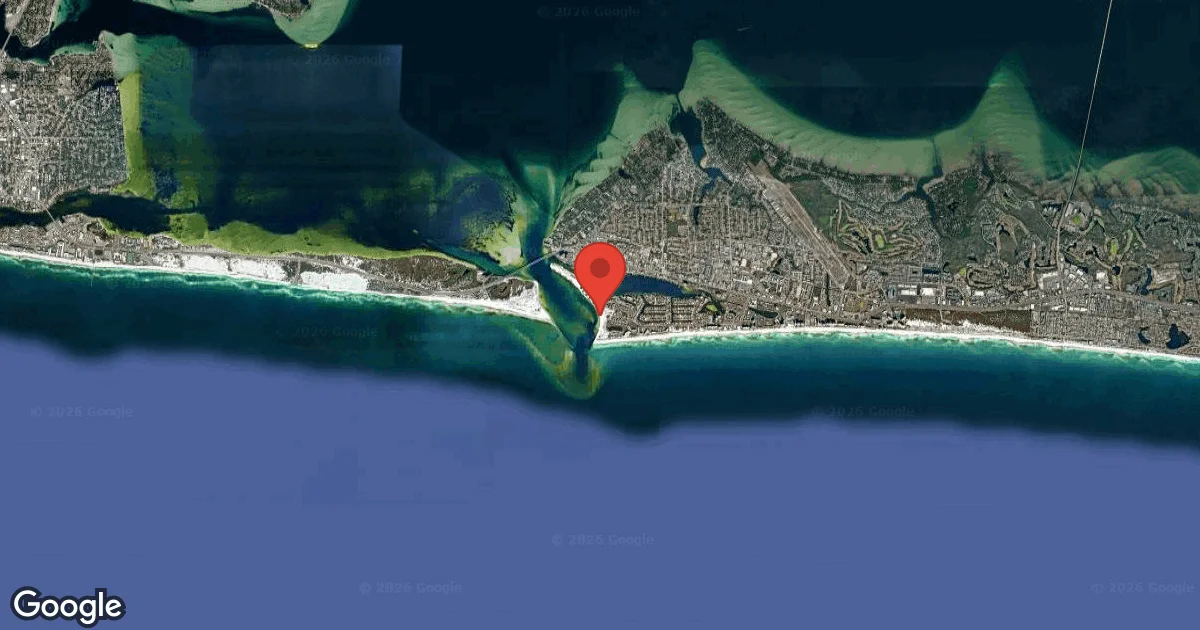
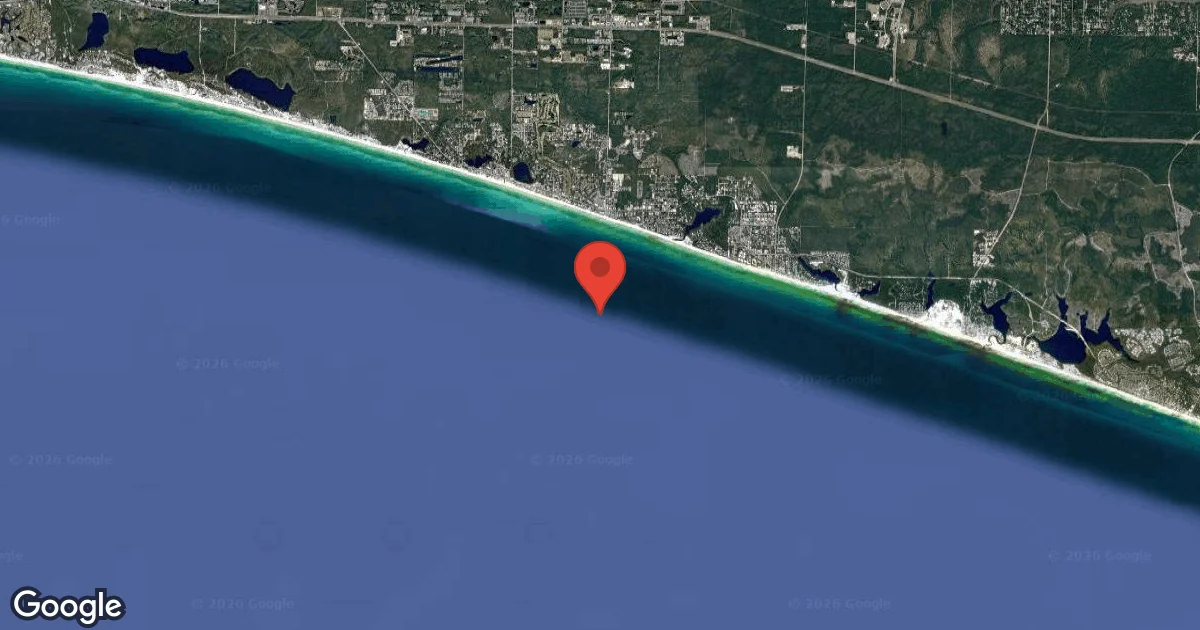
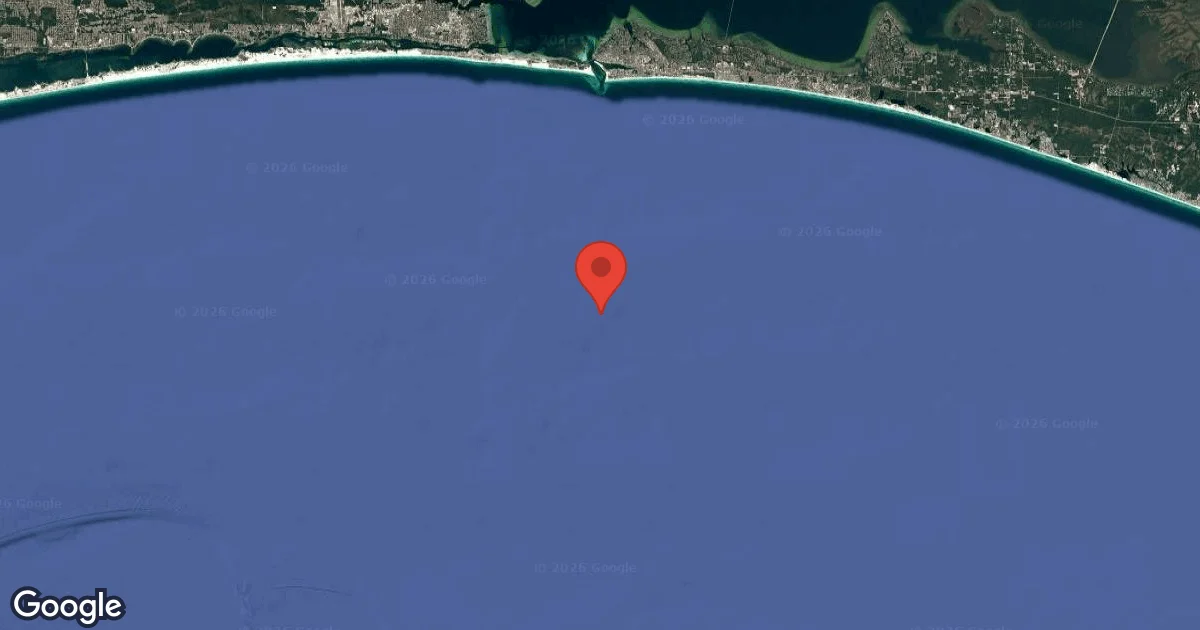
Dive Site Location & Key Facts
Dive Site Overview
Exploring Crab Trap Snorkel Reef 3 provides a glimpse into a successfully established artificial habitat designed for both recreation and ecological benefit. Since 2015, the South Walton Artificial Reef Association has strategically deployed over 700 such structures across 16 different locations, including this reef.
These sites are generally situated under 300 yards (274 m) from shore, making them conveniently reachable from public beaches. Access typically involves a paddleboard, kayak, or a small boat, allowing visitors to transport their gear efficiently.
This reef system transforms relatively barren seafloors into vibrant underwater cities, active with diverse life. Known for its distinctive sugar-white sand and inviting turquoise waters, the site encourages biodiversity, bolstering local fishing and diving opportunities while also serving as a valuable subject for ongoing research into reef growth and sustainability.
Depths at these snorkel reefs commonly range from 3.6 to 7.6 m (12 to 25 ft), making them suitable for various experience levels.
Conditions are Excellent
07:00 - 14:00
Optimal conditions expected
Current conditions near Crab Trap Snorkel Reef 3 show 32° air, 30° sea temperature, 0.3 m waves, and 22 km/h wind. Forecast data is refreshed regularly to ensure accuracy.
Best Time to Dive
Optimal visibility at Crab Trap Snorkel Reef 3 often correlates with periods of calmer seas and reduced rainfall. The summer months, particularly July through September, typically experience the lowest average wave heights, around 0.6 meters. During this same period, wind speeds are generally at their lowest, averaging between 15.6 and 15.9 km/h (9.7 to 9.9 mph), contributing to smoother surface conditions. Air temperatures are warmest from June to August, averaging between 26.5-28.5°C (80-83°F), creating comfortable above-water conditions. Rainfall is minimal in April and October, averaging 2.6 mm and 2.7 mm respectively, which generally helps maintain clearer water by reducing land runoff. While specific water temperature data isn't consistently reported, the warm air temperatures indicate a comfortable experience during these months. Overall, the consistent 'Good' dive scores throughout the year confirm that many periods offer favorable conditions for underwater exploration.
PEAK SEASON SCORE
Scores combine air & water temps, waves, wind & rainfall for overall conditions.
BEST MONTHS TO DIVE
Monthly records compiled from satellite and marine observation nodes over the last 3 years. Data provided by Open-Meteo and MET Norway.
Dive Experience & Conditions
Your dive experience at Crab Trap Snorkel Reef 3 begins with accessible entry from the beach. Most snorkel reefs in this region, including this one, lie within 300 yards (274 m) of the shore, making them ideal for access via paddleboard, kayak, or a small boat. Many nearby public beaches provide parking and restrooms, adding to the convenience. Once at the reef, divers can expect to explore depths generally ranging from 3.6 to 7.6 m (12 to 25 ft). Conditions below the surface can vary, influenced by local tidal movements and recent weather patterns. Artificial structures themselves create a fascinating and complex environment to navigate. Water temperatures, though not consistently reported, usually follow seasonal air temperature trends, which range from a monthly average of 10.5°C (51°F) in January to 28.5°C (83°F) in August, suggesting significantly warmer water during peak summer months.
Dive Difficulty & Safety Guidelines
Mitigating potential challenges at Crab Trap Snorkel Reef 3 involves paying close attention to local safety advisories. Divers must heed the local beach flag system and closely monitor tides to ensure safe entry and exit from the water. Florida State Law mandates the deployment of a diver-down flag or buoy when snorkeling or diving in these waters, ensuring visibility to boat traffic.
Weather changes can occur quickly offshore, so preparedness for shifting conditions is important for any visit. While these artificial reefs provide valuable marine habitat, responsible interaction with the environment is expected. Accessing these reefs is undertaken at your own risk, requiring personal responsibility for safety.
Recommended Equipment
- Dive Computer
This gear list is based on verified equipment signals for Crab Trap Snorkel Reef 3, United States. Always confirm final gear choices with your dive operator, guide, or liveaboard.
Recommended Dive Suit
Surface temperatures may decrease slightly later in the week. A significant temperature drop is forecast; strongly suggest bringing a backup warmer suit option. A hood or vest can noticeably improve warmth during longer dives.
Thermal protection such as dive skin or rash guard is commonly used in similar temperatures.
Recent environmental data from Crab Trap Snorkel Reef 3 indicates water temperatures near 30°C (86°F). Surface air temperatures are resting at 32°C (90°F).
Emergency & Medical Support
Essential information to help you plan your dive trip to Crab Trap Snorkel Reef 3.

Hyperbaric chambers are a critical part of dive safety infrastructure. Availability varies significantly by region, and not all dive areas have immediate access.
Before diving, it's recommended to:
- confirm nearest medical facilities
- check emergency procedures with local dive operators
- ensure dive insurance covers evacuation if required
Divers Alert Network
Diving emergency assistance available through DAN World.
+1-919-684-9111- 24/7 emergency hotline
- Diving medical assistance
- Evacuation coordination
Emergency contacts are provided for reference. Always verify local emergency services before diving.
Marine Life at Crab Trap Snorkel Reef 3
Artificial reef landscapes at Crab Trap Snorkel Reef 3 quickly become a focal point for marine life. These concrete, steel, and limestone structures serve as vital habitat, attracting a diverse array of species.
You can anticipate observing various fish populations seeking shelter and food within the intricate reef modules. Such features effectively support a sustainable food source, contributing to increased biodiversity in the area.
This creates vibrant underwater 'cities' that bolster both recreational viewing and local fishing opportunities by concentrating marine activity.
Dive Sites Near Crab Trap Snorkel Reef 3
View all dive sites in United StatesDiscover more underwater gems in this area.
Dive Centers Near Crab Trap Snorkel Reef 3
Today: 09:00 - 16:00
Nearest Airports
Nearest airports to help plan travel to this dive area.
Search Flights
Check available flights and routes on Expedia, using the nearby airports listed in this section.
Search Flights on Expedia
Plan Your Stay
Looking for a place to stay for your dive trip? Explore hotels, stays, and vacation rentals for dive groups near Miramar Beach.
Dive Navigator may earn a commission from these links at no extra cost to you.
Frequently Asked Questions
What is Crab Trap Snorkel Reef 3?
Crab Trap Snorkel Reef 3 is one of several artificial reefs deployed by the South Walton Artificial Reef Association (SWARA). It serves as both a recreational site for snorkelers and divers, and a crucial habitat for marine life.
How deep is Crab Trap Snorkel Reef 3?
Depths at Crab Trap Snorkel Reef 3, consistent with other snorkel reefs in the area, generally range between 3.6 to 7.6 m (12 to 25 ft). This makes it suitable for snorkeling and shallow recreational diving.
How do I access Crab Trap Snorkel Reef 3?
Access to the reef is from public beaches, typically located within 300 yards (274 m) offshore. Visitors commonly reach it by paddleboard, kayak, or a small boat. Public parking and restrooms are often available at nearby beach access points.
Is a diver-down flag required when visiting?
Yes, under Florida State Law, anyone snorkeling or diving in these waters must display a diver-down flag or buoy. This regulation ensures the safety of divers by alerting nearby boat traffic to their presence.
What kind of marine life can I expect to see?
Artificial structures of this reef provide shelter and a food source, attracting diverse fish populations. Expect to observe various species utilizing the concrete, steel, and limestone modules as their habitat.
What are the best conditions for visiting Crab Trap Snorkel Reef 3?
Optimal conditions usually include calmer seas and less rain. Summer months from July to September typically offer the lowest wave heights and wind speeds, providing the best visibility and a more comfortable experience for surface access.
Are there facilities near the reef?
Yes, many SWARA-deployed artificial reefs are near public beaches. These access points often provide amenities such as public parking and restrooms for convenience.
Planning to dive Crab Trap Snorkel Reef 3?
Send one inquiry and receive offers directly from the best verified local dive operators.
Conditions are Excellent
07:00 - 14:00
Optimal conditions expected
Current conditions near Crab Trap Snorkel Reef 3 show 32° air, 30° sea temperature, 0.3 m waves, and 22 km/h wind. Forecast data is refreshed regularly to ensure accuracy.