
Diving atD-3 (United States)
The United States offers a vast range of technical diving profiles, from the deep pelagic backdrops of California oil rigs to the clear freshwater cave systems of Florida. Depths can vary significantly, extending from recreational ranges in shallow kelp forests to near-unlimited bottom depths for advanced offshore structures. Divers prepare for diverse conditions, often requiring specialized gear like drysuits for colder northern waters or robust lights for cave exploration, ensuring readiness for varied environments nationwide.
As evening covers D-3, the local air temperature is measured at 22.1°C. The current wave height at the surface is recorded at 0.42m. These late-day readings characterize the surface conditions for the night.
Dive Site Coordinates
27.2655, -83.1201
Dive Site Overview
The evolution of diving within the United States reflects its vast geographical and ecological diversity, encompassing varied aquatic landscapes that have shaped distinct diving experiences. From the expansive kelp forests off California’s Catalina Island, where giant black sea bass interact with divers, to the rugged, remote rockscapes of Hawaii's Niihau, each region presents its own set of attractions.
Early exploration in places like Monterey Bay quickly revealed an abundance of marine life, evident even from the surface with sea lions and otters common. Florida's extensive swamp and river lands became the focus for freshwater diving, opening up possibilities within underground caves, caverns, and sinkholes.
Further north, Washington's Puget Sound developed as a destination for its nutrient-rich waters fostering diverse marine species, including six-gill sharks and giant octopuses, despite cooler conditions. Even more specialized are the offshore oil rigs in Southern California, presenting an advanced diving opportunity with their unique vertical structures and pelagic environment.
This broad scope requires divers to adapt, considering equipment and skill levels appropriate for environments ranging from volcanic lava tubes to temperate reef systems.
Best Time to Dive
Planning your dive experience across the United States involves considering regional climate variations, which directly influence conditions and comfort. Nationally, July generally presents excellent dive scores, with average air temperatures reaching 28.87°C (84.0°F) and significantly lower wave heights, averaging 0.49 meters (1.6 feet). This period often provides more stable surface conditions, conducive to easier boat access and more comfortable surface intervals. Rain remains relatively low in July at about 2.69 mm, contributing to better overall visibility. Conversely, months like January and October, while still offering moderate dive scores, see increased wave heights around 1.30 meters (4.3 feet) and 1.17 meters (3.8 feet) respectively, alongside higher wind speeds. For specific destinations, seasonal peaks exist; for instance, conditions are often best around June for Hawaii's Niihau. Throughout the year, average air temperatures range from 17.01°C (62.6°F) in January to 29.07°C (84.3°F) in August, influencing your choice of exposure protection.
Climate Historical Averages
Monthly records compiled from satellite and marine observation nodes over the last 3 years. Data provided by Open-Meteo and MET Norway.
Dive Experience & Conditions
Across the United States, a diver's experience with current conditions will vary dramatically by site. In regions like Hawaii, where volcanic geology minimizes sand, visibility can often exceed 30 m (100 ft) at select locations. Conversely, some coastal areas, especially in Southern California, might present poorer visibility, though nearby islands like Catalina often improve conditions by two times or more compared to the mainland. Water temperatures range from comfortably warm in Southern California and Kona to distinctly cold in areas such as Puget Sound. Sites like the California oil rigs demand significant situational awareness due to their exposed, pelagic nature, where currents can be a factor. Freshwater environments in Florida offer unmatched clarity, with visibility sometimes limited only by the cavern walls. These dynamic conditions mean divers must be prepared for everything from calm, clear reefs to challenging currents and colder thermoclines within a single trip across different US destinations.
Dive Difficulty & Safety Guidelines
Diving safety in the United States requires acknowledging the diverse skill levels and equipment needs across its varied environments. Advanced sites, such as the offshore oil rigs, necessitate a highly aware diver due to their unique structure and potentially challenging open-water conditions. For colder waters, particularly in the Pacific Northwest, investing in a drysuit or a well-fitted custom wetsuit is advisable to maintain thermal comfort. Additionally, robust dive lights become essential for exploring the often darker conditions of kelp forests or the extensive cave and cavern systems found in Florida. Respecting marine life is paramount, especially when encountering large animals like manta rays or sharks; maintaining a respectful distance and avoiding interaction helps preserve these sensitive ecosystems. Awareness of local regulations and dive site-specific briefings is always crucial for a safe experience.
Recommended Equipment
No verified equipment items yet.
Verified equipment recommendations for this dive site are being reviewed and may be added as additional source checks are completed.
Recommended Dive Suit
Forecast trends indicate little change in overall diving conditions during the next few days.
Divers who prefer a balanced level of warmth often select 3-5mm wetsuit in water temperatures like this. Surface intervals may feel cooler.
At D-3, the water is currently sitting around 23°C (73°F). Surface air temperatures are resting at 22°C (72°F).
Conditions last reviewed: 18:00 using the latest environmental data.
Dive Logistics & Preparation
Hyperbaric Chamber
Check local United States medical facilities.
Entry Requirements
View United States Visa Hub
Currency
USD
Nearest Airports
Nearest airports to help plan travel to this dive area.
Marine Life at D-3
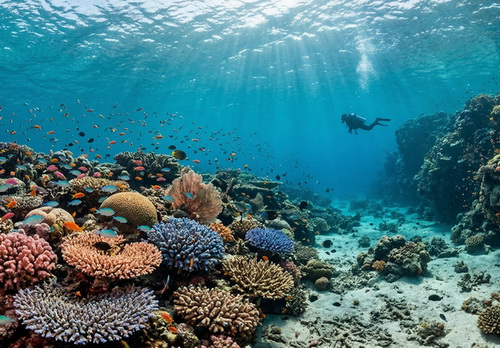
The underwater landscapes of the United States support an astonishing array of marine life. Nutrient-rich waters, particularly in regions like Puget Sound, foster dense populations of six-gill sharks, wolf-eels, and impressive giant octopus. California's kelp forests provide habitat for abalone and the sizable Giant Black Sea Bass. In warmer Hawaiian waters, divers regularly encounter monk seals, manta rays, and various reef fish, with unique lava tube formations creating shelters. Florida's freshwater systems host manatees and gators, while offshore in Jupiter, large aggregations of lemon, bull, tiger, and hammerhead sharks are known to frequent certain areas, alongside giant groupers.
Dive Centers Near D-3
No Dive Centers Local To D-3
Are you a dive center visiting this location? Get listed to reach divers.
Frequently Asked Questions
What kind of diving experiences are available in the United States?
The US offers a wide range of diving, including kelp forests, freshwater caves and sinkholes, offshore oil rigs, and vibrant coral reefs. You can encounter everything from temperate water ecosystems to tropical environments.
Is a drysuit necessary for diving in the US?
For many cooler destinations like Puget Sound or parts of California, a drysuit or a thick custom wetsuit is highly recommended. However, warmer areas like Hawaii or parts of Florida are often suitable for thinner wetsuits.
What are the general visibility conditions like?
Visibility varies significantly; some Hawaiian sites can offer over 30 m (100 ft), while certain coastal areas might have poorer conditions. Freshwater springs in Florida often boast exceptional clarity, limited mostly by structural features.
What is the best time of year to dive in the United States?
July typically offers excellent dive conditions nationally, characterized by comfortable air temperatures and reduced wave heights. However, specific regional "best times" exist, such as June for some Hawaiian sites.
Can I see large marine animals while diving in the US?
Yes, the US is home to diverse large animal encounters. You might see giant black sea bass, six-gill sharks, manta rays, monk seals, whale sharks, and various types of sharks in different regions.
Are there dive sites suitable for advanced divers only?
Absolutely. Sites like the California oil rigs are considered advanced due to their depth, exposed nature, and pelagic environment. Many cave and cavern systems also require specialized training and experience.
Liveaboards Sailing to D-3
Explore highly rated liveaboards visiting this dive site and discover the best routes in United States.
Resorts & Accommodation
Find partner hotels and dive resorts directly accessing the reef.
Around This Area
Explore top-rated restaurants, activities, and attractions near D-3 reviewed by travelers.
Planning to dive D-3?
Send one inquiry and receive offers directly from the best verified local dive operators.