
Diving at DEP-4 (United States)
Diving within the United States generally spans a wide depth profile, from shallow reef explorations to advanced deeper wreck and structural dives. Many sites accommodate recreational limits, with typical max depths around 30 m (100 ft). However, specific locations, such as offshore oil rigs, present opportunities for advanced divers to explore much greater depths, often with an unlimited bottom beneath the structure. It emphasizes a diverse range of vertical experiences.
Evening condition tracking at DEP-4 features an air temperature of 29°C. We have recorded wave heights measuring 0.3 m during this period. These figures outline the environmental parameters currently present.
Dive Site Location & Key Facts
Dive Site Overview
Exploring underwater topography across US dive sites reveals a remarkable range of formations. The environments can shift from rugged dramatic rockscapes to extensive kelp forests.
Certain areas feature lava tubes and caverns, providing unique swim-throughs and shelter for marine life. In other regions, divers encounter impressive artificial structures, including various shipwrecks and even offshore oil rigs. These diverse backdrops contribute significantly to the varied diving experiences found throughout the country.
Some locations, like the Hawaiian islands, naturally possess very little sand, often preventing sediment from impacting underwater clarity, leading to pristine conditions. This natural lack of sand contributes to often superior visibility, a defining characteristic of many tropical US destinations.
Nutrient-rich waters, particularly in areas like Puget Sound, foster a 'soup' of abundant marine life, adding to the vibrancy of these underwater landscapes.
Conditions are Excellent
07:00 - 14:00
Optimal conditions expected
Current conditions near DEP-4 show 29° air, 30° sea temperature, 0.3 m waves, and 18 km/h wind. Forecast data is refreshed regularly to ensure accuracy.
Best Time to Dive
Planning a dive trip in the US often considers visibility, which can vary significantly by region and season. Locations like Kona and Niihau frequently report exceptional visibility, often exceeding 30 m (100 ft) due to minimal sand. For surface comfort, warmer air temperatures generally prevail from May through October, averaging between 24.5°C (76°F) and 29°C (84°F). Rain levels are comparatively lower during these months, with May and October experiencing some of the lowest monthly averages, at 1.46 mm and 1.23 mm respectively, which could contribute to clearer runoff conditions. Water temperature is not consistently reported and will fluctuate widely across different US dive regions. During winter months, air temperatures are cooler, ranging from 12.5°C (54°F) in January to 19.5°C (67°F) in November, potentially impacting surface intervals and the type of thermal protection required. Overall, the late spring to early fall offers generally good dive scores and more favorable air conditions.
PEAK SEASON SCORE
Scores combine air & water temps, waves, wind & rainfall for overall conditions.
BEST MONTHS TO DIVE
Monthly records compiled from satellite and marine observation nodes over the last 3 years. Data provided by Open-Meteo and MET Norway.
Dive Experience & Conditions
Diving in the US presents a range of sensory impressions, from the exhilarating chill of northern waters to the balmy comfort of tropical currents. You'll feel the embrace of a kelp forest swaying gently or the surge around a dramatic rock formation. Visibility can be exceptionally clear in some regions, offering panoramic views of the underwater world, while others may require navigating through more nutrient-rich, 'soupy' waters. Water temperatures vary widely across the country; some areas are considered 'cooler dive destinations,' requiring appropriate thermal protection, while other warm-water hot spots allow for lighter wetsuits. Encounters with large marine animals are a real possibility in many locations, often creating intense, memorable moments. It's a dynamic environment, where the conditions shift dramatically between coastlines and seasons.
Dive Difficulty & Safety Guidelines
Approaching certain advanced dive opportunities, such as the California oil rigs, requires careful planning and a high level of situational awareness. These sites often present a pelagic backdrop and deep, near-unlimited bottom, demanding advanced diving experience. Divers must always be highly aware of their surroundings, particularly in areas known for significant currents or large animal encounters.
Standard safe diving practices, including proper dive planning, buddy checks, and adhering to depth and time limits, are essential across all US dive sites. While specific hazards aren't consistently reported across all locations, varied conditions mean divers should be prepared for potential currents, colder water, and dynamic marine environments.
Always dive within your certification limits and consider additional training for more challenging sites.
Recommended Equipment
- Dive Computer
This gear list is based on verified equipment signals for DEP-4, United States. Always confirm final gear choices with your dive operator, guide, or liveaboard.
Recommended Dive Suit
For divers planning standard recreational dives, dive skin or rash guard is usually a suitable option. Divers vary widely in how quickly they feel cold underwater.
At the moment, divers exploring DEP-4 will likely experience water temperatures near 30°C (87°F). Surface air temperatures are resting at 29°C (84°F).
The forecast outlook suggests that temperatures will stay close to current levels.
Emergency & Medical Support
Essential information to help you plan your dive trip to DEP-4.

Hyperbaric chambers are a critical part of dive safety infrastructure. Availability varies significantly by region, and not all dive areas have immediate access.
Before diving, it's recommended to:
- confirm nearest medical facilities
- check emergency procedures with local dive operators
- ensure dive insurance covers evacuation if required
Divers Alert Network
Diving emergency assistance available through DAN World.
+1-919-684-9111- 24/7 emergency hotline
- Diving medical assistance
- Evacuation coordination
Emergency contacts are provided for reference. Always verify local emergency services before diving.
Marine Life at DEP-4
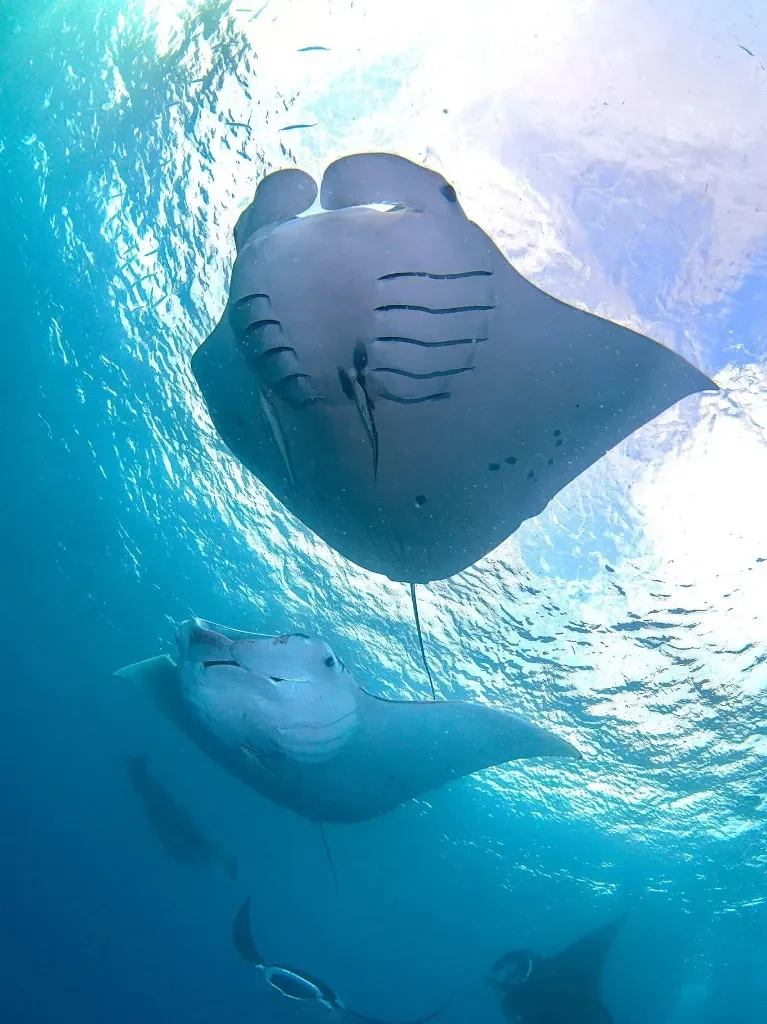
What you might notice first while diving in the US is the sheer diversity of its marine inhabitants. From epic large animal encounters like manta rays, monk seals, whale sharks, and tiger sharks, the possibilities are extensive.
You could dive inches away from a 2-300lb Giant Black Sea Bass or spot abalone nestled among kelp. Lemon, bull, tiger, hammerhead, and black tip sharks frequently visit areas like Jupiter, Florida.
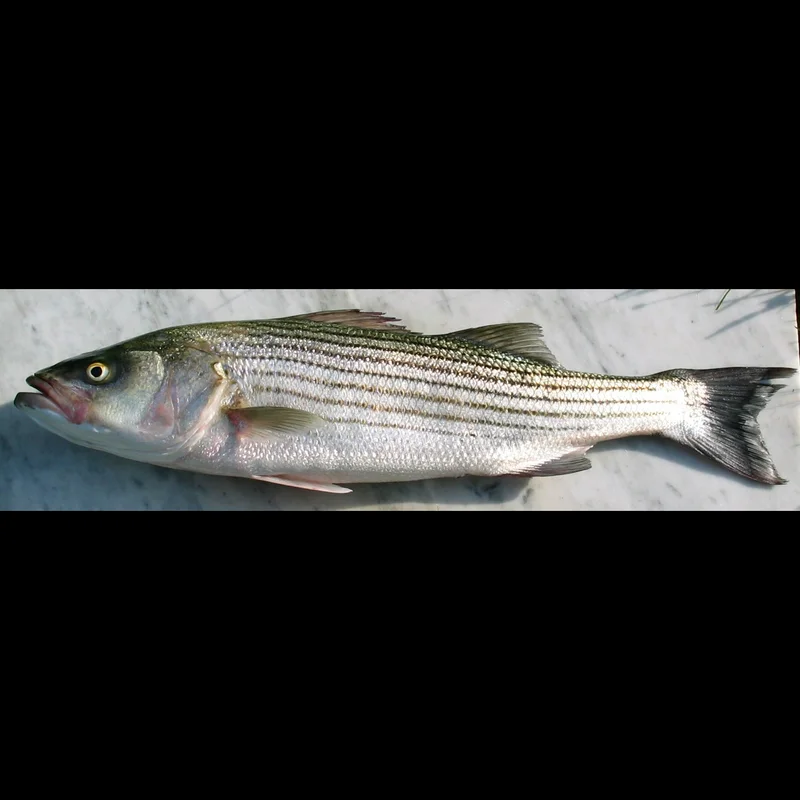
Kelp forests along the California coast host myriad fish, smaller sharks, and crustaceans. In nutrient-rich bays, sea lions and sea otters are common sights, alongside abundant reef fish and black coral in specific locations, painting a vibrant underwater picture.

Dive Centers Near DEP-4
No Dive Centers Local To DEP-4
Are you a dive center visiting this location? Get listed to reach divers.
Nearest Airports
Nearest airports to help plan travel to this dive area.
Search Flights
Check available flights and routes on Expedia, using the nearby airports listed in this section.
Search Flights on ExpediaFrequently Asked Questions
What kind of dive sites are available in the United States?
The US offers a broad spectrum of dive sites, from shark-filled wrecks in North Carolina and coral reefs in Hawaii to extensive kelp forests in California and unique lava tubes. There are also inland sites and offshore oil rigs for advanced divers, providing a wide variety of underwater topography.
When is the best time to dive in the US?
Late spring through early fall, typically May to October, generally offers good dive conditions with warmer air temperatures. While water temperatures vary widely by location, these months often align with lower rainfall averages, potentially contributing to clearer visibility at certain sites.
What is the typical water visibility like?
Visibility in US dive sites can range significantly. Locations like Kona and Niihau in Hawaii are known for exceptional visibility, often exceeding 30 m (100 ft). Other areas, particularly those with nutrient-rich waters or closer to shore, might experience more moderate visibility depending on conditions.
What marine life can I expect to see?
Divers can expect diverse marine life, including large pelagics like manta rays, whale sharks, and various shark species such as lemon, bull, tiger, and hammerheads. You might also encounter monk seals, giant black sea bass, sea lions, sea otters, colorful reef fish, and unique invertebrates like abalone.
Are there dive sites suitable for beginners?
Yes, many US dive locations offer sites suitable for introductory scuba dives and open water certification. However, advanced sites like offshore oil rigs are recommended only for experienced divers due to their depth and potential conditions. It's best to check specific site requirements.
What equipment is recommended for diving in the US?
Due to the varying water temperatures across the country, appropriate thermal protection is crucial. This could range from a full wetsuit in warmer regions to a dry suit or thick custom wetsuit for cooler dive destinations, especially for deeper or longer dives.
Planning to dive DEP-4?
Send one inquiry and receive offers directly from the best verified local dive operators.
Conditions are Excellent
07:00 - 14:00
Optimal conditions expected
Current conditions near DEP-4 show 29° air, 30° sea temperature, 0.3 m waves, and 18 km/h wind. Forecast data is refreshed regularly to ensure accuracy.