
Diving at EEF Site (United States)
Prepare for an immersive dive experience exploring a notable artificial reef, designed to be an intricate habitat for a diverse range of marine life. This site offers challenging yet rewarding exploration, attracting divers interested in significant underwater structures. It's an opportunity to witness how human-made installations evolve into thriving ecosystems, providing a unique perspective on marine conservation efforts.
Tonight's objective overview for EEF Site shows an air temperature of 28°C. The measured surface conditions include wave heights around 0.9 m. This environmental data is logged for the close of the day.
Dive Site Location & Key Facts
Dive Site Overview
This particular site centers around a substantial artificial reef, purposefully deployed to foster a vibrant marine habitat where natural formations are limited. Its immense structure provides a complex topography, descending to a maximum depth of 55 m (180 ft) at the seafloor.
Shallower sections, including expansive upper decks, begin around 17 m (55 ft), making the initial exploration accessible to a broader range of certified divers. Moving deeper, the former open promenade deck offers pathways for exploration, eventually leading to the significant sections where the ship's propellers once resided, near the maximum depth.
Its intricate design, with various levels and compartments, creates numerous swim-throughs and sheltered nooks. These features are ideal for a diverse array of reef fish and invertebrates to establish residence, transforming the structure into a dynamic underwater ecosystem.
Observing how this human-made installation functions as a thriving aquatic city, bolstering local fishing and diving opportunities, is a key aspect of diving here. The successful integration of such a large structure into the marine environment exemplifies its dual value for ecological restoration and engaging diver exploration.
Conditions are Excellent
07:00 - 14:00
Optimal conditions expected
Current conditions near EEF Site show 28° air, 29° sea temperature, 0.8 m waves, and 17 km/h wind. Forecast data is refreshed regularly to ensure accuracy.
Best Time to Dive
Optimal diving conditions for this site typically align with periods of reduced wave action and lighter winds, which contribute significantly to better underwater visibility. The dive scores suggest the months of May, June, and July generally offer good to excellent conditions, with July presenting the calmest average wave height at 0.8 m (2.6 ft). Air temperatures during this peak season are comfortably warm, averaging 24°C (75°F) in May, 26°C (79°F) in June, and reaching 28°C (82°F) in July and August. Rainfall is also comparatively lower during these months. Conversely, September and October tend to exhibit poorer dive scores due to increased wave heights, averaging 1.5 m (4.9 ft) and 1.7 m (5.6 ft) respectively, coupled with higher rainfall. Water temperature is not consistently reported for this specific location but generally mirrors the regional seasonal patterns. Planning a dive during the late spring to mid-summer period generally yields the most favorable conditions for exploring the artificial reef's intricacies.
PEAK SEASON SCORE
Scores combine air & water temps, waves, wind & rainfall for overall conditions.
BEST MONTHS TO DIVE
Monthly records compiled from satellite and marine observation nodes over the last 3 years. Data provided by Open-Meteo and MET Norway.
Dive Experience & Conditions
Exploring this site offers a diverse experience across its distinct depth profiles. Recreational divers can readily access the top decks, which begin around 17 m (55 ft), providing ample opportunity to observe the initial stages of reef formation. Descending further, experienced divers will navigate the deeper sections, extending down to the site's maximum depth. Visibility varies depending on oceanic conditions but can often exceed 30 m (100 ft) on calm days, particularly when seas are settled. Currents can be present, especially on deeper sections or exposed areas, necessitating attention to dive planning and buoyancy control. While water temperatures are not consistently reported for the specific site, divers should anticipate conditions typical for temperate artificial reefs, potentially requiring appropriate thermal protection. The overall profile caters to divers seeking a structured exploration of a significant artificial habitat.
Dive Difficulty & Safety Guidelines
Navigating this artificial reef requires adherence to prudent dive practices, particularly due to its significant depth profile and potential for variable currents. Divers planning to explore the deeper sections, which extend to the site's maximum recreational depth, should possess appropriate certifications and experience for deep diving. Maintaining excellent buoyancy control is crucial, both to protect the evolving reef structure and to manage ascents and descents safely within the large structure.
Always dive with a reliable buddy and ensure adequate air management. Due to the site's size and complexity, proper dive planning, including understanding potential current directions and entry/exit points, is essential for a safe and enjoyable experience.
Consider carrying a dive reel for penetration if exploring overhead environments, though some areas are open and easily navigable.
Recommended Equipment
- Dive Computer
This gear list is based on verified equipment signals for EEF Site, United States. Always confirm final gear choices with your dive operator, guide, or liveaboard.
Recommended Dive Suit
According to recent observations, water temperatures near EEF Site are approximately 29°C (83°F). Surface air temperatures are resting at 28°C (83°F).
Forecast models indicate that diving conditions should remain largely unchanged.
In water temperatures like these, 2-3mm shorty or light wetsuit typically offers sufficient warmth for most recreational dives. A hood or vest is suggested for sensitive divers due to surface winds. Some divers naturally tolerate cooler water better than others.
Emergency & Medical Support
Essential information to help you plan your dive trip to EEF Site.

Hyperbaric chambers are a critical part of dive safety infrastructure. Availability varies significantly by region, and not all dive areas have immediate access.
Before diving, it's recommended to:
- confirm nearest medical facilities
- check emergency procedures with local dive operators
- ensure dive insurance covers evacuation if required
Divers Alert Network
Diving emergency assistance available through DAN World.
+1-919-684-9111- 24/7 emergency hotline
- Diving medical assistance
- Evacuation coordination
Emergency contacts are provided for reference. Always verify local emergency services before diving.
Marine Life at EEF Site
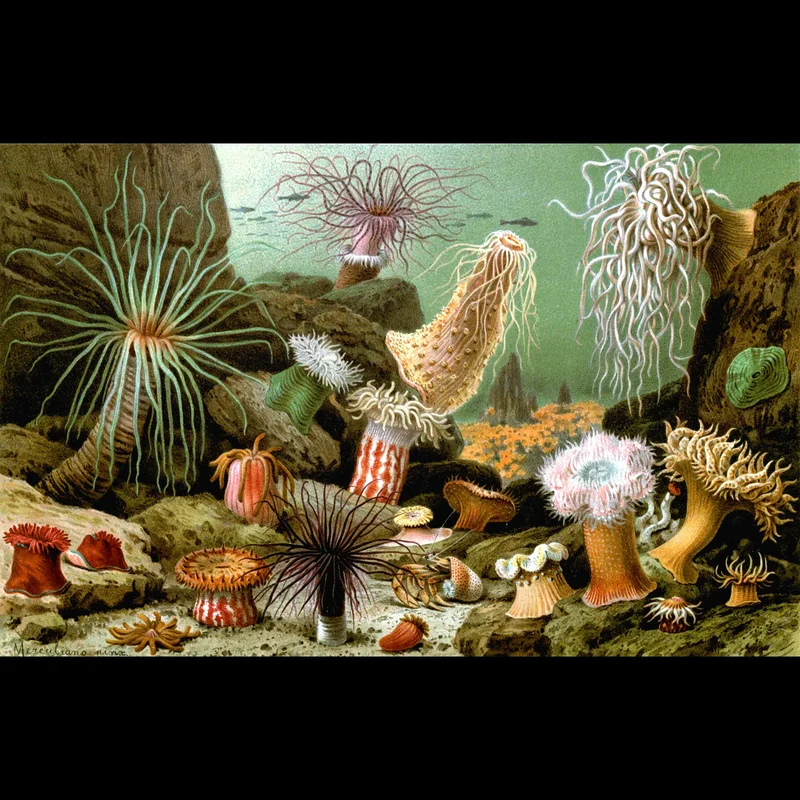
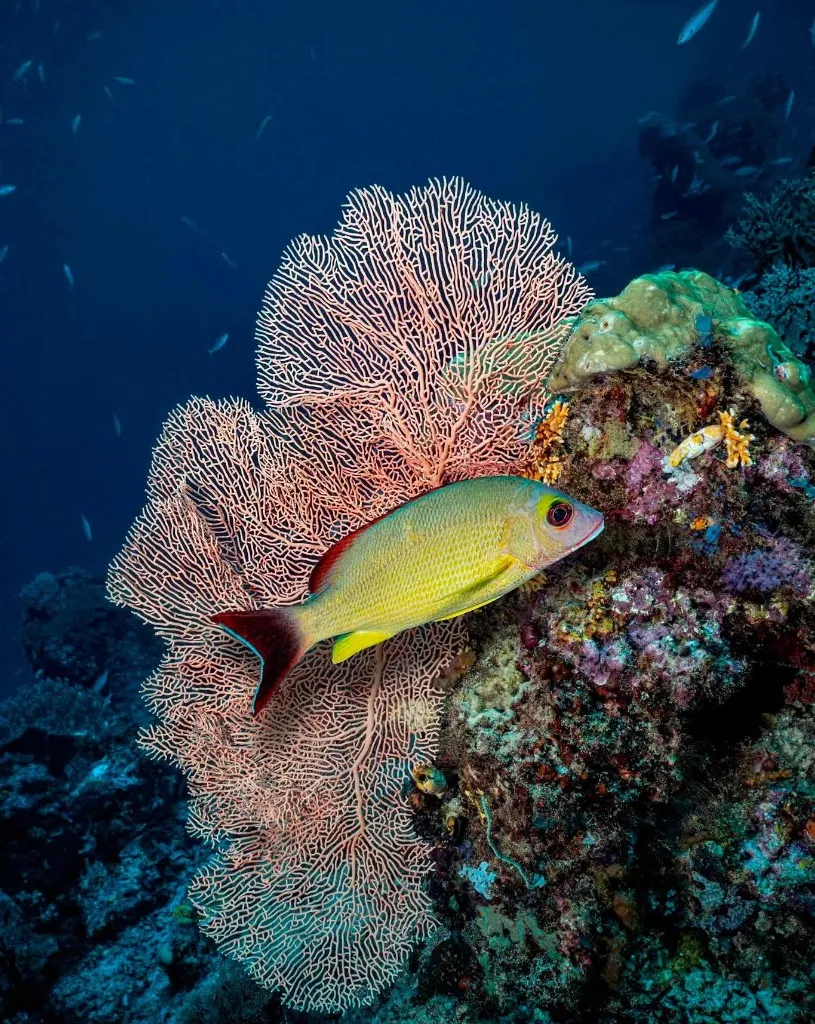
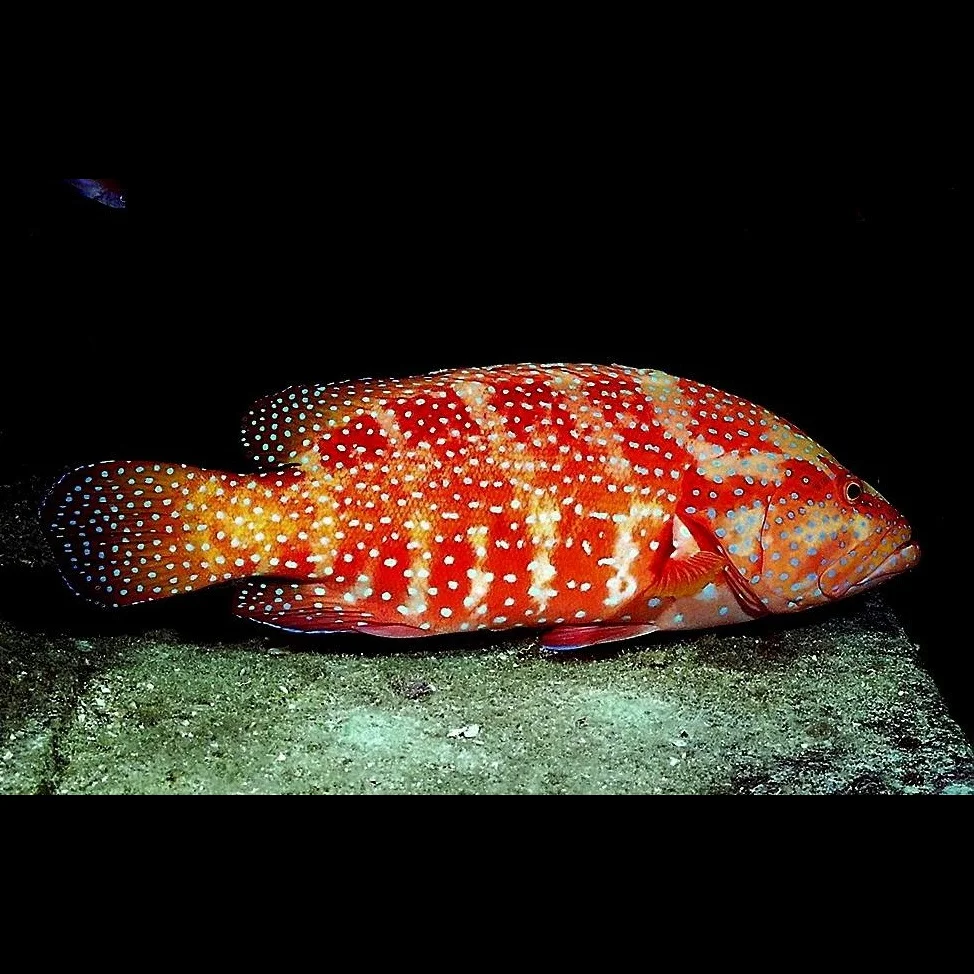
The underwater landscape of this artificial reef has swiftly transformed into a dynamic ecosystem, attracting a diverse array of marine inhabitants. Within its intricate structure, divers frequently observe various reef fish, including snappers and groupers, seeking shelter and foraging opportunities.
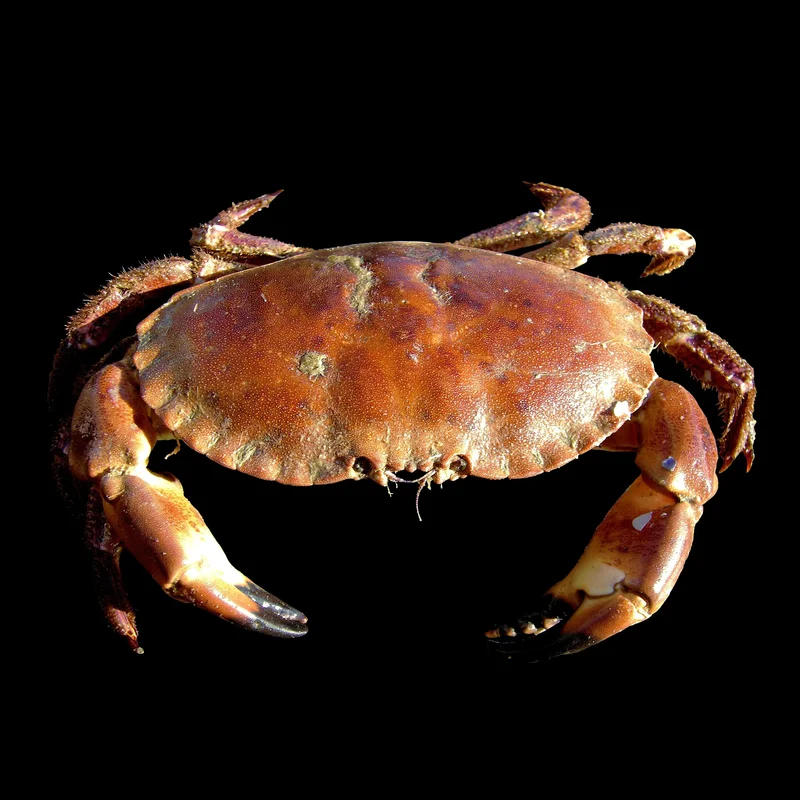
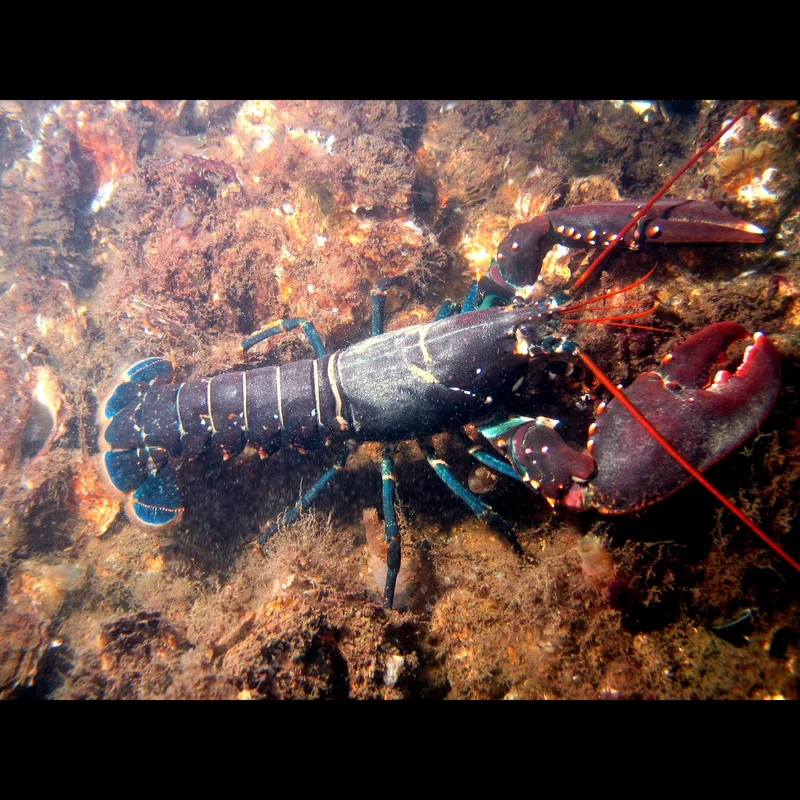
Schools of baitfish often congregate around the structure, drawing in larger predatory fish. Invertebrates like crabs, lobsters, and anemones colonize surfaces, adding texture and color to the metal framework.
Exploring the various decks and compartments reveals different micro-habitats, each supporting unique forms of life. This flourishing environment provides crucial habitat in areas where natural reefs are scarce.
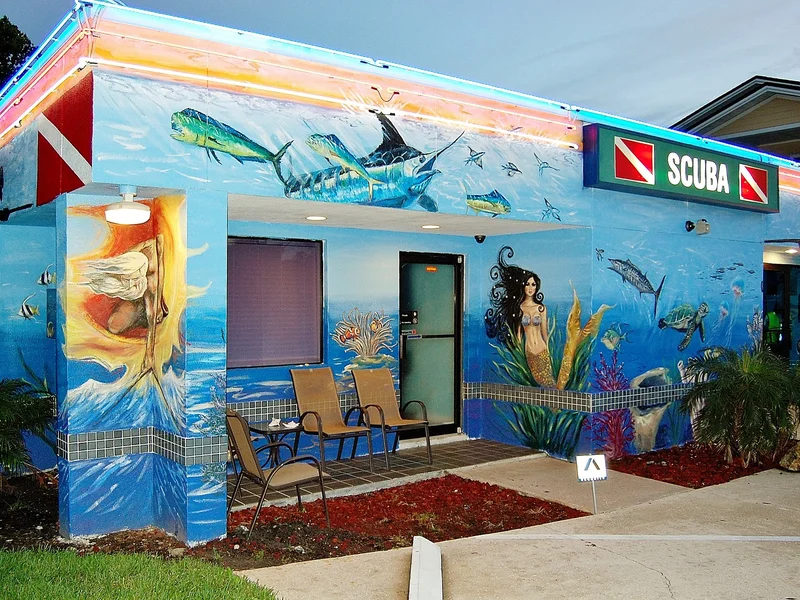
Dive Centers Near EEF Site
Today: 10:00 - 17:00
Nearest Airports
Nearest airports to help plan travel to this dive area.
Search Flights
Check available flights and routes on Expedia, using the nearby airports listed in this section.
Search Flights on ExpediaFrequently Asked Questions
What is the maximum depth for diving at this site?
The site extends to a maximum depth of 55 m (180 ft). Shallower sections of the artificial reef are generally accessible starting around 17 m.
What type of dive experience does this site offer?
This is primarily an artificial reef dive, centered around a large submerged structure. It provides a complex environment for exploration, acting as a habitat for a variety of marine species.
Is the EEF Site suitable for entry-level divers?
While some shallower areas, starting around 17 m, might be accessible, the overall site extends to significant depths. Many sections are considered advanced, requiring deep diving certifications and experience due to depth and potential currents.
What kind of marine life might I encounter here?
An artificial reef attracts a range of reef fish like snappers and groupers, along with various invertebrates such as crabs and anemones. Schools of smaller fish also frequently inhabit the structure.
What are the typical water temperatures at the site?
Water temperature for this specific site is not consistently reported. Conditions generally follow regional seasonal patterns, meaning thermal protection appropriate for temperate waters should be considered.
How are the currents at the EEF Site?
Currents can vary significantly at the site, depending on tides and weather. Deeper sections and exposed areas might experience stronger flows, so divers should be prepared and plan accordingly.
What is the best time of year to dive this location?
Late spring through mid-summer, particularly May, June, and July, typically offer the calmest seas and best visibility. These months also feature comfortable air temperatures and less rainfall.
Are there any specific safety precautions for diving here?
Due to the site's depth and structure, excellent buoyancy control and proper deep diving certifications are recommended for exploring deeper sections. Always dive with a buddy and manage air conservatively.
Planning to dive EEF Site?
Send one inquiry and receive offers directly from the best verified local dive operators.
Conditions are Excellent
07:00 - 14:00
Optimal conditions expected
Current conditions near EEF Site show 28° air, 29° sea temperature, 0.8 m waves, and 17 km/h wind. Forecast data is refreshed regularly to ensure accuracy.