
Diving at Eternal Reef #33 (United States)
Divers approaching Eternal Reef #33 will discover a purposeful submerged structure designed to foster marine life. This memorial reef represents a permanent living legacy, offering a unique opportunity to connect with the ocean environment. Its presence establishes a new habitat for various species, contributing to the broader marine ecosystem. You'll find a stable, intentional underwater landscape waiting to be explored.
Starting the day at Eternal Reef #33, the ambient air temperature is recorded at 26.5°C. Ongoing monitoring shows wave heights measuring 0.6 m. This data represents the current surface conditions for early activities.
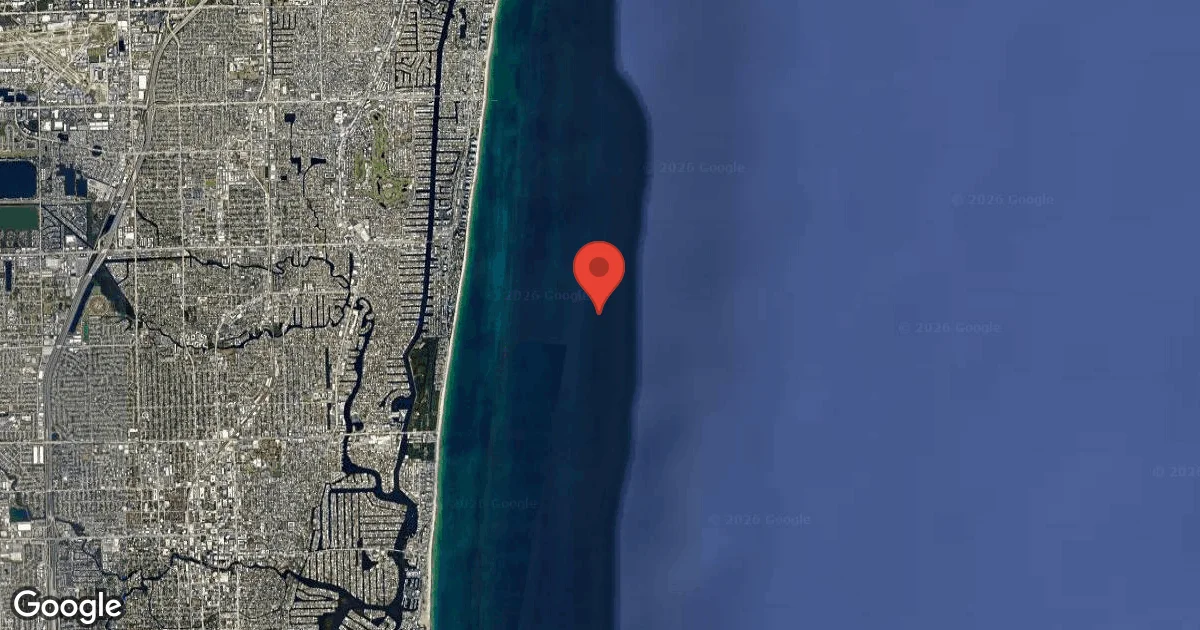
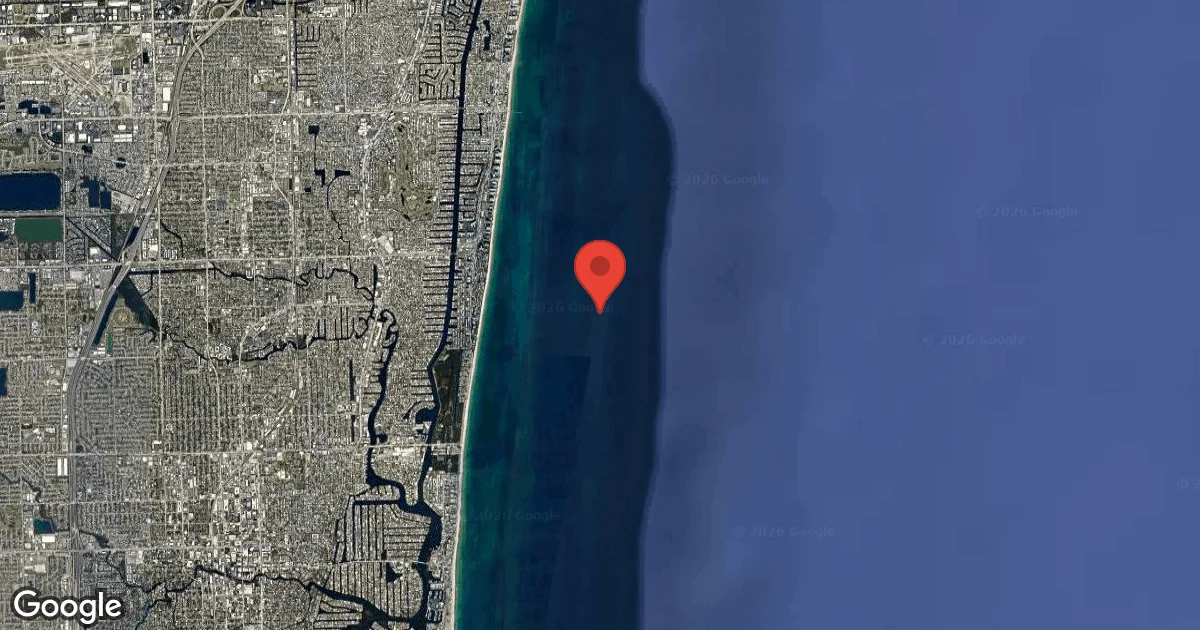
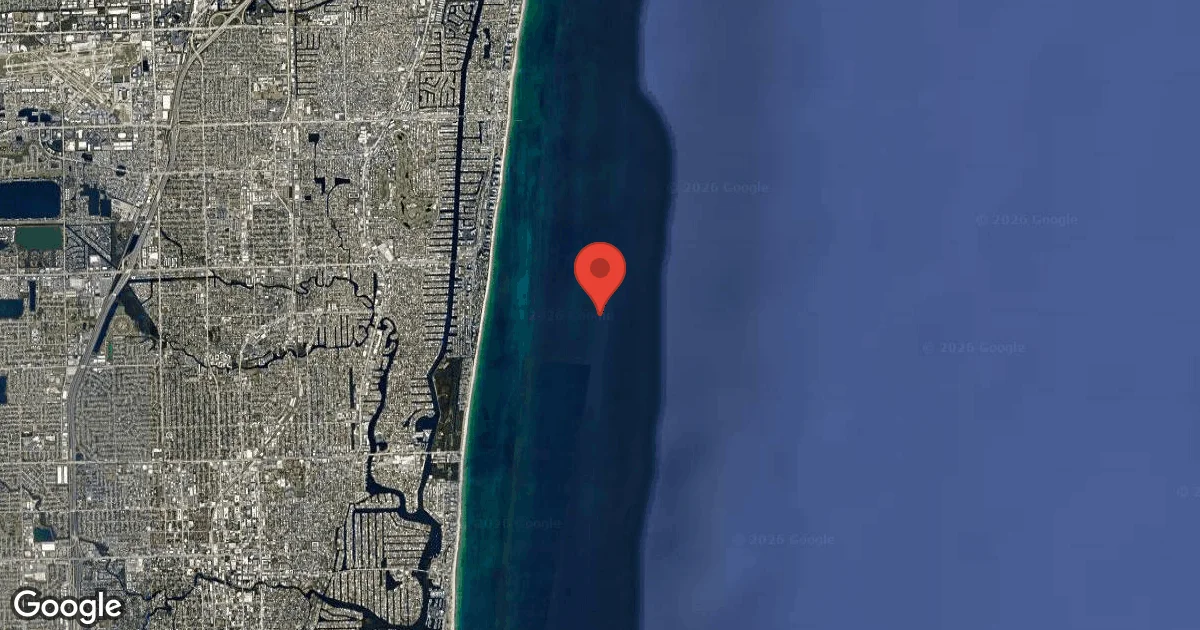
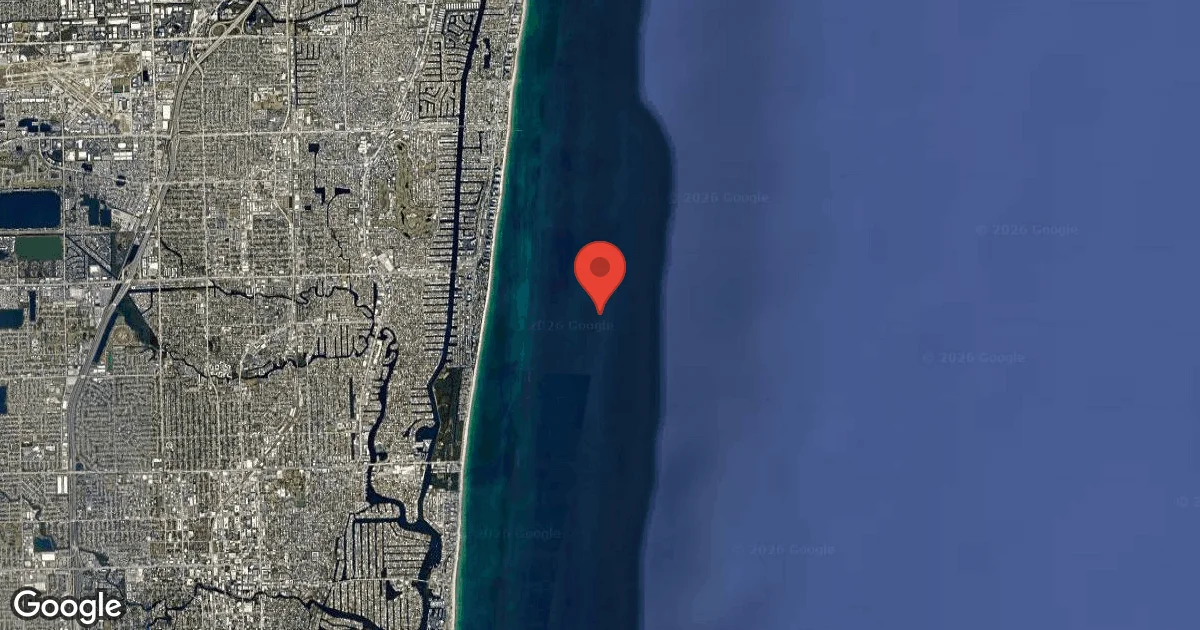
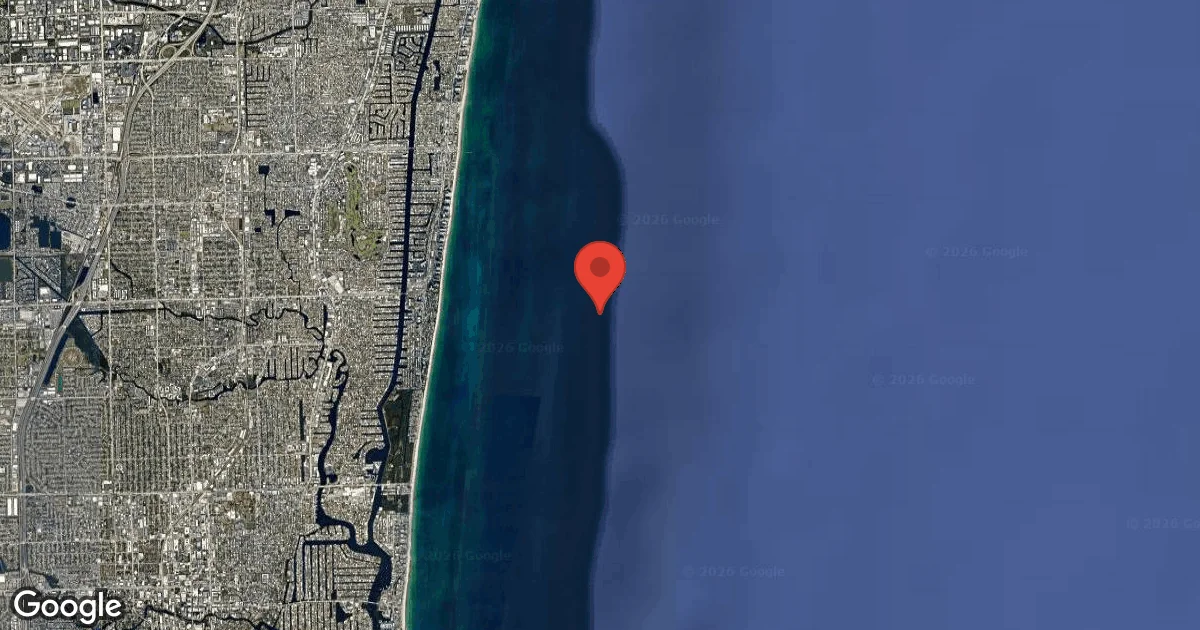
Dive Site Location & Key Facts
Dive Site Overview
The concept behind Eternal Reefs originated from observing the deterioration of natural reefs, inspiring a movement to create beneficial artificial habitats. Eternal Reef #33 is an integral component of a meticulously designed reef system, constructed from environmentally safe, marine-grade concrete reef balls.
These structures incorporate cremated remains, transforming a memorial into a vibrant foundation for new marine ecosystems. Over time, Mother Nature adopts these structures, integrating them into the natural reef system with significant ocean growth appearing within months. Each reef ball is engineered for long-term stability, with a documented track record of remaining in place even after direct impacts from major hurricanes.
These permanent additions to the marine environment help alleviate pressure on existing natural reefs, simultaneously providing a tangible, living memorial site accessible for families to visit and dive.
Conditions are Excellent
07:00 - 14:00
Optimal conditions expected
Current conditions near Eternal Reef #33 show 26° air, 31° sea temperature, 0.5 m waves, and 9 km/h wind. Forecast data is refreshed regularly to ensure accuracy.
Best Time to Dive
Planning a visit to Eternal Reef #33 depends on optimizing for comfortable conditions and calmer seas. The months from January through August generally present good to excellent diving opportunities, with July often seeing the most favorable scores. During these periods, average air temperatures range from 19.5-28°C (67-82°F), offering a pleasant surface interval experience. Rainfall tends to be lower from January to May, with monthly averages between 1.4-3.9 mm (0.05-0.15 in), while later summer months like June and September can see increased precipitation, reaching up to 10.3 mm (0.40 in). Wave heights are typically lower during summer, contributing to smoother boat rides and better underwater visibility, making late spring and summer a prime window for exploration.
PEAK SEASON SCORE
Scores combine air & water temps, waves, wind & rainfall for overall conditions.
BEST MONTHS TO DIVE
Monthly records compiled from satellite and marine observation nodes over the last 3 years. Data provided by Open-Meteo and MET Norway.
Dive Experience & Conditions
Exploring the structure of Eternal Reef #33 provides insight into its purposeful design as a marine habitat. Positioned on the ocean floor, these reef balls are typically within recreational diving depth limits, though specific depths vary by site. The structures themselves are robust; reef balls have a documented 30-year history of stability, showing no significant movement even after enduring Category 3, 4, and 5 hurricanes. While visibility depends on local currents and weather, the clear purpose of the artificial reef is evident underwater. Divers can expect to navigate around the various contours of the reef balls, observing how marine life has begun to colonize these new foundations. Strong currents are not consistently reported for this specific site, but local conditions can always influence the dive experience.
Dive Difficulty & Safety Guidelines
Safe diving at Eternal Reef #33 requires adherence to standard practices for artificial reef environments. Since these sites are open for public recreational use, maintaining proper buoyancy control is crucial to avoid disturbing the newly established growth on the reef balls. Divers receive GPS coordinates for their specific Eternal Reef, enabling precise navigation to the site.
Always dive within your certification limits and plan your dive, considering local conditions and boat traffic. Protecting the delicate marine ecosystem is paramount; divers should avoid touching or removing any part of the reef or its inhabitants.
Remember this site also serves as a memorial, warranting respectful interaction with the environment.
Recommended Equipment
- Dive Computer
This gear list is based on verified equipment signals for Eternal Reef #33, United States. Always confirm final gear choices with your dive operator, guide, or liveaboard.
Recommended Dive Suit
According to recent observations, water temperatures near Eternal Reef #33 are approximately 31°C (88°F). Surface air temperatures are resting at 26°C (80°F).
The forecast outlook suggests that temperatures will stay close to current levels.
Divers who prefer moderate insulation typically choose dive skin or rash guard in similar environments. A hood or vest is suggested for sensitive divers due to surface winds. Many experienced divers adjust their exposure protection depending on the type of dive planned.
Due to technical issues with our weather providers, data hasn't been fetched for over 48 hours. The data above reflects the conditions at the time of the last successful fetch.
Emergency & Medical Support
Essential information to help you plan your dive trip to Eternal Reef #33.

Hyperbaric chambers are a critical part of dive safety infrastructure. Availability varies significantly by region, and not all dive areas have immediate access.
Before diving, it's recommended to:
- confirm nearest medical facilities
- check emergency procedures with local dive operators
- ensure dive insurance covers evacuation if required
Divers Alert Network
Diving emergency assistance available through DAN World.
+1-919-684-9111- 24/7 emergency hotline
- Diving medical assistance
- Evacuation coordination
Emergency contacts are provided for reference. Always verify local emergency services before diving.
Marine Life at Eternal Reef #33
Marine life patterns at Eternal Reef #33 underscore the success of its ecological mission. These designed structures provide a nurturing environment, quickly assimilating into the natural ocean ecosystem.
Within months, significant natural growth appears, attracting various fish species and other forms of sea life. This rapid colonization highlights how the reef serves as a critical habitat.
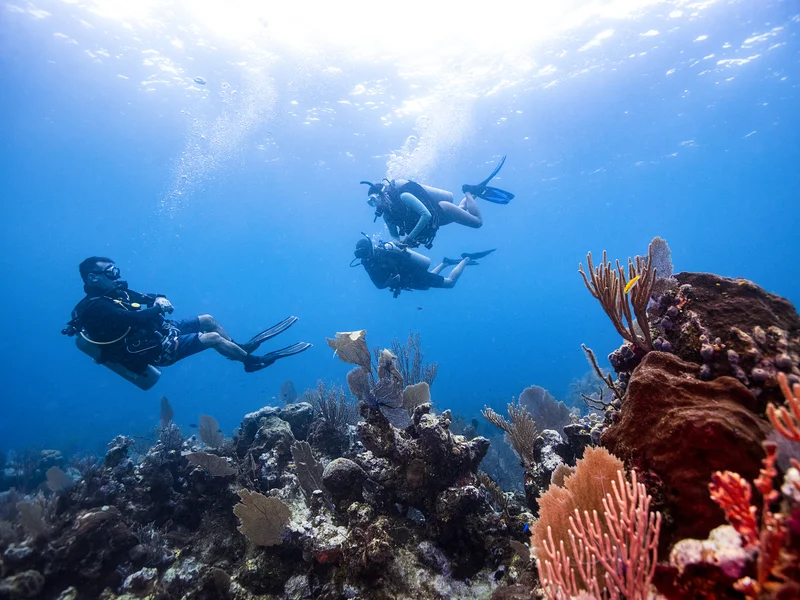
Divers can expect to observe juvenile fish seeking shelter among the reef balls, alongside an increasing diversity of invertebrates and crustaceans. As the reef matures, it continues to draw a wider array of marine organisms, contributing to the health and biodiversity of the local waters.
Dive Sites Near Eternal Reef #33
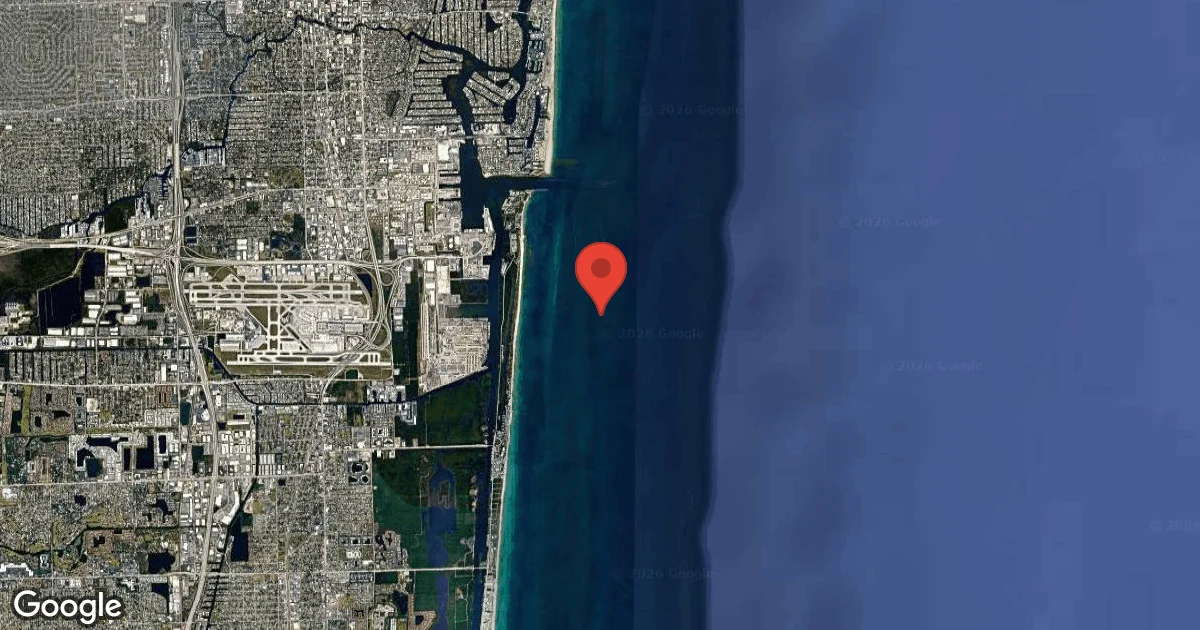
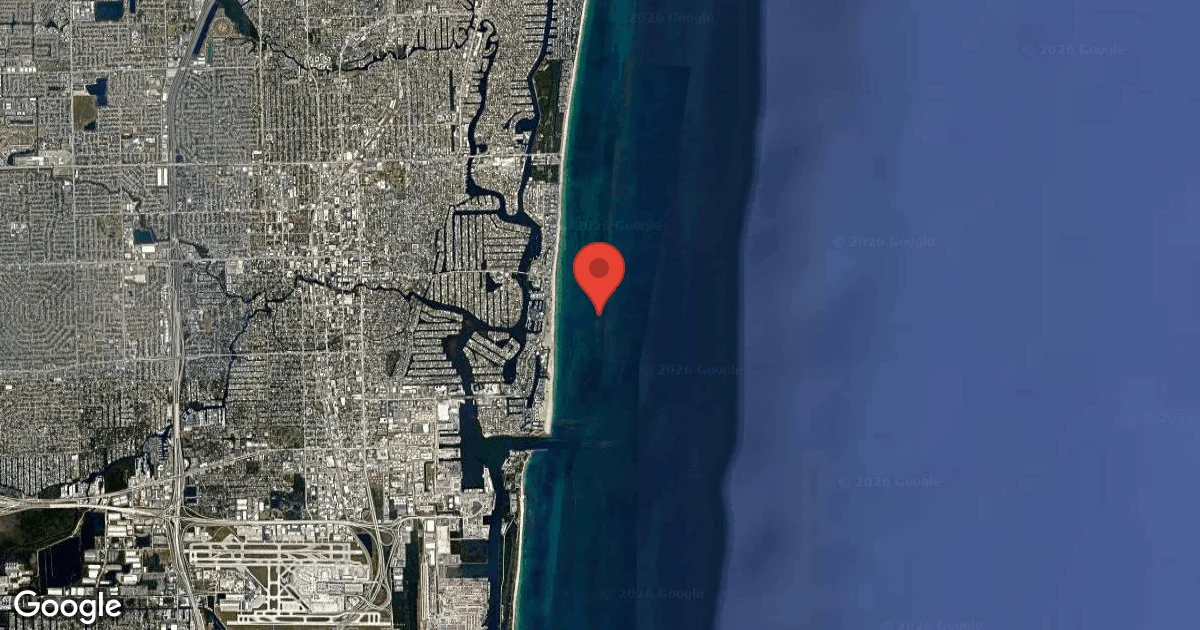
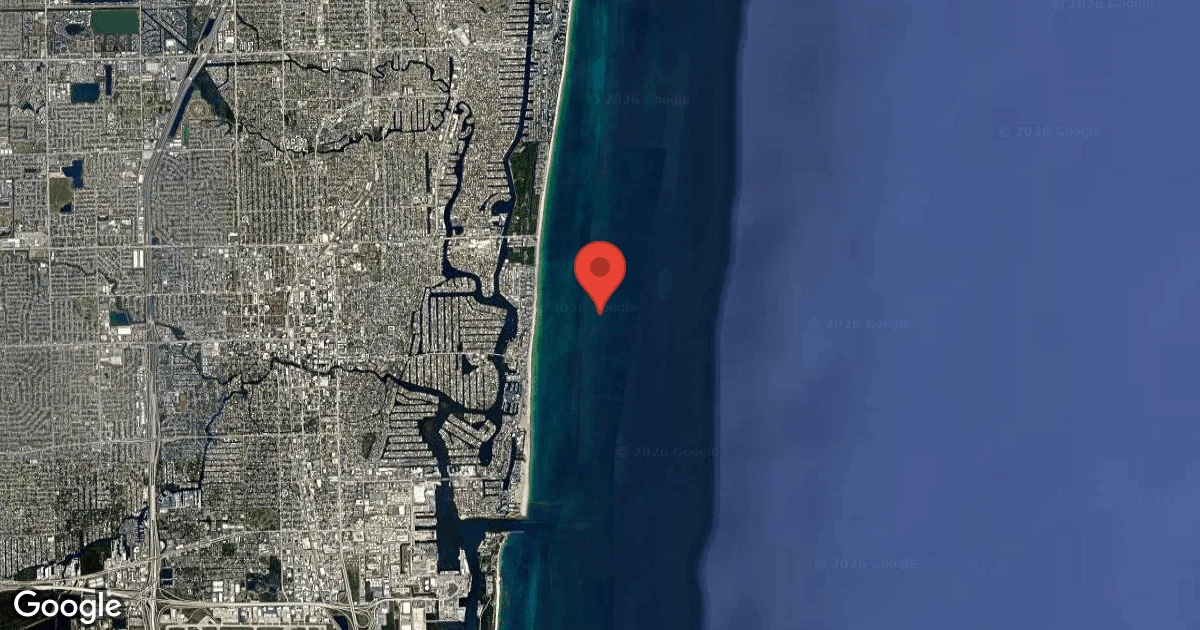
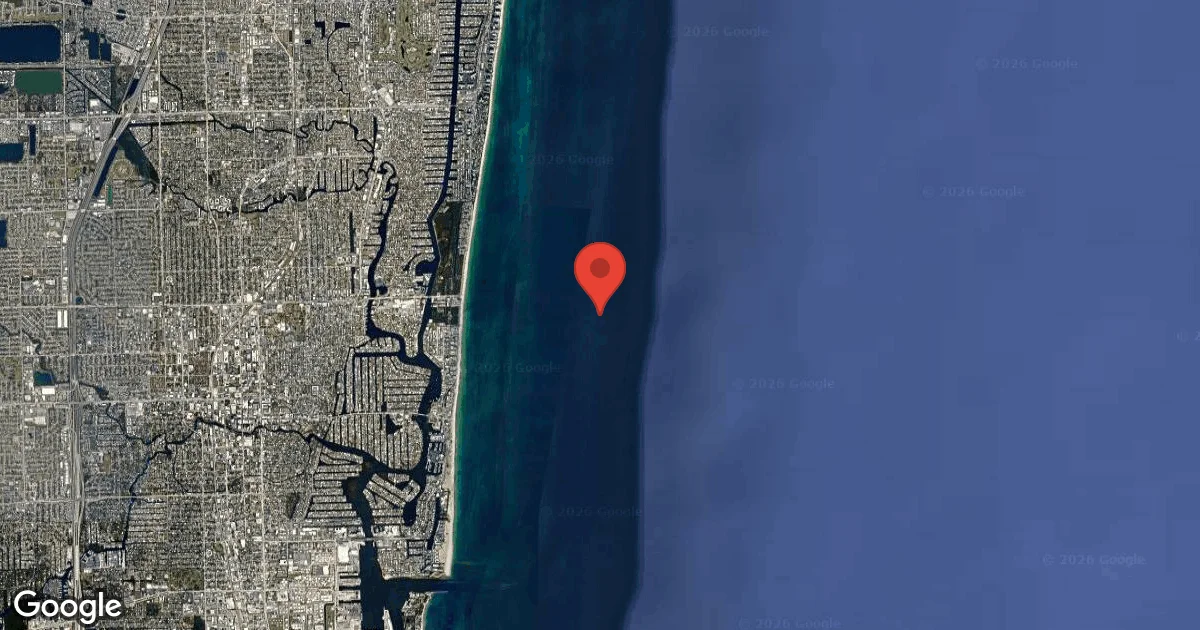
View all dive sites in United StatesDiscover more underwater gems in this area.
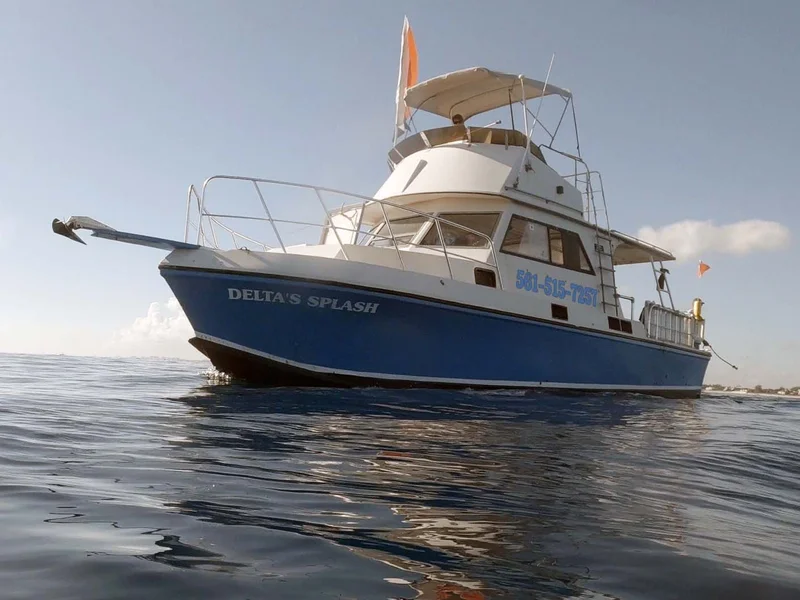
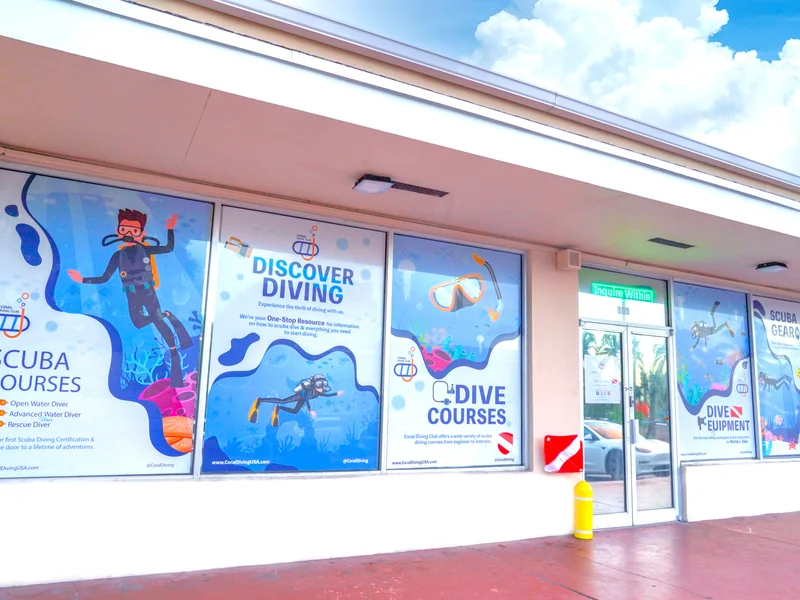
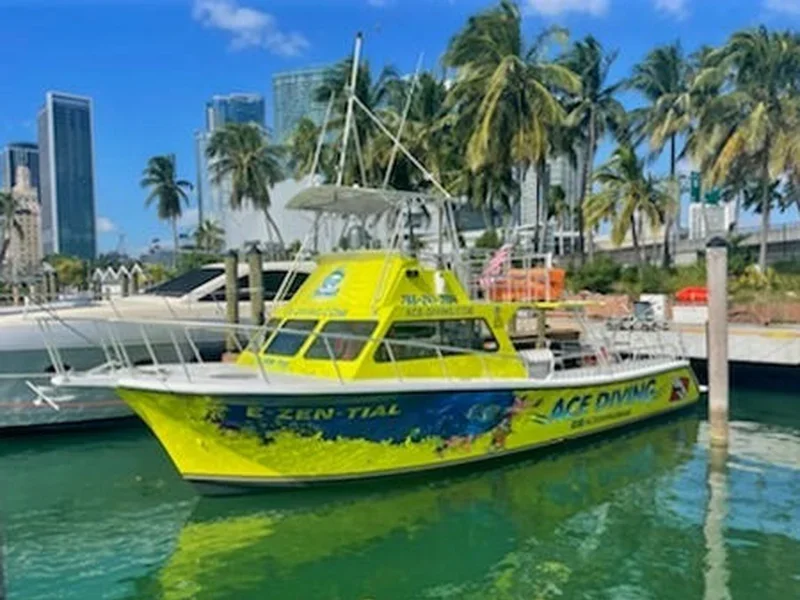
Dive Centers Near Eternal Reef #33
Today: 09:00 - 17:00
Nearest Airports
Nearest airports to help plan travel to this dive area.
Search Flights
Check available flights and routes on Expedia, using the nearby airports listed in this section.
Search Flights on Expedia
Plan Your Stay
Looking for a place to stay for your dive trip? Explore hotels, stays, and vacation rentals for dive groups near Golden Beach.
Dive Navigator may earn a commission from these links at no extra cost to you.
Frequently Asked Questions
What is an Eternal Reef?
An Eternal Reef is a permanent, environmentally safe, cast concrete structure that incorporates cremated remains. It's designed to create new marine habitats, combining cremation urns, ash scattering, and burial at sea into a living memorial.
Can I visit the location of an Eternal Reef?
Yes, Eternal Reefs are situated in public reef sites, making them accessible for fishing, diving, and other recreational uses. Families are provided with GPS coordinates to visit the specific memorial location whenever they choose.
Are Eternal Reefs stable in the marine environment?
Reef balls, which form Eternal Reefs, have over 30 years of documented stability. They have withstood direct hits from Category 3, 4, and 5 hurricanes without significant movement, demonstrating a proven track record.
How long will an Eternal Reef last?
Eternal Reefs are permanent additions to the marine environment. Significant natural ocean growth appears in just a few months, with the structures designed to last for centuries as part of the natural reef system.
How do Eternal Reefs create new marine habitats?
Made of marine-grade concrete, Eternal Reefs quickly assimilate into the ocean environment. They establish new foundations and intricate surfaces that attract and support various fish and other forms of sea life, becoming an integral part of the ecosystem.
Can Eternal Reefs be placed anywhere?
No, all Eternal Reef projects are established at permitted sites through federal, state, and local agencies. These locations are carefully chosen in areas with active artificial reef programs, often in vacation destinations with necessary marine infrastructure.
How do families know the location of a specific Eternal Reef?
Each Eternal Reef comes with two memorial certificates that include precise GPS coordinates (longitude and latitude). This ensures families can accurately locate and visit their loved one's memorial site.
Planning to dive Eternal Reef #33?
Send one inquiry and receive offers directly from the best verified local dive operators.
Conditions are Excellent
07:00 - 14:00
Optimal conditions expected
Current conditions near Eternal Reef #33 show 26° air, 31° sea temperature, 0.5 m waves, and 9 km/h wind. Forecast data is refreshed regularly to ensure accuracy.