
Diving at Hog Heaven (United States)
Hog Heaven, once a 180-foot barge, began its new life as an artificial reef in 1986, twisting into a vibrant underwater landscape after storms. This intentional sinking transformed the vessel into a complex dive site. Today, it serves as a cornerstone of Florida's Artificial Reef Program, now encrusted with decades of growth. Divers explore its intricate structures, finding both historical depth and a flourishing ecosystem.
Evening condition tracking at Hog Heaven features an air temperature of 26.5°C. We have recorded wave heights measuring 0.9 m during this period. These figures outline the environmental parameters currently present.
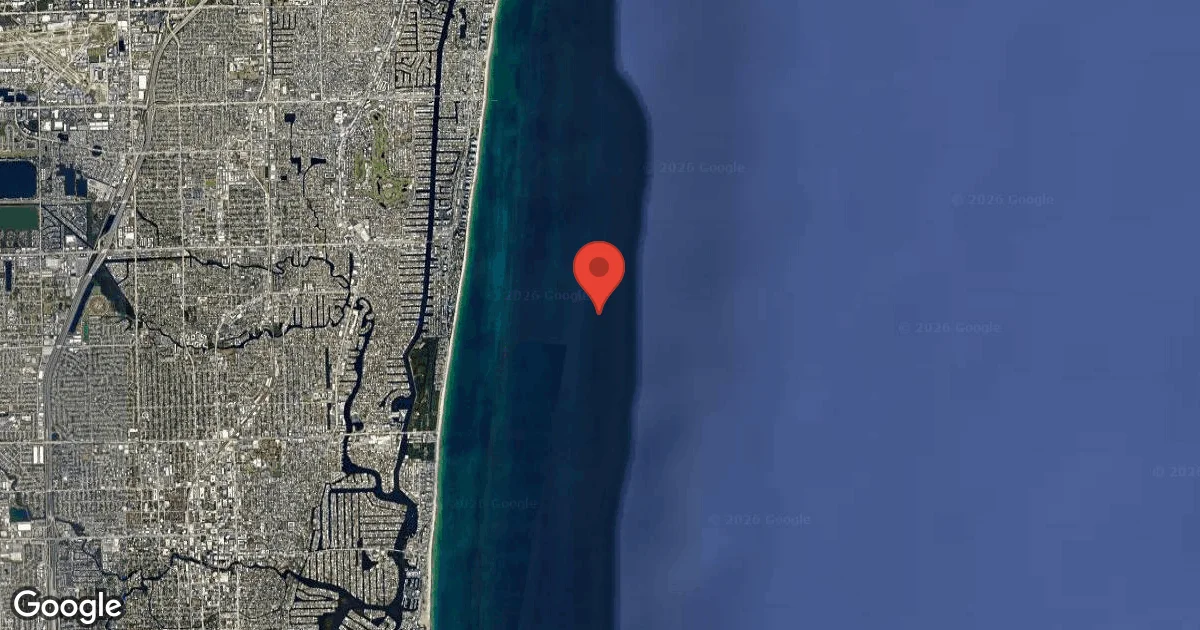
Dive Site Location & Key Facts
Dive Site Overview
Hog Heaven began its existence as an intentional sinking in September 1986, establishing a 180-foot barge as a core component of Florida's Artificial Reef Program. This significant structure, which includes elements like a dredge pipe, concrete bridge beams, culverts, I-beams from Interstate 595, an airplane wing, and a radio tower often called the 'jungle gym,' creates an elaborate underwater environment.
Another distinct structure, an older 70-foot wreck known as Duzaway or Old Houseboat, was also reefed in the area in 1987, further expanding the site's complexity. A less successful component nearby is the controversial tire reef, spanning approximately 36 acres, sunk in 1972 with the aim of fostering marine life; however, currents have continuously moved and damaged these tires, leading to ongoing removal efforts by the Department of Environmental Protection.
The primary wreck rests at depths ranging from 64 to 90 ft / 19.5 to 27.4 m, while a frequently paired second dive targets a shallower reef that bottoms out around 21 ft / 6 m.
Conditions are Excellent
07:00 - 14:00
Optimal conditions expected
Current conditions near Hog Heaven show 27° air, 31° sea temperature, 0.5 m waves, and 14 km/h wind. Forecast data is refreshed regularly to ensure accuracy.
Best Time to Dive
Planning a dive at Hog Heaven is generally rewarding throughout the year, with conditions varying subtly by season. For optimal experiences, consider July, which consistently scores as an excellent month with minimal wave heights averaging 0.4 m / 1.3 ft and lighter winds around 14.3 km/h / 8.9 mph. Air temperatures are pleasantly warm during this time, hovering near 28°C / 82°F. While rainfall can be a factor, particularly in late summer and early autumn, many months still offer good diving conditions, including May through September for calmer seas. Air temperatures typically range from 19.5°C to 28°C / 67-82°F annually. Water temperatures are not consistently reported but generally feel comfortable for diving.
PEAK SEASON SCORE
Scores combine air & water temps, waves, wind & rainfall for overall conditions.
BEST MONTHS TO DIVE
Monthly records compiled from satellite and marine observation nodes over the last 3 years. Data provided by Open-Meteo and MET Norway.
Dive Experience & Conditions
Descending upon Hog Heaven offers a rich sensory journey, revealing a large 180-foot barge now twisted by past storms, creating fascinating swim-throughs. The wreck is generously covered in coral and teeming with aquatic inhabitants. Beyond the main barge, divers will encounter scattered concrete culverts, I-beams, an airplane wing, and a distinctive radio tower referred to as the 'jungle gym.' Visibility typically allows for clear views of these structures, often making for excellent photo opportunities. While the wreck's structure is fragile and contains sharp, rusty metal edges, the site is open to Open Water certified divers for the shallower areas, but an Advanced Open Water certification is recommended for fully exploring the deeper wreck and its intricacies. Strong currents, particularly around the unstable tire reef area, can be present and may influence the dive. Many trips combine Hog Heaven with a drift dive on 'The Caves,' a nearby shallow reef perfect for newer divers and underwater photography.
Dive Difficulty & Safety Guidelines
Diving Hog Heaven requires careful consideration of its unique environment and structure. While Open Water divers can enjoy certain aspects of the site or the shallower adjacent reef, an Advanced Open Water Diver certification is highly recommended for exploring the main wreck due to its depth. Wreck penetration is possible, but extreme caution is advised; the structure is corroded, fragile, and features sharp, angled metal.
Divers contemplating entry should possess specialized training, such as a PADI Wreck Diver certification, as it's not necessary to penetrate the wreck to appreciate its abundant marine life. Be mindful of potential currents, especially when navigating around the more exposed sections of the site. A dive computer, dive flag, and a dive knife are practical safety accessories for this environment.
Recommended Equipment
Overhead / entanglement risk. Wreck penetration requires proper training.
- Dive Computer
- DSMB
- Primary & Backup Lights
- Wreck Reel
- Cutting Tool
This gear list is based on verified equipment signals for Hog Heaven, United States. Always confirm final gear choices with your dive operator, guide, or liveaboard.
Recommended Dive Suit
For divers planning standard recreational dives, dive skin or rash guard is usually a suitable option. A hood or vest is suggested for sensitive divers due to surface winds. Divers vary widely in how quickly they feel cold underwater.
At the moment, divers exploring Hog Heaven will likely experience water temperatures near 31°C (87°F). Surface air temperatures are resting at 27°C (80°F).
The upcoming forecast points to generally steady conditions in the area.
Due to technical issues with our weather providers, live updates are temporarily delayed. The data above reflects the conditions at the time of the last successful fetch.
Emergency & Medical Support
Essential information to help you plan your dive trip to Hog Heaven.

Hyperbaric chambers are a critical part of dive safety infrastructure. Availability varies significantly by region, and not all dive areas have immediate access.
Before diving, it's recommended to:
- confirm nearest medical facilities
- check emergency procedures with local dive operators
- ensure dive insurance covers evacuation if required
Divers Alert Network
Diving emergency assistance available through DAN World.
+1-919-684-9111- 24/7 emergency hotline
- Diving medical assistance
- Evacuation coordination
Emergency contacts are provided for reference. Always verify local emergency services before diving.
Marine Life at Hog Heaven
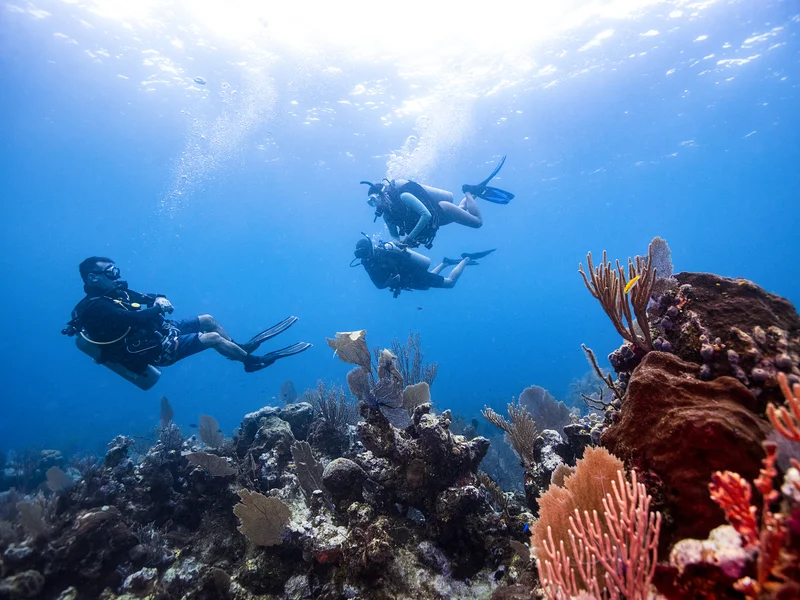
The underwater landscape of Hog Heaven pulsates with life, largely due to its role as an artificial reef. Hard and soft corals densely cover the wreck's surfaces, attracting diverse species.
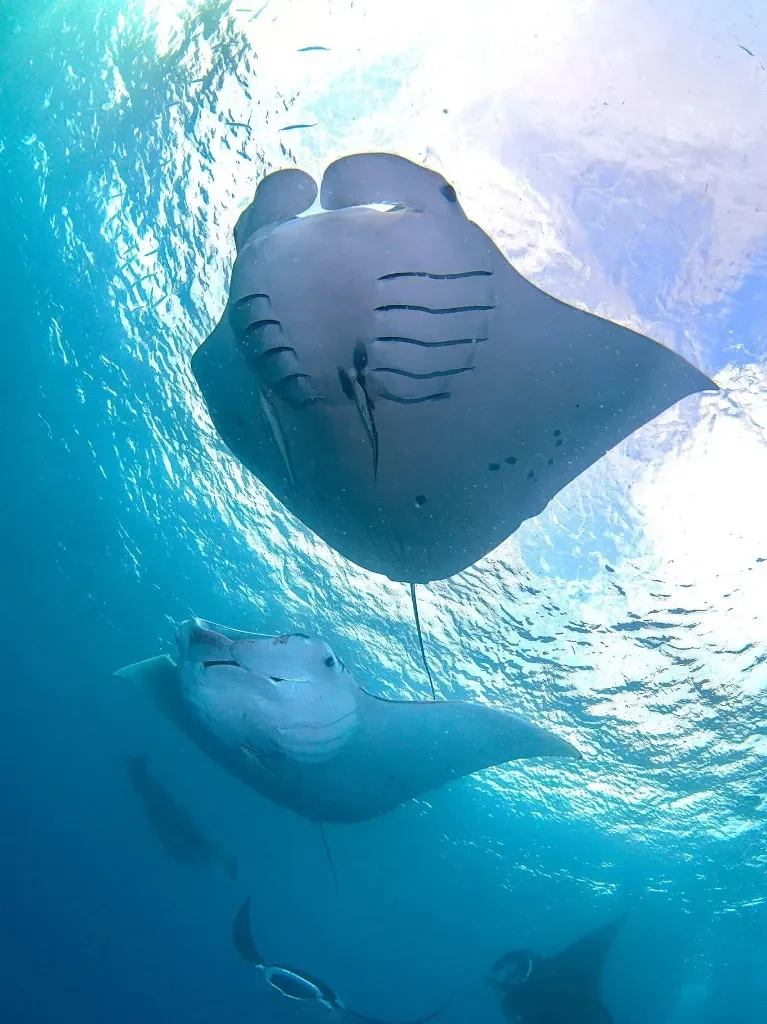
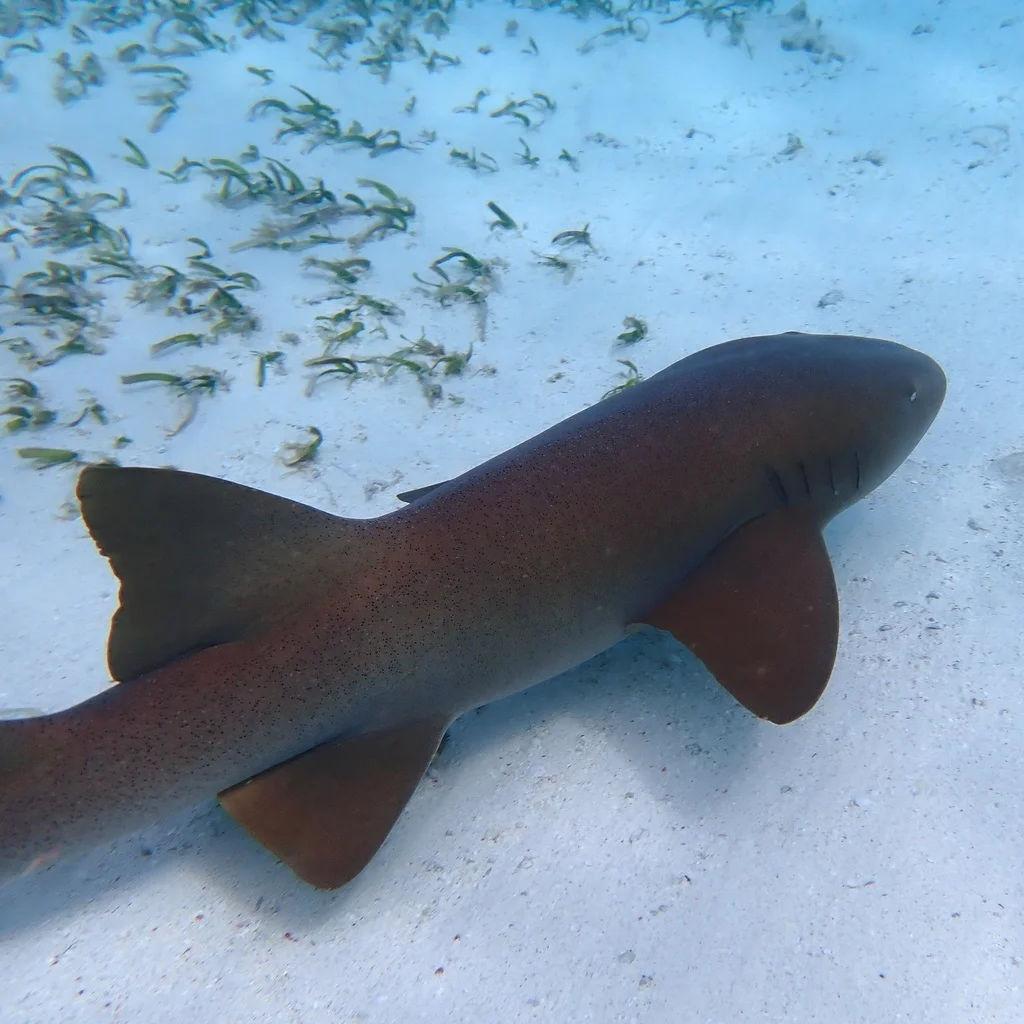
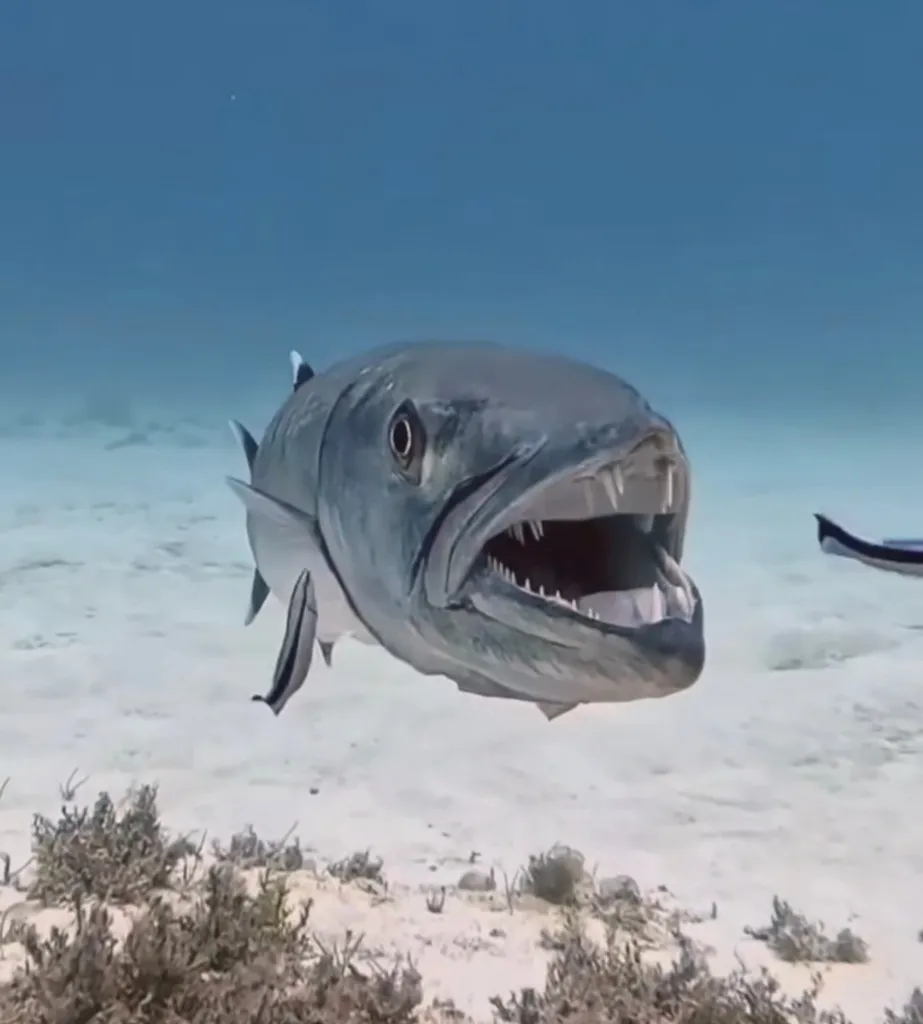
Divers frequently encounter schools of large barracuda, abundant hogfish (lending the wreck its name), and various baitfish. Look for larger creatures like goliath groupers, manta rays, and nurse sharks, often patrolling the deeper sections.
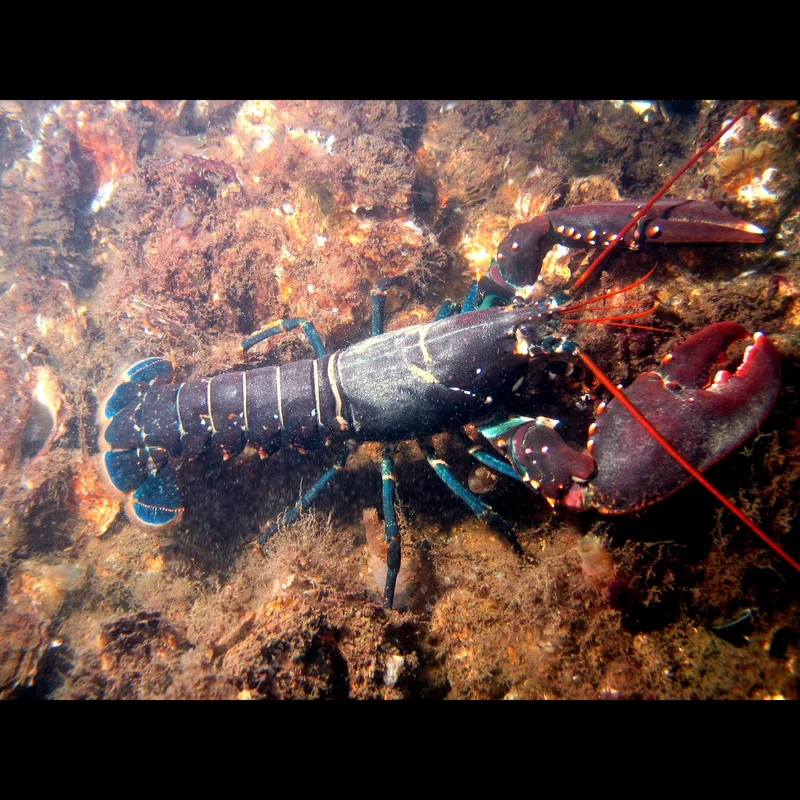
Encounters with green sea turtles and cobia are also reported. Closer inspection of the wreck's encrusted surfaces often reveals porcupinefish, vibrant flamingo tongues, lobsters tucked into crevices, and delicate Christmas tree worms.
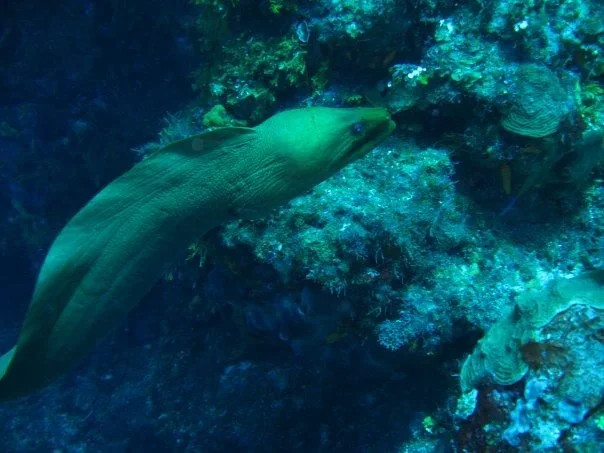
Moray eels, including the purplemouth variety, are also commonly observed peeking from their sheltered spots within the structures.
Dive Sites Near Hog Heaven
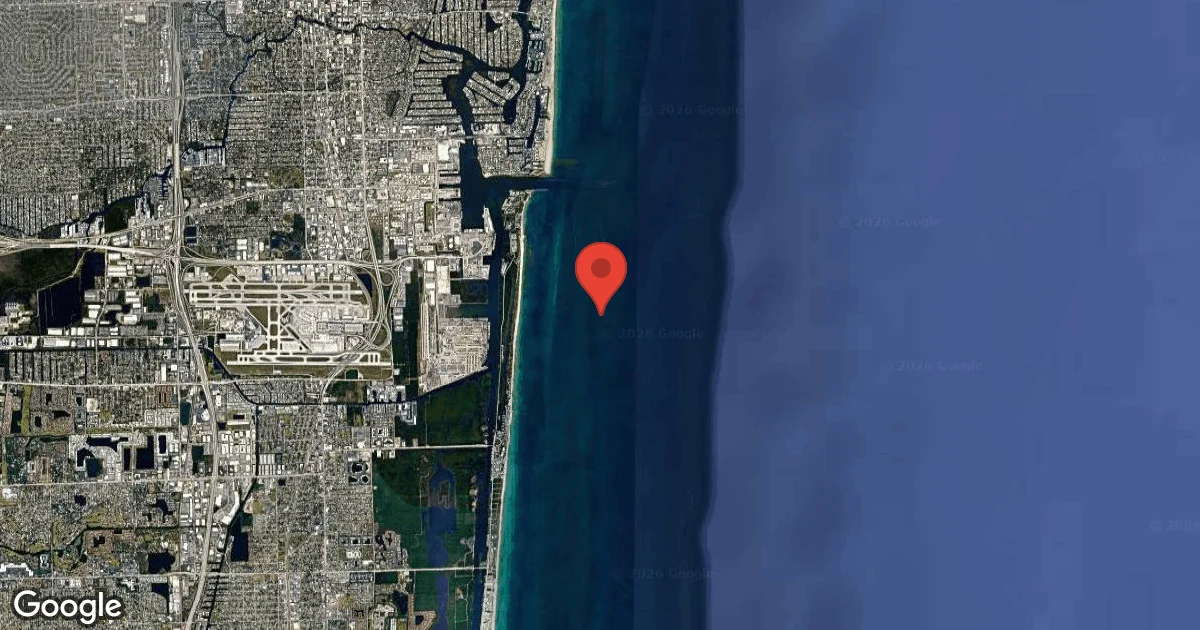
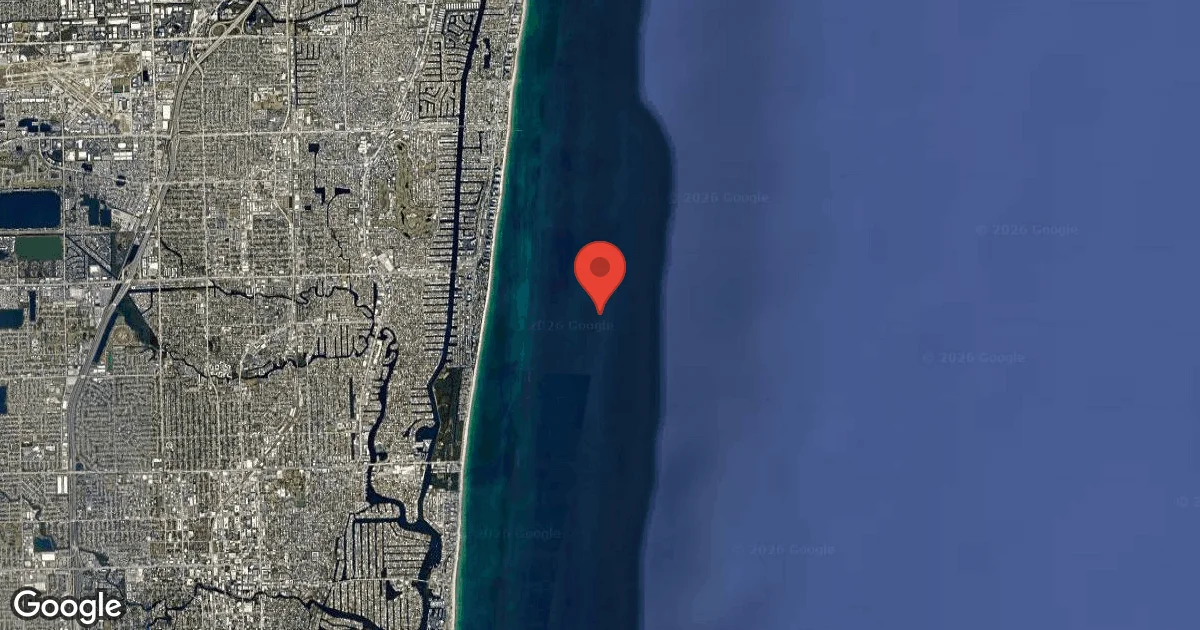
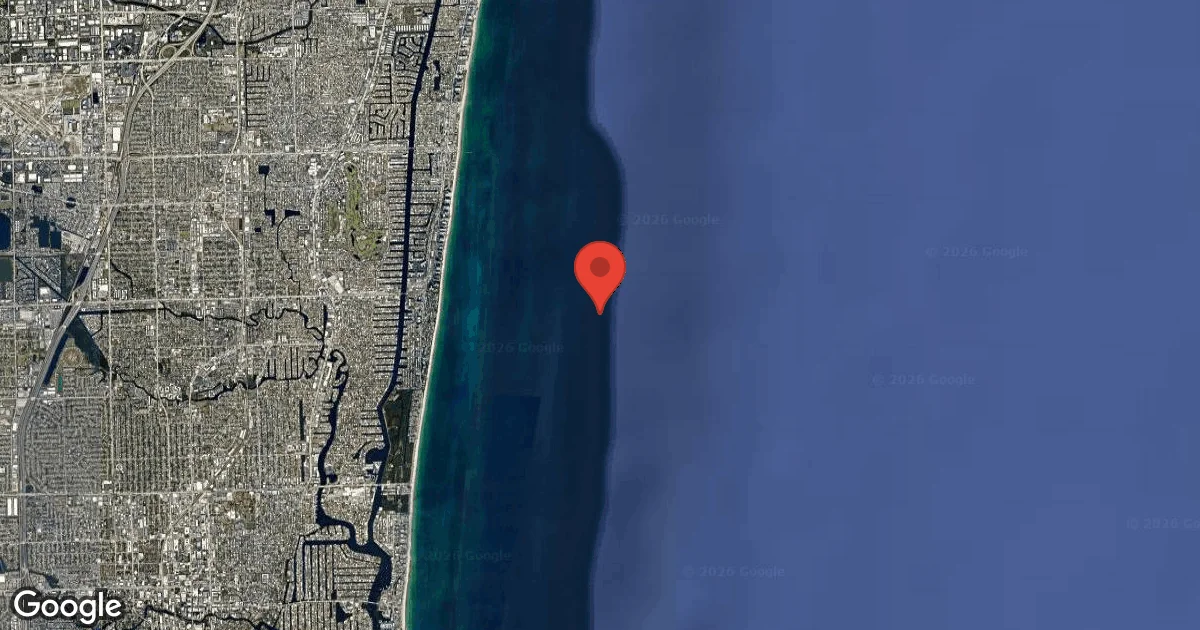
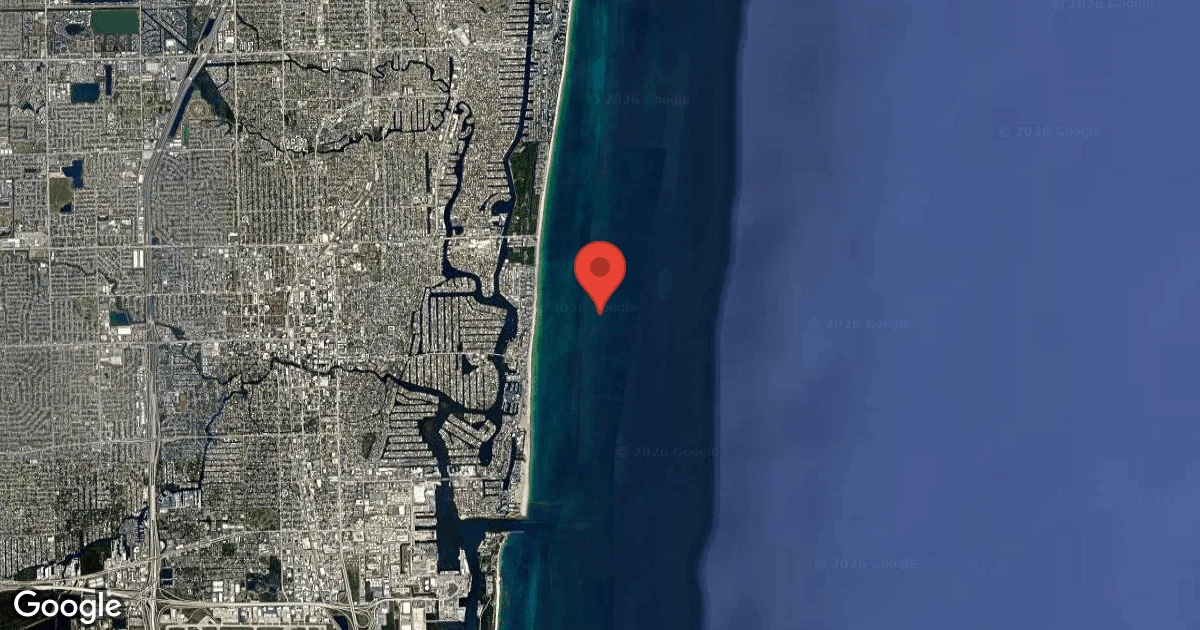
View all dive sites in United StatesDiscover more underwater gems in this area.
Dive Centers Near Hog Heaven
Today: 09:00 - 17:00
Nearest Airports
Nearest airports to help plan travel to this dive area.
Search Flights
Check available flights and routes on Expedia, using the nearby airports listed in this section.
Search Flights on Expedia
Plan Your Stay
Looking for a place to stay for your dive trip? Explore hotels, stays, and vacation rentals for dive groups near Sunrise.
Dive Navigator may earn a commission from these links at no extra cost to you.
Frequently Asked Questions
What is the primary feature of the Hog Heaven dive site?
Hog Heaven primarily features a 180-foot barge that was intentionally sunk in 1986 as part of an artificial reef program. This main structure is complemented by other elements like a 70-foot wreck, concrete beams, and an airplane wing, creating a complex dive environment.
What are the typical depths at Hog Heaven?
The main wreck typically lies at depths between 64 and 90 feet / 19.5 and 27.4 meters. Dive operators often pair this with a second dive on a shallower reef, 'The Caves,' which reaches a maximum depth of around 21 feet / 6 meters.
What dive certification level is recommended for Hog Heaven?
An Advanced Open Water Diver certification is recommended for exploring the deeper sections and the full scope of the main wreck. Open Water divers can still enjoy shallower portions of the site or the adjacent reef.
Is wreck penetration safe at Hog Heaven?
Wreck penetration is possible but comes with significant risks due to the fragile and corroded structure, including sharp metal edges. Specialized training, such as a PADI Wreck Diver certification, is strongly advised if considering penetration, though it's not necessary to enjoy the site.
What marine life can I expect to see at Hog Heaven?
The site is home to diverse marine life, including schools of barracuda and hogfish, goliath groupers, manta rays, turtles, cobia, and nurse sharks. You might also spot porcupinefish, flamingo tongues, lobsters, and moray eels on and around the wreck structures.
What's the best time of year to dive Hog Heaven?
July typically offers the most favorable conditions, with minimal waves and lighter winds. However, the site provides good diving opportunities throughout most of the year, with pleasant air temperatures ranging from 19.5°C to 28°C / 67-82°F.
Planning to dive Hog Heaven?
Send one inquiry and receive offers directly from the best verified local dive operators.
Conditions are Excellent
07:00 - 14:00
Optimal conditions expected
Current conditions near Hog Heaven show 27° air, 31° sea temperature, 0.5 m waves, and 14 km/h wind. Forecast data is refreshed regularly to ensure accuracy.