
Diving at Mercedes I (United States)
Mercedes I wreck presents an exciting challenge for advanced divers exploring Fort Lauderdale's offshore sites. Resting at a maximum depth of 30 m (97 ft), this freighter is not intact; its twisted, collapsed structure requires careful navigation. Successfully exploring the site demands an Advanced Open Water certification or equivalent experience due to its complexity and potential hazards.
Tonight's objective overview for Mercedes I shows an air temperature of 26°C. The measured surface conditions include wave heights around 0.5 m. This environmental data is logged for the close of the day.
Dive Site Location & Key Facts
Dive Site Overview
Built in 1952 in Hamburg, Germany, the freighter Mercedes I started as Jacob Rusch, later sailing under Rosita Maria and Rita Voge, before its final renaming in 1976. This 60-meter (197-foot) Venezuelan cargo ship captured international attention on November 23, 1984, when a powerful storm tore it from its anchor, leaving it stranded against a Palm Beach seawall.
A substantial three-month, $223,000 salvage operation followed to remove the vessel from shore, then it was purposefully sunk as an artificial reef off Fort Lauderdale on March 30, 1985. Today, wreckage lies twisted into two large pieces, presenting divers with gaping holes and an intricate environment to explore. Its midship section is largely collapsed, yet certain features persist.
Remnants of gasoline truck bodies, for example, form complex swim-throughs and specific points of interest for experienced divers navigating the site's environment. Exploring the various decks and cargo holds offers a tangible connection to the ship's dramatic past.
Conditions are Good
07:00 - 14:00
Optimal conditions expected
Current conditions near Mercedes I show 26° air, 31° sea temperature, 0.5 m waves, and 17 km/h wind. Forecast data is refreshed regularly to ensure accuracy.
Best Time to Dive
Optimizing visibility at Mercedes I depends significantly on seasonal conditions. Generally, calmer sea states, often coinciding with months experiencing lower average wave heights, tend to improve underwater clarity. July frequently offers excellent dive scores, with average wave heights around 0.4 m (1.3 ft), indicating favorable conditions for visibility. Air temperatures remain consistently warm throughout much of the year, ranging from 19.5°C (67°F) in January to highs of 28°C (82°F) in July and August. While rainfall patterns vary, July and September typically register higher precipitation, which can temporarily impact offshore visibility, though shorter afternoon showers are quite common. Divers planning an outing here should aim for periods with stable weather to experience optimal conditions at the wreck site.
PEAK SEASON SCORE
Scores combine air & water temps, waves, wind & rainfall for overall conditions.
BEST MONTHS TO DIVE
Monthly records compiled from satellite and marine observation nodes over the last 3 years. Data provided by Open-Meteo and MET Norway.
Dive Experience & Conditions
Diving Mercedes I typically involves encountering limited current, which aids in maintaining the reported average visibility of 20 m (65 ft). Actual conditions can range from 10 to 30 m (33 to 100 ft), depending on recent weather and oceanic dynamics. Water temperature data isn't consistently reported, but surface conditions often mirror air temperatures. The wreck's maximum depth of 30 m (97 ft) places it within advanced recreational diving limits. Due to site complexity and depth, an Advanced Open Water certification or equivalent experience is the minimum recommended skill level. Navigating collapsed sections and sharp edges demands careful buoyancy and situational awareness.
Dive Difficulty & Safety Guidelines
Exploring Mercedes I necessitates prudent safety planning. Its significantly damaged state, featuring large collapsed sections and hull portions ripped loose and scattered, presents potential entanglement hazards. Penetration diving here is considered tricky and carries a high risk of entanglement.
Divers should always maintain appropriate buoyancy control and be acutely aware of their surroundings to avoid accidental contact with sharp or unstable wreckage. Surface warnings indicate pleasure boats can pass over the site, requiring dive flags and careful ascent procedures. These measures ensure diver safety at the surface.
Recommended Equipment
Overhead / entanglement risk. Wreck penetration requires proper training.
- Dive Computer
- DSMB
- Primary & Backup Lights
- Wreck Reel
- Cutting Tool
This gear list is based on verified equipment signals for Mercedes I, United States. Always confirm final gear choices with your dive operator, guide, or liveaboard.
Recommended Dive Suit
Exposure protection is partly a personal preference.
Dive skin or rash guard typically provides a reliable level of thermal protection for dives here. Environmental conditions are expected to remain consistent in the short-term outlook.
Current temperature readings suggest that the water at Mercedes I is around 31°C (87°F). Surface air temperatures are resting at 26°C (79°F).
Emergency & Medical Support
Essential information to help you plan your dive trip to Mercedes I.

Hyperbaric chambers are a critical part of dive safety infrastructure. Availability varies significantly by region, and not all dive areas have immediate access.
Before diving, it's recommended to:
- confirm nearest medical facilities
- check emergency procedures with local dive operators
- ensure dive insurance covers evacuation if required
Divers Alert Network
Diving emergency assistance available through DAN World.
+1-919-684-9111- 24/7 emergency hotline
- Diving medical assistance
- Evacuation coordination
Emergency contacts are provided for reference. Always verify local emergency services before diving.
Marine Life at Mercedes I
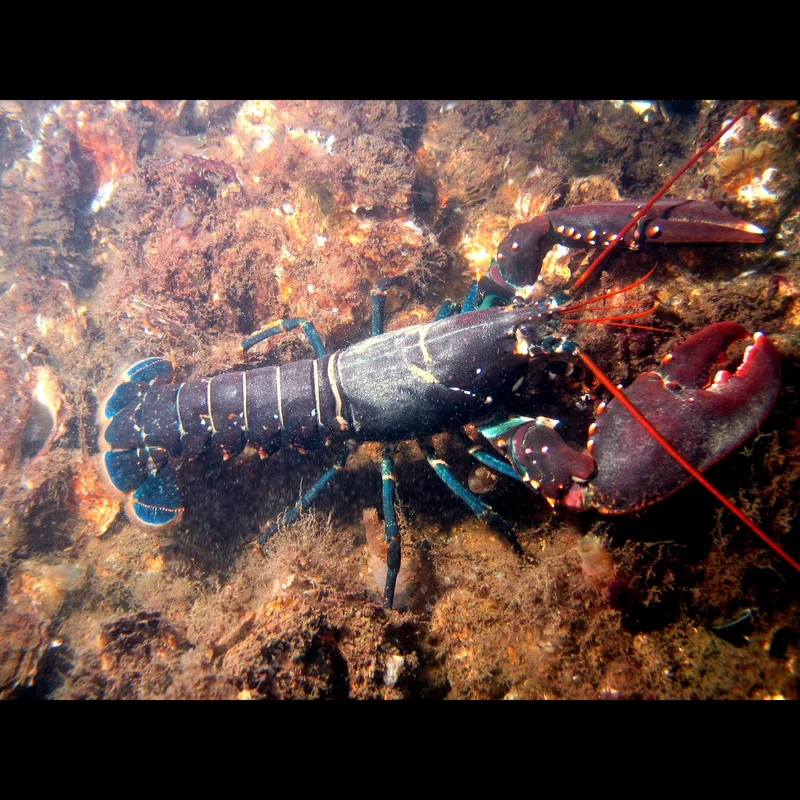
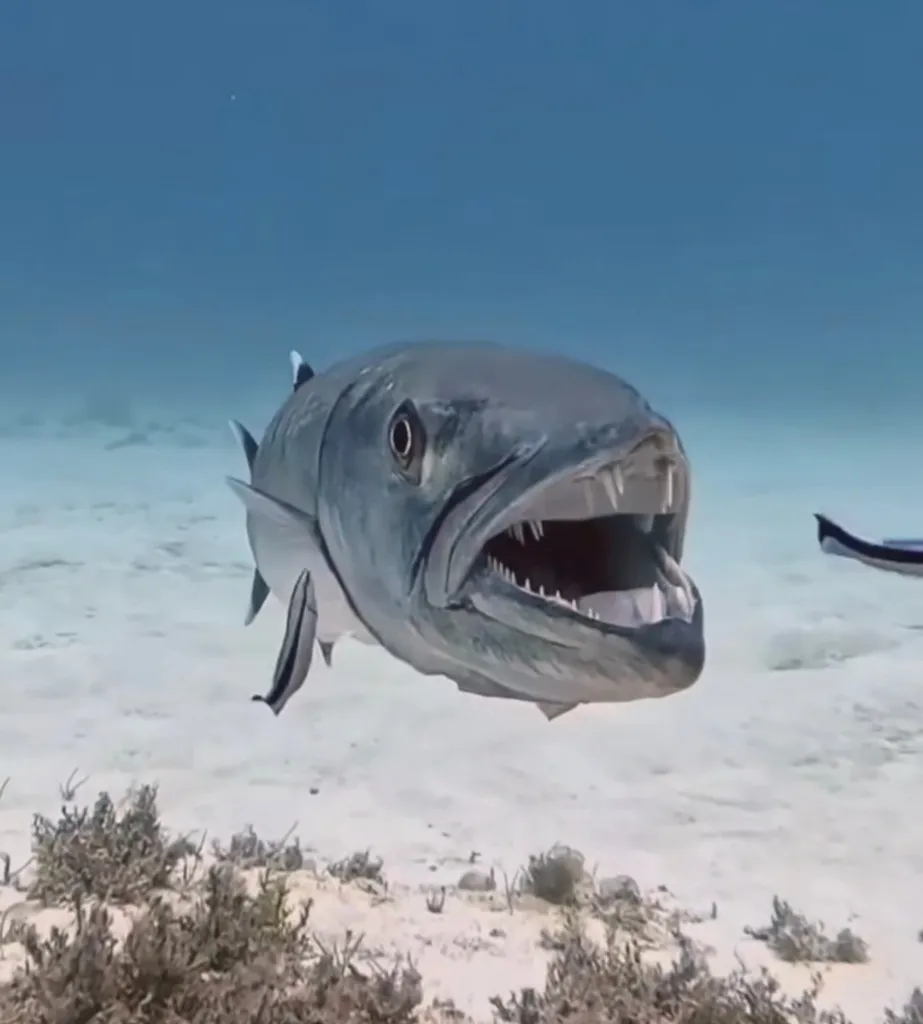
Mercedes I, despite its damaged structure, serves as a productive habitat, acting as a substantial fish haven. Divers often observe barracuda patrolling its structure and can spot lobsters utilizing its many crevices for shelter.
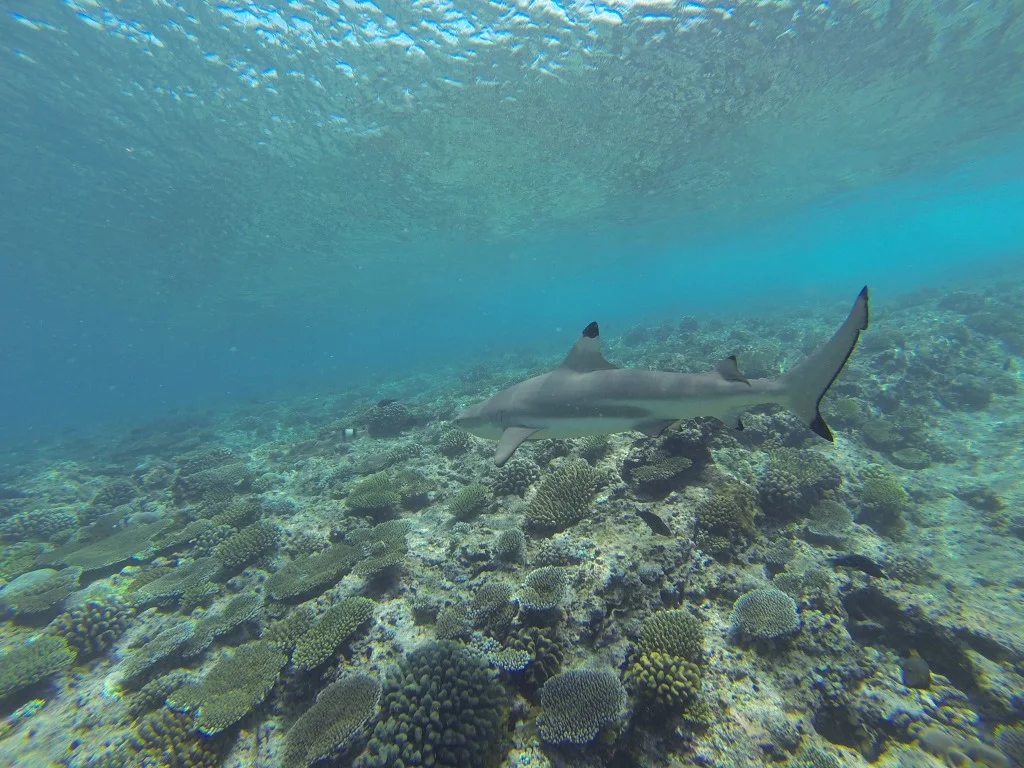
While not guaranteed, the area also sees occasional sightings of sharks, whales, dolphins, and turtles. These larger marine visitors add to the potential encounters during a dive, making each exploration potentially unique.
Dive Sites Near Mercedes I
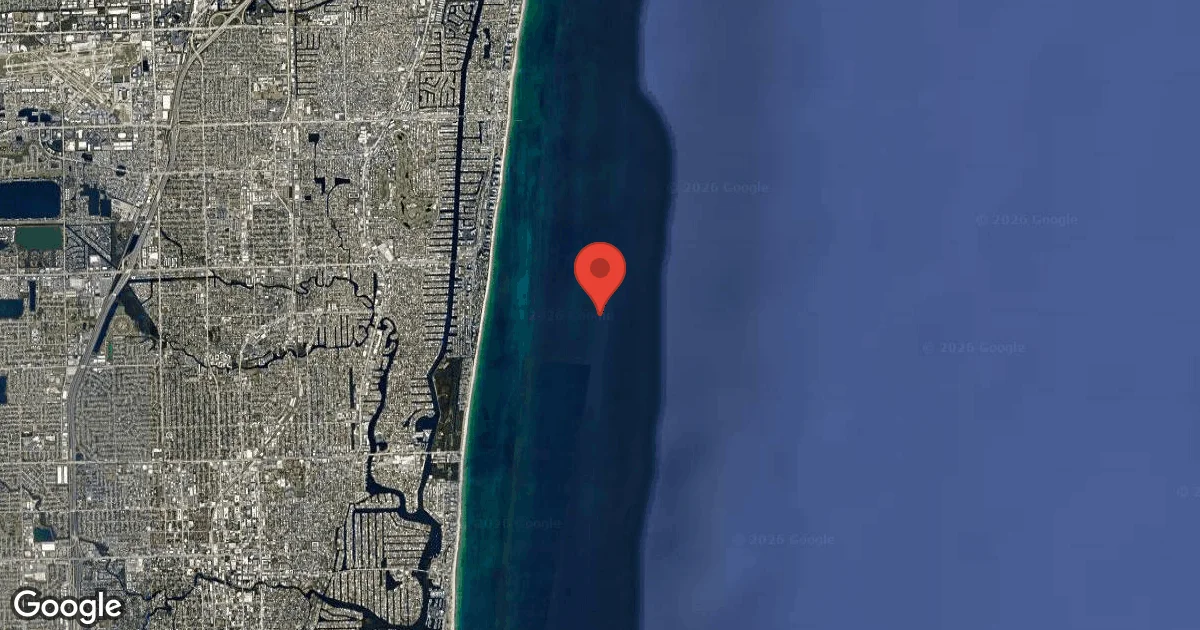
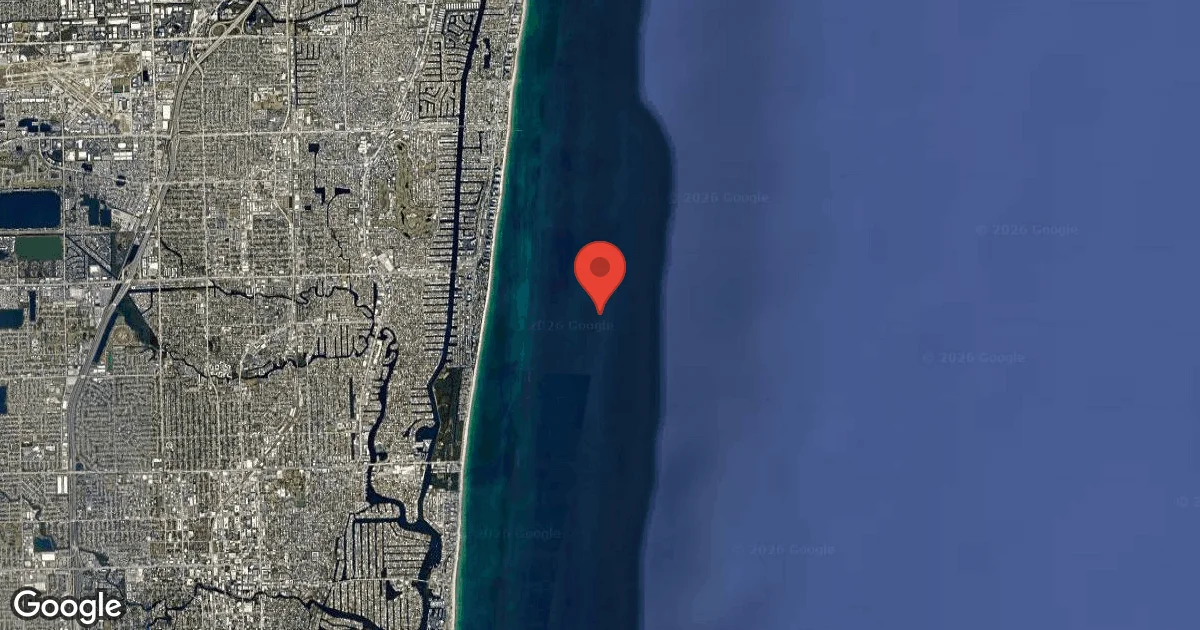
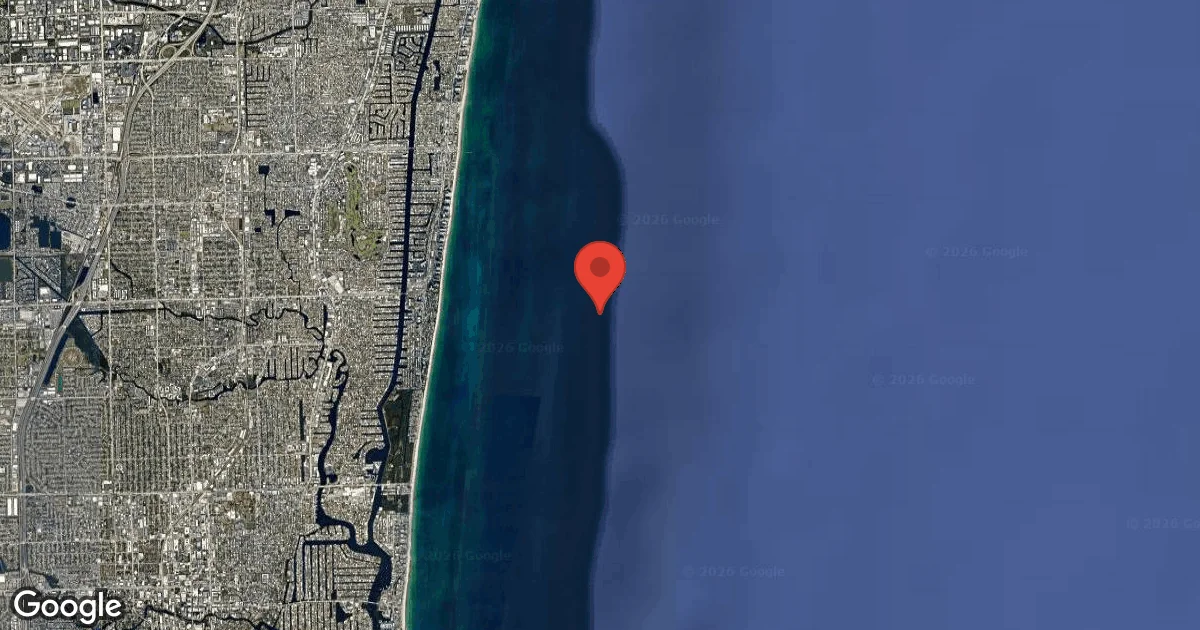
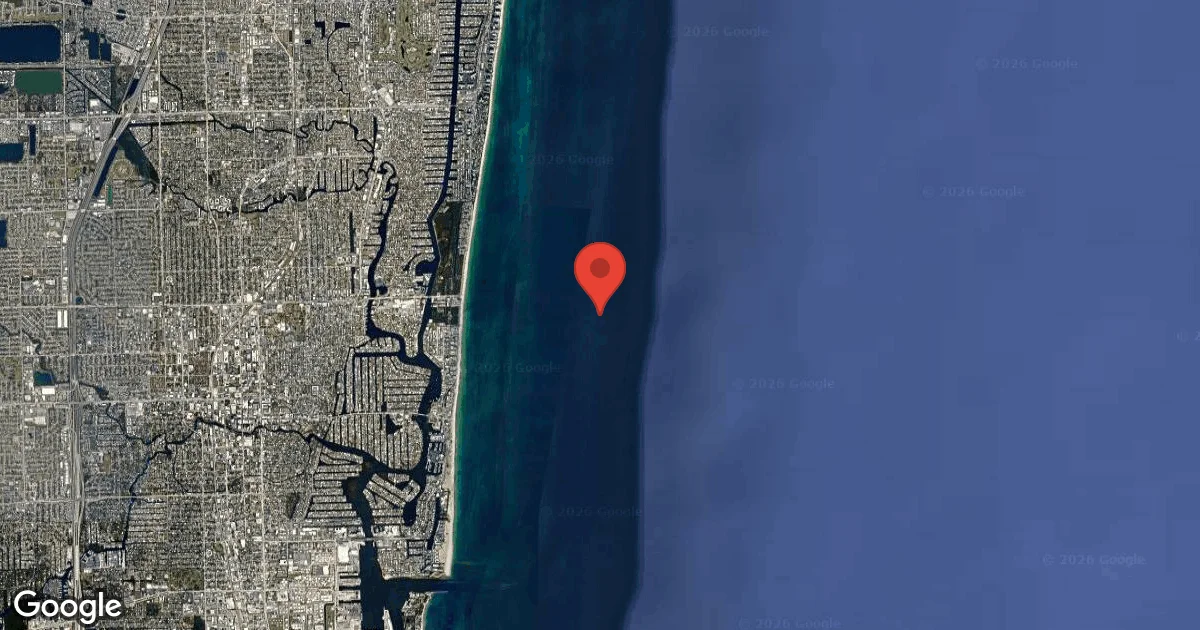
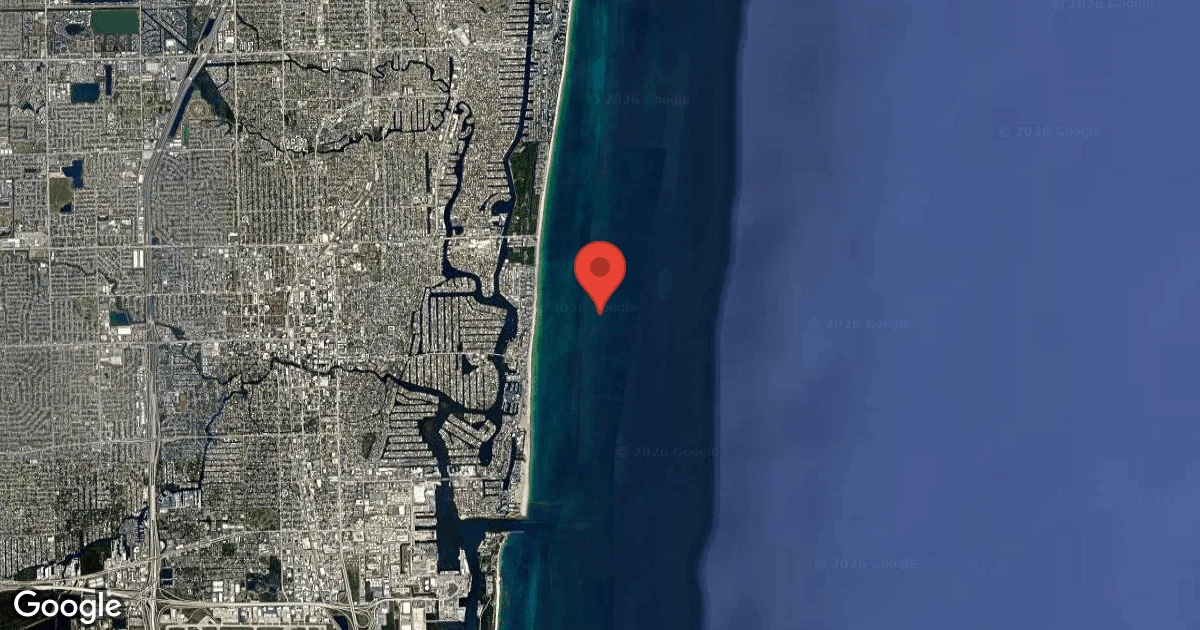
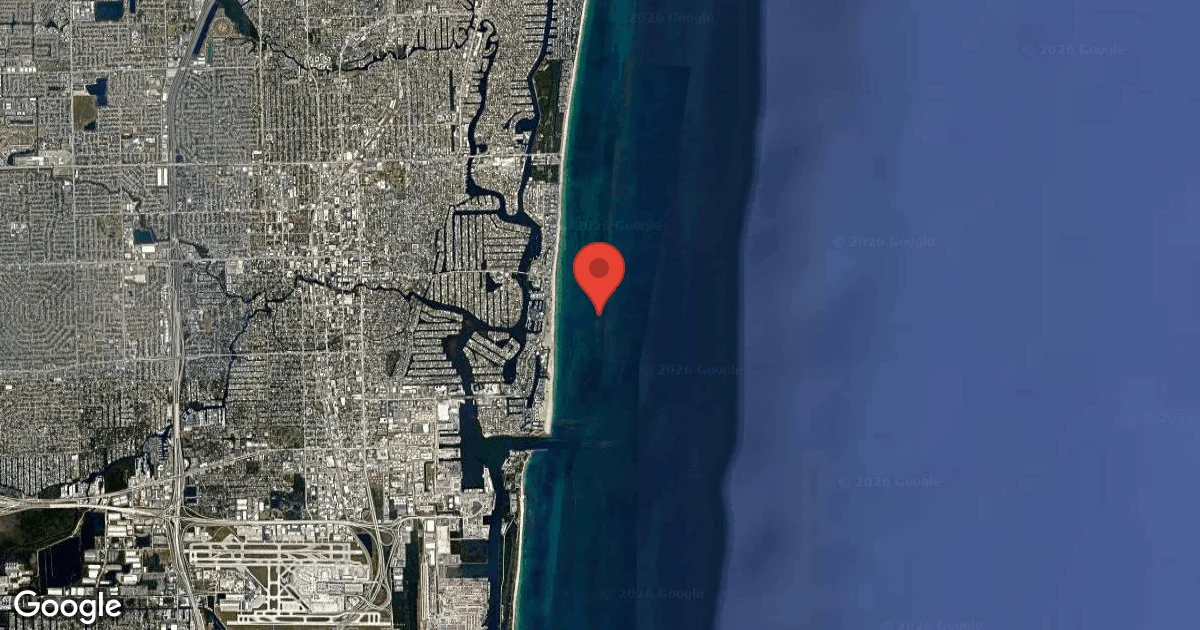
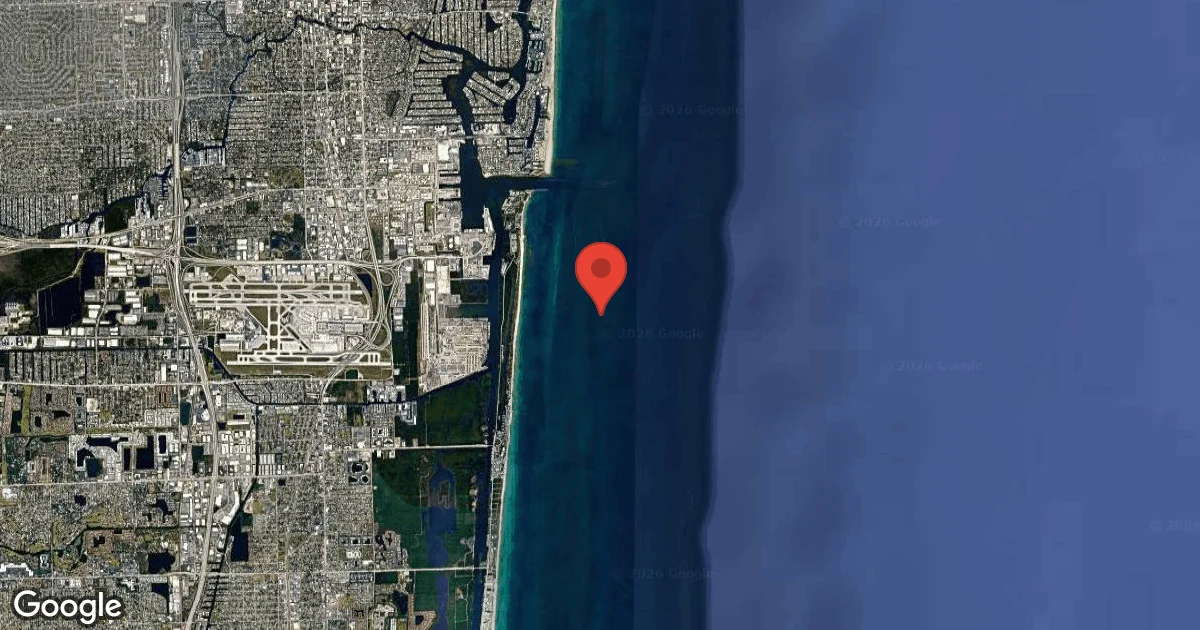
View all dive sites in United StatesDiscover more underwater gems in this area.
Dive Centers Near Mercedes I
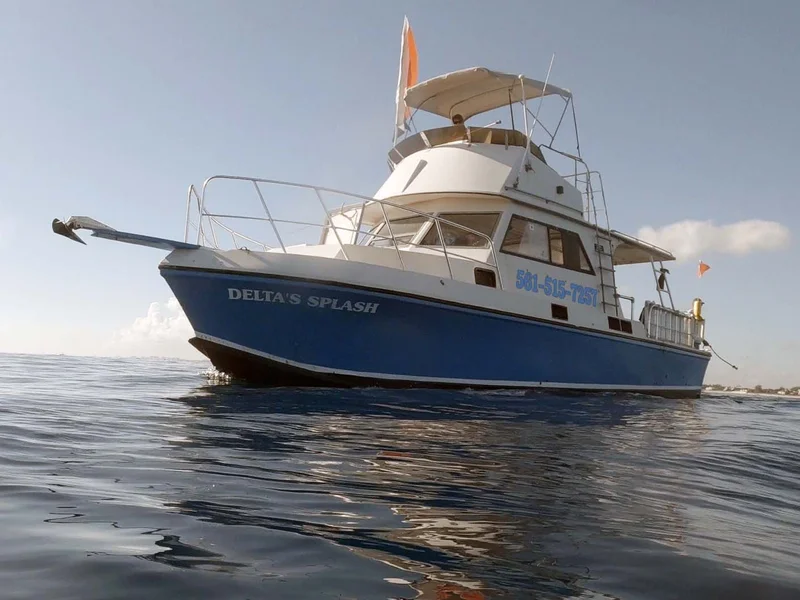
Today: 09:00 - 17:00
Nearest Airports
Nearest airports to help plan travel to this dive area.
Search Flights
Check available flights and routes on Expedia, using the nearby airports listed in this section.
Search Flights on Expedia
Plan Your Stay
Looking for a place to stay for your dive trip? Explore hotels, stays, and vacation rentals for dive groups near Sunrise.
Dive Navigator may earn a commission from these links at no extra cost to you.
Frequently Asked Questions
What is the maximum depth of the Mercedes I wreck?
Mercedes I wreck rests at a maximum depth of 30 meters (97 feet). This depth positions it firmly within limits for advanced recreational divers.
What skill level is required to dive the Mercedes I?
An Advanced Open Water Diver certification or equivalent experience is the minimum recommended skill level. Wreck's complex, broken structure and potential for entanglement demand experienced divers.
What is the history behind the Mercedes I wreck?
Originally built in 1952, the freighter gained notoriety in 1984 when a storm swept it ashore against a Palm Beach seawall. After a lengthy salvage operation, it was intentionally sunk in 1985 to create an artificial reef.
What is the typical visibility at the Mercedes I?
Average visibility at Mercedes I is around 20 meters (65 feet), though it can vary from 10 to 30 meters (33 to 100 feet). Conditions depend heavily on recent weather and ocean currents.
Are there any specific hazards to be aware of?
Yes, the wreck is heavily damaged and twisted, posing entanglement risks, particularly if attempting penetration. Divers should also be aware of pleasure boat traffic passing overhead.
What kind of marine life can be seen at the Mercedes I?
Acting as a good fish haven, the wreck attracts barracuda and lobster; divers frequently spot these species. Less common, but possible sightings include sharks, whales, dolphins, and turtles in the area.
Planning to dive Mercedes I?
Send one inquiry and receive offers directly from the best verified local dive operators.
Conditions are Good
07:00 - 14:00
Optimal conditions expected
Current conditions near Mercedes I show 26° air, 31° sea temperature, 0.5 m waves, and 17 km/h wind. Forecast data is refreshed regularly to ensure accuracy.