
Diving at Tracy / Ken Vitale (United States)
Tracy / Ken Vitale wreck forms a substantial artificial reef, consistently attracting significant marine life. Divers exploring its depths frequently encounter impressive Goliath Groupers, often sheltering within the vessel's framework. Surrounding sand flats and adjacent wrecks also provide opportunities to spot Southern Stingrays and Nurse Sharks. This site acts as a focal point for large species within Fort Lauderdale's dive scene.
As evening covers Tracy / Ken Vitale, the local air temperature is measured at 24.5°C. The current wave height at the surface is recorded at 0.9 m. These late-day readings characterize the surface conditions for the night.
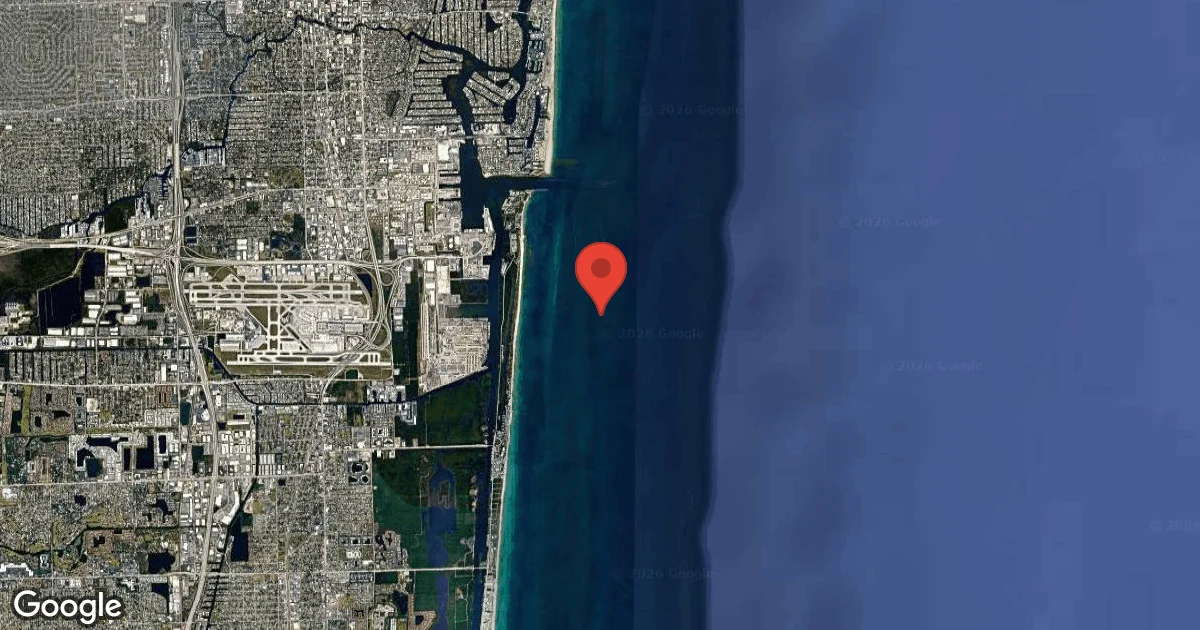
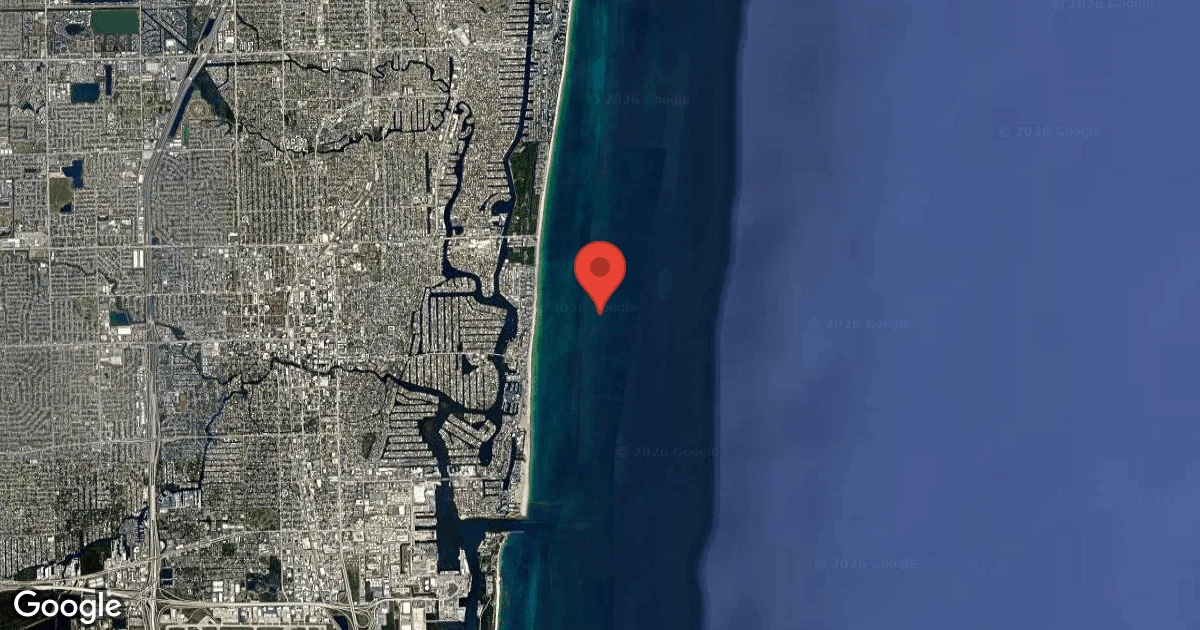
Dive Site Location & Key Facts
Dive Site Overview
Initially an offshore supply vessel named Tracey, the 131 ft / 40 m ship was repurposed on March 2, 1999, becoming an artificial reef off Fort Lauderdale. Renamed the Ken Vitale, honoring a local dive instructor, its history includes seizure by U.S. Customs for drug trafficking prior to deliberate sinking.
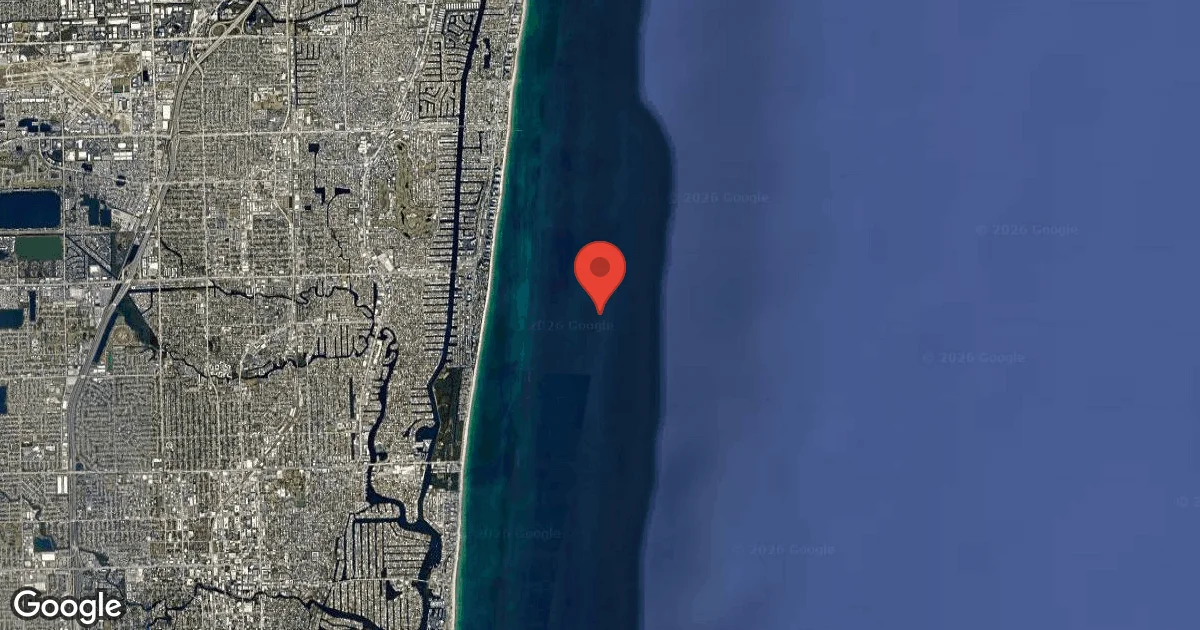
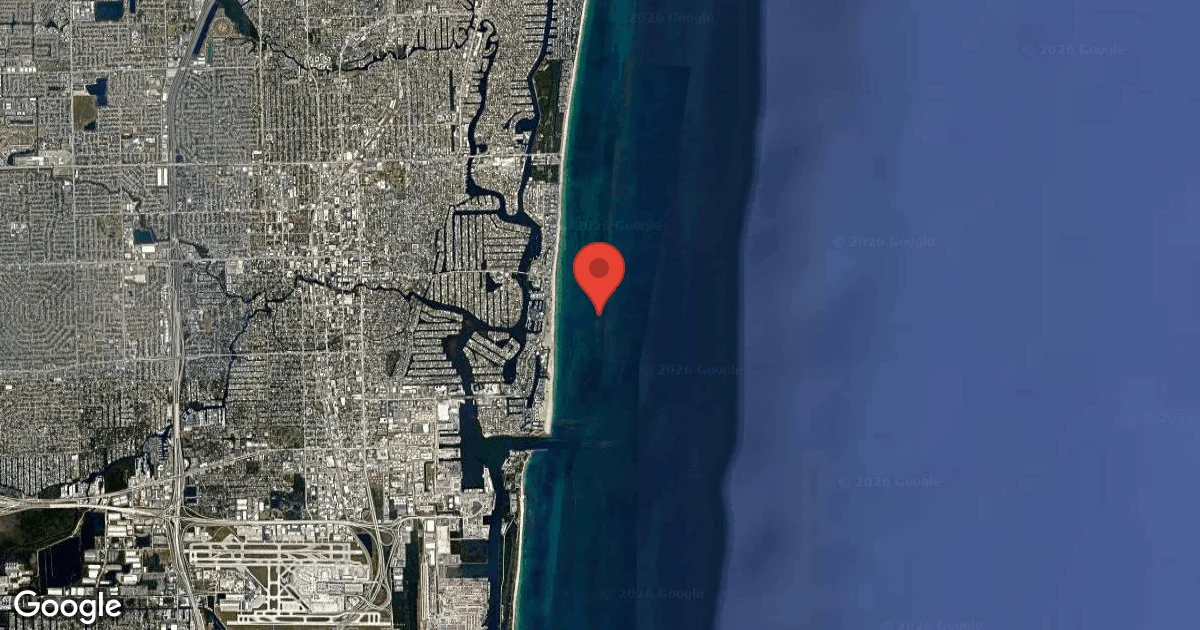
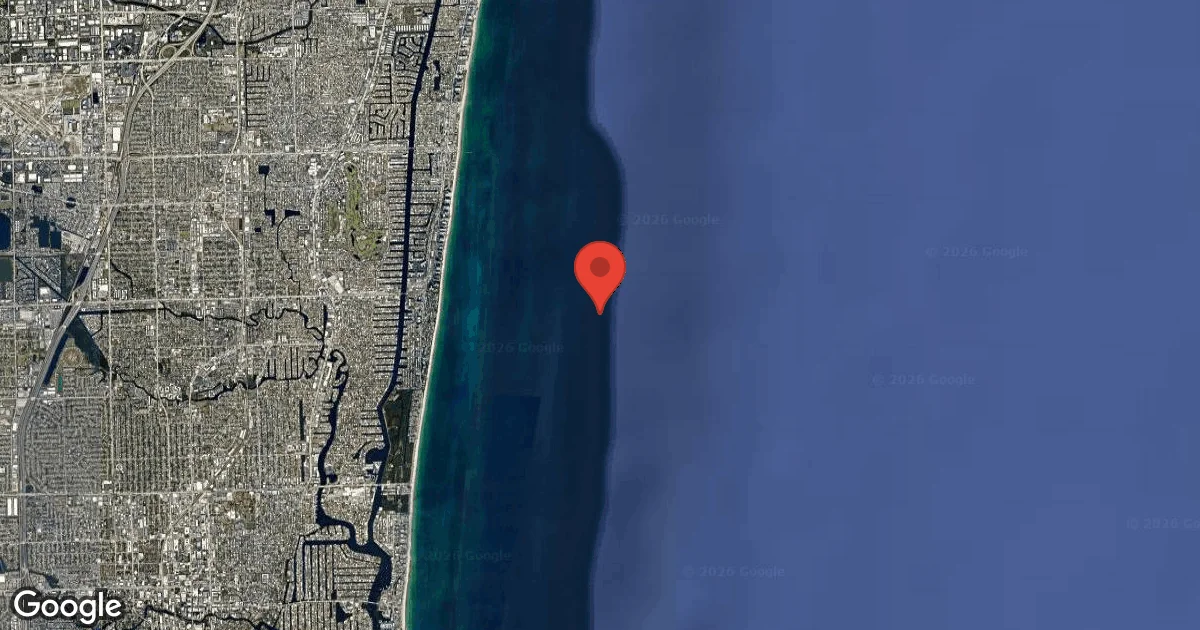
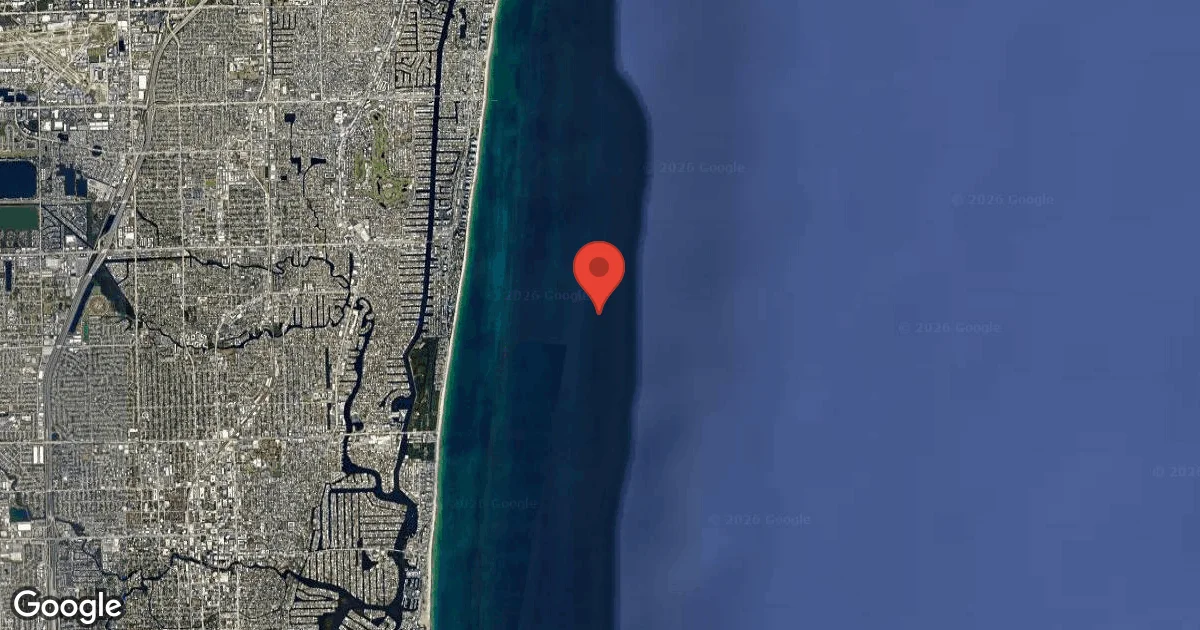
Today, the wreck rests upright, bow pointing north, forming the central element of a popular three-wreck complex. A 200 ft / 60 m chain connects it to the tug Jay Scutti to the south, with the Merci Jesus freighter north. Found in approximately 70-75 ft / 21-23 m of water, Ken Vitale offers a multilevel experience; highest points are around 45 ft / 14 m.
This cluster invites exploration, challenging divers to navigate between vessels, especially given the potential for modest currents. Such navigation enhances the overall adventure.
It provides a comprehensive wreck diving experience for Open Water divers with wreck specialty training, or Advanced Open Water divers.
Conditions are Excellent
07:00 - 14:00
Optimal conditions expected
Current conditions near Tracy / Ken Vitale show 25° air, 31° sea temperature, 0.5 m waves, and 12 km/h wind. Forecast data is refreshed regularly to ensure accuracy.
Best Time to Dive
Diving conditions off Fort Lauderdale generally favor year-round activity, though distinct seasonal patterns influence the experience. Warmest air temperatures occur from May through September, with averages hovering around 26-28°C / 79-82°F. During these months, rain levels are slightly higher (typically 4-9 mm), but wave heights tend to be at their lowest, often around 0.4-0.7 m. In contrast, cooler months from January to April see air temperatures ranging from 20-24°C / 68-75°F, alongside some of the lowest reported rain (around 1-3 mm). Wave heights may increase slightly to 0.9-1.0 m in these periods. Wind speeds vary from 14-21 km/h across the year. Consistently rated "Good" for diving, the site often sees "Excellent" conditions in July, making summer a prime period for calmer surface conditions, though visibility can vary.
PEAK SEASON SCORE
Scores combine air & water temps, waves, wind & rainfall for overall conditions.
BEST MONTHS TO DIVE
Monthly records compiled from satellite and marine observation nodes over the last 3 years. Data provided by Open-Meteo and MET Norway.
Dive Experience & Conditions
Ken Vitale wreck often experiences modest currents, which can significantly influence a dive plan. Currents can sweep across the site, making surface swimming challenging and requiring careful descent and ascent procedures. When conditions are calm, divers may find it possible to explore two, or even all three, of the connected wrecks in a single dive. Navigational skills are tested traversing the 200 ft / 60 m chain connecting Ken Vitale to the Jay Scutti, or exploring towards the Merci Jesus. Visibility varies depending on local factors, but generally allows for good wreck exploration. An upright hull structure permits penetration for appropriately trained and experienced wreck divers, though much of a dive typically involves external observation of prolific marine life.
Dive Difficulty & Safety Guidelines
Approaching the Tracy / Ken Vitale wreck requires attention to dive planning due to its depth and the potential for currents. Certified Open Water divers are welcome, but those with Advanced Open Water or Wreck Diver certifications will find the multi-wreck environment and potential for interior exploration more rewarding. Always dive with a buddy and maintain awareness of your air supply, especially when contemplating a multi-wreck traverse, as this extends bottom time.
Given the maximum depth of 72 ft / 22 m, careful no-decompression limit planning is crucial. Utilize dive computers for real-time data. Awareness of boat traffic upon surfacing is also important; ensure you have a surface marker buoy.
Recommended Equipment
Overhead / entanglement risk. Wreck penetration requires proper training.
- Dive Computer
- DSMB
- Primary & Backup Lights
- Wreck Reel
- Cutting Tool
This gear list is based on verified equipment signals for Tracy / Ken Vitale, United States. Always confirm final gear choices with your dive operator, guide, or liveaboard.
Recommended Dive Suit
For divers planning standard recreational dives, dive skin or rash guard is usually a suitable option. A hood or vest is suggested for sensitive divers due to surface winds. Divers vary widely in how quickly they feel cold underwater.
The waters surrounding Tracy / Ken Vitale are currently maintaining temperatures close to 31°C (87°F). Surface air temperatures are resting at 25°C (76°F).
The upcoming forecast points to generally steady conditions in the area.
Due to technical issues with our weather providers, live updates are temporarily delayed. The data above reflects the conditions at the time of the last successful fetch.
Emergency & Medical Support
Essential information to help you plan your dive trip to Tracy / Ken Vitale.

Hyperbaric chambers are a critical part of dive safety infrastructure. Availability varies significantly by region, and not all dive areas have immediate access.
Before diving, it's recommended to:
- confirm nearest medical facilities
- check emergency procedures with local dive operators
- ensure dive insurance covers evacuation if required
Divers Alert Network
Diving emergency assistance available through DAN World.
+1-919-684-9111- 24/7 emergency hotline
- Diving medical assistance
- Evacuation coordination
Emergency contacts are provided for reference. Always verify local emergency services before diving.
Marine Life at Tracy / Ken Vitale
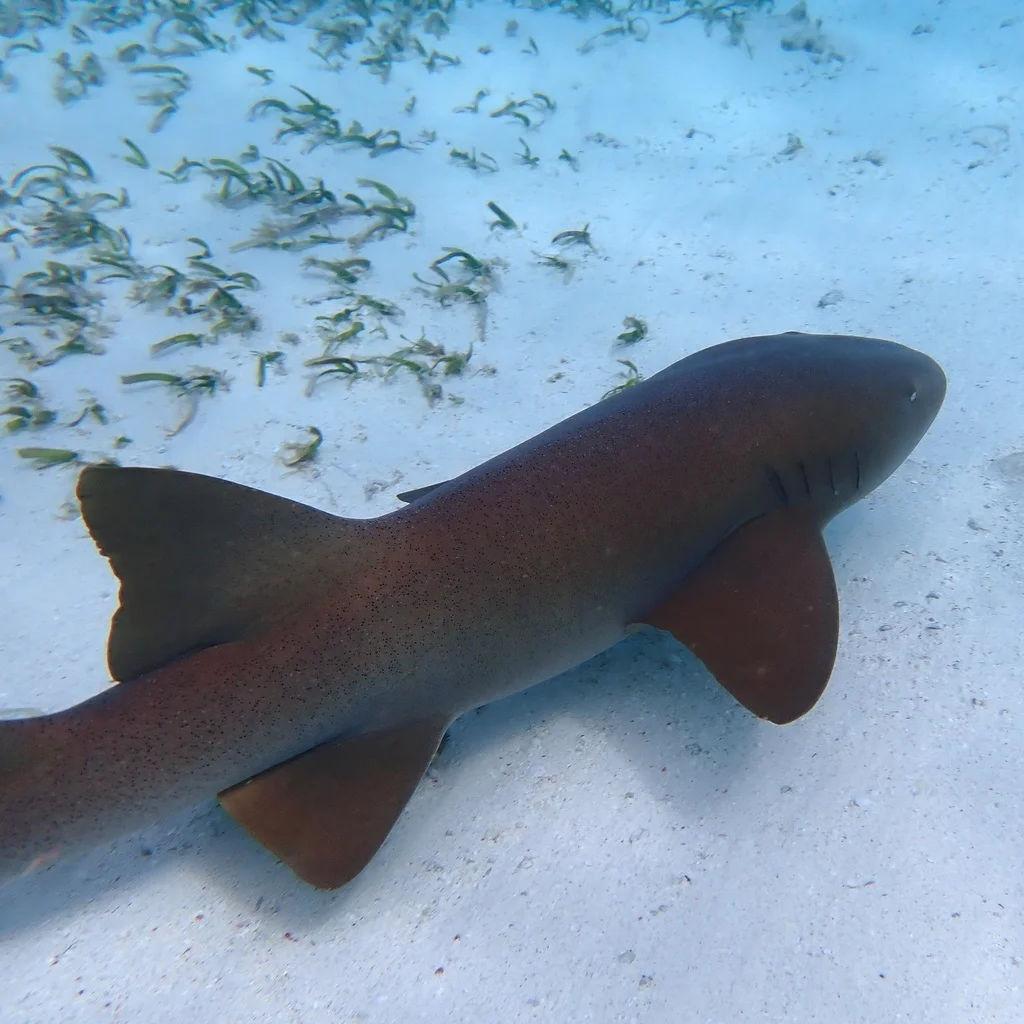
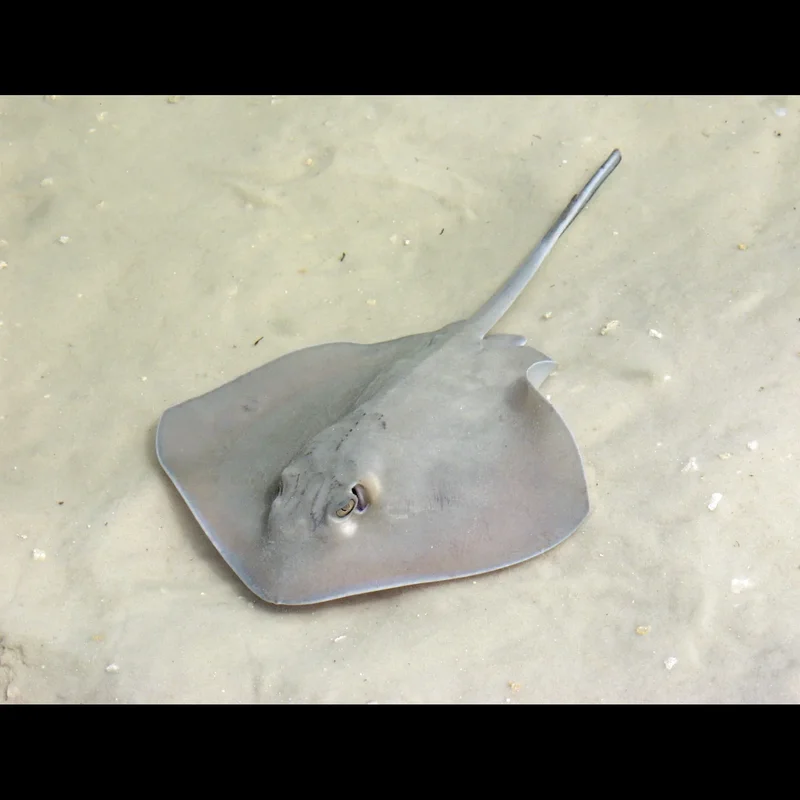
Ken Vitale's substantial structure, a prominent seafloor feature, attracts a diverse array of marine inhabitants. Goliath Groupers are a common sight, often found in sheltered areas or near deeper sections of the wreck.
Southern Stingrays cruise sandy areas surrounding this artificial reef. Nurse Sharks may be observed resting on the bottom or patrolling perimeters.
Intertwined wrecks of Ken Vitale, Jay Scutti, and Merci Jesus create an extended habitat, fostering a richer ecosystem that supports these larger species alongside various reef fish.

Dive Sites Near Tracy / Ken Vitale
View all dive sites in United StatesDiscover more underwater gems in this area.
Dive Centers Near Tracy / Ken Vitale
Today: 09:00 - 17:00
Nearest Airports
Nearest airports to help plan travel to this dive area.
Search Flights
Check available flights and routes on Expedia, using the nearby airports listed in this section.
Search Flights on Expedia
Plan Your Stay
Looking for a place to stay for your dive trip? Explore hotels, stays, and vacation rentals for dive groups near Lauderdale-by-the-Sea.
Dive Navigator may earn a commission from these links at no extra cost to you.
Frequently Asked Questions
What is the typical depth range for diving the Tracy / Ken Vitale?
The wreck rests upright in approximately 70-75 ft / 21-23 m of water. The highest points of the wreck can be found around 45 ft / 14 m, offering a varied profile.
What type of diver certification is recommended for this site?
While Open Water Diver certification is the minimum, an Advanced Open Water Diver or Wreck Diver certification is highly recommended to fully appreciate the wreck and potentially explore its interior.
Can I visit multiple wrecks on one dive at this location?
Yes, the Ken Vitale is part of a cluster with the Jay Scutti and Merci Jesus. With modest currents and good planning, it's often possible to visit two or even all three wrecks on a single dive.
What marine life can I expect to see?
Divers commonly encounter large marine species such as Goliath Groupers, Southern Stingrays, and Nurse Sharks. The wreck structure also hosts various smaller reef fish.
What is the history of the Ken Vitale wreck?
Originally named Tracey, the ship was a supply vessel seized by U.S. Customs for drug trafficking. It was later intentionally sunk on March 2, 1999, to become an artificial reef and was renamed in memory of local dive instructor Ken Vitale.
Are there strong currents at the Ken Vitale wreck site?
The site can experience modest currents. Divers should be prepared for potential drift and plan their entry and exit strategies accordingly, especially when traversing between wrecks.
Planning to dive Tracy / Ken Vitale?
Send one inquiry and receive offers directly from the best verified local dive operators.
Conditions are Excellent
07:00 - 14:00
Optimal conditions expected
Current conditions near Tracy / Ken Vitale show 25° air, 31° sea temperature, 0.5 m waves, and 12 km/h wind. Forecast data is refreshed regularly to ensure accuracy.