
Diving at Jim Atria (United States)
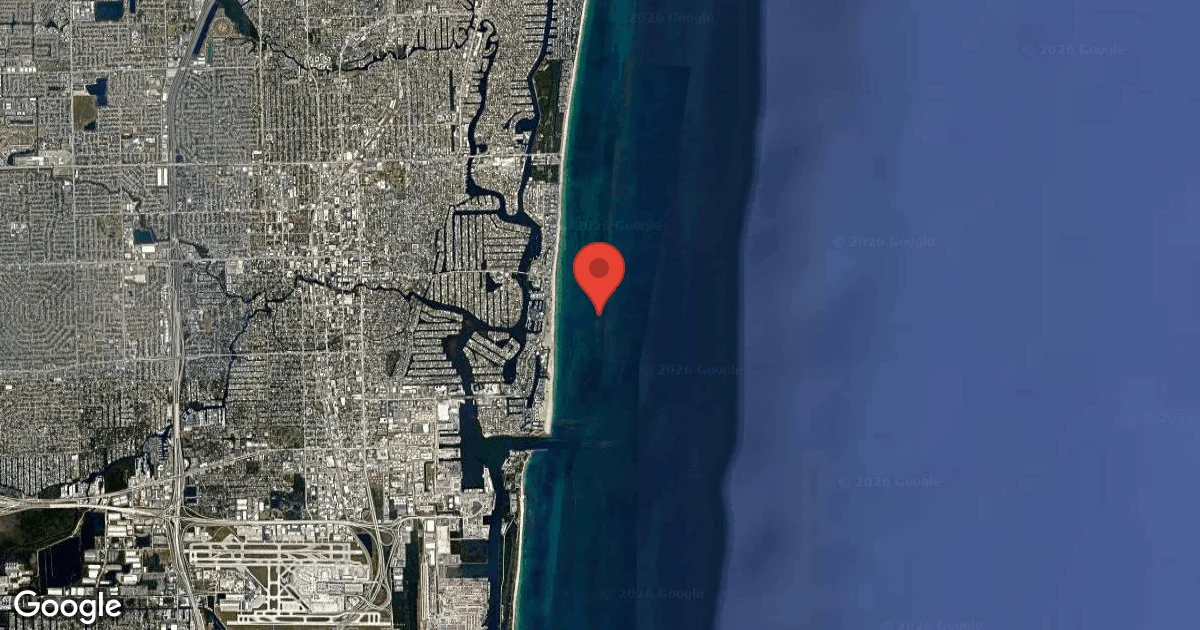
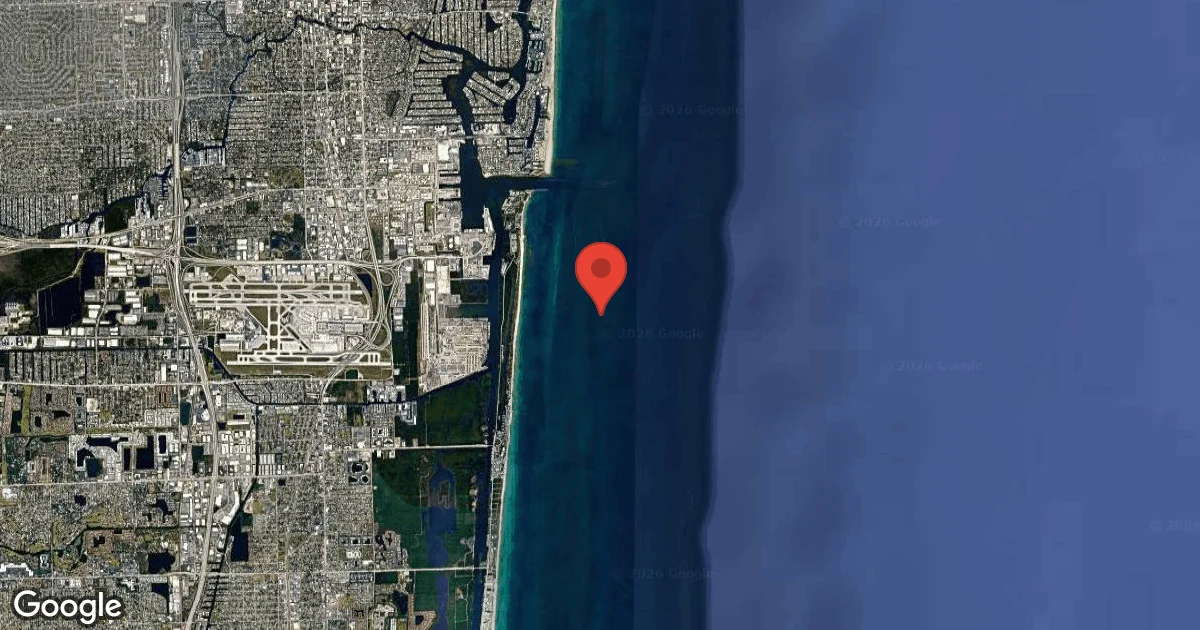
Divers approaching the Jim Atria encounter the substantial remains of a Dutch freighter, intentionally sunk to form an artificial reef off Fort Lauderdale. Wreckage now rests upright, a transformation from its initial port-side orientation, in depths up to 40 m (132 ft). Expect a significant structure teeming with encrusting life, marking a compelling underwater landmark.
As evening covers Jim Atria, the local air temperature is measured at 24.5°C. The current wave height at the surface is recorded at 0.9 m. These late-day readings characterize the surface conditions for the night.
Dive Site Location & Key Facts
Dive Site Overview
Originally launched in 1961 as the Poinciana, this Dutch-built freighter gained notoriety after capsizing in the Miami River before its new purpose. Jim Atria, an avid diver and developer, significantly contributed to its reefing project, leading to the vessel being renamed in his honor.
Scuttled as an artificial reef on September 23, 1987, the Jim Atria initially settled on its port side in just over 33.5 m (110 ft) of water. Its transformation continued naturally. Six years later, a powerful storm surge from Hurricane Andrew righted the vessel and moved it slightly offshore.
Now located in approximately 40 m (132 ft) of water, the wreck lies with its bow pointed north and a slight list to port. Divers often observe its mast rising from the main deck, providing a clear reference point.
It stands as one of the larger intact recreational-depth wrecks in the area, offering a tangible connection to maritime history and natural forces.
Conditions are Good
07:00 - 14:00
Optimal conditions expected
Current conditions near Jim Atria show 25° air, 31° sea temperature, 0.8 m waves, and 16 km/h wind. Forecast data is refreshed regularly to ensure accuracy.
Best Time to Dive
Diving conditions at Jim Atria are generally favorable for much of the year, with optimal periods occurring from May through September when dive scores consistently rank as 'Good'. During these months, average air temperatures range from 26.5-28°C (80-82°F), and wave heights tend to be lower, typically between 0.5-1.0 meters. Rain activity can be slightly higher in June and September, averaging around 9-9.7 mm, which might affect surface conditions but generally doesn't impact underwater experiences significantly. Water temperatures for this specific site are not consistently reported but typically reflect the warm tropical climate of the region. Winter months from January to March also present good diving opportunities, with air temperatures around 19.5-23°C (67-73°F), though wave heights can be slightly more pronounced.
PEAK SEASON SCORE
Scores combine air & water temps, waves, wind & rainfall for overall conditions.
BEST MONTHS TO DIVE
Monthly records compiled from satellite and marine observation nodes over the last 3 years. Data provided by Open-Meteo and MET Norway.
Dive Experience & Conditions
Exploring the Jim Atria offers a deep wreck experience, with the wreck's structure itself presenting a depth range from 29 m (95 ft) at its wheelhouse, where the mast rises to around 23 m (75 ft), to 40 m (132 ft) at its deepest point. Visibility can vary, but clear conditions often reveal the freighter's 69-meter (227-foot) length and 10-meter (34-foot) width. Divers should prepare for potential strong currents, which can occur depending on local ocean conditions. Wreck surfaces are heavily encrusted with soft corals, particularly vibrant gorgonians and orange cup corals, creating a rich texture. Bringing a dive light is recommended to fully appreciate the spectrum of colors within the encrustations and in deeper crevices, enhancing exploration of the cargo hold which often shelters various fish species.
Dive Difficulty & Safety Guidelines
Diving Jim Atria requires an Advanced Open Water certification or equivalent experience due to its depth and potential for currents. Its maximum depth places it at the deeper end of recreational diving limits, necessitating careful dive planning, adherence to no-decompression limits, and conservative profiles.
Divers should be proficient in deep diving procedures and comfortable in potentially challenging conditions. Always dive with a reliable buddy and ensure adequate gas supply for the planned dive profile, including reserve.
Strong currents off Fort Lauderdale can occasionally occur, so maintaining good buoyancy control and awareness of the dive boat's position is crucial. Local dive operators will provide specific guidance based on daily conditions.
Recommended Equipment
Technical depth range. Advanced planning, gas management, and appropriate certification required.
Overhead / entanglement risk. Wreck penetration requires proper training.
- Dive Computer
- DSMB
- Primary & Backup Lights
- Wreck Reel
- Cutting Tool
This gear list is based on verified equipment signals for Jim Atria, United States. Always confirm final gear choices with your dive operator, guide, or liveaboard.
Recommended Dive Suit
Current diving conditions indicate water temperatures around 31°C (87°F) at Jim Atria. Surface air temperatures are resting at 25°C (76°F).
Current forecasts indicate relatively stable conditions for the coming days.
Most divers exploring waters at this temperature rely on dive skin or rash guard for effective insulation. A hood or vest is suggested for sensitive divers due to surface winds. Water temperature is only one factor influencing overall comfort during a dive.
Emergency & Medical Support
Essential information to help you plan your dive trip to Jim Atria.

Hyperbaric chambers are a critical part of dive safety infrastructure. Availability varies significantly by region, and not all dive areas have immediate access.
Before diving, it's recommended to:
- confirm nearest medical facilities
- check emergency procedures with local dive operators
- ensure dive insurance covers evacuation if required
Divers Alert Network
Diving emergency assistance available through DAN World.
+1-919-684-9111- 24/7 emergency hotline
- Diving medical assistance
- Evacuation coordination
Emergency contacts are provided for reference. Always verify local emergency services before diving.
Marine Life at Jim Atria
Jim Atria wreck has transformed into a thriving artificial reef, providing habitat for a diverse array of marine life. Its surfaces are heavily adorned with a thick cover of gorgonians and orange cup corals, creating a colorful and intricate ecosystem.
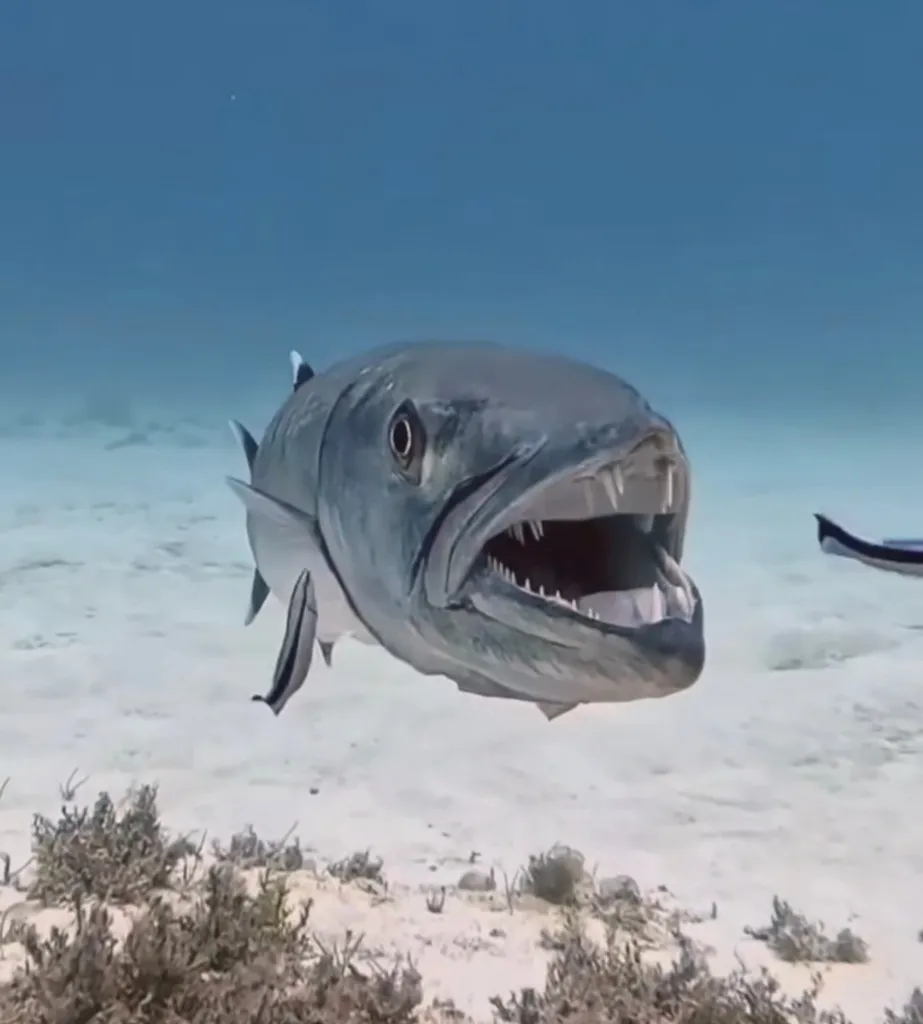
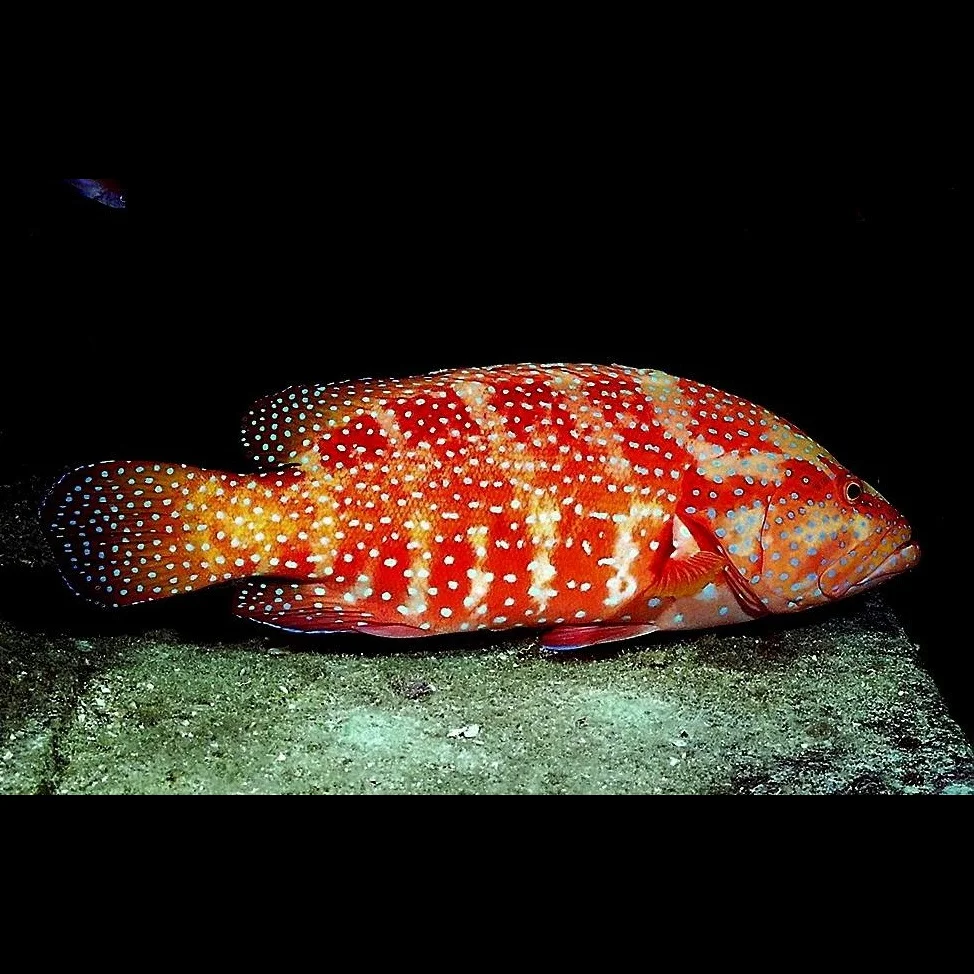
Large species like barracuda and various groupers are commonly observed circling the wreck, often hunting for smaller prey. Inside the cargo hold, divers can encounter schools of glass sweepers and squirrel fish, finding refuge within the freighter's structure.
Numerous other tropical fish species also inhabit the wreck, contributing to its lively underwater environment.

Dive Sites Near Jim Atria
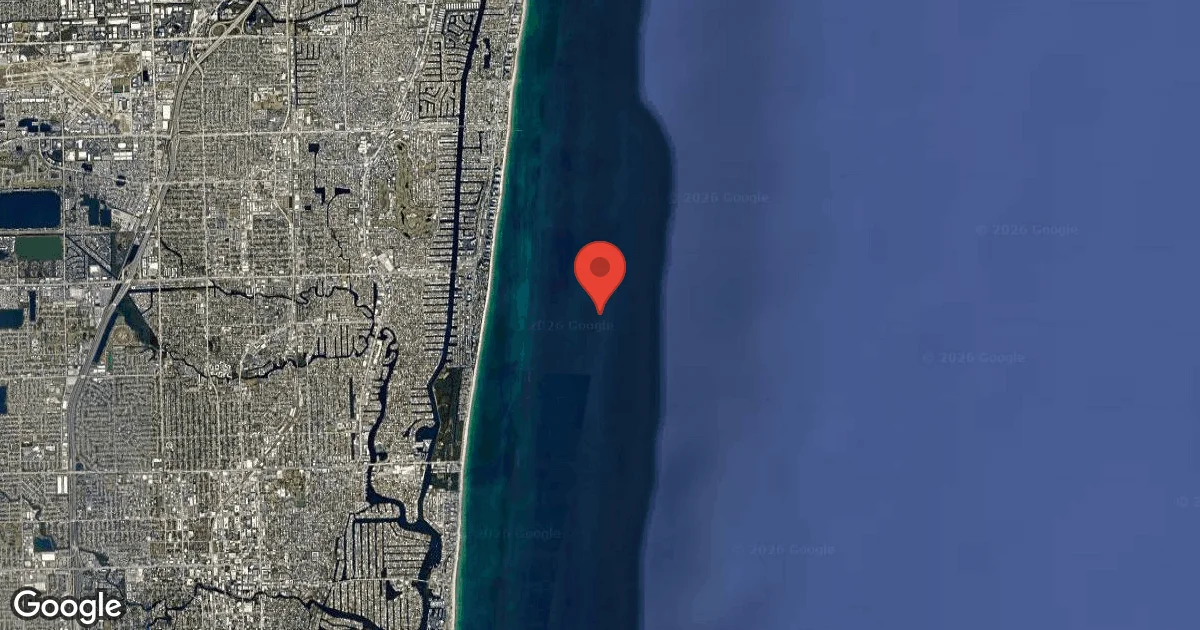
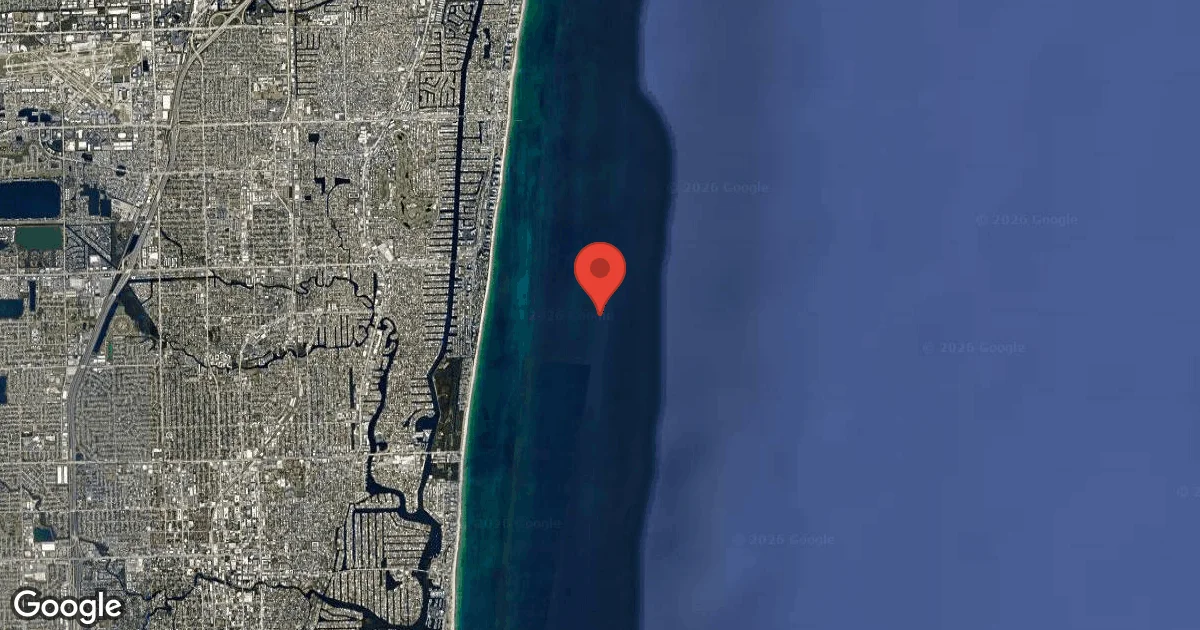
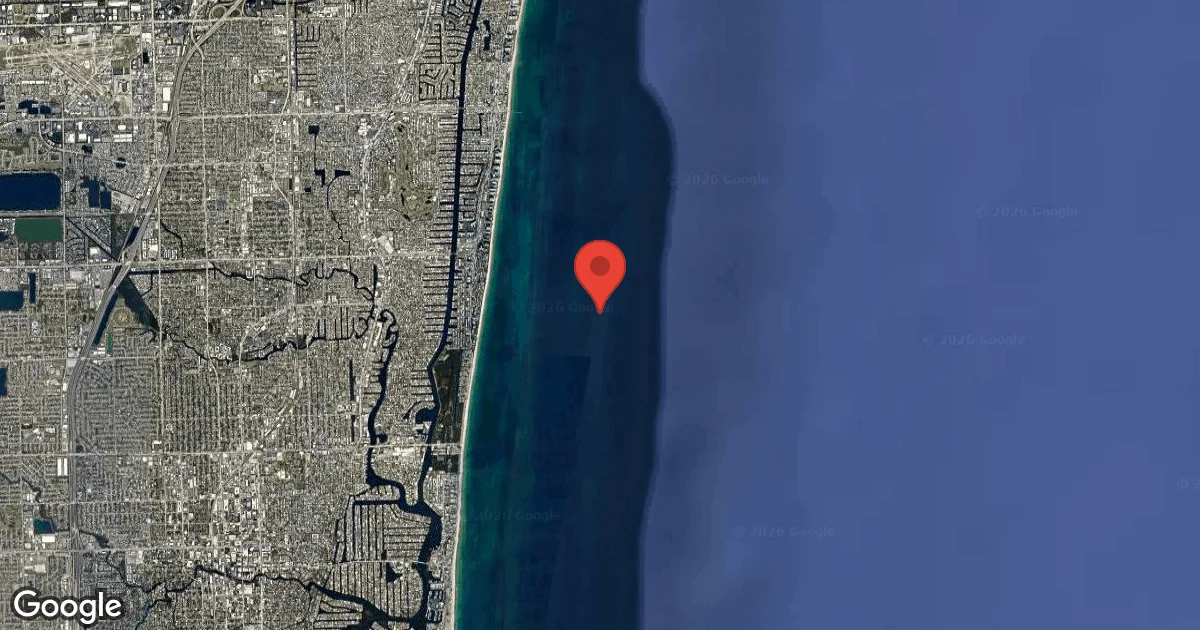
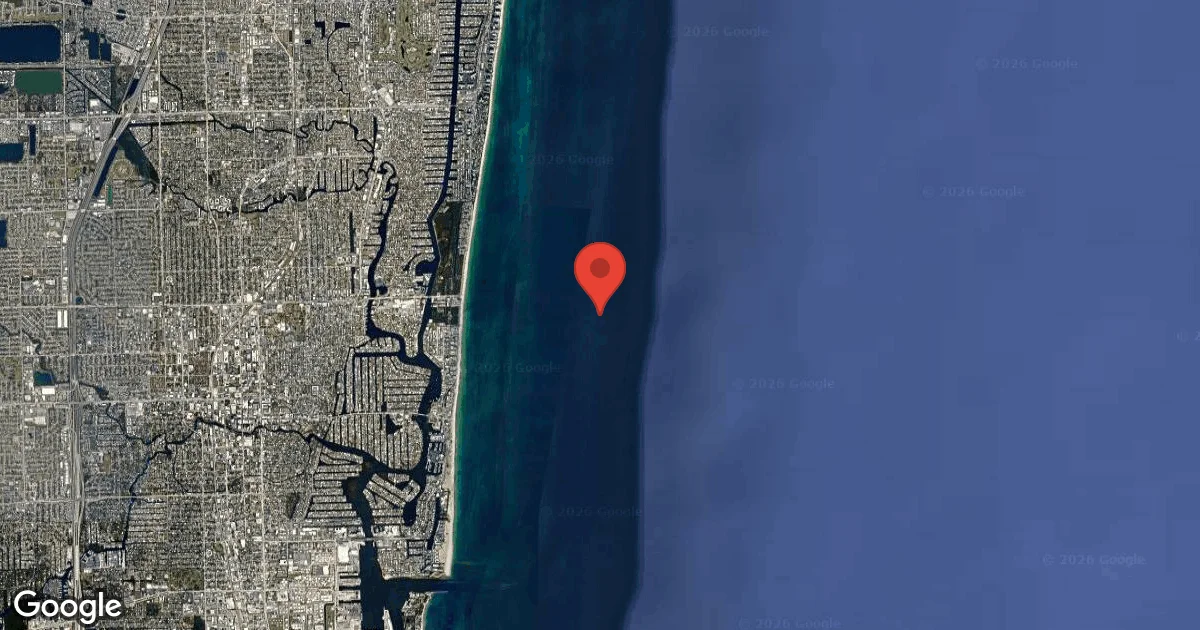
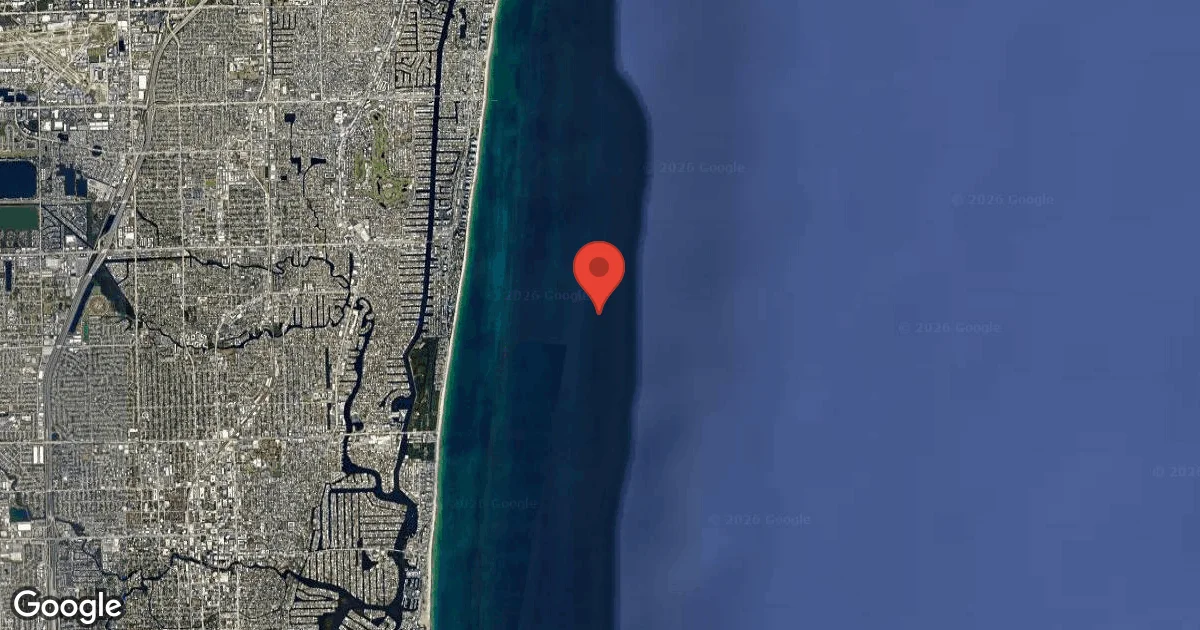
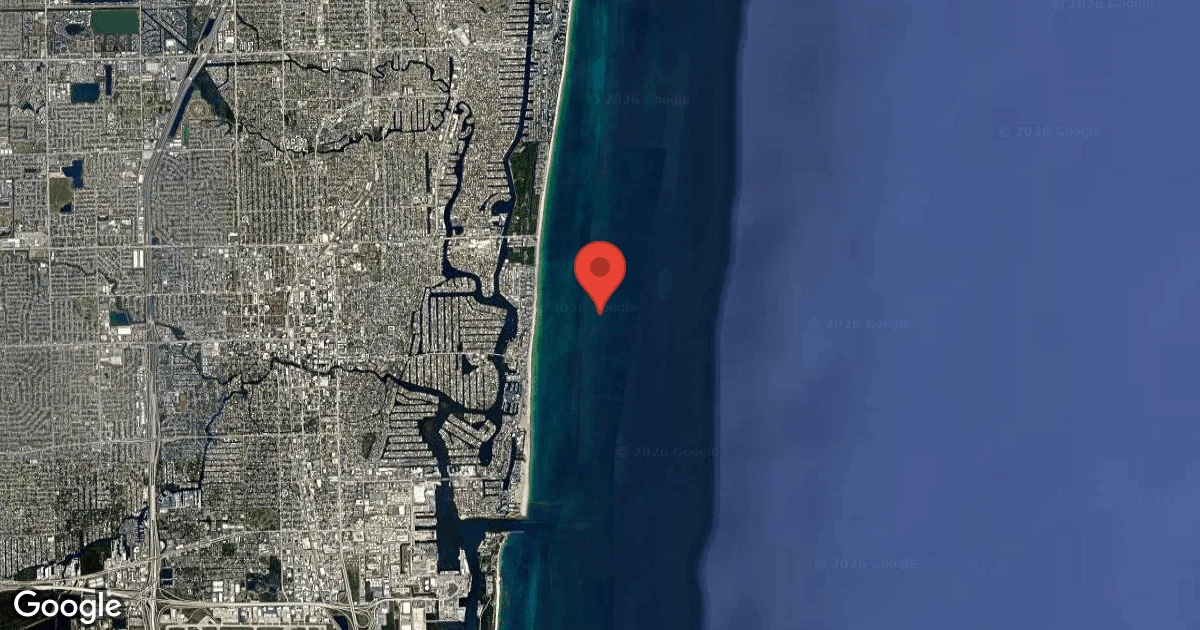
View all dive sites in United StatesDiscover more underwater gems in this area.
Dive Centers Near Jim Atria
Today: 09:00 - 17:00
Nearest Airports
Nearest airports to help plan travel to this dive area.
Search Flights
Check available flights and routes on Expedia, using the nearby airports listed in this section.
Search Flights on Expedia
Plan Your Stay
Looking for a place to stay for your dive trip? Explore hotels, stays, and vacation rentals for dive groups near Lauderdale-by-the-Sea.
Dive Navigator may earn a commission from these links at no extra cost to you.
Frequently Asked Questions
What is the maximum depth of the Jim Atria wreck?
Found in approximately 40 m (132 ft) of water, the Jim Atria wreck's shallowest point, near its wheelhouse, is around 29 m (95 ft).
What certification level is required to dive the Jim Atria?
An Advanced Open Water certification or an equivalent level of experience is required due to the wreck's depth and the potential for strong currents.
What kind of marine life can I expect to see?
Wreckage is encrusted with gorgonians and orange cup coral. Divers frequently spot barracuda, grouper, glass sweepers, and squirrel fish, alongside various tropical fish species.
How did the Jim Atria get its name?
Ship was originally named the Poinciana. It was renamed in honor of Jim Atria, a Fort Lauderdale developer and avid diver who significantly contributed to the funding for its sinking as an artificial reef.
When is the best time of year to dive the Jim Atria?
Best time to dive is generally from May through September, when dive scores are consistently 'Good'. Air temperatures are warmer, and wave heights tend to be lower during these months.
What happened to the wreck after it was initially sunk?
Jim Atria initially rested on its port side in 33.5 m (110 ft) of water. Six years later, Hurricane Andrew's storm surge righted the vessel and moved it slightly offshore to its current depth of 40 m (132 ft).
Planning to dive Jim Atria?
Send one inquiry and receive offers directly from the best verified local dive operators.
Conditions are Good
07:00 - 14:00
Optimal conditions expected
Current conditions near Jim Atria show 25° air, 31° sea temperature, 0.8 m waves, and 16 km/h wind. Forecast data is refreshed regularly to ensure accuracy.