
Diving at Jay Scutti (United States)
Jay Scutti wreck functions as an artificial reef, creating vital habitat for diverse marine species. Its structure is heavily encrusted with invertebrates such as sponges, hydroids, and tunicates. A rich bio-fouling layer attracts various herbivorous fish, notably parrotfish, which graze on the growth. Forming a key part of an interconnected wreck trail, the site draws interest from divers eager to witness its vibrant ecosystem.
As evening covers Jay Scutti, the local air temperature is measured at 26°C. The current wave height at the surface is recorded at 0.5 m. These late-day readings characterize the surface conditions for the night.
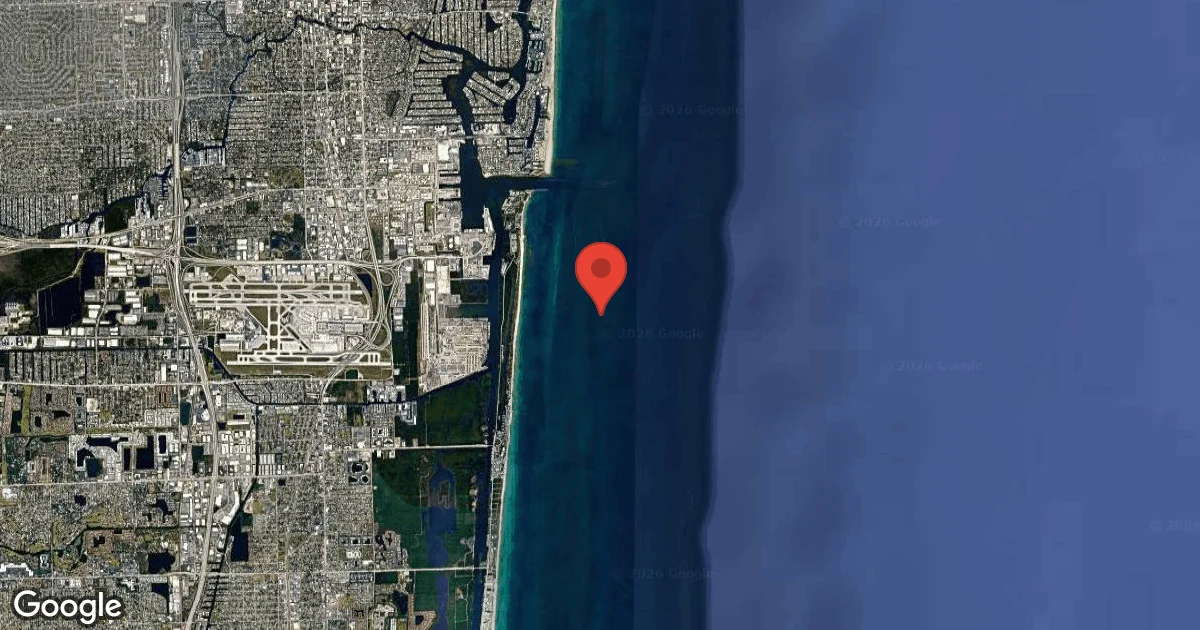
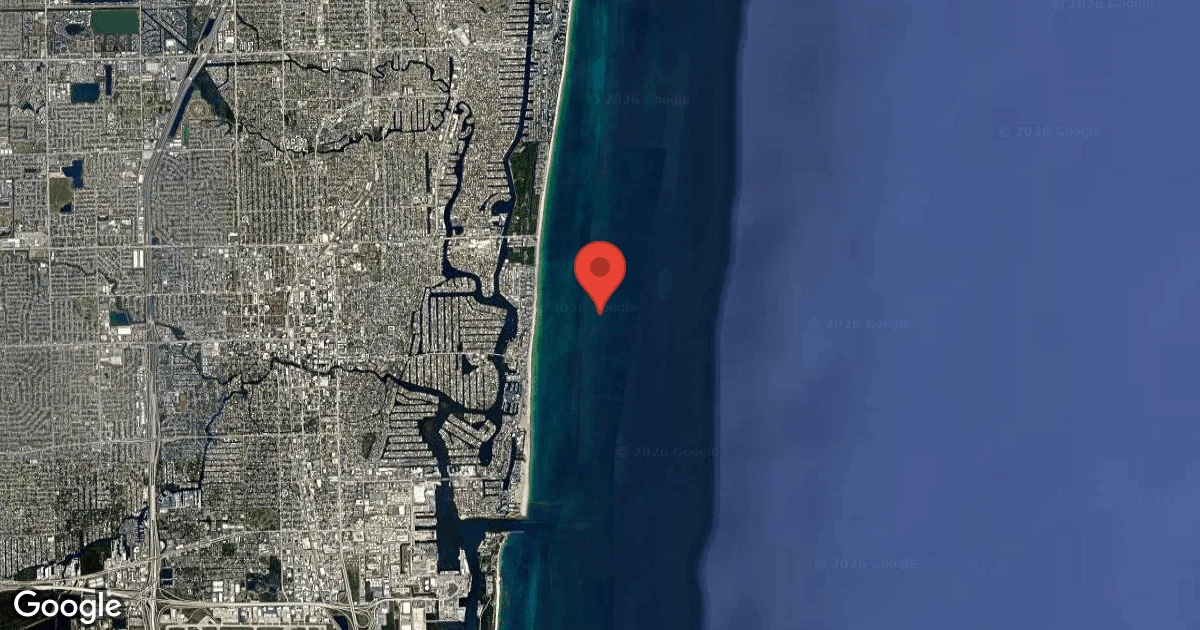
Dive Site Location & Key Facts
Dive Site Overview
Originally named Arikok, a 95-foot Aruba harbor tugboat constructed in 1961 in the Netherlands, the vessel was confiscated during a marijuana smuggling mission. Fort Lauderdale businessman Dale Scutti later purchased the tug at auction for $14,000, intending to create an artificial reef off his beachfront home.
His goal was to memorialize his son, Jay Scutti, an avid diver. After an initial failed attempt, Broward County Sheriff Department’s bomb squad successfully sank the rusting tugboat on September 19, 1986, using 45 pounds of dynamite.
Now resting upright with its bow pointing northward and a slight list to port, it serves as an anchor dive site, typically explored between 17-22 m / 55-72 ft. Forming part of a cluster of wrecks, the sailboat Pride lies to its south, with the B.
H. Lake, Ken Vitale, and Merci Jesus wrecks positioned to the north, enabling potential multi-wreck dives.
Conditions are Good
07:00 - 14:00
Optimal conditions expected
Current conditions near Jay Scutti show 26° air, 31° sea temperature, 0.5 m waves, and 17 km/h wind. Forecast data is refreshed regularly to ensure accuracy.
Best Time to Dive
For optimal visibility, calmest conditions at Jay Scutti generally occur from May through September. July often brings its lowest average wave heights, around 0.4 meters, coupled with lighter winds averaging 14.4 km/h. Air temperatures during these prime months remain consistently warm, ranging from 26-28°C / 79-82°F. While summer rain averages 5-9 mm, it typically involves brief, localized showers that don't severely impact overall dive conditions. Outside this peak window, months like January, February, and November still offer good dive scores, although average wave heights might increase to around 0.9-1.0 meters, potentially affecting surface conditions and visibility.
PEAK SEASON SCORE
Scores combine air & water temps, waves, wind & rainfall for overall conditions.
BEST MONTHS TO DIVE
Monthly records compiled from satellite and marine observation nodes over the last 3 years. Data provided by Open-Meteo and MET Norway.
Dive Experience & Conditions
Diving Jay Scutti is primarily an anchor dive, demanding proficient boat handling for precise positioning. Open Water Divers or those with equivalent experience will find the site suitable; however, additional training like Advanced Open Water Diver or Wreck Diver can significantly enhance the experience. The wreck rests in saltwater at depths from 17 to 22 m / 55 to 72 ft. Specific current data isn't consistently reported, but conditions in this area can vary, making it prudent for divers to prepare for potential moderate currents, especially closer to the surface. Surface chop, influenced by average wind speeds typically ranging from 14-20 km/h, may also impact entries and exits.
Dive Difficulty & Safety Guidelines
Approaching any wreck dive, including Jay Scutti, demands understanding its unique challenges. Divers should be equipped with appropriate training, such as a PADI Wreck Diver specialty, especially if planning any form of penetration into the tugboat's interior, which isn't consistently reported as safe or practical.
Visibility and current variations can occur; maintaining contact with a buddy and carefully reviewing dive plans are essential. Practicing good buoyancy control is crucial to avoid damaging wreck structure or stirring up silt, preserving the site for future exploration.
Recommended Equipment
Overhead / entanglement risk. Wreck penetration requires proper training.
- Dive Computer
- DSMB
- Primary & Backup Lights
- Wreck Reel
- Cutting Tool
This gear list is based on verified equipment signals for Jay Scutti, United States. Always confirm final gear choices with your dive operator, guide, or liveaboard.
Recommended Dive Suit
Experienced divers often bring flexible gear options.
Divers exploring Jay Scutti today will likely encounter water temperatures close to 31°C (87°F). Surface air temperatures are resting at 26°C (79°F). Divers who spend longer periods underwater often choose dive skin or rash guard.
Current forecasts indicate relatively stable conditions for the coming days.
Emergency & Medical Support
Essential information to help you plan your dive trip to Jay Scutti.

Hyperbaric chambers are a critical part of dive safety infrastructure. Availability varies significantly by region, and not all dive areas have immediate access.
Before diving, it's recommended to:
- confirm nearest medical facilities
- check emergency procedures with local dive operators
- ensure dive insurance covers evacuation if required
Divers Alert Network
Diving emergency assistance available through DAN World.
+1-919-684-9111- 24/7 emergency hotline
- Diving medical assistance
- Evacuation coordination
Emergency contacts are provided for reference. Always verify local emergency services before diving.
Marine Life at Jay Scutti
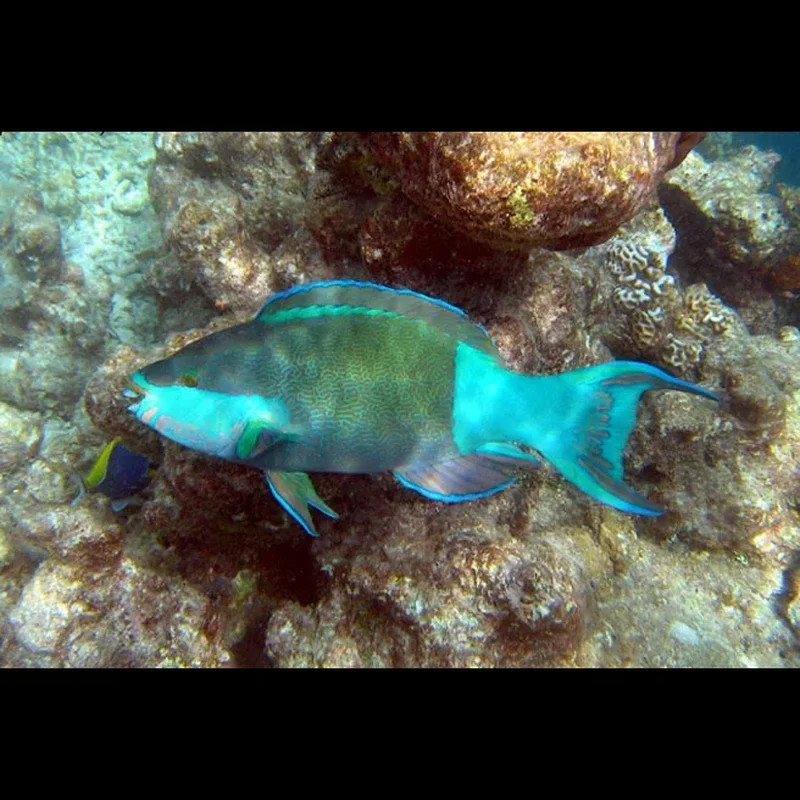
As a thriving artificial reef, Jay Scutti wreck provides metal surfaces for extensive invertebrate growth. Divers often observe the wreck heavily colonized by sponges, hydroids, and tunicates, forming a rich tapestry of life.
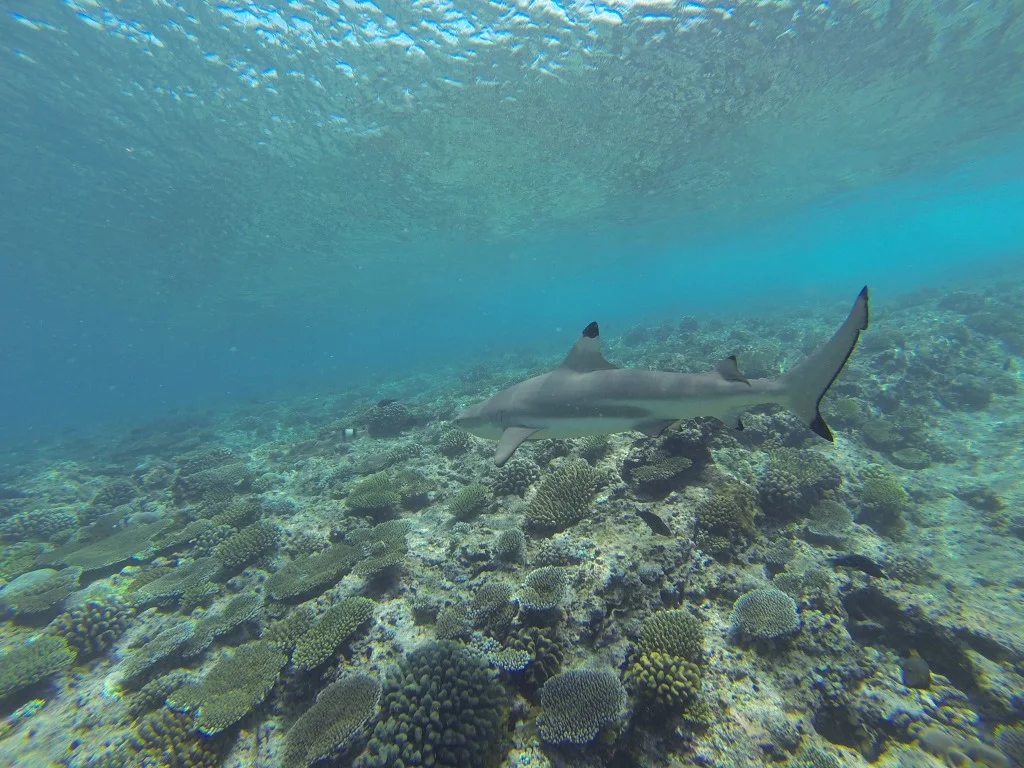
Bio-fouling attracts a variety of herbivorous fish, most notably schools of parrotfish. Common sightings around the wreck and in surrounding ocean environment also include occasional sharks, turtles, and even dolphins or whales, though their presence varies and is not guaranteed.

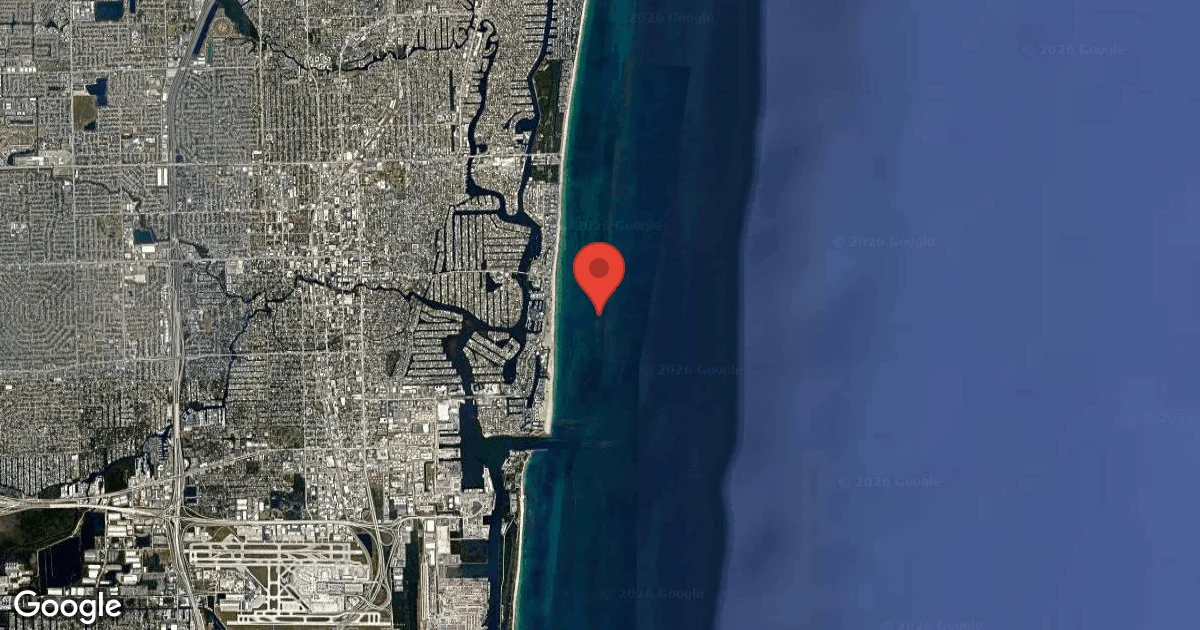
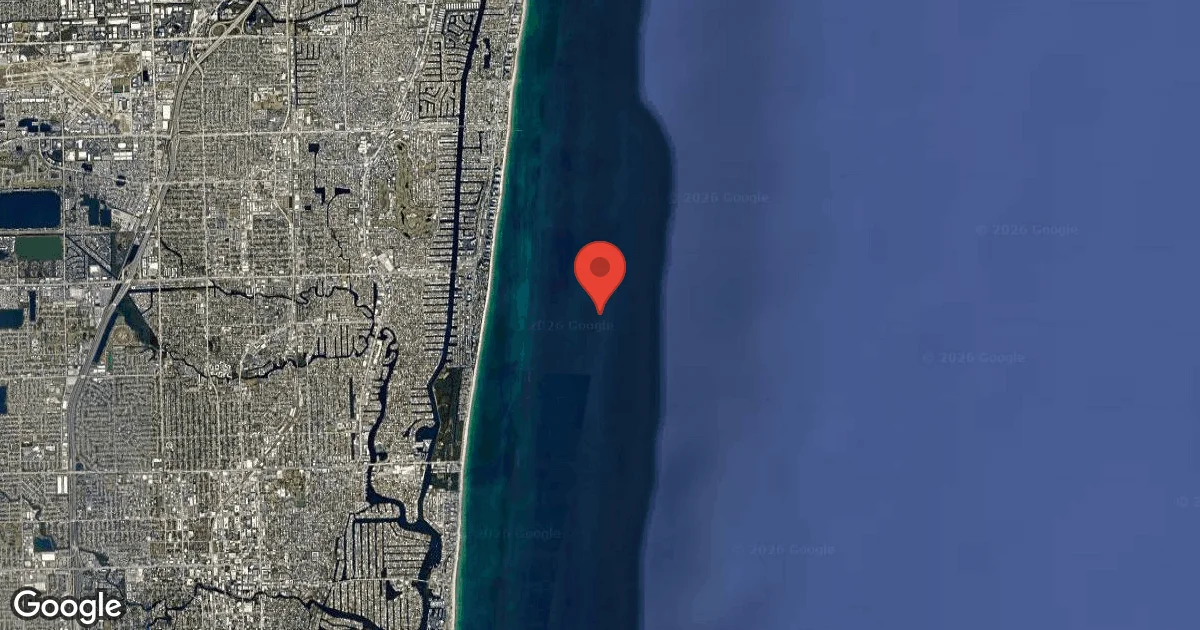
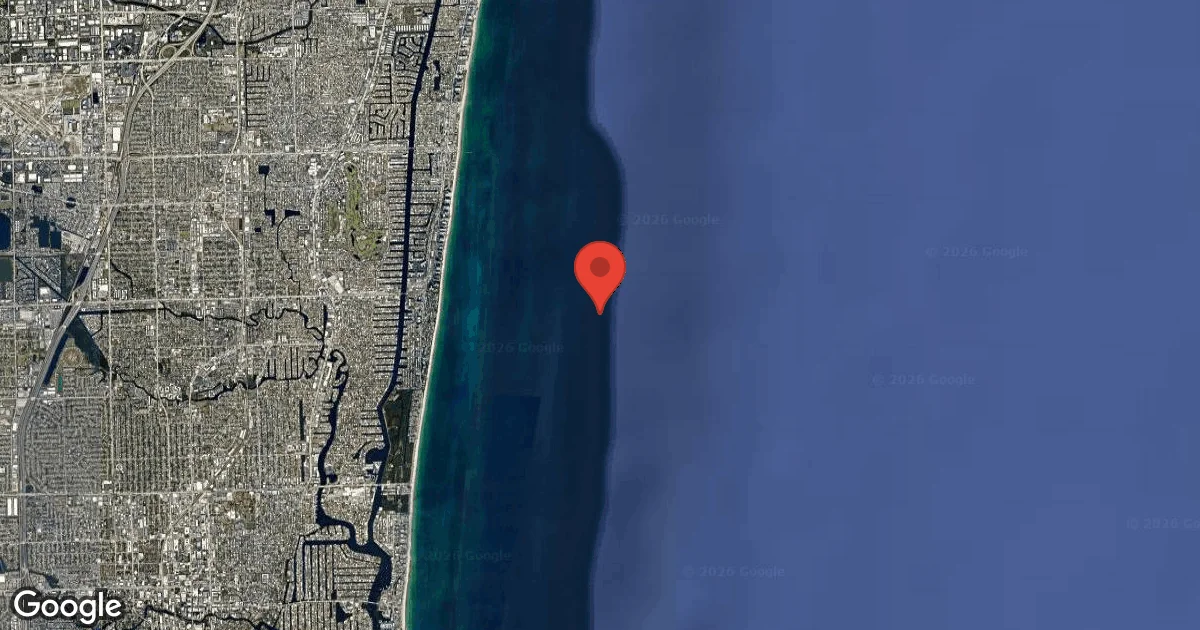
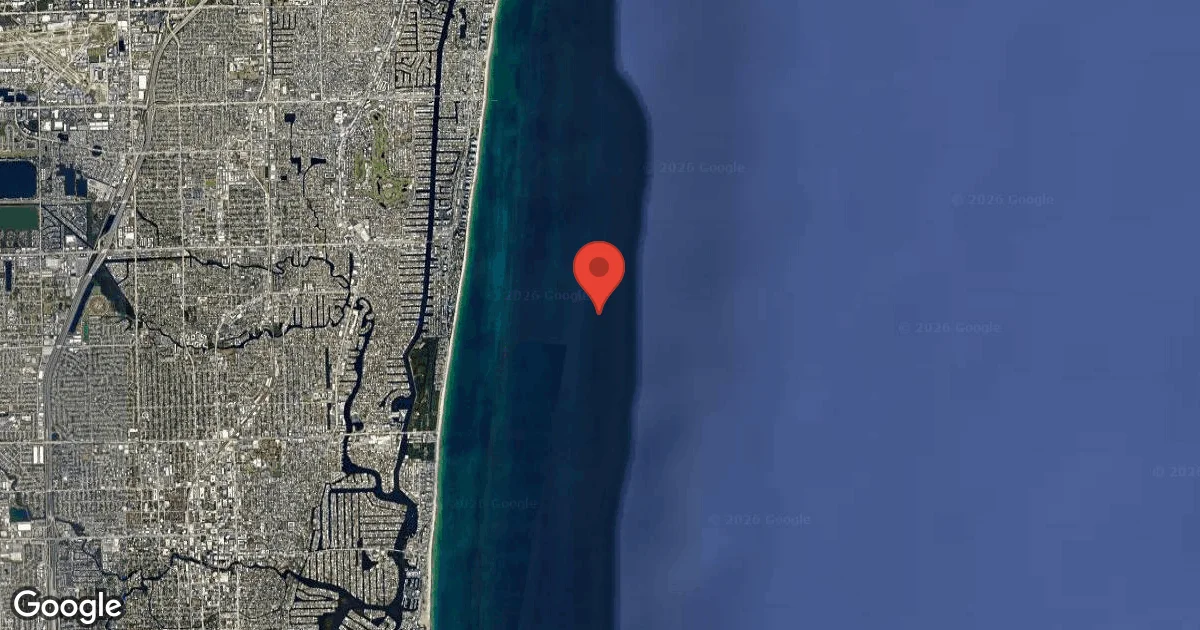
Dive Sites Near Jay Scutti
View all dive sites in United StatesDiscover more underwater gems in this area.
Dive Centers Near Jay Scutti
Today: 09:00 - 17:00
Nearest Airports
Nearest airports to help plan travel to this dive area.
Search Flights
Check available flights and routes on Expedia, using the nearby airports listed in this section.
Search Flights on Expedia
Plan Your Stay
Looking for a place to stay for your dive trip? Explore hotels, stays, and vacation rentals for dive groups near Lauderdale-by-the-Sea.
Dive Navigator may earn a commission from these links at no extra cost to you.
Frequently Asked Questions
What type of dive is the Jay Scutti?
The Jay Scutti is primarily a wreck dive and an ocean dive, suitable for recreational divers. It's often approached as an anchor dive, with the boat positioned directly over the wreck for descent.
What is the maximum depth of the Jay Scutti wreck?
The main structure of the Jay Scutti wreck is typically found at depths ranging from 17 to 22 meters, or approximately 55 to 72 feet. Divers should monitor their gauges accordingly.
What marine life can divers expect to see on the Jay Scutti?
The wreck is encrusted with a variety of invertebrates like sponges and hydroids, attracting herbivorous fish such as parrotfish. Divers may also encounter sharks, turtles, dolphins, and whales in the general vicinity, though sightings can vary.
What is the history behind the Jay Scutti?
Originally an Aruba harbor tugboat named Arikok, it was confiscated during a smuggling operation. It was later purchased by Dale Scutti and intentionally sunk on September 19, 1986, to serve as an artificial reef in memory of his diver son, Jay Scutti.
What training is recommended for diving the Jay Scutti?
The site is accessible for Open Water Divers or those with equivalent experience. However, certifications like PADI Advanced Open Water Diver or PADI Wreck Diver are beneficial for enhanced exploration and safety, particularly if considering internal wreck navigation.
Are there other wrecks nearby the Jay Scutti?
Yes, the Jay Scutti is part of a line of wrecks. To its south lies the sailboat Pride, and to its north, divers can explore the B. H. Lake, Ken Vitale, and Merci Jesus wrecks, allowing for extended dive plans.
Planning to dive Jay Scutti?
Send one inquiry and receive offers directly from the best verified local dive operators.
Conditions are Good
07:00 - 14:00
Optimal conditions expected
Current conditions near Jay Scutti show 26° air, 31° sea temperature, 0.5 m waves, and 17 km/h wind. Forecast data is refreshed regularly to ensure accuracy.