
Diving at Eternal Reef #43 (United States)
More than just a dive site, Eternal Reef #43 represents a deliberate effort to create lasting marine habitats within the United States' active artificial reef program. It provides essential infrastructure for fish and marine organisms, bolstering biodiversity in areas where natural reefs are scarce. Divers approaching this reef engage with an evolving ecosystem, witnessing the successful integration of human-made structures into the underwater environment.
Early observations for Eternal Reef #43 report a surface air temperature of 27°C. The water surface is currently presenting wave heights of 0.5 m. Consider these environmental metrics before beginning your descent.
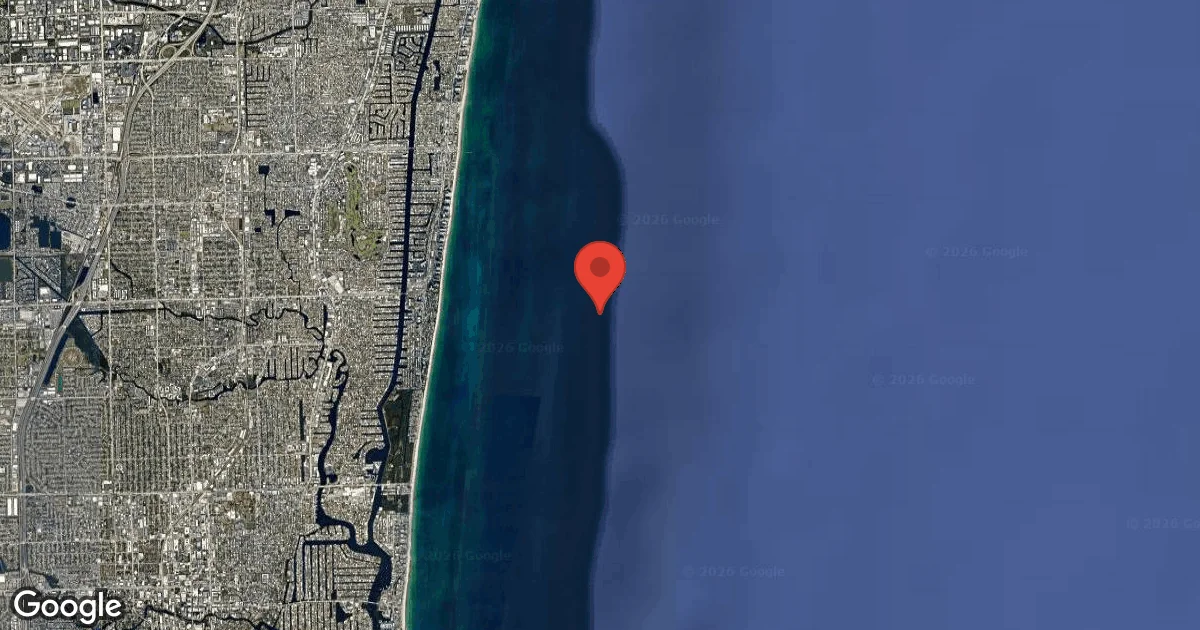
Dive Site Location & Key Facts
Dive Site Overview
Venturing beneath the surface at Eternal Reef #43 reveals a dynamic ecosystem established to enhance marine life and offer unique exploration opportunities. This artificial reef forms part of a broader initiative, focusing on habitat creation, responsible tourism, and the preservation of legacies through deliberate deployment.
Such projects, like Eternal Reef #43, are designed to evolve into vibrant underwater cities, attracting diverse marine species and providing essential substrate for growth. Exploration here often involves navigating structures found within common recreational depth ranges, allowing divers of varying experience levels to engage with the site's developing features. Meticulously placed, the concrete structures foster robust coral and marine organism growth, steadily transforming into living underwater monuments.
Beyond the structures, a distinct sandy bottom typically defines the surrounding seafloor, offering a clear contrast to the burgeoning life on the reef itself. Witnessing this dynamic development offers tangible insight into the impressive scale and ongoing success of the region's commitment to marine environmental stewardship and dive tourism.
Conditions are Excellent
07:00 - 14:00
Optimal conditions expected
Current conditions near Eternal Reef #43 show 27° air, 31° sea temperature, 0.5 m waves, and 6 km/h wind. Forecast data is refreshed regularly to ensure accuracy.
Best Time to Dive
Planning your visit to Eternal Reef #43 starts with understanding the seasonal conditions that impact the dive experience. July generally presents excellent diving conditions, characterized by the highest average air temperature of around 28°C (82°F), minimal wave heights averaging 0.4 m (1.3 ft), and the calmest winds at approximately 14.45 km/h (9 mph). These summer months offer the most comfortable surface conditions for boat travel and pre-dive preparations. Conversely, late fall, particularly October, can see increased wave heights averaging 1.1 m (3.6 ft), which might lead to choppier surface conditions. While September experiences the highest average rainfall at 10.25 mm (0.4 inches), rainfall tends to be sporadic, often not impacting dive plans significantly. Water temperature for this specific site isn't consistently reported, but it generally tracks the seasonal air temperature, remaining warmest during summer and gradually cooling through fall and winter.
PEAK SEASON SCORE
Scores combine air & water temps, waves, wind & rainfall for overall conditions.
BEST MONTHS TO DIVE
Monthly records compiled from satellite and marine observation nodes over the last 3 years. Data provided by Open-Meteo and MET Norway.
Dive Experience & Conditions
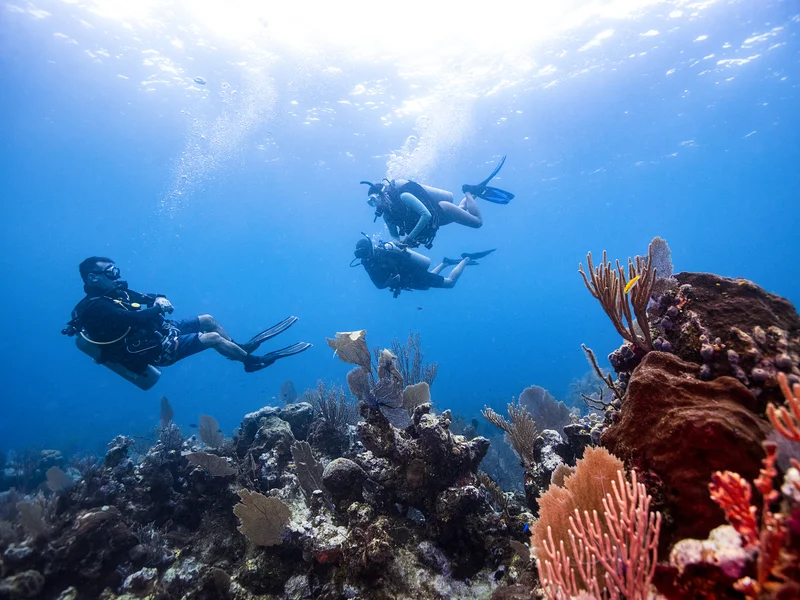
Descending into Eternal Reef #43 presents a visual transformation from open water to a structured, thriving habitat. Divers will typically find themselves exploring depths within recreational limits, often around 12-25 m (40-80 ft), where the artificial structures begin to reveal their complexity. Visibility at the site can vary based on local currents and recent weather events, but it's often good enough to appreciate the intricate details of the reef and its inhabitants. Water movement is generally mild, though occasional currents can be present, especially around the structures. Expect to navigate around and over various concrete formations designed to mimic natural reef systems. Exploring the nooks and crannies requires good buoyancy control to avoid disturbing the nascent coral growth and resident marine life. It's a dive that rewards careful observation and a slow pace.
Dive Difficulty & Safety Guidelines
Approaching Eternal Reef #43 requires a mindful appreciation for its dual purpose as both a marine habitat and, for some artificial reefs in the region, a memorial site. Divers must respect all structures and marine life, refraining from touching or collecting any materials. While no specific hazards are reported for this site, general safe diving practices apply.
Maintain excellent buoyancy control to prevent accidental contact with fragile growth or the reef's surface. Recreational divers should stick to planned depths and avoid any penetration of structures unless specifically certified and accompanied by appropriate guides.
The placement of artificial reefs adheres to strict guidelines set by regulatory bodies such as the EPA, NOAA, FWC, and the Army Corps of Engineers, ensuring environmental integrity. Prioritize pre-dive planning, check current conditions, and always dive within your certification and experience limits.
Recommended Equipment
- Dive Computer
This gear list is based on verified equipment signals for Eternal Reef #43, United States. Always confirm final gear choices with your dive operator, guide, or liveaboard.
Recommended Dive Suit
The latest conditions reported around Eternal Reef #43 place the water temperature close to 31°C (88°F). Surface air temperatures are resting at 27°C (80°F).
Dive skin or rash guard generally offers enough warmth for most dives under these conditions.
Forecasts suggest a slight cooling pattern in the days ahead. Cooler days are ahead; you might want a warmer option for later in the week. Some divers prefer carrying a slightly thicker suit as a backup.
Due to technical issues with our weather providers, data hasn't been fetched for over 48 hours. The data above reflects the conditions at the time of the last successful fetch.
Emergency & Medical Support
Essential information to help you plan your dive trip to Eternal Reef #43.

Hyperbaric chambers are a critical part of dive safety infrastructure. Availability varies significantly by region, and not all dive areas have immediate access.
Before diving, it's recommended to:
- confirm nearest medical facilities
- check emergency procedures with local dive operators
- ensure dive insurance covers evacuation if required
Divers Alert Network
Diving emergency assistance available through DAN World.
+1-919-684-9111- 24/7 emergency hotline
- Diving medical assistance
- Evacuation coordination
Emergency contacts are provided for reference. Always verify local emergency services before diving.
Marine Life at Eternal Reef #43
Immediately noticeable on any dive at Eternal Reef #43 is the emergent marine community. Artificial reefs like this attract a wide array of reef fish, transforming the structures into vibrant underwater cities.
You'll observe various schools of fish moving around the concrete elements, establishing new territories. Hard and soft corals, along with other marine organisms, are in various stages of colonization, actively contributing to the reef's growing biodiversity.
Keep an eye out for resident invertebrates, which often find shelter within the reef's nooks. It's a dynamic environment, constantly evolving as marine life establishes itself on these purposeful habitats.
Dive Sites Near Eternal Reef #43
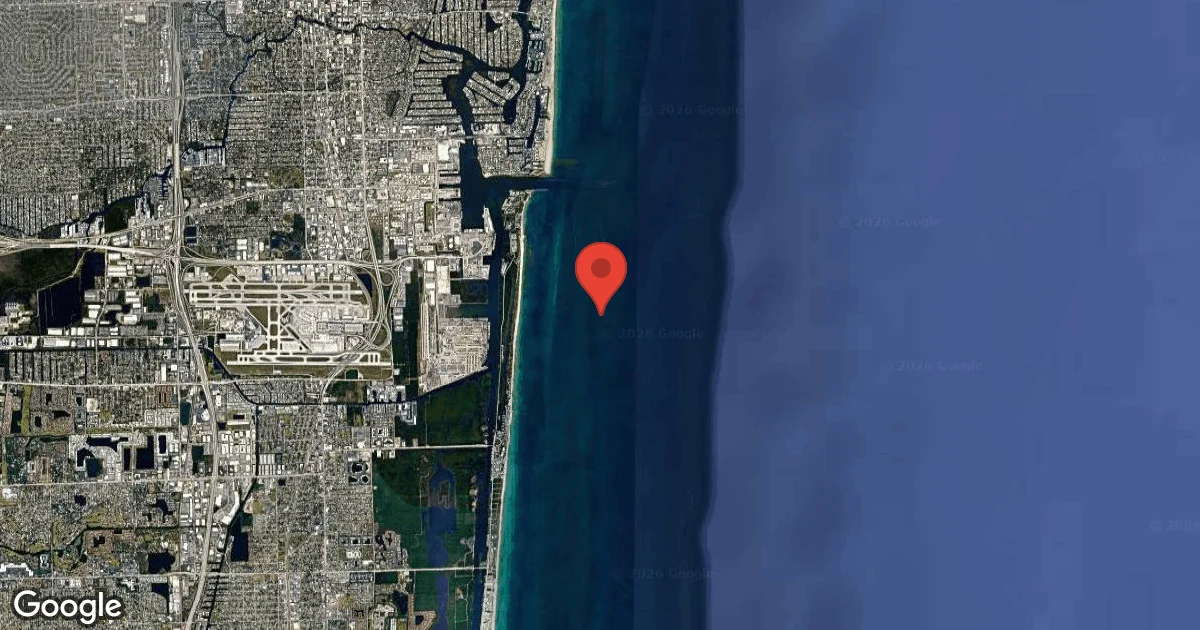
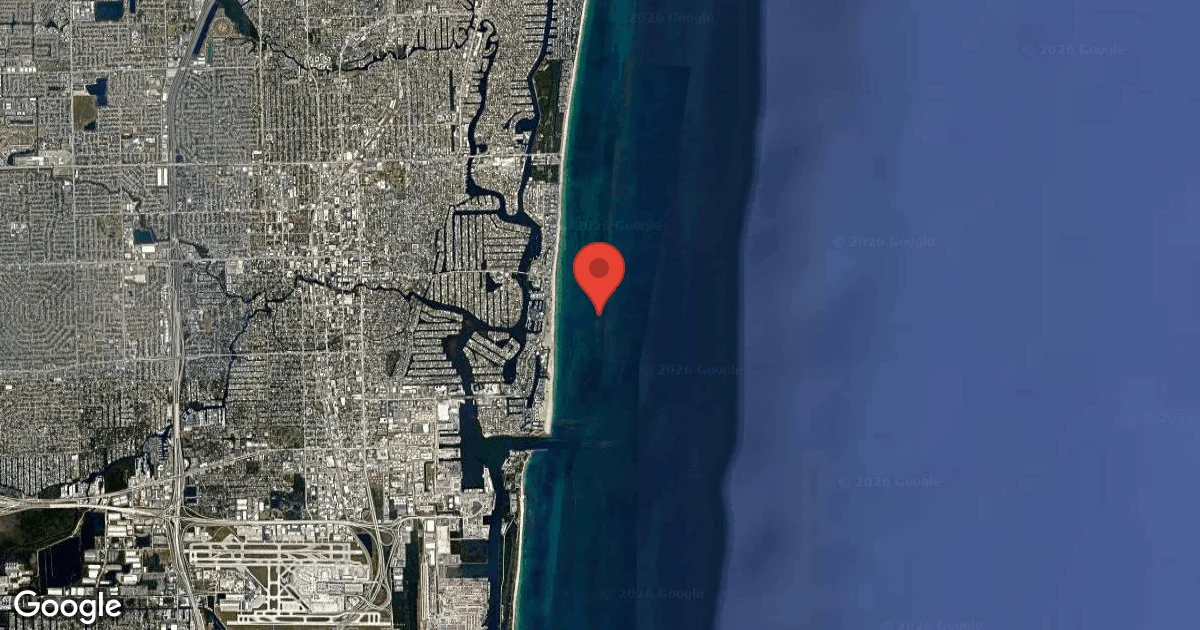
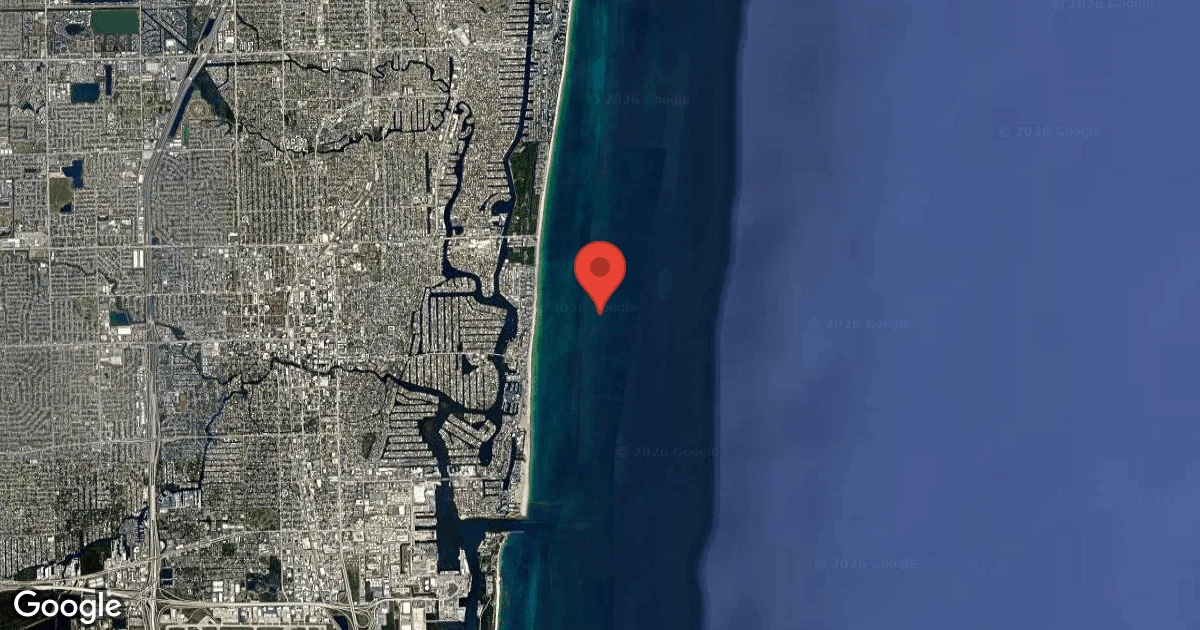
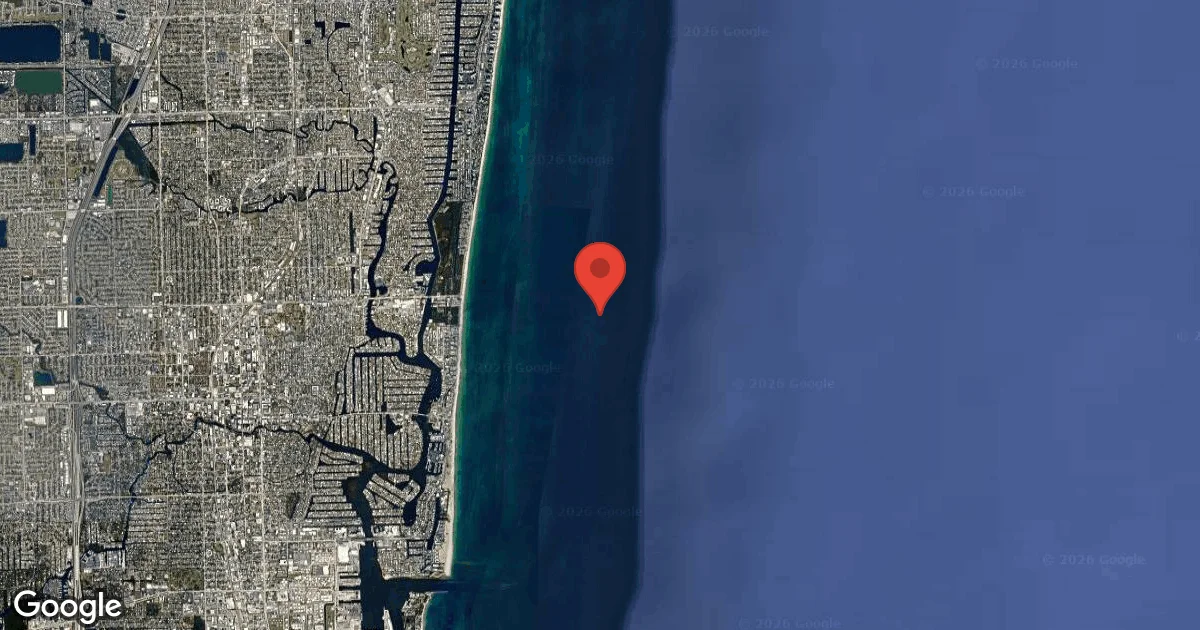
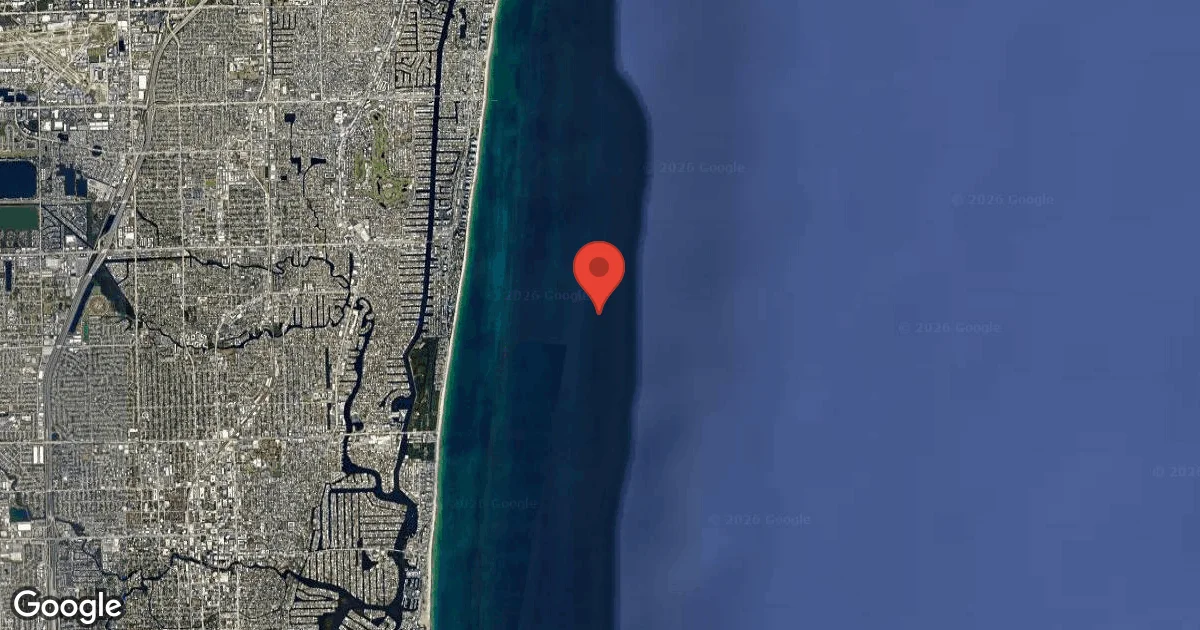
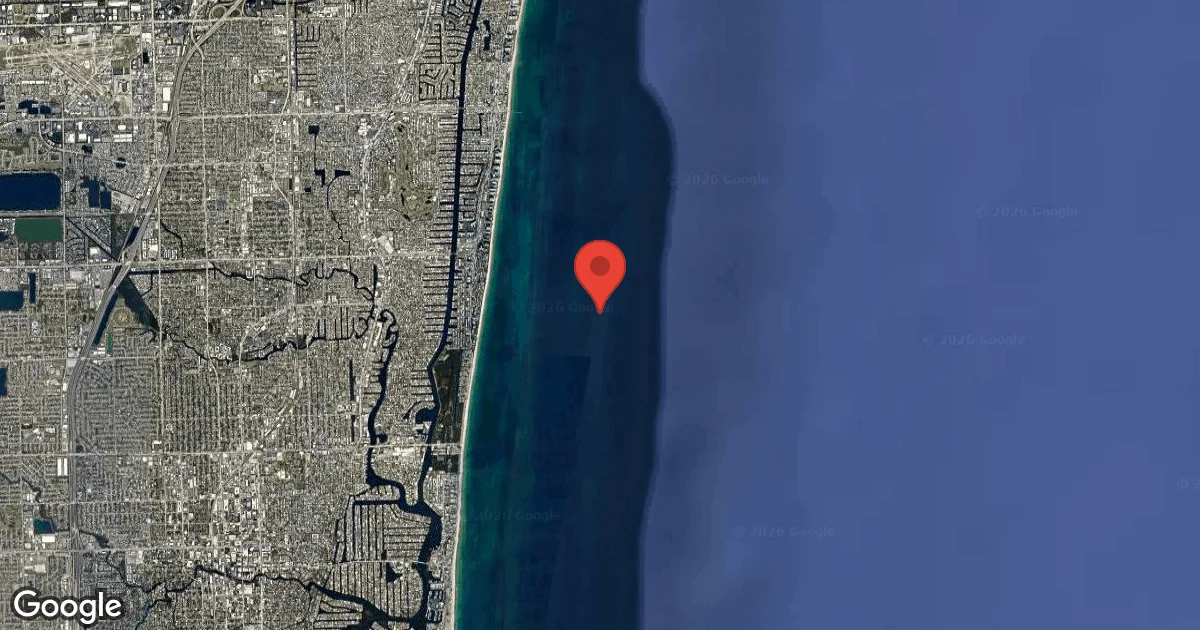
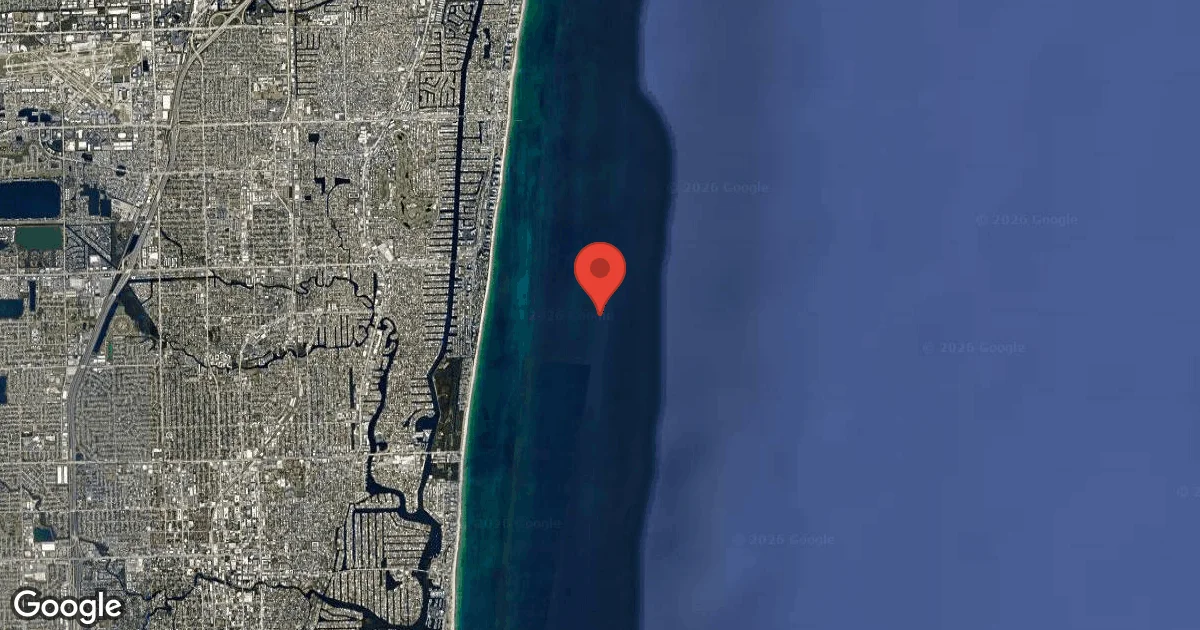
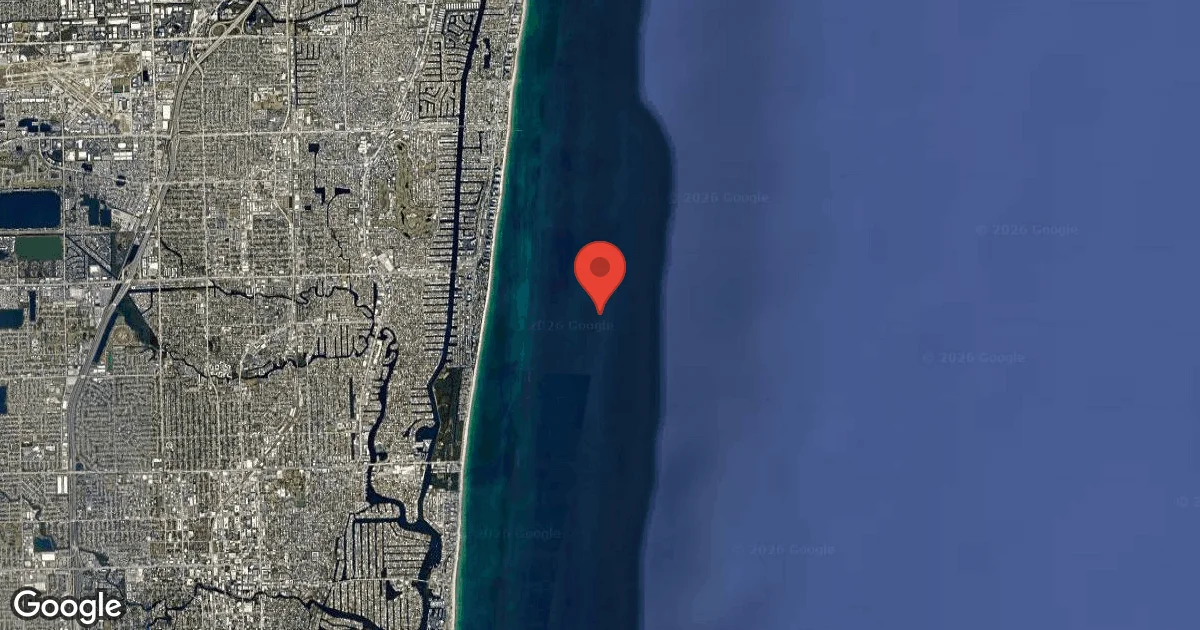
View all dive sites in United StatesDiscover more underwater gems in this area.
Dive Centers Near Eternal Reef #43
Today: 09:00 - 17:00
Nearest Airports
Nearest airports to help plan travel to this dive area.
Search Flights
Check available flights and routes on Expedia, using the nearby airports listed in this section.
Search Flights on Expedia
Plan Your Stay
Looking for a place to stay for your dive trip? Explore hotels, stays, and vacation rentals for dive groups near Golden Beach.
Dive Navigator may earn a commission from these links at no extra cost to you.
Frequently Asked Questions
What exactly is Eternal Reef #43?
Eternal Reef #43 is an artificial reef designed to serve as both a marine habitat and a potential memorial site. It's part of a broader program in the United States to create vibrant underwater ecosystems where natural reefs are scarce, supporting biodiversity and offering new dive experiences.
What is the typical depth for diving Eternal Reef #43?
Most dives at Eternal Reef #43 explore recreational depths, generally ranging from 12-25 m (40-80 ft). The structures are placed to allow access for divers of various skill levels, focusing on observable marine life and the developing reef.
What kind of marine life can I expect to see?
Divers will observe a growing community of reef fish and other marine organisms. These artificial structures are designed to attract a wide array of species, fostering biodiversity and promoting the growth of various corals and invertebrates.
Are there any specific rules or guidelines for diving this reef?
Yes, always approach the site with respect for both its environmental and potential memorial purposes. Avoid touching or disturbing any structures, coral, or marine life. Follow general safe diving practices and always dive within your certification limits.
Is fishing allowed at Eternal Reef #43?
Fishing regulations vary significantly between artificial reef sites. Some artificial reefs are open to fishing, while others, particularly memorial reefs like the Neptune Memorial Reef mentioned in the region, strictly prohibit it. Always check local guidelines for Eternal Reef #43 before planning any fishing activities.
What is the visibility usually like?
Visibility at Eternal Reef #43 can vary, influenced by local currents, recent weather, and particulate matter in the water. It's best to check current conditions before your dive to get the most accurate expectation for your visit.
Is Eternal Reef #43 suitable for beginner divers?
Many artificial reefs, including sections of Eternal Reef #43, are designed to be accessible for recreational divers. However, always assess your comfort and skill level. Good buoyancy control is beneficial for navigating the structures effectively and safely.
Planning to dive Eternal Reef #43?
Send one inquiry and receive offers directly from the best verified local dive operators.
Conditions are Excellent
07:00 - 14:00
Optimal conditions expected
Current conditions near Eternal Reef #43 show 27° air, 31° sea temperature, 0.5 m waves, and 6 km/h wind. Forecast data is refreshed regularly to ensure accuracy.