
Diving at Fish Haven 13 (PR11) (United States)
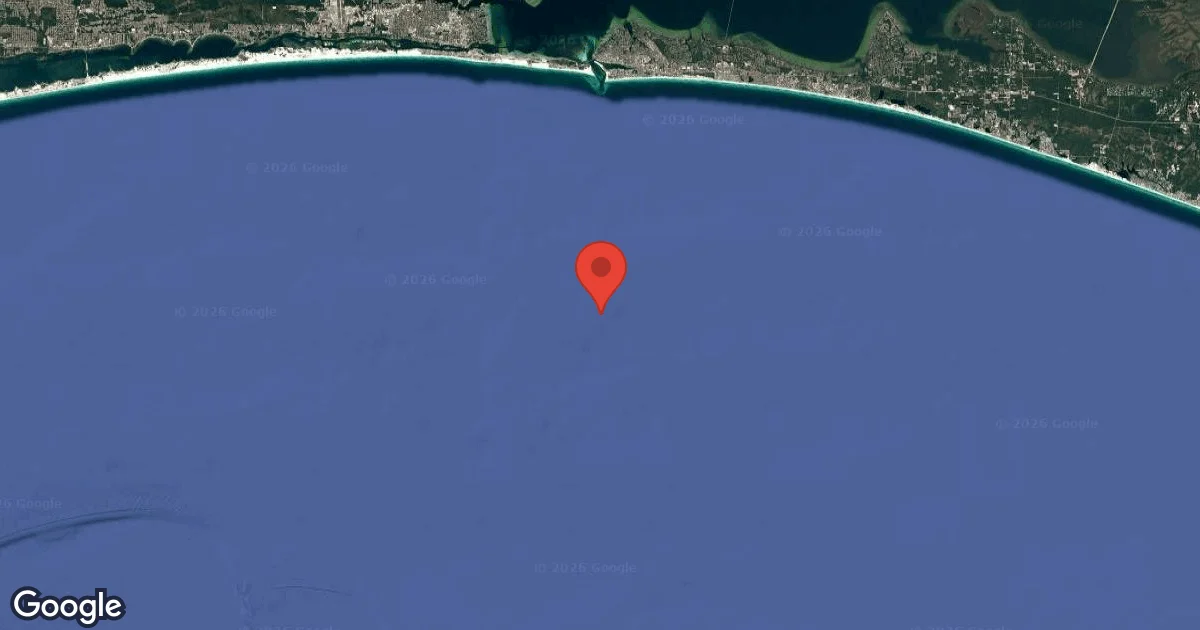
Offshore from Pascagoula, Mississippi, approximately 23 miles south, Fish Haven 13 presents a compelling underwater landscape for divers. A massive 107,000-gallon liquid hydrogen tank, affectionately known as the 'Big Round Thing' from NASA, forms its most notable feature. This substantial structure, alongside two smaller tanks, establishes a distinct artificial reef system on the seabed.
As evening covers Fish Haven 13 (PR11), the local air temperature is measured at 32°C. The current wave height at the surface is recorded at 0.4 m. These late-day readings characterize the surface conditions for the night.
Dive Site Location & Key Facts
Dive Site Overview
Divers exploring this artificial reef engage with a compelling underwater history, a site born from significant efforts to rebuild Mississippi's marine habitats after Hurricane Katrina in 2005. Fish Haven 13 marks the 113th artificial reef deployment by the Mississippi Department of Marine Resources since that event, highlighting a committed restoration initiative.
Here, divers investigate a former NASA liquid hydrogen tank, deployed October 26 into roughly 26 m (85 ft) of water. Built in the 1960s for the Saturn V program, this 98,000-pound sphere now fulfills a new ecological purpose. Placing these structures aimed to create robust offshore fishing opportunities and provide essential cover for various fish species, attracting marine life to intricate surfaces.
As divers descend, they encounter the imposing 'Big Round Thing,' a testament to human ingenuity repurposed for nature's benefit. Exploring around this large central structure and two accompanying smaller tanks provides a distinct experience, unlike natural reefs or shipwrecks, yet still offering the complexities that attract and shelter aquatic inhabitants.
Conditions are Excellent
07:00 - 14:00
Optimal conditions expected
Current conditions near Fish Haven 13 (PR11) show 32° air, 30° sea temperature, 0.6 m waves, and 18 km/h wind. Forecast data is refreshed regularly to ensure accuracy.
Best Time to Dive
Planning a dive at Fish Haven 13 often centers on achieving optimal underwater visibility, a factor varying with seasonal weather patterns. Typically, the calmest conditions, correlating with lower wave heights and wind speeds, are observed from July through September. During these months, average wave heights can drop to around 0.6 m (2.0 ft) and wind speeds generally range between 22-24 km/h (14-15 mph), offering more stable diving conditions. While specific water temperature data for the site is not consistently reported, air temperatures are warmest during these periods, averaging 26-28°C (79-84°F). Rainfall is moderate year-round, with September seeing slightly higher averages at 5.62 mm; however, such amounts generally don't impede diving significantly. Conversely, winter months, particularly January through March, present cooler air temperatures of 12-17°C (54-63°F) and higher wave and wind averages, potentially reducing visibility and making surface conditions less comfortable.
PEAK SEASON SCORE
Scores combine air & water temps, waves, wind & rainfall for overall conditions.
BEST MONTHS TO DIVE
Monthly records compiled from satellite and marine observation nodes over the last 3 years. Data provided by Open-Meteo and MET Norway.
Dive Experience & Conditions
Entering the waters above Fish Haven 13, divers can expect to descend to a maximum depth of 26 m (85 ft), where primary artificial reef structures lie. A large NASA tank, serving as the central attraction, provides ample surfaces and crevices for exploration. Conditions here can fluctuate, influenced by the offshore environment; however, deployment depth generally keeps the main reef clear of strong surface surge. While specific current reports remain limited, prudent dive planning should account for moderate currents that can occur in open water. Water temperatures are not explicitly recorded in available data, but local conditions suggest warmer waters in summer and cooler temperatures through winter. Substantial structures on the seabed mean divers should maintain neutral buoyancy to avoid disturbing accumulated silt, especially in and around the tanks. Overall, a site suited for certified divers comfortable with open water conditions and the recreational depth range.
Dive Difficulty & Safety Guidelines
Diving this artificial reef requires standard precautions, consistent with any open water offshore site. Given that Fish Haven 13 is an assembly of industrial components, divers should be mindful of potential entanglement points, although the large tank is a relatively clear structure. While there are no specific hazards reported for this site, maintaining proper buoyancy control is always essential to avoid contact with the reef and prevent accidental dislodgement of marine growth or silt.
Being 23 miles offshore, boat access is mandatory, and divers should ensure their vessel is adequately equipped and that the captain is experienced in operating in these waters. Limited cell service can be a factor in remote areas, so reliable communication methods and emergency protocols must be established before departure. Always dive within your certification limits and consider carrying an SMB for surface visibility.
Recommended Equipment
- Dive Computer
This gear list is based on verified equipment signals for Fish Haven 13 (PR11), United States. Always confirm final gear choices with your dive operator, guide, or liveaboard.
Recommended Dive Suit
Surface temperatures may decrease slightly later in the week. A significant temperature drop is forecast; strongly suggest bringing a backup warmer suit option. A hood or vest can noticeably improve warmth during longer dives.
For typical recreational dives, dive skin or rash guard generally provides comfortable insulation. A hood or vest is suggested for sensitive divers due to surface winds.
Recent environmental data from Fish Haven 13 (PR11) indicates water temperatures near 30°C (87°F). Surface air temperatures are resting at 32°C (90°F).
Emergency & Medical Support
Essential information to help you plan your dive trip to Fish Haven 13 (PR11).

Hyperbaric chambers are a critical part of dive safety infrastructure. Availability varies significantly by region, and not all dive areas have immediate access.
Before diving, it's recommended to:
- confirm nearest medical facilities
- check emergency procedures with local dive operators
- ensure dive insurance covers evacuation if required
Divers Alert Network
Diving emergency assistance available through DAN World.
+1-919-684-9111- 24/7 emergency hotline
- Diving medical assistance
- Evacuation coordination
Emergency contacts are provided for reference. Always verify local emergency services before diving.
Marine Life at Fish Haven 13 (PR11)
As an artificial reef, Fish Haven 13's primary objective is to create a vibrant habitat, attracting and sustaining a variety of marine species. Upon descending, divers often first notice schooling fish congregating around the large, complex surfaces of the sunken NASA tank.
Such a structure provides ample shelter and a substrate for smaller organisms. Over time, the tank and accompanying smaller structures become encrusted with corals, sponges, and anemones, which in turn draw a diverse array of crustaceans and mollusks.
While specific species data is not available for this site, artificial reefs are known to become home to various demersal fish, including snapper, grouper, and other species seeking refuge and feeding opportunities. An evolving ecosystem constantly colonizes the man-made structures.
Dive Sites Near Fish Haven 13 (PR11)
View all dive sites in United StatesDiscover more underwater gems in this area.
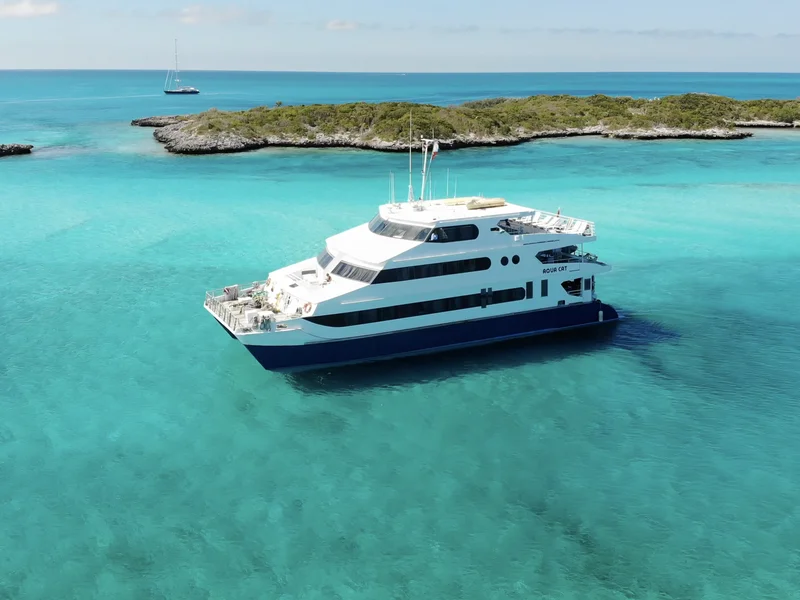
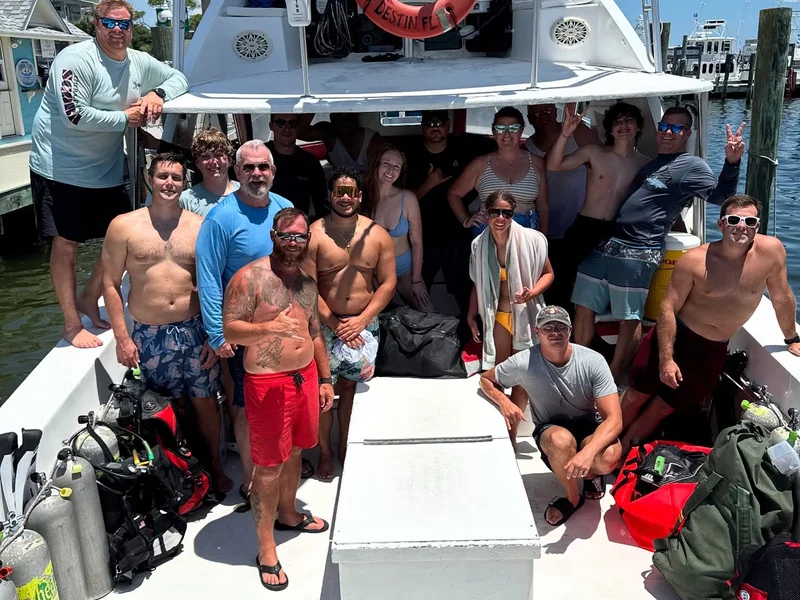
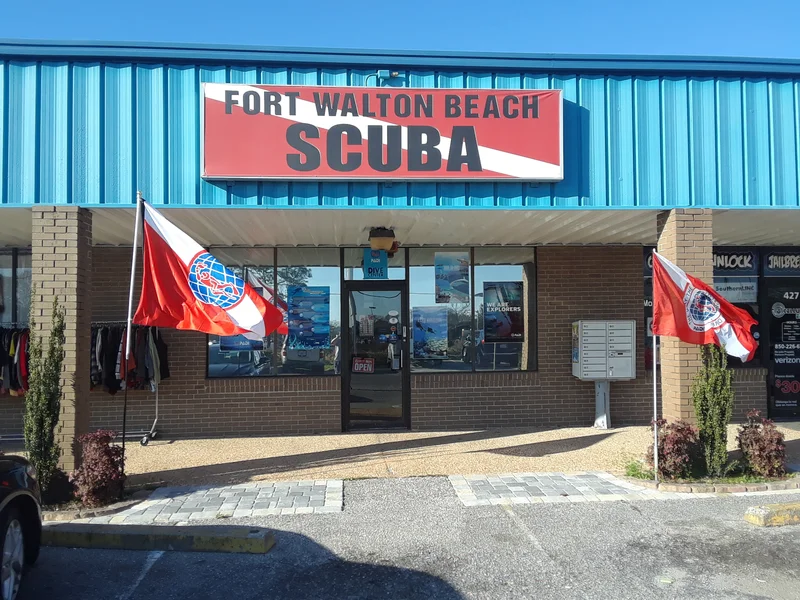
Dive Centers Near Fish Haven 13 (PR11)
Today: 08:00 - 17:00
Nearest Airports
Nearest airports to help plan travel to this dive area.
Search Flights
Check available flights and routes on Expedia, using the nearby airports listed in this section.
Search Flights on Expedia
Plan Your Stay
Looking for a place to stay for your dive trip? Explore hotels, stays, and vacation rentals for dive groups near Destin.
Dive Navigator may earn a commission from these links at no extra cost to you.
Frequently Asked Questions
Where is Fish Haven 13 located?
Fish Haven 13 lies approximately 23 miles south of Pascagoula, Mississippi, in the United States. It's an offshore dive site accessible by boat.
What kind of dive site is Fish Haven 13?
It's an artificial reef site, primarily formed by a large 107,000-gallon liquid hydrogen tank from NASA, along with two smaller tanks. These structures create a habitat for marine life.
What is the maximum depth at Fish Haven 13?
Main artificial reef structures, including the large tank, were deployed in approximately 26 m (85 ft) of water.
What is the 'Big Round Thing'?
The 'Big Round Thing' is the nickname for the 107,000-gallon liquid hydrogen tank, originally from NASA's Stennis Space Center, that forms the primary structure of Fish Haven 13.
When was Fish Haven 13 created?
The main NASA tank was deployed on October 26 by the Mississippi Department of Marine Resources. Its deployment was part of extensive efforts to restore artificial reefs after Hurricane Katrina in 2005.
What are the best months for diving Fish Haven 13?
The period from July through September generally offers the calmest surface conditions, with lower wave heights and wind speeds, which can improve underwater visibility. Air temperatures are also warmest during these months.
Is marine life abundant at Fish Haven 13?
Designed as an artificial reef to attract fish and provide habitat, the site supports various marine species, including schooling fish, crustaceans, and corals that colonize structures over time.
Planning to dive Fish Haven 13 (PR11)?
Send one inquiry and receive offers directly from the best verified local dive operators.
Conditions are Excellent
07:00 - 14:00
Optimal conditions expected
Current conditions near Fish Haven 13 (PR11) show 32° air, 30° sea temperature, 0.6 m waves, and 18 km/h wind. Forecast data is refreshed regularly to ensure accuracy.