
Diving at Flagler NNW (United States)
The Atlantic waters off Flagler, Florida, present a dynamic dive environment. Surface conditions can shift from calm seas to moderate waves, influenced by seasonal weather patterns and wind speeds varying between 15.28-21.77 km/h (9.5-13.5 mph). Air temperatures range from a cooler 15°C (59°F) in winter to a warm 27.5°C (82°F) in summer, shaping the overall feel of a dive day.
Evening condition tracking at Flagler NNW features an air temperature of 26.5°C. We have recorded wave heights measuring 0.9 m during this period. These figures outline the environmental parameters currently present.
Dive Site Location & Key Facts
Dive Site Overview
Exploring the dive sites around Flagler, Florida, provides access to a diverse underwater landscape that balances wreck diving with natural reef exploration. While the immediate Flagler Beach area is known for lengthy transit times to offshore sites, the broader region stretching from Daytona to New Smyrna Beach features numerous wrecks and natural reefs.
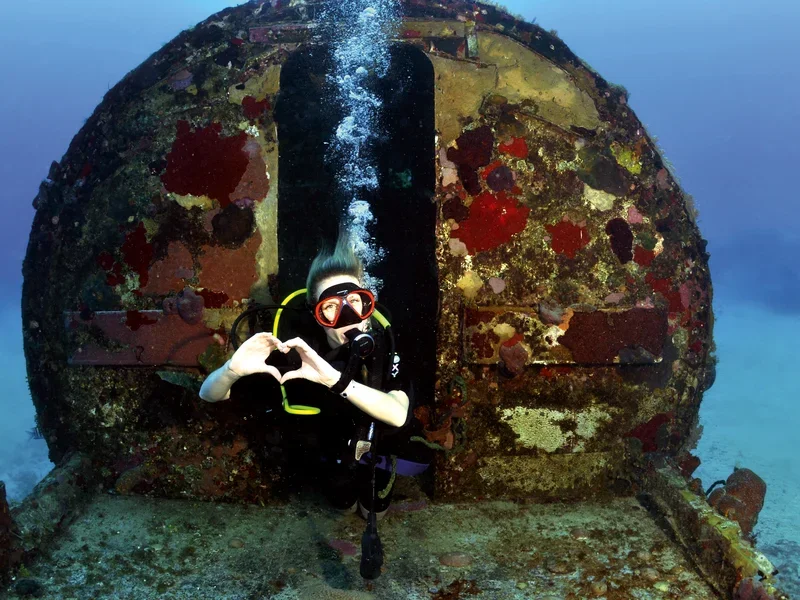
One notable site, Flagler’s Barge in the Florida Keys, though geographically distant, illustrates the character of shallower wreck dives possible within Florida’s waters, resting at just 7.6 m (25 ft) and appealing to new divers. Farther offshore, other sites can reach depths of approximately 30 meters. These deeper areas can reveal a different ecosystem, with occasional sightings of larger pelagic species.
Diver visibility in the area is highly variable; it can range from poor to as clear as 30 m (100 ft) depending on previous storm activity and localized current conditions. Charters operate from nearby locations like Daytona and New Smyrna Beach, though their winter schedules can be intermittent. Planning involves considering these logistical aspects, alongside the varying seasonal conditions.
Conditions are Good
Optimal conditions expected
Current conditions near Flagler NNW show 26° air, 29° sea temperature, 0.9 m waves, and 22 km/h wind. Forecast data is refreshed regularly to ensure accuracy.
Best Time to Dive
Dive planning for Flagler, Florida, should prioritize conditions, which are generally most favorable from May through September. During these months, the dive score is consistently 'Good', aligning with warmer air temperatures that average 24.5-27.5°C (76-82°F). Wave heights also tend to be lowest in summer, averaging 0.7-0.9 m (2.3-3.0 ft), contributing to calmer boat rides and easier entries. Rainfall averages are higher in the summer, peaking at 7.11 mm in September, but this doesn't consistently impact offshore dive conditions significantly. Conversely, October and April are rated 'Moderate' for diving. October typically sees the highest average wave height at 1.7 m (5.6 ft) and increased wind speeds, potentially limiting dive opportunities. Offshore water temperatures typically range from the low 60s to mid-70s Fahrenheit (approximately 15-24°C), but specific seasonal fluctuations are not consistently reported.
PEAK SEASON SCORE
Scores combine air & water temps, waves, wind & rainfall for overall conditions.
BEST MONTHS TO DIVE
Monthly records compiled from satellite and marine observation nodes over the last 3 years. Data provided by Open-Meteo and MET Norway.
Dive Experience & Conditions
The depth profile for dives near Flagler, Florida, varies significantly, catering to different certification levels. Shallow wreck dives, like Flagler’s Barge (if considering Keys examples), typically reside in depths around 7.6 meters, providing ample bottom time and a relaxed environment suitable for beginners. Offshore reef and wreck sites, accessible by boat, often extend to maximum recreational depths. Deeper conditions may present cooler water, with temperatures generally ranging from 15-24°C (lo 60s to mid 70s F). Visibility is highly dependent on recent weather; it can vary from very limited after storms to excellent up to 30 meters on calm days. Surface conditions are influenced by wind, with average speeds between 15.28-21.77 km/h (9.5-13.5 mph). This variability requires divers to be adaptable and check current forecasts meticulously before heading out.
Dive Difficulty & Safety Guidelines
Before diving around Flagler, expert planning is crucial due to variable conditions and potentially lengthy transit times to offshore sites. Always confirm charter availability, especially during winter months when operations can be intermittent. Visibility can fluctuate dramatically from poor to 30 m (100 ft), influenced by recent storms or currents, so be prepared for a range of underwater clarity.
While specific hazards are not consistently reported for Flagler dive sites, general ocean diving precautions apply. Maintain situational awareness, especially in areas with potential for stronger currents, though these are not a primary concern for the typical Flagler area dives.
Always dive within your training and experience limits. Contacting local dive shops in New Smyrna Beach or Daytona for up-to-date local insights on specific sites and conditions is highly recommended.
Recommended Equipment
- Dive Computer
This gear list is based on verified equipment signals for Flagler NNW, United States. Always confirm final gear choices with your dive operator, guide, or liveaboard.
Recommended Dive Suit
The latest conditions reported around Flagler NNW place the water temperature close to 29°C (83°F). Surface air temperatures are resting at 26°C (79°F).
For the majority of recreational dives here, 2-3mm shorty or light wetsuit should provide suitable protection. A hood or vest is suggested for sensitive divers due to surface winds.
Forecasts suggest a slight cooling pattern in the days ahead. Cooler days are ahead; you might want a warmer option for later in the week. Some divers prefer carrying a slightly thicker suit as a backup.
Emergency & Medical Support
Essential information to help you plan your dive trip to Flagler NNW.

Hyperbaric chambers are a critical part of dive safety infrastructure. Availability varies significantly by region, and not all dive areas have immediate access.
Before diving, it's recommended to:
- confirm nearest medical facilities
- check emergency procedures with local dive operators
- ensure dive insurance covers evacuation if required
Divers Alert Network
Diving emergency assistance available through DAN World.
+1-919-684-9111- 24/7 emergency hotline
- Diving medical assistance
- Evacuation coordination
Emergency contacts are provided for reference. Always verify local emergency services before diving.
Marine Life at Flagler NNW
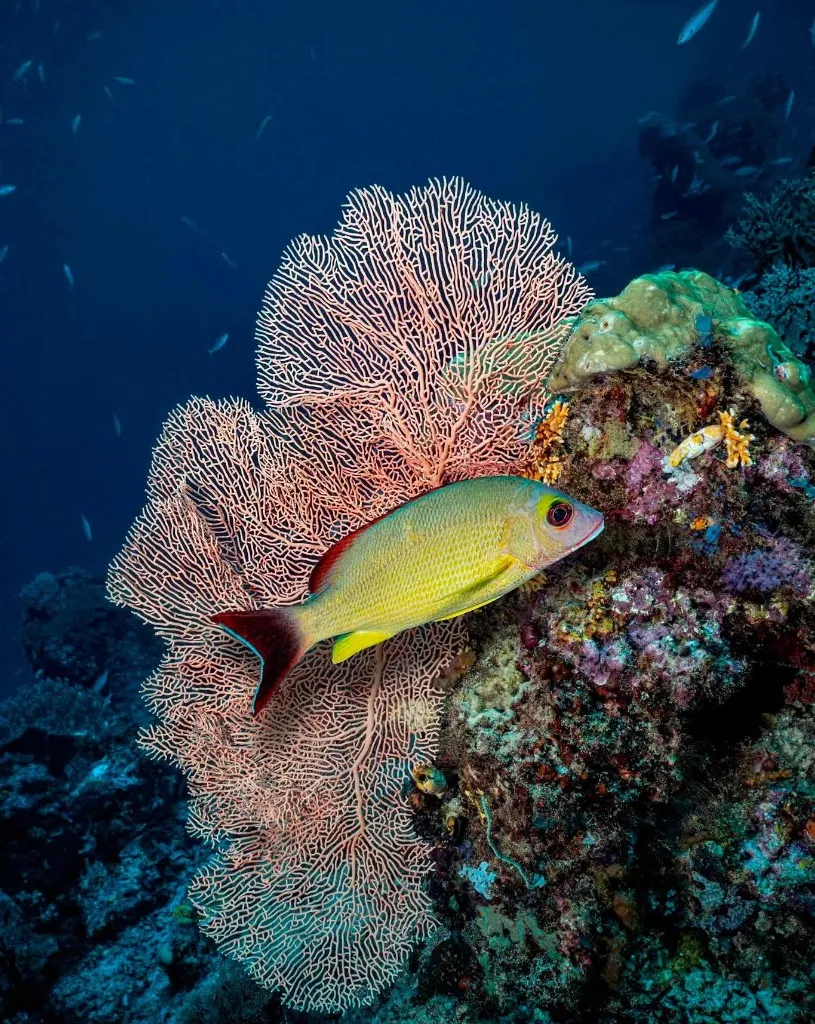
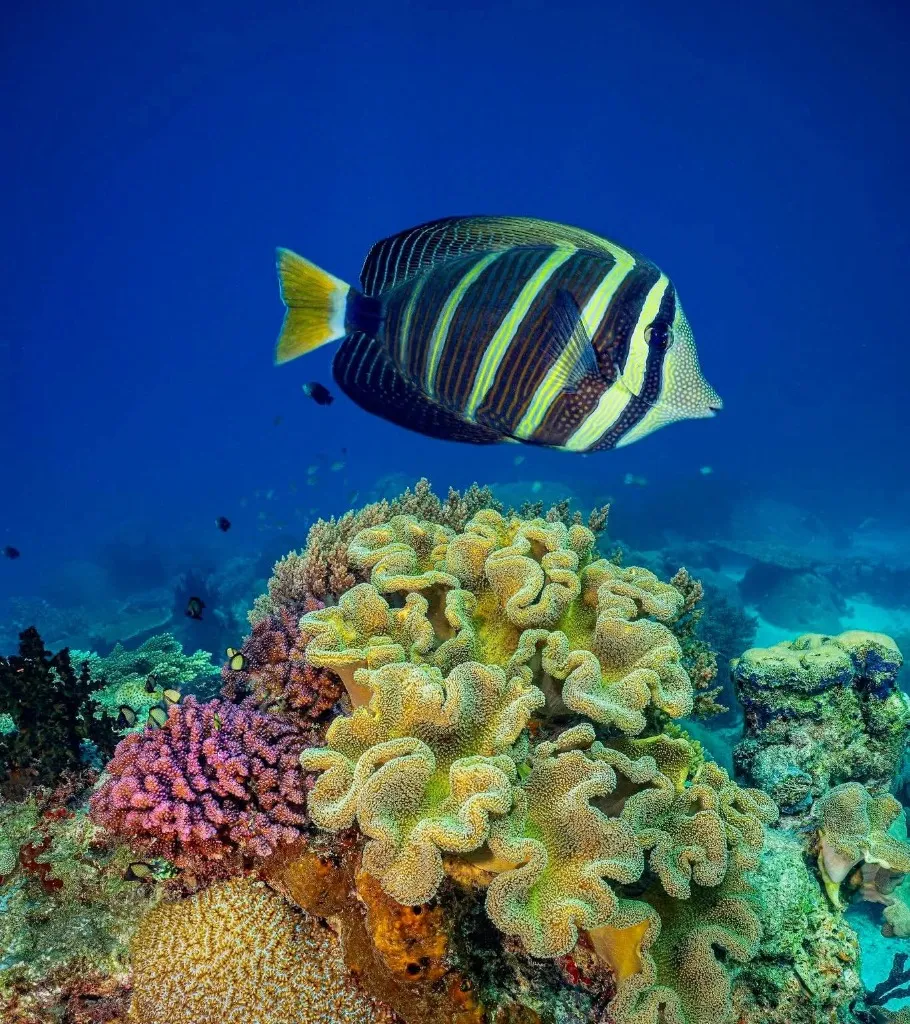
Upon descending in the Flagler area, divers often first notice the vibrant sponge and coral growth, especially on wreck structures. These structures act as magnets for schooling fish like grunts, blue tangs, and yellowtail snapper, providing a dynamic visual spectacle.
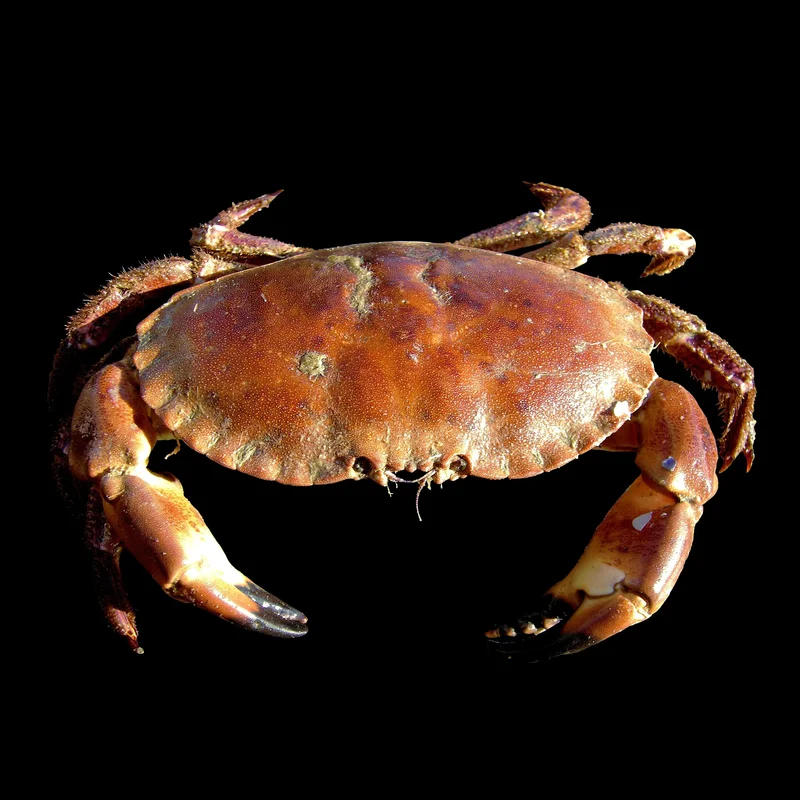
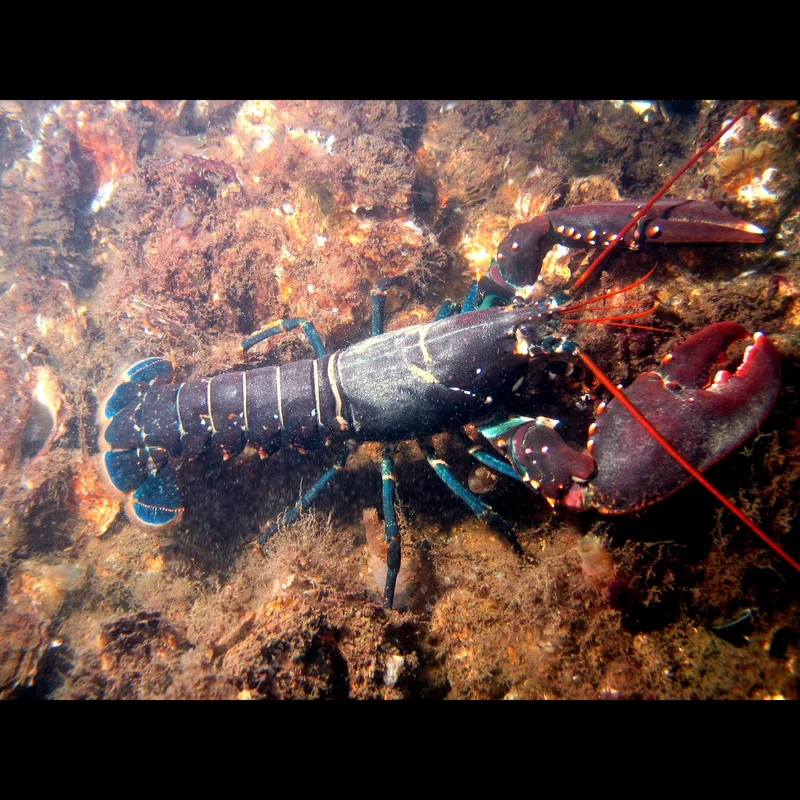
Closer inspection of nooks and crannies may reveal slipper lobsters, busy arrow crabs, and various eels. The Daytona/New Smyrna Beach vicinity is also recognized for holding some of the largest lobsters on the East Coast.
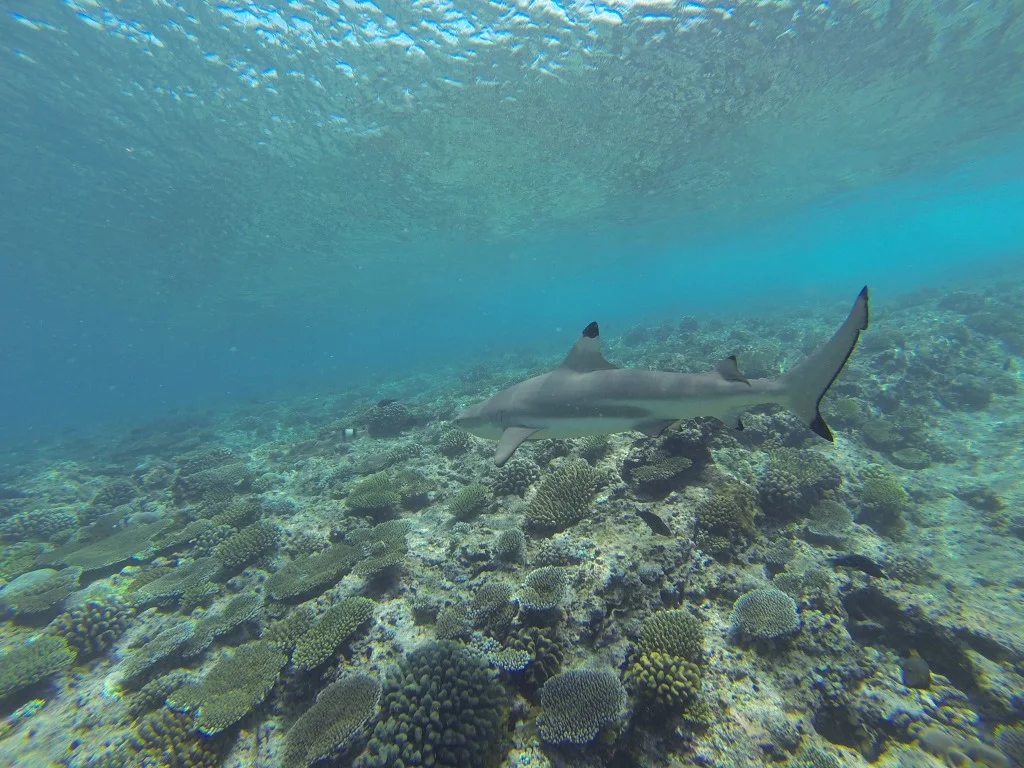
During winter months (December to March), deeper offshore waters present opportunities for sightings of larger pelagic species, including whales, molas, and sizable sharks.
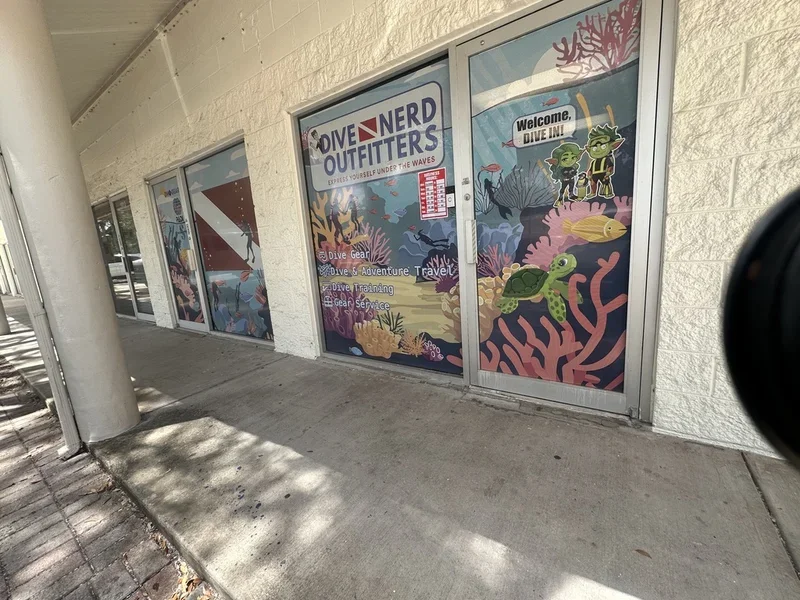
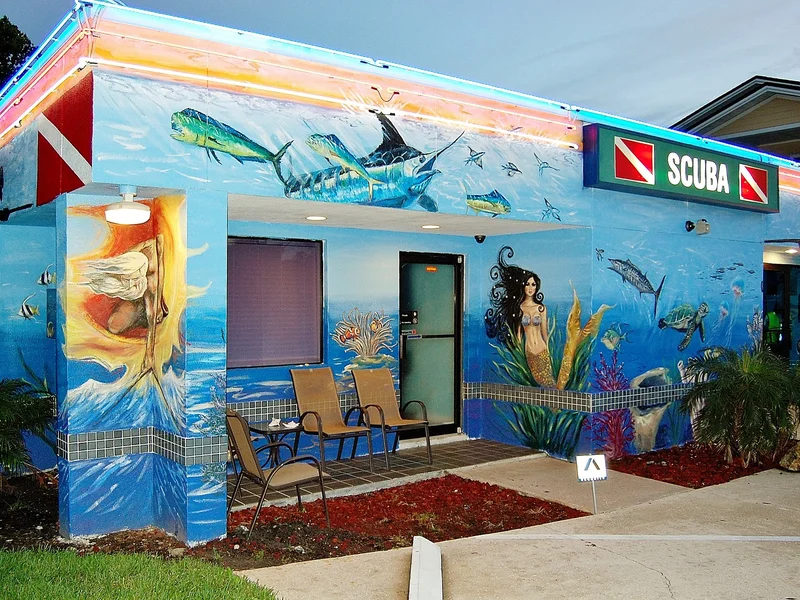
Dive Centers Near Flagler NNW
Today: 10:00 - 17:00
Nearest Airports
Nearest airports to help plan travel to this dive area.
Search Flights
Check available flights and routes on Expedia, using the nearby airports listed in this section.
Search Flights on Expedia
Plan Your Stay
Looking for a place to stay for your dive trip? Explore hotels, stays, and vacation rentals for dive groups near New Smyrna Beach.
Dive Navigator may earn a commission from these links at no extra cost to you.
Frequently Asked Questions
What are the typical water temperatures around Flagler, Florida?
Offshore water temperatures typically range from the low 60s to mid-70s Fahrenheit (approximately 15-24°C). These can fluctuate seasonally, with warmer conditions generally occurring during the summer months.
Is Flagler, Florida, suitable for beginner divers?
Yes, shallower wreck sites, such as Flagler’s Barge in the Keys (illustrative of similar types), are often in the recreational dive range, providing a relaxed environment ideal for beginners to gain experience. Always confirm site-specific conditions and depths with local operators.
How good is visibility when diving near Flagler?
Visibility in the Flagler area is quite variable. It can range from very limited, especially after storms, to excellent conditions reaching up to 30 meters (100 feet) on calmer days. Checking local reports before diving is essential.
Are there wreck dives available in the Flagler region?
Yes, the broader Daytona/New Smyrna Beach area, which is accessible from Flagler, features over a dozen wrecks. These sites range in depth and offer diverse opportunities for exploration.
What kind of marine life can I expect to see?
Divers can observe schooling fish like grunts, blue tangs, and yellowtail snapper on reefs and wrecks. Critters like slipper lobsters, arrow crabs, and eels are also common. Deeper winter dives may also bring sightings of whales, molas, and larger sharks.
Do I need a boat charter to access dive sites?
Most significant dive sites, including wrecks and reefs, are offshore and require boat charters. While shore dives are possible further south near Canaveral, transit times to offshore sites from Flagler can be lengthy.
When is the best time of year to dive Flagler?
The best time to dive is generally from May through September when air temperatures are warm and wave heights are typically lower, leading to better surface conditions. Dive scores are consistently rated 'Good' during this period.
Planning to dive Flagler NNW?
Send one inquiry and receive offers directly from the best verified local dive operators.
Conditions are Good
Optimal conditions expected
Current conditions near Flagler NNW show 26° air, 29° sea temperature, 0.9 m waves, and 22 km/h wind. Forecast data is refreshed regularly to ensure accuracy.