
Diving at Four Reef Balls (United States)
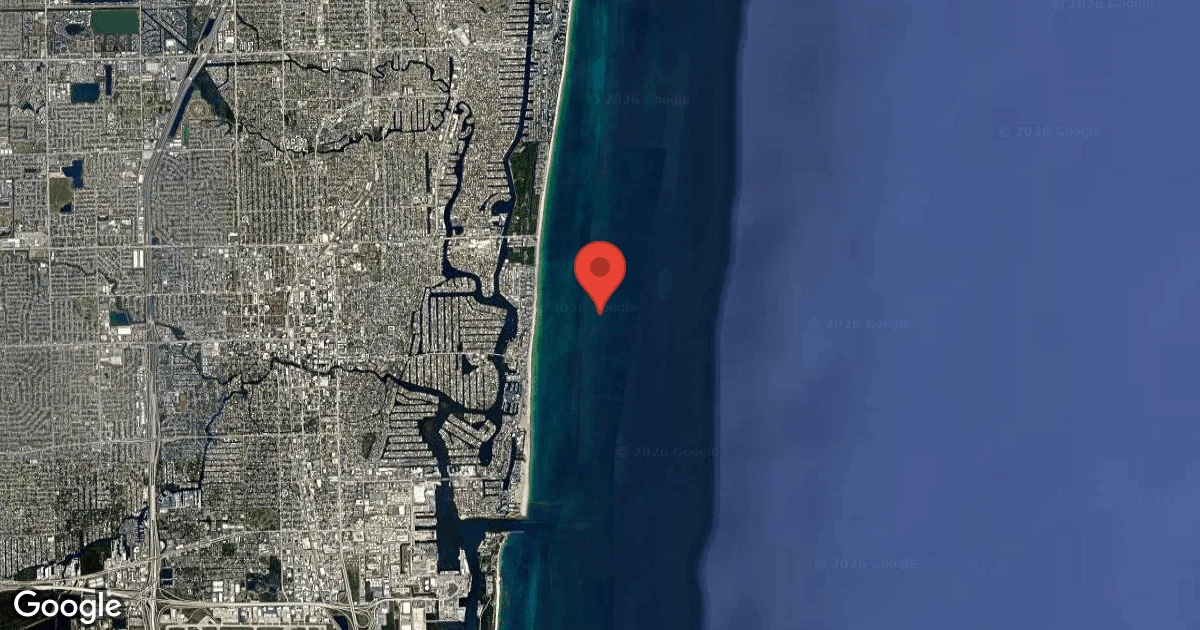
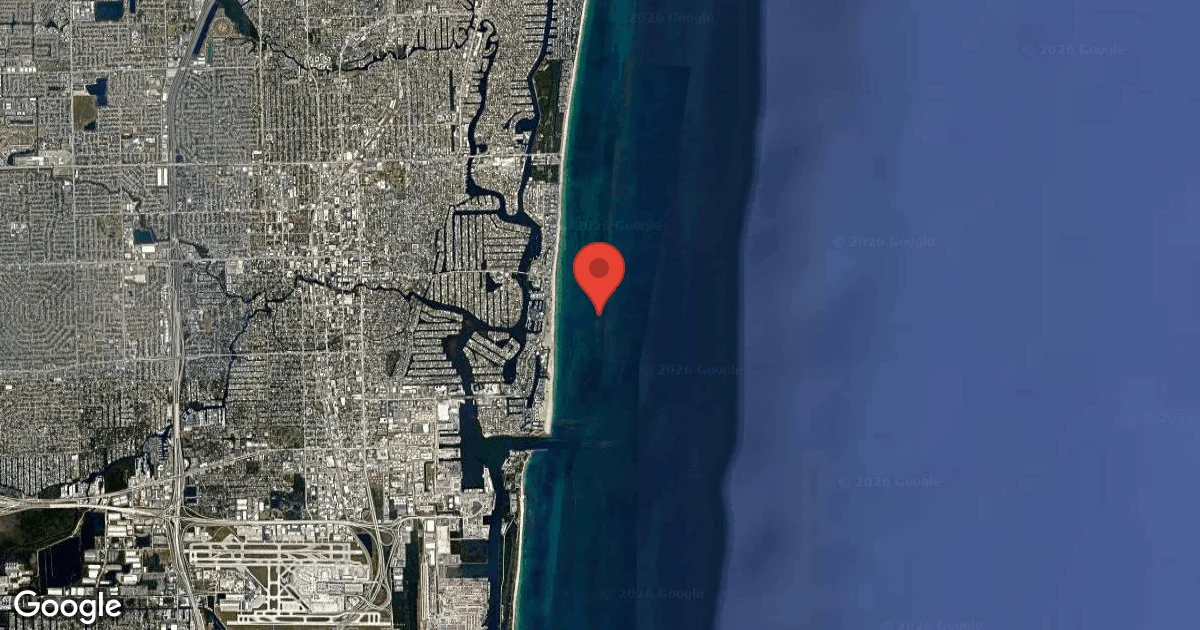
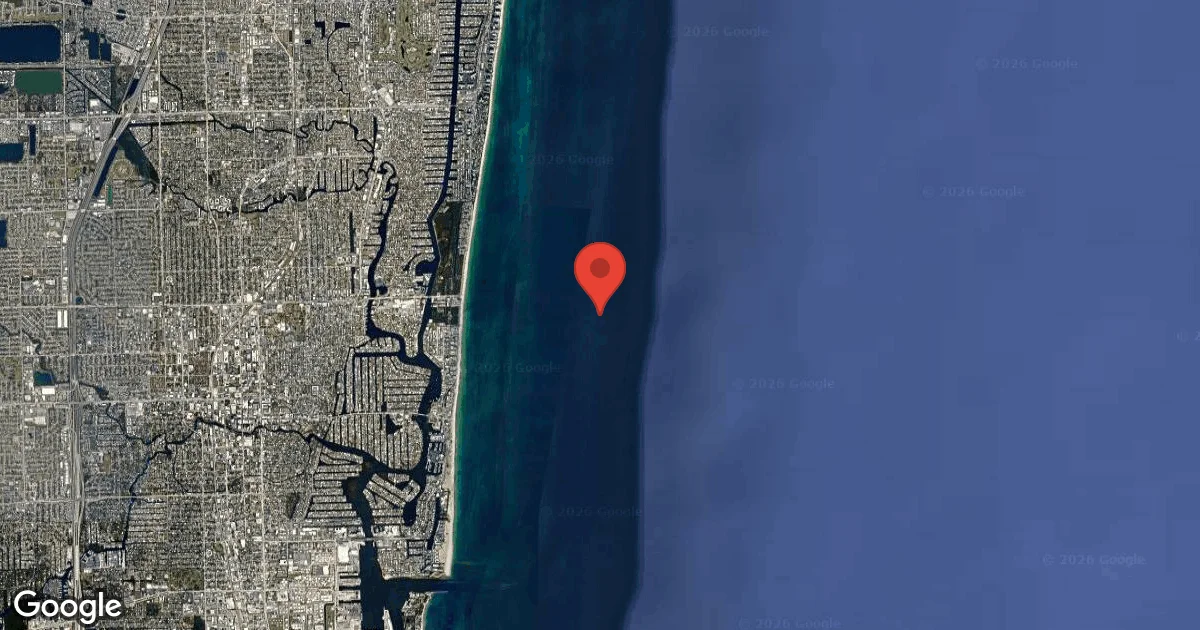
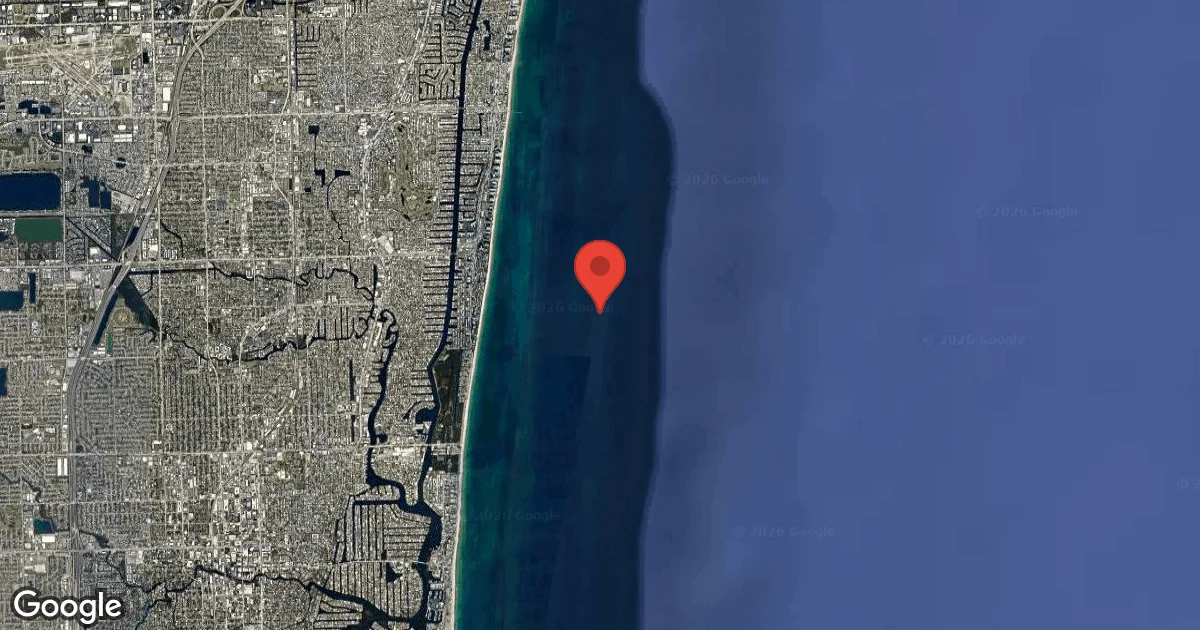
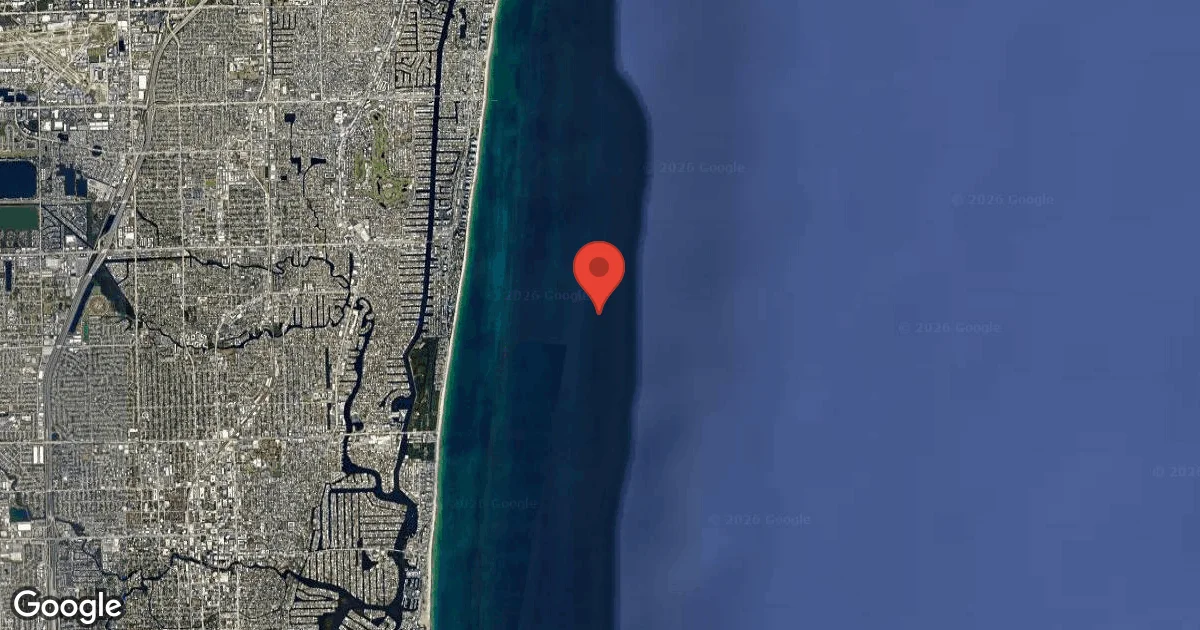
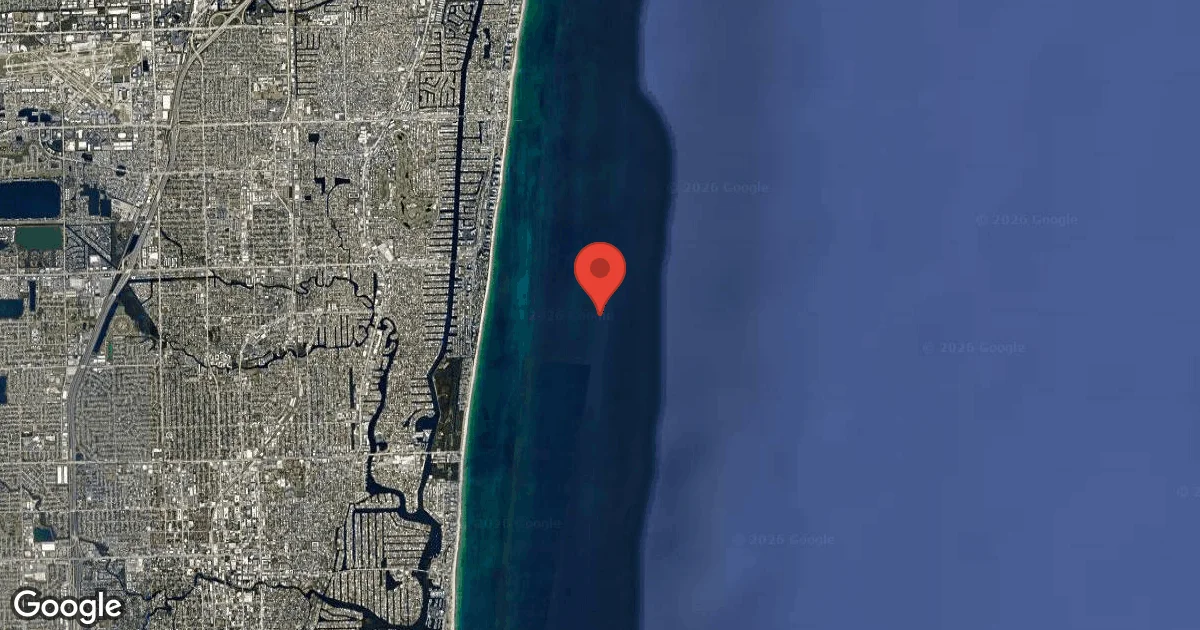
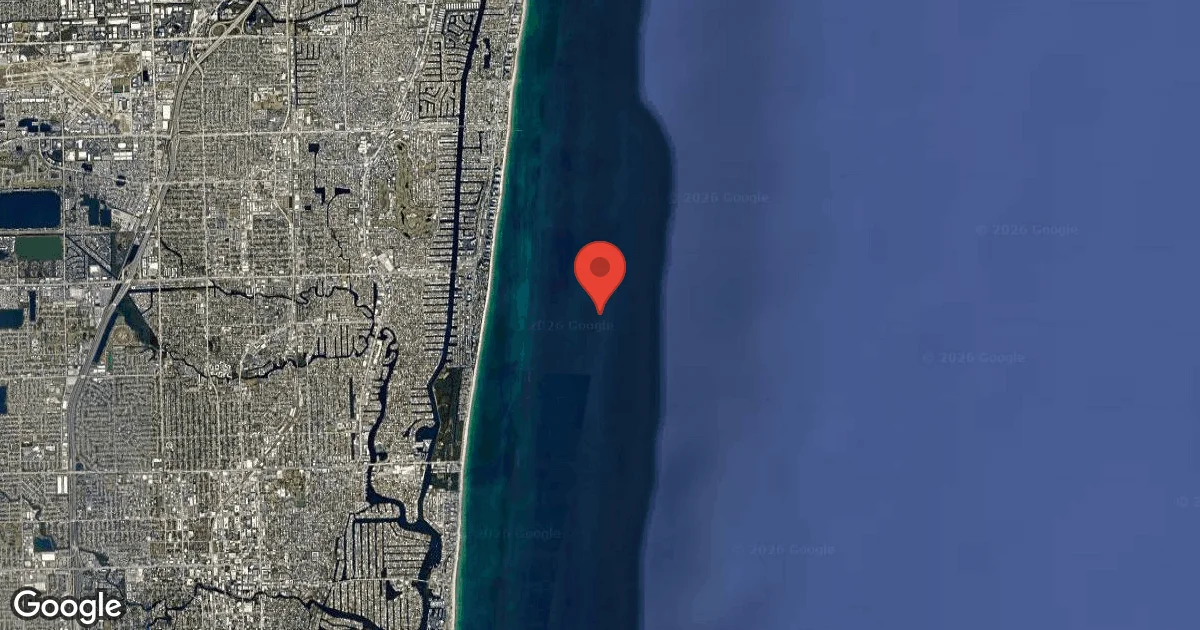
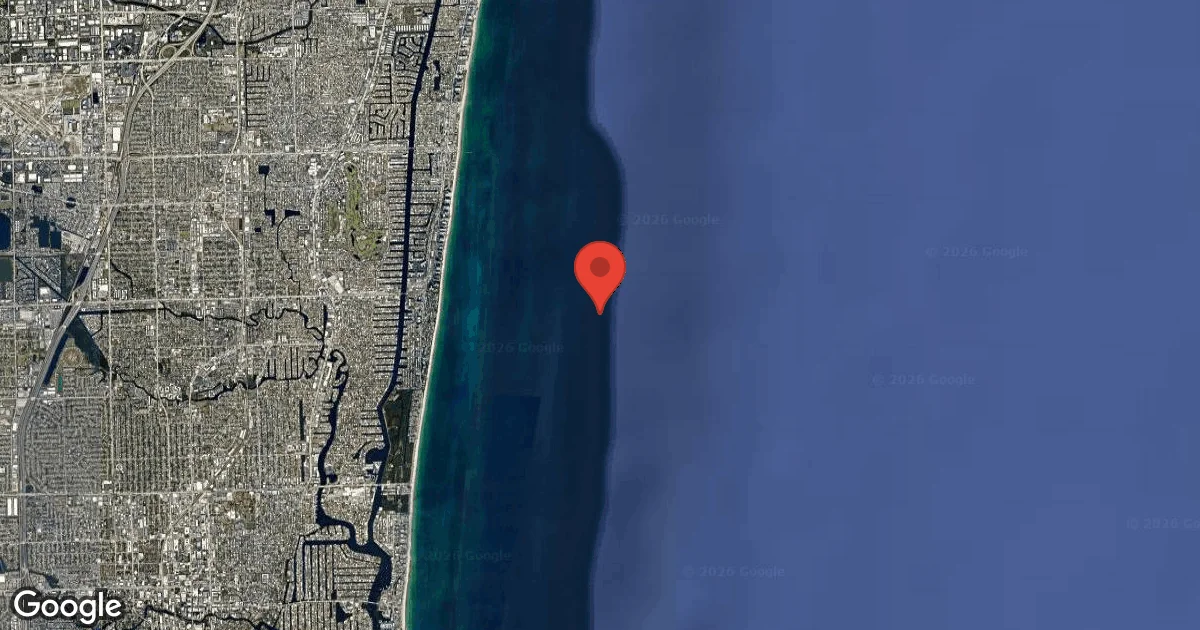
These structures, known as No Shoes Reefs 4, represent a contemporary approach to marine habitat creation off Delray Beach. Comprising 13 substantial reef balls, each weighing 10,000 pounds and measuring 2.1 by 1.8 meters (7 by 6 feet), their deployment by Global SubDive marked a significant environmental effort. The project’s core aim is to foster coral growth and attract diverse marine life, enhancing local fisheries and supporting the broader coastal ecosystem.
Early observations for Four Reef Balls report a surface air temperature of 27°C. The water surface is currently presenting wave heights of 0.6 m. Consider these environmental metrics before beginning your descent.
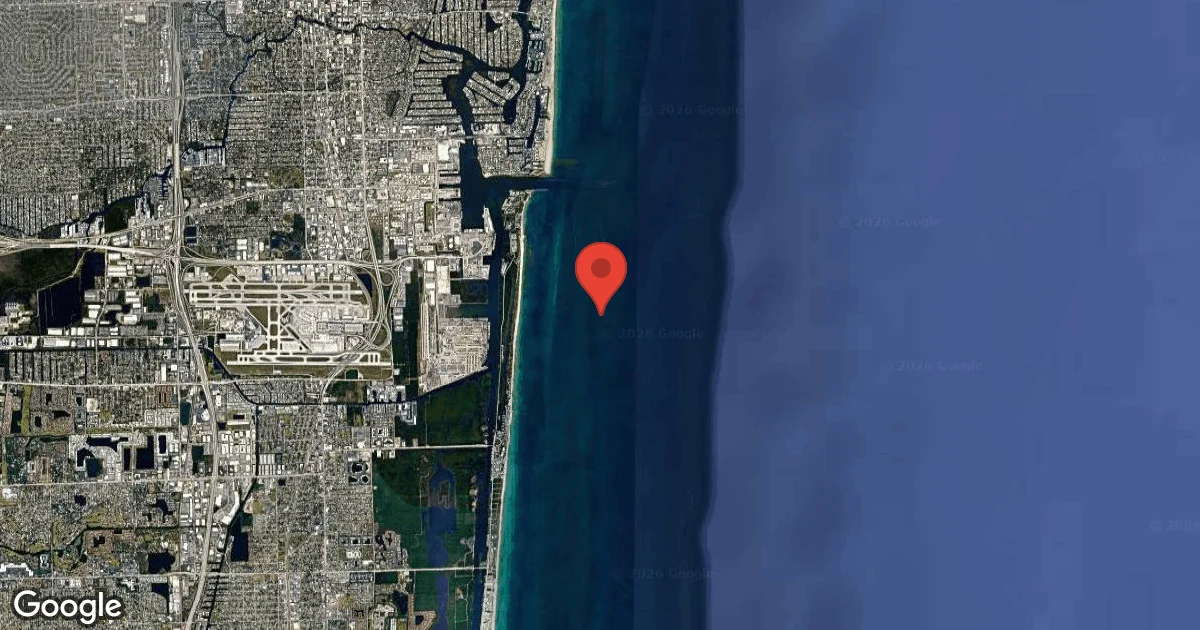
Dive Site Location & Key Facts
Dive Site Overview
The concept of artificial reefs has evolved considerably, and Four Reef Balls exemplifies this progress. Unlike earlier structures often designed purely as fish attractors, these reef balls are engineered to mimic natural reef systems, fostering genuine ecological restoration.
Made from a specialized neutralized concrete with a rough surface texture, they provide an ideal substrate for marine life to settle and grow, promoting species diversity and population density similar to natural reefs. These permanent additions to the marine environment also serve as 'Eternal Reefs' in some instances, incorporating cremated remains within the structures. Documented for over 30 years, reef balls have proven their stability, withstanding direct hits from Category 3, 4, and 5 hurricanes without significant movement.
Divers exploring this site will find themselves immersed in a burgeoning habitat, where new life quickly colonizes the robust structures, contributing to a healthier ocean and offering a distinctive dive experience within recreational depth ranges.
Conditions are Excellent
07:00 - 14:00
Optimal conditions expected
Current conditions near Four Reef Balls show 27° air, 31° sea temperature, 0.6 m waves, and 14 km/h wind. Forecast data is refreshed regularly to ensure accuracy.
Best Time to Dive
For an optimal diving experience at Four Reef Balls, consider visiting during the summer months, particularly July, when conditions tend to be most favorable. July boasts the highest dive score, with average air temperatures reaching 28°C (82°F). This period typically sees the calmest wave heights, averaging around 0.4 meters (1.3 feet), and lower wind speeds, approximately 14.3 km/h (8.9 mph), which contribute to more pleasant surface conditions and potentially better visibility underwater. While specific water temperature data isn't consistently reported, it generally mirrors the warmer air temperatures during this season. May and June also offer good dive scores, with mild wave heights around 0.5-0.6 meters (1.6-2 feet) and air temperatures in the 26-27°C (79-81°F) range. Divers should note that rain levels are higher from June to October, which might occasionally affect visibility or surface comfort.
PEAK SEASON SCORE
Scores combine air & water temps, waves, wind & rainfall for overall conditions.
BEST MONTHS TO DIVE
Monthly records compiled from satellite and marine observation nodes over the last 3 years. Data provided by Open-Meteo and MET Norway.
Dive Experience & Conditions
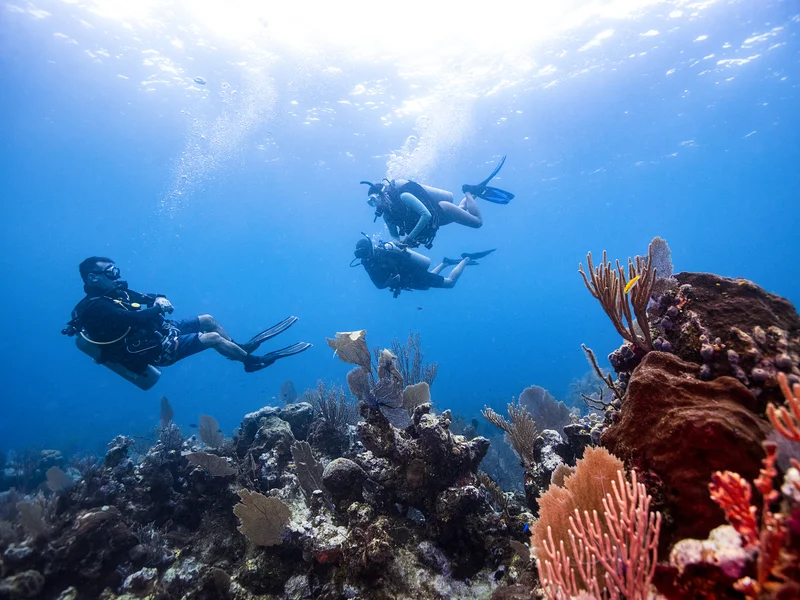
Descending onto the Four Reef Balls, divers encounter structures engineered for marine proliferation. Each reef ball, substantial at 2.1 by 1.8 meters (7 by 6 feet), creates immediate shelter and substrate. The neutralized concrete's rough texture provides ideal surfaces for coral recruitment and the growth of algae and snails, forming the base of a diverse food web. Within months of deployment, significant natural ocean growth typically appears, making each dive a discovery of developing ecosystems. These sites are situated in public reef areas and are generally accessible within recreational depth limits. While water temperature isn't consistently reported, it's typically comfortable during warmer months, aligning with air temperatures ranging from 22-27°C (72-81°F). Conditions can vary; however, the documented stability of reef balls in significant storms suggests a robust environment, though divers should always account for local currents.
Dive Difficulty & Safety Guidelines
Approaching any artificial reef demands adherence to responsible diving practices. Four Reef Balls are situated in publicly permitted reef sites, open for recreational use, including diving and fishing. It's crucial for divers to understand that these structures are permanent memorials and ecological enhancements; therefore, disturbing, damaging, or attempting to retrieve any part of them is strictly prohibited.
Families who have placed an 'Eternal Reef' here are provided with GPS coordinates, which can also aid divers in pinpointing the site. Always check current weather and sea conditions before planning your dive, paying attention to wave heights and currents.
Divers should carry appropriate navigation tools and dive within their certification limits to ensure a safe and enjoyable experience.
Recommended Equipment
- Dive Computer
This gear list is based on verified equipment signals for Four Reef Balls, United States. Always confirm final gear choices with your dive operator, guide, or liveaboard.
Recommended Dive Suit
In conditions like these, many divers prefer diving with dive skin or rash guard.
Divers planning a dive at Four Reef Balls today will likely encounter water temperatures close to 31°C (88°F). Surface air temperatures are resting at 27°C (81°F).
Weather models indicate a small drop in surface temperatures later this week. Cooler days are ahead; you might want a warmer option for later in the week. Having a second exposure option available is often a good precaution.
Emergency & Medical Support
Essential information to help you plan your dive trip to Four Reef Balls.

Hyperbaric chambers are a critical part of dive safety infrastructure. Availability varies significantly by region, and not all dive areas have immediate access.
Before diving, it's recommended to:
- confirm nearest medical facilities
- check emergency procedures with local dive operators
- ensure dive insurance covers evacuation if required
Divers Alert Network
Diving emergency assistance available through DAN World.
+1-919-684-9111- 24/7 emergency hotline
- Diving medical assistance
- Evacuation coordination
Emergency contacts are provided for reference. Always verify local emergency services before diving.
Marine Life at Four Reef Balls
Actively encouraging a vibrant marine ecosystem, these reef balls promote natural species diversity and population density, moving beyond mere fish attraction. Divers will observe significant natural ocean growth appearing within months, with rough concrete surfaces providing shelter and a foundation for coral to establish itself.
This fosters a crucial food source for fish populations, including algae and snails. Serving as a fish producer, the site supports various species drawn to the newly established habitat.
Over time, structures like these integrate into the local marine environment, becoming living memorials that benefit fish, turtles, and other forms of sea life.
Dive Sites Near Four Reef Balls
View all dive sites in United StatesDiscover more underwater gems in this area.
Dive Centers Near Four Reef Balls
Today: 09:00 - 17:00
Nearest Airports
Nearest airports to help plan travel to this dive area.
Search Flights
Check available flights and routes on Expedia, using the nearby airports listed in this section.
Search Flights on Expedia
Plan Your Stay
Looking for a place to stay for your dive trip? Explore hotels, stays, and vacation rentals for dive groups near Sunrise.
Dive Navigator may earn a commission from these links at no extra cost to you.
Frequently Asked Questions
What are the Four Reef Balls?
The Four Reef Balls are part of the 'No Shoes Reefs 4' project, consisting of 13 large artificial reef structures. These structures are made from environmentally safe, neutralized concrete and were deployed offshore Delray Beach, Florida, to create new marine habitats.
Are these reef balls stable in the marine environment?
Yes, reef balls have a documented track record of stability over 30 years. They have successfully withstood direct impacts from Category 3, 4, and 5 hurricanes without significant movement, demonstrating their robustness in challenging marine conditions.
Can I visit the location of the Four Reef Balls?
Yes, the Four Reef Balls are in public reef sites, accessible for diving, fishing, and general recreational use. GPS coordinates are often available to help divers and visitors locate the structures.
How long will an artificial reef ball last?
Reef balls are designed to be permanent additions to the marine environment. Natural ocean growth rapidly colonizes these structures, and they become integrated into the natural reef system, lasting for centuries.
How do these reef balls benefit the marine environment?
These reef balls enhance the marine environment by providing new habitats for fish and other sea life, fostering coral growth, and improving fisheries. They are designed to create natural species diversity and population density, acting as fish producers rather than just attractors.
Can the reef balls be retrieved or moved later?
No, once deployed, the reef balls are donated to the permitted site and cannot be retrieved. Their purpose is to permanently improve the ecosystem of the sea.
Planning to dive Four Reef Balls?
Send one inquiry and receive offers directly from the best verified local dive operators.
Conditions are Excellent
07:00 - 14:00
Optimal conditions expected
Current conditions near Four Reef Balls show 27° air, 31° sea temperature, 0.6 m waves, and 14 km/h wind. Forecast data is refreshed regularly to ensure accuracy.