
Diving at G-H Reef (United States)
G-H Reef forms a vital segment of Florida's comprehensive reef system, holding distinction as the continental United States' sole coral reef ecosystem. Centuries of coral polyp growth shaped these underwater structures, playing a critical ecological role. Since the 1960s, the region has also embraced artificial reef programs. Man-made structures, designed to supplement natural formations, support marine habitats and expand diving opportunities, creating a varied underwater landscape.
Tonight's objective overview for G-H Reef shows an air temperature of 25.5°C. The measured surface conditions include wave heights around 0.3 m. This environmental data is logged for the close of the day.
Dive Site Location & Key Facts
Dive Site Overview
Diving at G-H Reef offers a remarkable exploration of dynamic underwater topography, a blend of natural and artificial structures. As part of the extensive Florida Reef Tract, sites here feature distinct reef lines: inner sections typically begin around 6-9 m (20-30 ft), while the Middle Reef extends to 12-18 m (40-60 ft).
Further offshore, the Outer Reef reaches recreational limits near 30 m (100 ft), suitable for more advanced recreational dives. Many locations also incorporate deployed artificial reef modules, like those off Hollywood and Fort Myers. These installations, from limestone boulders to repurposed vessels such as the USS Mohawk, effectively mimic natural reef characteristics.
They establish intricate habitats over previously featureless sand, stretching from nearshore shallows to over 30 miles offshore. Specific sites, including Barracuda Reef off Broward County, present reef tops around 6 m (20 ft) and are well-suited for drift diving due to their north-south orientation.
Divers can cover significant distances this way, observing large amounts of schooling fish. Overall, G-H Reef presents a varied range of features, from coral formations to complex artificial structures, accommodating various experience levels within recreational depths.
Conditions are Good
Optimal conditions expected
Current conditions near G-H Reef show 26° air, 31° sea temperature, 0.3 m waves, and 23 km/h wind. Forecast data is refreshed regularly to ensure accuracy.
Best Time to Dive
Planning dives for G-H Reef typically yields optimal visibility and calmer seas during late spring and summer. From May through September, the region generally achieves "Excellent" dive scores, marked by reduced wave heights, averaging between 0.3-0.5 m (1.0-1.6 ft), and lighter winds. Air temperatures during these months consistently range from 26.5°C to 28°C (79.3°F to 82.6°F). While June (8.3 mm) and August (6.3 mm) report the highest rain precipitation, these are usually brief tropical showers that don't severely affect offshore visibility. In contrast, January and March, though maintaining "Good" dive scores, can encounter higher wave heights, up to 0.8 m (2.6 ft), and stronger winds. Such conditions may impact surface comfort and underwater clarity. Scheduling dives during periods of lower wind and wave activity, particularly in peak summer, generally improves the overall dive experience by maximizing underwater visibility and comfort.
PEAK SEASON SCORE
Scores combine air & water temps, waves, wind & rainfall for overall conditions.
BEST MONTHS TO DIVE
Monthly records compiled from satellite and marine observation nodes over the last 3 years. Data provided by Open-Meteo and MET Norway.
Dive Experience & Conditions
G-H Reef's underwater conditions typically involve descending from a boat, although some shallower artificial reefs permit shore entry. Warm, saline waters generally prevail, especially throughout summer. While precise water temperatures aren't consistently reported, air temperatures range from 17.5°C (64°F) in winter to 28°C (82°F) in summer. These figures suggest comfortable underwater temperatures for much of the year, often requiring a wetsuit for thermal protection. Mild to moderate currents occur frequently, particularly on deeper reef lines, making it an ideal spot for drift diving. An underwater navigator certification proves beneficial here for managing drifts effectively. Visibility varies, commonly improving significantly offshore. Divers explore diverse reef structures, encountering varied marine life from the shallower sections down to max recreational depth.
Dive Difficulty & Safety Guidelines
Divers at G-H Reef should always prepare for typical ocean conditions, though no specific hazards are consistently reported. Currents can vary, especially during drift dives, so proper buoyancy control and familiarity with surface signaling devices are essential. Due to boat traffic, deploying a dive flag is mandatory to ensure surface safety.
Florida's reef system constitutes a sensitive ecosystem, facing threats from climate change and overfishing. Responsible diving practices are encouraged; avoid contact with corals or artificial structures.
Such care helps protect the fragile habitat. Before any dive, always check local weather and sea forecasts, as conditions can change rapidly. Maintaining awareness of your dive computer and gas supply remains crucial throughout the dive.
Recommended Equipment
- Dive Computer
This gear list is based on verified equipment signals for G-H Reef, United States. Always confirm final gear choices with your dive operator, guide, or liveaboard.
Recommended Dive Suit
Divers planning relaxed exploration may appreciate the warmth of dive skin or rash guard. A hood or vest is suggested for sensitive divers due to surface winds. Divers often notice that perceived temperature can feel cooler during deeper or longer dives.
Conditions at G-H Reef currently place the water temperature near 31°C (88°F). Surface air temperatures are resting at 26°C (78°F).
Conditions are expected to stay fairly consistent in the days ahead.
Due to technical issues with our weather providers, data hasn't been fetched for over 48 hours. The data above reflects the conditions at the time of the last successful fetch.
Emergency & Medical Support
Essential information to help you plan your dive trip to G-H Reef.

Hyperbaric chambers are a critical part of dive safety infrastructure. Availability varies significantly by region, and not all dive areas have immediate access.
Before diving, it's recommended to:
- confirm nearest medical facilities
- check emergency procedures with local dive operators
- ensure dive insurance covers evacuation if required
Divers Alert Network
Diving emergency assistance available through DAN World.
+1-919-684-9111- 24/7 emergency hotline
- Diving medical assistance
- Evacuation coordination
Emergency contacts are provided for reference. Always verify local emergency services before diving.
Marine Life at G-H Reef
G-H Reef's underwater environment supports a variety of marine inhabitants across its diverse structures. Within natural coral formations and around intricate artificial reef modules, divers frequently encounter schooling fish, often in vast numbers.
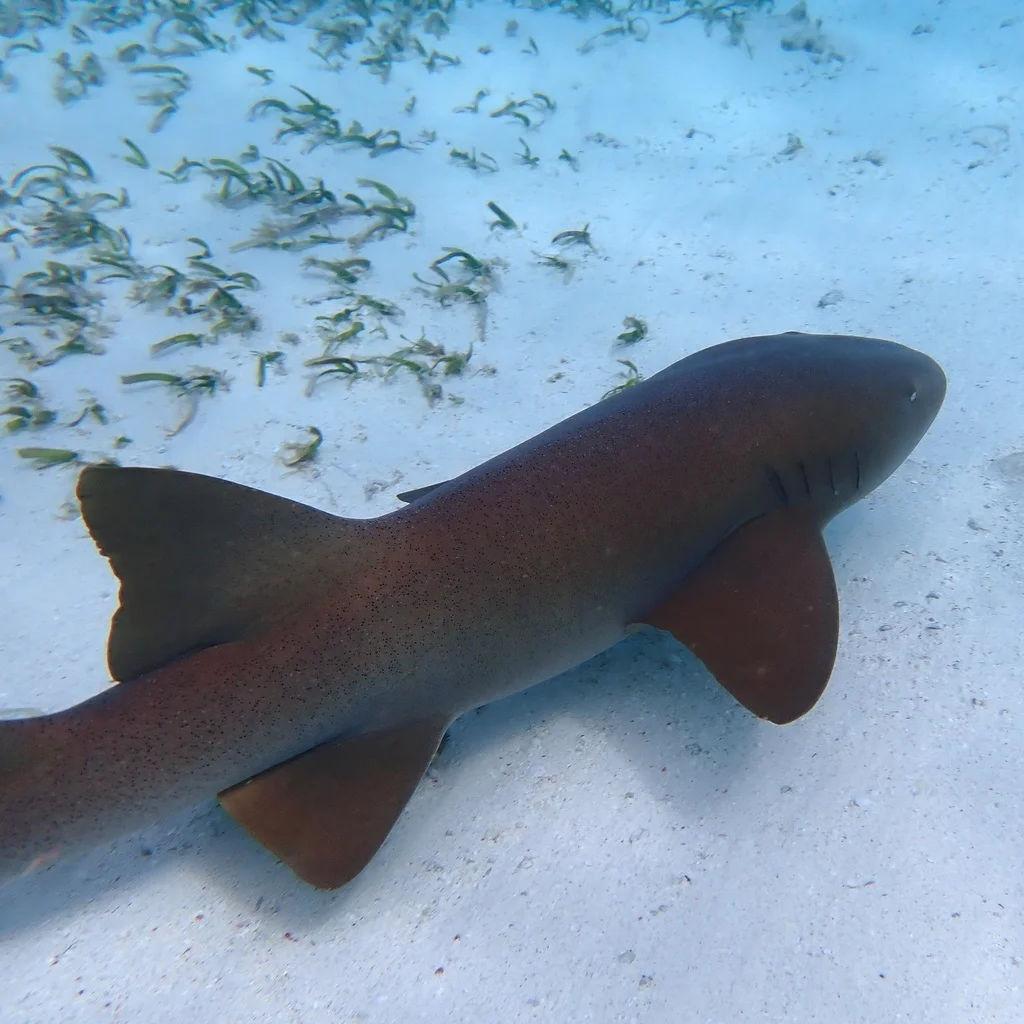
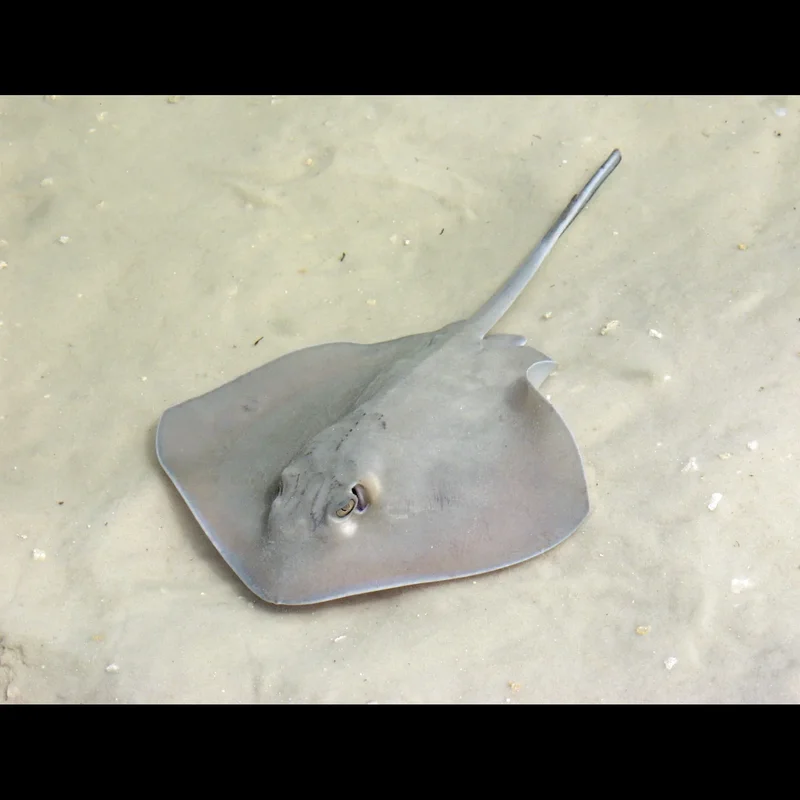
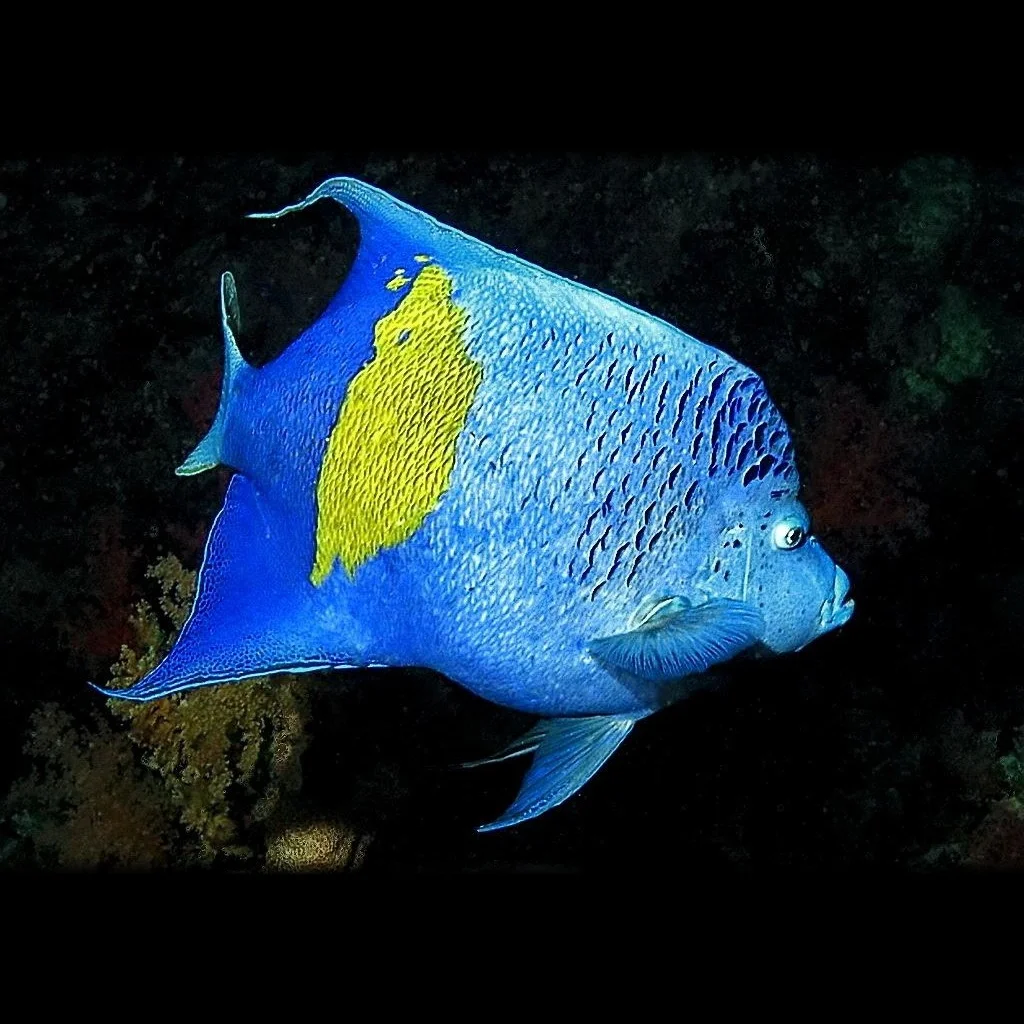
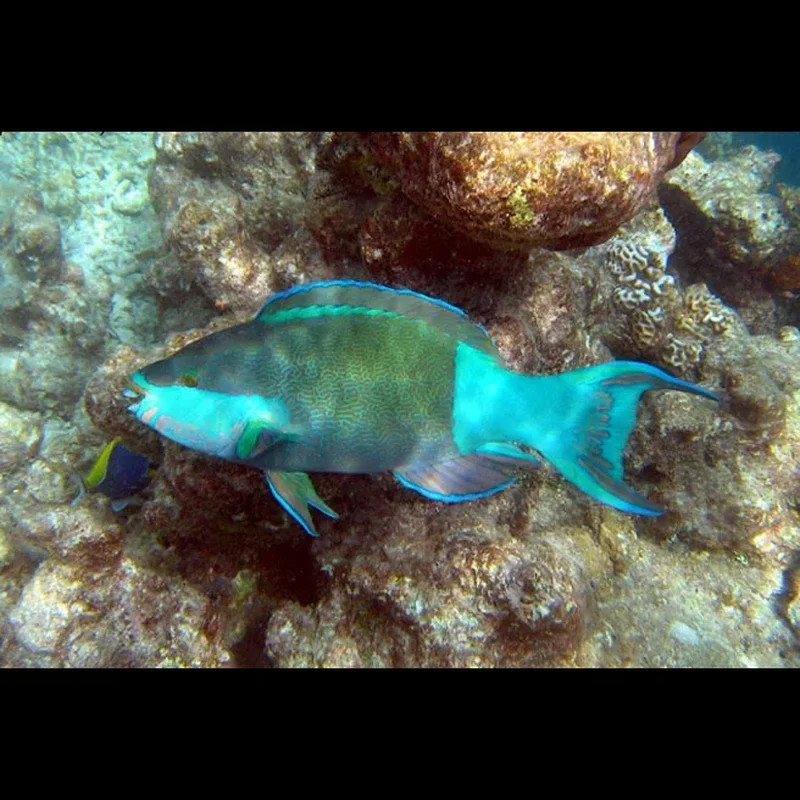
Observing colorful parrotfish and angelfish navigating the reef is common. Nurse sharks might be seen resting, while stingrays glide across adjacent sandy bottoms.
Turtles are also a regular sight, gracefully moving through the water column. Artificial reefs, specifically, provide critical habitats for over 250 fish species, making them vibrant centers of activity and ecological restoration.
Dive Centers Near G-H Reef
Today: 11:00 - 17:00

Nearest Airports
Nearest airports to help plan travel to this dive area.
Search Flights
Check available flights and routes on Expedia, using the nearby airports listed in this section.
Search Flights on Expedia
Plan Your Stay
Looking for a place to stay for your dive trip? Explore hotels, stays, and vacation rentals for dive groups near Fort Myers Beach.
Dive Navigator may earn a commission from these links at no extra cost to you.
Frequently Asked Questions
What defines the G-H Reef diving experience?
G-H Reef integrates into Florida's extensive reef system, featuring both natural coral formations and numerous artificial reef structures. Combined, they create a diverse underwater environment for exploration, from shallow, nearshore sites to deeper offshore reefs.
What kind of depths can I expect at G-H Reef?
Dive sites at G-H Reef range significantly, from very shallow artificial reefs accessible to snorkelers and new divers. Deeper natural reef sections can extend to recreational limits, offering options for more experienced divers as well.
Are there currents at G-H Reef?
Mild to moderate currents are common, particularly along naturally occurring reef lines. Such conditions make G-H Reef an excellent location for drift diving, allowing divers to cover significant distances with ease.
What marine life can I typically see at G-H Reef?
Reefs here are home to a variety of marine species. Divers often observe schooling fish, colorful parrotfish, angelfish, nurse sharks, and stingrays. Turtles are also frequently sighted in this vibrant ecosystem.
Is G-H Reef suitable for new divers?
Yes, shallower sections and certain artificial reefs are accessible to Open Water Divers. However, the deeper middle and outer reefs, and drift diving, may be better suited for Advanced Open Water Divers or those with relevant specialty training.
When is the best time to dive G-H Reef for optimal conditions?
Late spring and summer, from May through September, generally offer the most favorable diving conditions. This period brings calmer seas, lighter winds, and consistently warmer air temperatures, enhancing visibility and comfort.
What training might be useful for diving G-H Reef?
Beyond PADI Open Water, certifications like PADI Advanced Open Water, PADI Underwater Navigator, and PADI Night Diver enhance your experience. These specialties aid in managing varied depths, currents, and different dive times.
Planning to dive G-H Reef?
Send one inquiry and receive offers directly from the best verified local dive operators.
Conditions are Good
Optimal conditions expected
Current conditions near G-H Reef show 26° air, 31° sea temperature, 0.3 m waves, and 23 km/h wind. Forecast data is refreshed regularly to ensure accuracy.