
Diving at Horseshoe Beach Reef Site G3 (United States)
Horseshoe Reefs across the United States typically present a distinctive, curved reef morphology, often featuring horseshoe-shaped re-entrants or a main ledge that meanders and hooks. These structures create varied underwater terrain, ranging from shallow coral fields to sand ridges on western sides. Depths for these sites vary, with some areas dropping to around 16.7 m (55 ft) while others remain within a recreational 9 m (30 ft) range. This diverse topography provides ample opportunities for exploration.
Evening condition tracking at Horseshoe Beach Reef Site G3 features an air temperature of 25.5°C. We have recorded wave heights measuring 0.7 m during this period. These figures outline the environmental parameters currently present.
Dive Site Location & Key Facts
Dive Site Overview
Horseshoe Reefs across the United States have established themselves as engaging dive destinations, known for their suitability to a broad spectrum of diver experience levels. Some configurations, such as those off Oahu, are welcoming to beginners yet still provide interest for novices.
Other, often shallower, Florida counterparts found in areas like Pompano Beach may present distinct horseshoe-shaped re-entrants, creating a rich habitat in depths from just 0-9 m (0-30 ft). Conversely, sites in the Boynton Beach area offer slightly deeper profiles, with the reef top starting around 12-13.7 m (40-45 ft) and sandy bottoms reaching 15.2-16.7 m (50-55 ft). This variety ensures that whether seeking a leisurely exploration or a more extended bottom time within recreational limits, divers can find a suitable experience.
Many of these reefs are set up for drift diving, allowing currents to guide divers along extensive ledges that meander and sometimes hook back, offering dynamic underwater tours. The proximity to other reef systems often allows for multi-site exploration or extended dives within the same general vicinity, enhancing the overall dive plan.
Conditions are Good
Optimal conditions expected
Current conditions near Horseshoe Beach Reef Site G3 show 26° air, 30° sea temperature, 0.4 m waves, and 30 km/h wind. Forecast data is refreshed regularly to ensure accuracy.
Best Time to Dive
Optimal diving conditions for Horseshoe Reefs are generally favorable throughout the entire year, consistently rated as 'Good' across all months. Air temperatures exhibit a broad seasonal range, varying from approximately 12°C (54°F) in January to a warmer 29°C (84°F) in July. This wide temperature swing suggests divers should plan their thermal protection accordingly. Wave heights typically remain manageable, ranging between 0.5 meters (1.6 feet) and 0.8 meters (2.6 feet), which helps maintain smoother surface conditions for boat access. Wind speeds are also moderate, generally staying between 22.8 km/h (14.1 mph) and 32.09 km/h (19.9 mph). Rainfall is relatively low, with monthly averages from 1.3 to 5.7 millimeters (0.05 to 0.22 inches), minimizing surface runoff that can impact visibility. Specific water temperature data for these sites is not consistently reported, however, regional oceanographic patterns suggest variations that typically align with air temperature trends, necessitating adaptable exposure protection.
PEAK SEASON SCORE
Scores combine air & water temps, waves, wind & rainfall for overall conditions.
BEST MONTHS TO DIVE
Monthly records compiled from satellite and marine observation nodes over the last 3 years. Data provided by Open-Meteo and MET Norway.
Dive Experience & Conditions
Descending onto a Horseshoe Reef offers a tangible sense of discovering diverse topography, from vibrant coral fields to expansive sand channels. The current experience varies; some sites present limited current, while others provide a moderate drift, guiding you along the reef's natural contours. This drift adds a dynamic element, allowing divers to cover more ground and observe marine life interactions along the entire ledge. Visibility conditions can range from 5-10 meters (16-33 feet), with an average often reported around 6 meters (20 feet). On clearer days, the detailed reef structure and its inhabitants are sharply defined; however, divers should be prepared for more subdued visual experiences when conditions are less optimal. Water temperatures are not explicitly detailed in all reports, but local conditions dictate comfortable diving typically requires at least a 3mm wetsuit, especially outside peak summer months.
Dive Difficulty & Safety Guidelines
Divers approaching Horseshoe Reefs should be prepared for varied navigation depending on the specific site and prevailing currents. For instance, in areas like Boynton Beach, understanding current direction is key for optimal entry points, either starting at a 'V' shaped section for north currents or the 'Horseshoe' feature on the north end for south currents.
While many sites are accessible to all levels, including Open Water certified divers and beginners, awareness of surroundings is always paramount. Visibility can sometimes be less than ideal, impacting navigation and buddy contact.
Some reports also mention occasional tiger shark sightings, particularly in Hawaiian locations, underscoring the importance of situational awareness. Always conduct thorough pre-dive checks, monitor gas supply, and respect local guidelines for safe boat operations and reef interaction.
Recommended Equipment
- Dive Computer
This gear list is based on verified equipment signals for Horseshoe Beach Reef Site G3, United States. Always confirm final gear choices with your dive operator, guide, or liveaboard.
Recommended Dive Suit
Repeated dives during the same day can gradually reduce overall body warmth.
Environmental readings suggest that the waters surrounding Horseshoe Beach Reef Site G3 are about 30°C (86°F) at the moment. Surface air temperatures are resting at 26°C (78°F). Divers spending extended time underwater often rely on dive skin or rash guard for balanced warmth and flexibility. Consider warmer surface protection (like a boat coat) due to brisk winds.
The upcoming forecast points to generally steady conditions in the area.
Due to technical issues with our weather providers, live updates are temporarily delayed. The data above reflects the conditions at the time of the last successful fetch.
Emergency & Medical Support
Essential information to help you plan your dive trip to Horseshoe Beach Reef Site G3.

Hyperbaric chambers are a critical part of dive safety infrastructure. Availability varies significantly by region, and not all dive areas have immediate access.
Before diving, it's recommended to:
- confirm nearest medical facilities
- check emergency procedures with local dive operators
- ensure dive insurance covers evacuation if required
Divers Alert Network
Diving emergency assistance available through DAN World.
+1-919-684-9111- 24/7 emergency hotline
- Diving medical assistance
- Evacuation coordination
Emergency contacts are provided for reference. Always verify local emergency services before diving.
Marine Life at Horseshoe Beach Reef Site G3
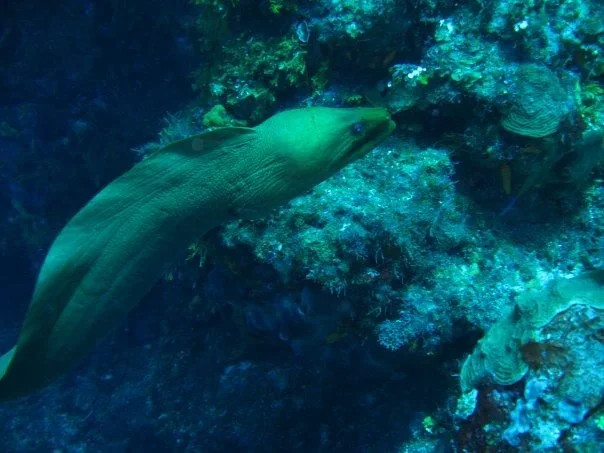
The diverse habitats of Horseshoe Reefs support a vibrant array of marine life. Commonly observed species include various moray eels, often found in crevices, alongside the more elusive frog fish.
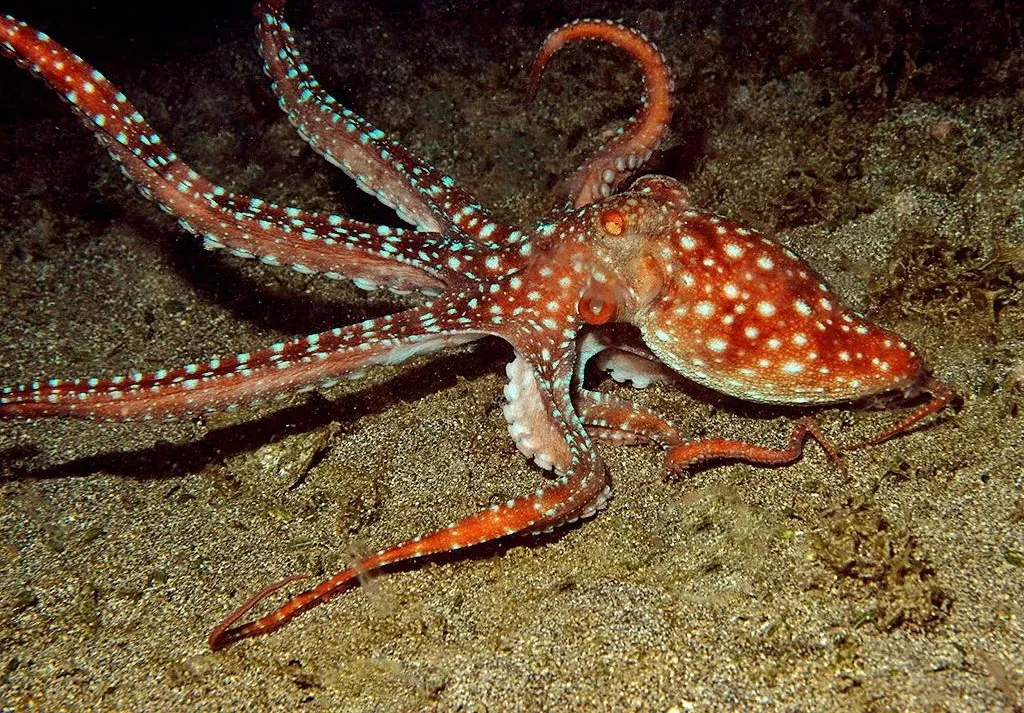
Schools of spade fish frequently gather, adding dynamic visual interest. In different locations, divers may encounter octopuses camouflaged among coral fields, or discover turtles gracefully navigating the sand ridges.
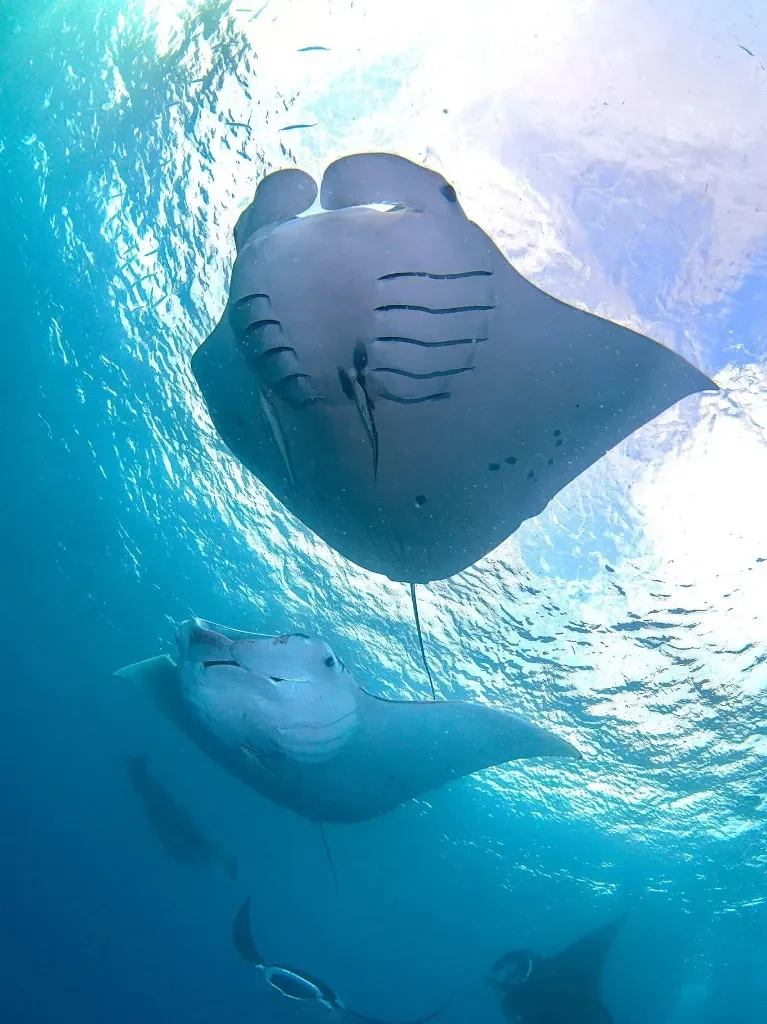
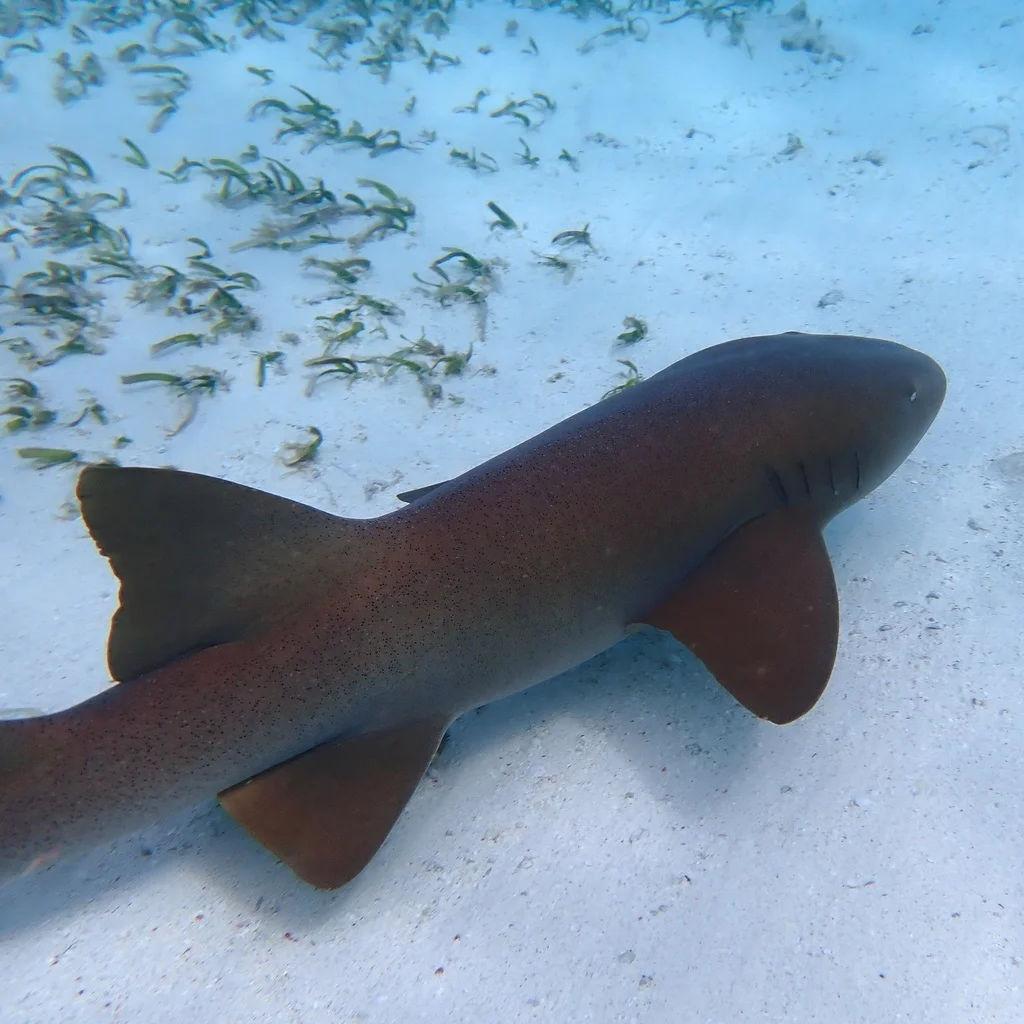
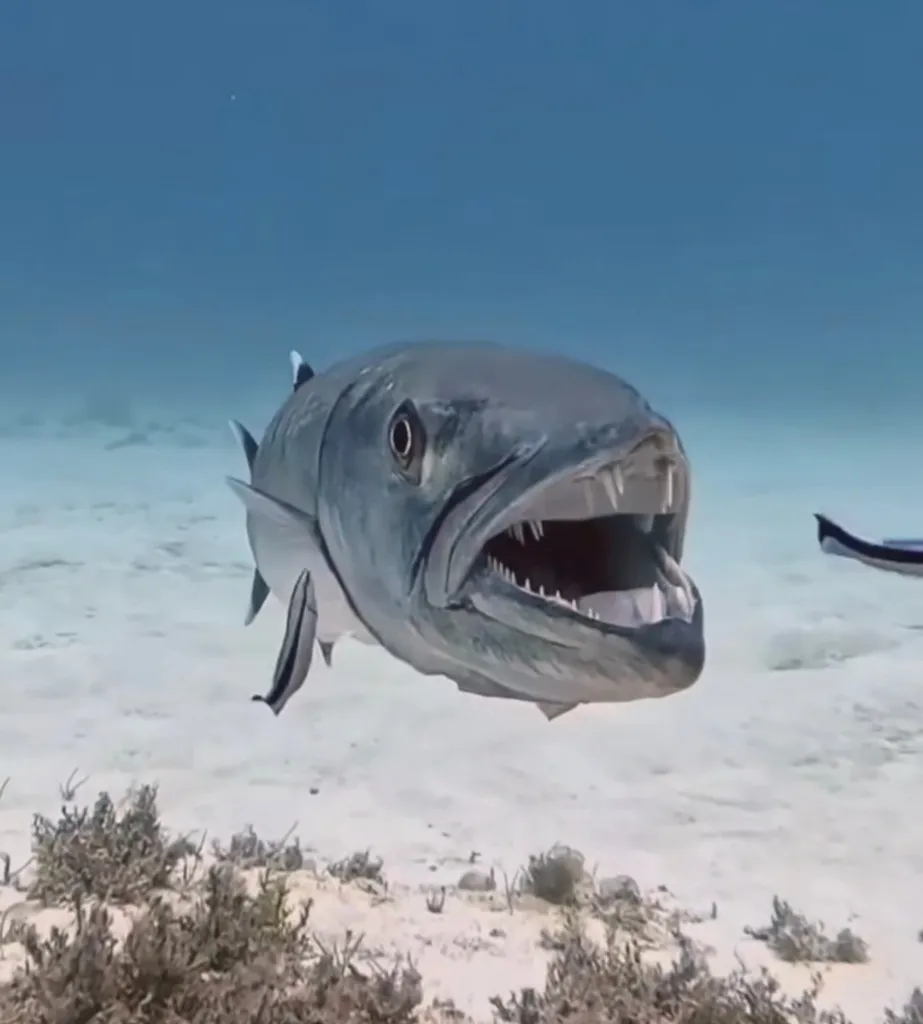
Nurse sharks are another consistent presence, sometimes found resting. Additionally, sightings of barracuda, grouper, and trumpetfish contribute to the rich biodiversity. On rarer occasions, larger pelagics like manta rays have been observed, and some reports even note the infrequent presence of tiger sharks, particularly in the Pacific.
Dive Centers Near Horseshoe Beach Reef Site G3
Today: 11:00 - 19:00
Nearest Airports
Nearest airports to help plan travel to this dive area.
Search Flights
Check available flights and routes on Expedia, using the nearby airports listed in this section.
Search Flights on ExpediaFrequently Asked Questions
What is the typical depth range for Horseshoe Reefs?
Depths at Horseshoe Reefs across the United States can vary considerably. Some locations offer shallower profiles, reaching a maximum of 9 m (30 ft), while others descend to about 16.7 m (55 ft). Divers should check site-specific details for their intended dive.
Is Horseshoe Reef suitable for beginner divers?
Yes, many Horseshoe Reef sites are accessible to beginners and Open Water certified divers. Their balanced depth and complexity make them an engaging environment for those building experience. Always dive within your certification limits.
What marine life commonly inhabits Horseshoe Reefs?
Divers frequently observe moray eels, schools of spade fish, octopuses, and various turtles. Nurse sharks are often present, alongside barracuda, grouper, and trumpetfish. Rarer sightings include manta rays and occasional tiger sharks in specific regions.
What are the typical visibility conditions?
Visibility at Horseshoe Reefs is not consistently reported but generally ranges from 5-10 meters (16-33 feet). An average of 6 meters (20 feet) has been noted for some Florida sites. Conditions can vary, so divers should be prepared for fluctuations.
How do currents affect diving at these sites?
Currents can be limited to moderate, with some Horseshoe Reefs being well-suited for drift diving. Understanding current direction is important for navigation, especially for optimizing entry and exit points to follow the reef's natural contours.
What is the best time of year to dive Horseshoe Reefs?
Diving conditions are generally favorable year-round, with dive scores consistently rated as 'Good.' Air temperatures vary seasonally, making spring through fall generally warmer, but suitable conditions exist throughout the entire year with appropriate gear.
Is access to Horseshoe Reefs typically by boat?
Yes, most Horseshoe Reef sites are accessed via boat dives. This allows divers to reach the reef formations, which are often located some distance from shore, and provides flexibility for drift diving operations.
Planning to dive Horseshoe Beach Reef Site G3?
Send one inquiry and receive offers directly from the best verified local dive operators.
Conditions are Good
Optimal conditions expected
Current conditions near Horseshoe Beach Reef Site G3 show 26° air, 30° sea temperature, 0.4 m waves, and 30 km/h wind. Forecast data is refreshed regularly to ensure accuracy.