
Diving at India Arrow (United States)
Off the North Eastern United States, the India Arrow wreck draws divers keen to explore a significant piece of maritime history. It creates an artificial reef, attracting a diverse array of marine life. Exploring the sunken vessel provides an opportunity to observe how ocean ecosystems reclaim and transform human artifacts.
Evening condition tracking at India Arrow features an air temperature of 20.5°C. We have recorded wave heights measuring 1.1 m during this period. These figures outline the environmental parameters currently present.
Dive Site Location & Key Facts
Dive Site Overview
India Arrow presents a challenging yet rewarding underwater environment off the New Jersey coast. A destination for advanced divers, the site often lies around 30 m (100 ft) or deeper, grouped with other significant deep wrecks in the North Eastern United States.
Navigation frequently requires line work due to variable visibility, which can range from excellent to just a few meters depending on sea state. Ambient conditions can be dynamic; rough surface conditions and strong winds are not uncommon. Divers must prepare for physical demands, including potentially challenging re-entry onto the dive boat in choppy seas, a process sometimes described as 'like something out of a rodeo'.
Successful dives here depend on careful planning and strict adherence to advanced diving protocols, ensuring a safer experience amidst its inherent challenges. Despite these demands, India Arrow offers an immersive wreck diving experience, revealing insights into both the vessel's past and its vibrant marine ecosystem.
It combines historical exploration with the raw power of the Atlantic, making each visit a unique interaction with a submerged world.
Conditions are Good
Optimal conditions expected
Current conditions near India Arrow show 21° air, 24° sea temperature, 1.4 m waves, and 32 km/h wind. Forecast data is refreshed regularly to ensure accuracy.
Best Time to Dive
Optimizing visibility for India Arrow wreck dives typically aligns with the summer and early autumn months, particularly August, September, and October. During July, the region experiences average air temperatures around 25°C (77°F) with moderate rain at 2.95 mm; dive conditions are rated 'Good'. As the season progresses into August and September, air temperatures remain pleasant, averaging 24°C (75.2°F) and 22°C (72°F) respectively, with minimal rain and less pronounced wave heights. These months generally offer the clearest water conditions, essential for navigating a deep wreck. In contrast, winter months like January and February see air temperatures drop to around 5°C (41°F), with significantly higher wave heights and wind speeds, making diving considerably more difficult and visibility often poor. Planning dives during the warmer, calmer months greatly enhances the overall experience and chances for better underwater visibility.
PEAK SEASON SCORE
Scores combine air & water temps, waves, wind & rainfall for overall conditions.
BEST MONTHS TO DIVE
Monthly records compiled from satellite and marine observation nodes over the last 3 years. Data provided by Open-Meteo and MET Norway.
Dive Experience & Conditions
Exploring India Arrow involves significant current dynamics. Divers should anticipate varying currents, which can at times be strong, particularly on deeper sections of the wreck. Water temperatures in the vicinity of New Jersey wrecks can reach around 24.5°C (76°F) during late summer and early fall, as reported on nearby sites. Outside these peak months, however, temperatures will be considerably colder, requiring appropriate thermal protection. Visibility often varies depending on recent weather patterns and sea conditions. On a good day, divers might enjoy upwards of 15 m (50 ft) of visibility, but it can quickly reduce to just 2-3 m (6-10 ft) when the water is churned up by rough seas. Exposure to open ocean conditions means surface chop and strong waves are frequently present. Entering and exiting the water can be challenging due to boat movement, demanding good physical fitness and coordination from divers.
Dive Difficulty & Safety Guidelines
Diving the India Arrow presents several challenges, framing the need for rigorous safety protocols. Given its potential depth and exposure to open Atlantic conditions, advanced certifications in wreck diving and specialized training like Nitrox or staged decompression procedures are highly recommended. Visibility can be low, necessitating excellent buoyancy control, navigation skills, and the proper use of dive reels for line work.
Surface conditions can become rough rapidly, making boat re-entry particularly difficult and requiring careful communication with the dive crew. Always be prepared for strong currents and unpredictable weather.
Ensuring all equipment is in excellent working order and having redundant systems are critical. Divers should also be in good physical condition to manage the demands of this challenging environment.
Recommended Equipment
- Dive Computer
This gear list is based on verified equipment signals for India Arrow, United States. Always confirm final gear choices with your dive operator, guide, or liveaboard.
Recommended Dive Suit
The latest conditions reported around India Arrow place the water temperature close to 24°C (74°F). Surface air temperatures are resting at 21°C (69°F).
3-5mm wetsuit is generally considered suitable for water temperatures like this. A hood or vest is suggested for sensitive divers due to surface winds. Surface intervals may feel cooler.
Surface conditions are expected to warm up slightly in the coming days. A warming trend is expected over the next few days.
Due to technical issues with our weather providers, data hasn't been fetched for over 48 hours. The data above reflects the conditions at the time of the last successful fetch.
Emergency & Medical Support
Essential information to help you plan your dive trip to India Arrow.

Hyperbaric chambers are a critical part of dive safety infrastructure. Availability varies significantly by region, and not all dive areas have immediate access.
Before diving, it's recommended to:
- confirm nearest medical facilities
- check emergency procedures with local dive operators
- ensure dive insurance covers evacuation if required
Divers Alert Network
Diving emergency assistance available through DAN World.
+1-919-684-9111- 24/7 emergency hotline
- Diving medical assistance
- Evacuation coordination
Emergency contacts are provided for reference. Always verify local emergency services before diving.
Marine Life at India Arrow
The India Arrow wreck's structure serves as a vital underwater landscape, attracting a variety of marine inhabitants. Common fish species have colonized the vessel, turning its corroded hull into a sheltered habitat.
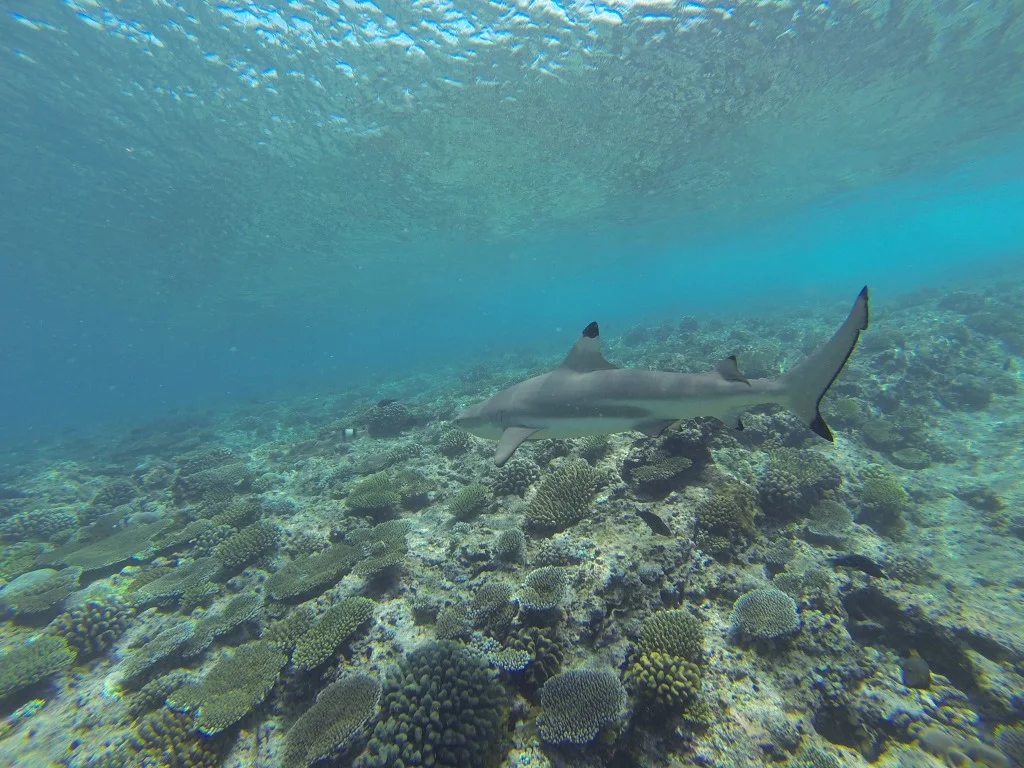
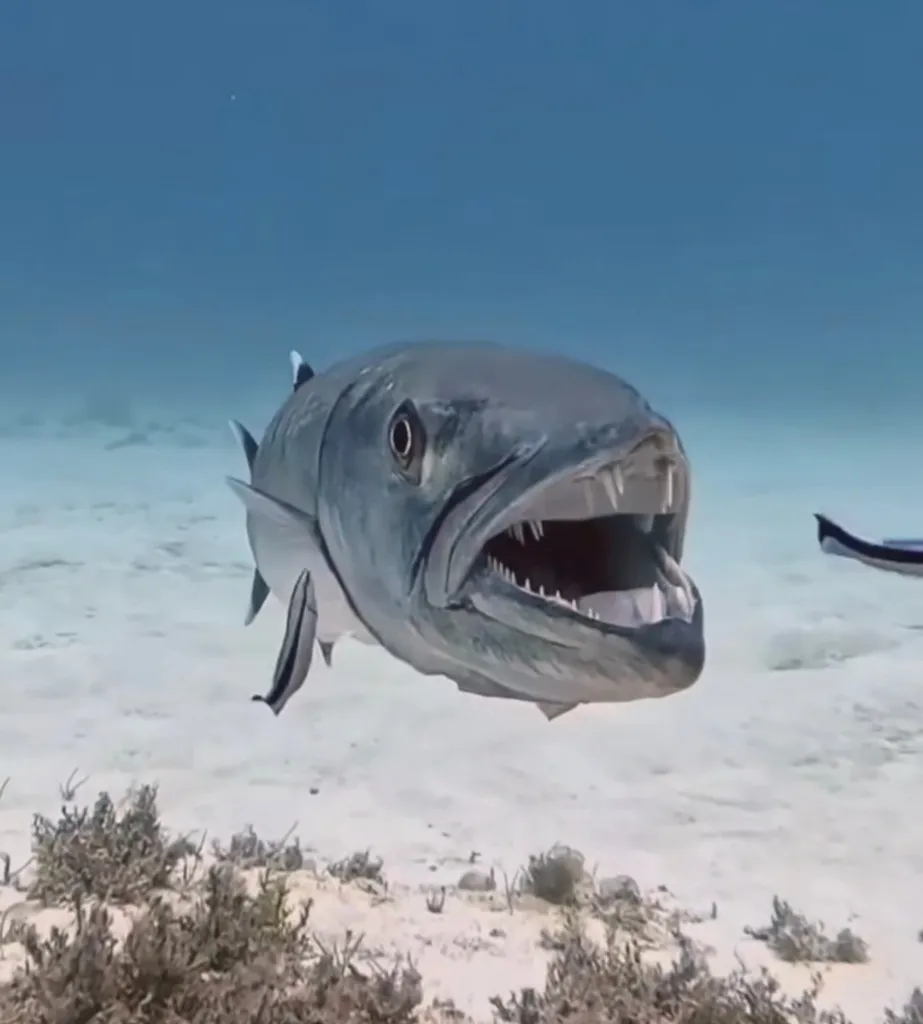
Divers may observe schooling fish navigating the wreck's contours, alongside occasional larger pelagic visitors. While specific sightings aren't consistently reported for the wreck, similar North Atlantic wrecks can host species like barracuda, various types of rockfish, and sometimes even sharks, whales, dolphins, or turtles passing through the open ocean environment.
A keen eye might even spot curious smaller creatures, some of which may exhibit aggressive territorial behavior towards camera lenses.

Dive Centers Near India Arrow
No Dive Centers Local To India Arrow
Are you a dive center visiting this location? Get listed to reach divers.
Nearest Airports
Nearest airports to help plan travel to this dive area.
Search Flights
Check available flights and routes on Expedia, using the nearby airports listed in this section.
Search Flights on ExpediaFrequently Asked Questions
What is the typical depth of the India Arrow wreck?
India Arrow is generally considered a deep dive. Found at depths around 30 m (100 ft) or deeper, it's suitable for advanced divers with appropriate training, aligning with other deep wrecks in the region.
What is the water temperature like at India Arrow?
Water temperatures vary significantly by season. During late summer and early fall, temperatures at recreational depth ranges can reach approximately 24.5°C (76°F). Outside these warmer months, water can be considerably colder, often requiring thicker wetsuits or drysuits.
How is the visibility at this dive site?
Visibility at India Arrow is highly variable, depending heavily on recent weather and sea conditions. It can range from excellent on calm days, potentially exceeding 15 m (50 ft), to very poor, sometimes as little as 2-3 m (6-10 ft), especially after storms or during periods of high chop.
What kind of marine life can I expect to see?
As an artificial reef, the wreck attracts various fish species that shelter within its structure. While specific reports for India Arrow are limited, divers on similar Atlantic wrecks have encountered schooling fish, crabs, and occasionally larger pelagic species like sharks, dolphins, or even whales passing by.
Are there strong currents at the India Arrow?
Yes, currents can be a factor at this exposed site. Divers should be prepared for potentially strong currents, particularly on deeper parts of the wreck or during tidal changes. Proper dive planning and experience with current diving are advisable.
Is this a suitable dive for beginners?
No, India Arrow is not recommended for beginner divers. Its depth, variable visibility, potential for strong currents, and challenging surface conditions require advanced training, significant experience, and specialized equipment.
Planning to dive India Arrow?
Send one inquiry and receive offers directly from the best verified local dive operators.
Conditions are Good
Optimal conditions expected
Current conditions near India Arrow show 21° air, 24° sea temperature, 1.4 m waves, and 32 km/h wind. Forecast data is refreshed regularly to ensure accuracy.