
Diving at Indian Shores Reef (United States)
Strong currents around the Upside-down Barge Wreck pose a significant hazard, potentially sealing off entrances quickly; divers must exercise extreme caution. This artificial reef, just over 11 miles from Clearwater Pass, features several prominent wrecks like the LSMs and the Orange tugboat. While largely considered an accessible open water site, encounters with active sharks and pelagic species are common, requiring situational awareness. Plan your dive carefully.
As evening covers Indian Shores Reef, the local air temperature is measured at 26.5°C. The current wave height at the surface is recorded at 0.6 m. These late-day readings characterize the surface conditions for the night.
Dive Site Location & Key Facts
Dive Site Overview
The Indian Shores Reef system boasts a rich history as one of Florida's earliest artificial reef initiatives. Its origins trace back to 1962, specifically with the initial placement of 125 pillboxes.
Expansion of the program was significant in 1965, continuing into the late 1970s with diverse materials like concrete slabs, culvert, and sections of old shipwrecks strategically deployed to enhance marine habitat. Such progressive development transformed the Pinellas County seabed into a complex underwater landscape. A notable historical event occurred in 1976 when the U.S. Navy Explosives Ordnance Disposal Team from Cecil Field Naval Air Station purposefully sank two World War II Landing Ships (LSMs).
These substantial vessels, now resting in approximately 14 m (45 ft) of water, were filled with cables to further stimulate marine life. Later, in 1984, a 240-foot salt hopper barge was added, often referred to as the "Upside-Down barge" due to its inverted position.
These large, intentional placements underpin the reef's structure, offering extensive exploration for divers down to maximum recreational depths.
Conditions are Good
Optimal conditions expected
Current conditions near Indian Shores Reef show 27° air, 31° sea temperature, 0.5 m waves, and 29 km/h wind. Forecast data is refreshed regularly to ensure accuracy.
Best Time to Dive
Optimal diving conditions at Indian Shores Reef typically arise during the periods experiencing lower wave heights and stable weather. Months with consistently "Good" dive scores, such as February, March, May, July, and November, are often preferred. Air temperatures during these favorable periods generally range from 16°C (61°F) in February to a warmer 28.5°C (83°F) in July, allowing for comfortable surface intervals. Rainfall tends to be minimal in spring and fall, with April averaging 1.09 mm and November at 0.90 mm, contributing to better water clarity. Conversely, August sees higher rainfall at 7.91 mm. While specific water temperatures aren't consistently reported, air temperatures climb into the mid-to-high 20s°C (70s-80s°F) from May through October, indicating warmer surface conditions for diving during these months. Winter brings cooler air, with January averaging 15°C (59°F), which can affect overall comfort.
PEAK SEASON SCORE
Scores combine air & water temps, waves, wind & rainfall for overall conditions.
BEST MONTHS TO DIVE
Monthly records compiled from satellite and marine observation nodes over the last 3 years. Data provided by Open-Meteo and MET Norway.
Dive Experience & Conditions
Upon descending at Indian Shores Reef, divers immediately encounter remnants of its artificial construction. The main reef structures, including large concrete blocks, culvert, and parts of shipwrecks, populate depths generally ranging from 12-20 meters (40-68 feet) for the Upside-down Barge Wreck. Significant features like the LSM Landing Ships are found in roughly 14 meters of water, with deeper sections potentially reaching advanced recreational depths for divers exploring their full extent. Visibility here is often good, making it suitable for underwater photography. While many sites within Indian Shores Reef are accessible to Open Water certified divers, certain deeper wrecks or penetrable areas, like the upright Sheridan wreck outside the immediate Indian Shores reef but in the nearby Pinellas #2 site, require Advanced Open Water certification and specific wreck diving training. Current conditions vary; stronger currents may be present, particularly near the Upside-down Barge.
Dive Difficulty & Safety Guidelines
Prioritizing diver safety at Indian Shores Reef means understanding the site's unique characteristics. For instance, wreck penetration, particularly into the Upside-down Barge, is generally discouraged due to the documented risk of strong currents rapidly sealing off entrances.
Even brief explorations require advanced wreck diving certification and specialized training. Divers should always be mindful of ambient conditions, as currents can shift quickly.
While Indian Shores Reef is largely suitable for Open Water divers, it's crucial to respect depth limits and certification levels for specific features, such as the deeper sections of the Landing Ships or other nearby advanced wrecks. Maintaining situational awareness is vital due to the presence of active sharks and other pelagic species.
Always dive within your training limits, carry appropriate safety equipment, and follow responsible diving practices.
Recommended Equipment
- Dive Computer
This gear list is based on verified equipment signals for Indian Shores Reef, United States. Always confirm final gear choices with your dive operator, guide, or liveaboard.
Recommended Dive Suit
Dive skin or rash guard is widely used for recreational dives in waters of this temperature. Consider warmer surface protection (like a boat coat) due to brisk winds. Those diving at Indian Shores Reef today will likely encounter water temperatures in the region of 31°C (87°F). Surface air temperatures are resting at 27°C (80°F).
Short-term weather patterns suggest stable conditions for divers visiting the area.
Water temperatures can occasionally shift throughout the day depending on currents and depth layers.
Emergency & Medical Support
Essential information to help you plan your dive trip to Indian Shores Reef.

Hyperbaric chambers are a critical part of dive safety infrastructure. Availability varies significantly by region, and not all dive areas have immediate access.
Before diving, it's recommended to:
- confirm nearest medical facilities
- check emergency procedures with local dive operators
- ensure dive insurance covers evacuation if required
Divers Alert Network
Diving emergency assistance available through DAN World.
+1-919-684-9111- 24/7 emergency hotline
- Diving medical assistance
- Evacuation coordination
Emergency contacts are provided for reference. Always verify local emergency services before diving.
Marine Life at Indian Shores Reef
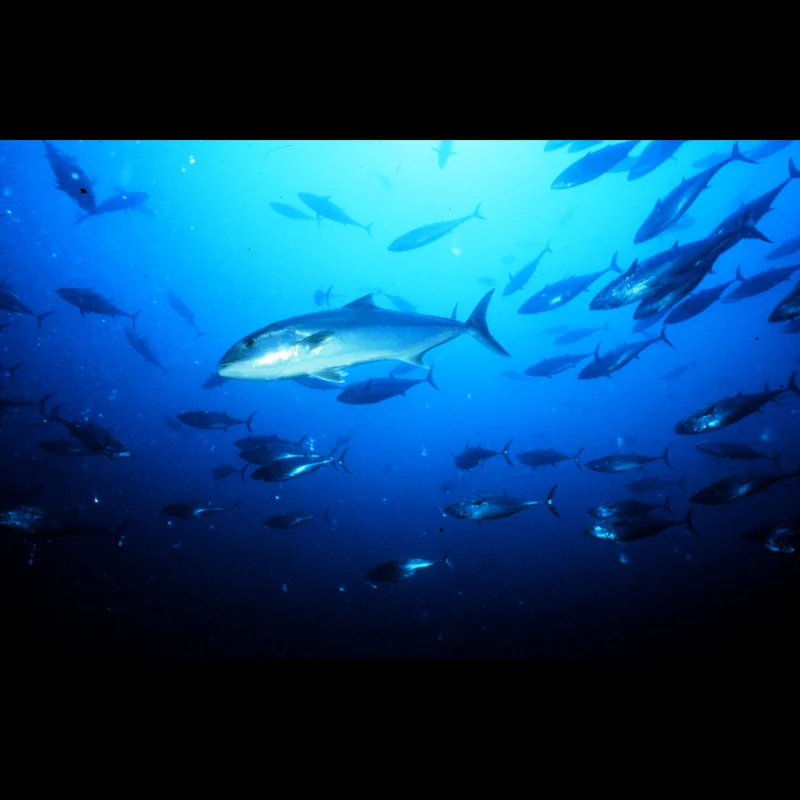
The underwater landscape of Indian Shores Reef, with its numerous wrecks and artificial structures, provides diverse habitats for marine life. Large schools of various fish species frequently congregate around the substantial forms of the Upside-down Barge and the LSM Landing Ships, creating dynamic scenes for observation.
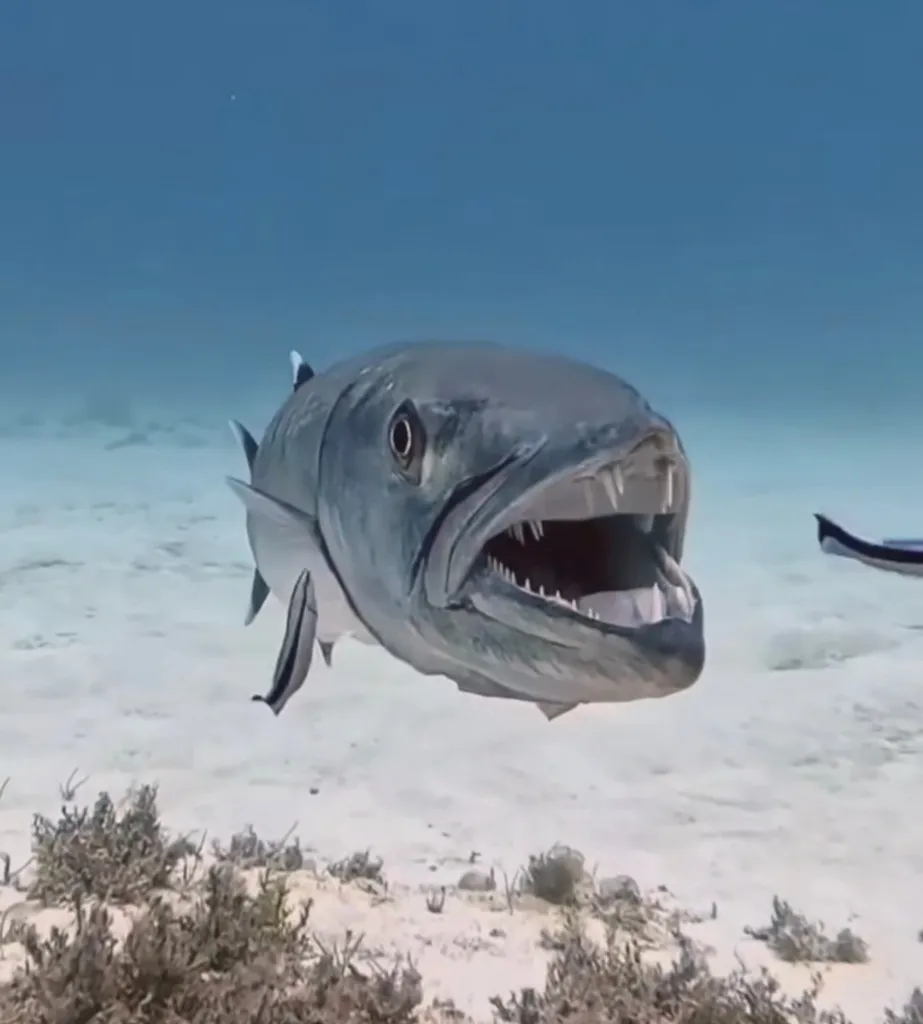
Encounters with larger pelagic species are common; active sharks, including blacktip sharks, are often reported, alongside goliath groupers, barracuda, crevalle jack, and amberjacks. Smaller fish seek refuge and forage within the many nooks and crannies created by the concrete blocks, culvert, and metal components of the reef, offering ample opportunity for close-up photography.

Dive Centers Near Indian Shores Reef
Today: 11:00 - 19:00
Nearest Airports
Nearest airports to help plan travel to this dive area.
Search Flights
Check available flights and routes on Expedia, using the nearby airports listed in this section.
Search Flights on Expedia
Plan Your Stay
Looking for a place to stay for your dive trip? Explore hotels, stays, and vacation rentals for dive groups near Indian Rocks Beach.
Dive Navigator may earn a commission from these links at no extra cost to you.
Frequently Asked Questions
What kind of structures make up Indian Shores Reef?
Indian Shores Reef is primarily an artificial reef constructed from varied materials. It includes pillboxes, metal pipes, concrete slabs, culvert, and sections of shipwrecks. Several notable sunken vessels, such as two World War II Landing Ships (LSMs) and an Upside-down Barge, form significant parts of the reef.
What is the typical depth range for diving at Indian Shores Reef?
The average depth for much of Indian Shores Reef is around 12 m (40 ft). However, some structures, like the Upside-down Barge, can extend to approximately 20 m (68 ft). Deeper sections associated with the Landing Ships may reach the site's maximum reported depth.
Are there any specific wrecks divers should know about?
Key wrecks include two World War II Landing Ships (LSMs), located near the center and south markers, resting in approximately 14 meters of water. The 240-foot Upside-down Barge, another prominent feature, lies southwest of the main buoy. An 80 ft steel tugboat, the Orange, was also sunk to contribute to the artificial reef.
What certification level is needed for Indian Shores Reef?
Much of Indian Shores Reef is accessible to Open Water certified divers. However, exploring the deeper sections of the LSMs or other specific, more challenging wrecks in the broader area may require Advanced Open Water certification. Always verify the specific requirements for your chosen dive plan.
Is wreck penetration advisable at this site?
Wreck penetration, particularly into the Upside-down Barge, is generally considered dangerous. Strong currents can quickly seal off entrances, posing a significant risk. It is advised to avoid penetration unless you possess advanced wreck diving certification and specialized training.
What kind of marine life can be seen?
Divers can expect to see diverse marine life, including large schools of fish congregating around the wrecks. Larger pelagic species such as blacktip sharks, goliath groupers, barracuda, crevalle jack, and amberjacks are also frequently encountered. Smaller reef fish inhabit the many crevices and structures.
How far offshore is Indian Shores Reef located?
Indian Shores Reef lies just over 11 miles from the Clearwater Pass entrance marker #1. It's also approximately 13 miles from the John’s Pass entrance marker, offering convenient access.
What are the best times of year to dive here?
Consistently good diving conditions are often observed from February through July, and again from September through November. These periods generally feature more favorable weather, lower rainfall, and comfortable air temperatures ranging from the mid-teens to high 20s°C (60s to 80s°F).
Planning to dive Indian Shores Reef?
Send one inquiry and receive offers directly from the best verified local dive operators.
Conditions are Good
Optimal conditions expected
Current conditions near Indian Shores Reef show 27° air, 31° sea temperature, 0.5 m waves, and 29 km/h wind. Forecast data is refreshed regularly to ensure accuracy.