
Diving at Indian Shores Reef (United States)
Exploring the depths off the Florida coast, Indian Shores Reef presents a collection of artificial structures for certified divers. Found over 11 miles from Clearwater Pass, this site features an array of sunken vessels and concrete forms. Divers here encounter a dynamic underwater landscape, rich with historical elements and marine activity. Mooring buoys are typically present to aid with site access.
Starting the day at Indian Shores Reef, the ambient air temperature is recorded at 27°C. Ongoing monitoring shows wave heights measuring 0.4 m. This data represents the current surface conditions for early activities.
Dive Site Location & Key Facts
Dive Site Overview
Dating back to the early 1960s, Indian Shores Reef stands as one of Florida's older artificial reef initiatives. Initially, pillboxes and metal pipes were deployed in Pinellas County starting in 1962 or 1965, depending on reports.
After 1978, the site expanded significantly with concrete slabs, culvert, and sections of handrails. Later, in 1976, the U.S. Navy purposefully sank two World War II Landing Ships (LSMs), each over 200 feet in length, in approximately 14 m (45 ft) of water.
These were filled with cable by the Explosives Ordnance Disposal Team to enhance fish habitat. The 'Upside-Down Barge,' a 240-foot salt hopper barge, was added in 1984, resting about 200 feet southwest of the northern buoy.
A more recent addition is the 80-foot steel-hulled Tugboat Orange, scuttled in 2004. This ongoing development has transformed the reef into a substantial underwater complex, providing diverse diving opportunities.
Conditions are Good
Optimal conditions expected
Current conditions near Indian Shores Reef show 27° air, 31° sea temperature, 0.4 m waves, and 28 km/h wind. Forecast data is refreshed regularly to ensure accuracy.
Best Time to Dive
Optimal diving conditions at Indian Shores Reef are typically found from late spring through early fall, aligning with more favorable weather patterns. Months like May, July, and November often show 'Good' dive scores (8/10), indicating generally pleasant conditions. During May, average air temperatures are around 25.5°C (78°F) with moderate rain averaging 1.96 mm. July brings the warmest air, averaging 28.5°C (83°F), alongside lower wave heights averaging 0.5 meters (1.6 ft) and light winds. While some summer months like August can see higher rainfall, averaging 7.9 mm, the generally calmer seas and warmer air temperatures make these periods desirable. Dive scores remain consistently good through October, with air temperatures averaging 24.5°C (76°F), offering a wide window for exploration.
PEAK SEASON SCORE
Scores combine air & water temps, waves, wind & rainfall for overall conditions.
BEST MONTHS TO DIVE
Monthly records compiled from satellite and marine observation nodes over the last 3 years. Data provided by Open-Meteo and MET Norway.
Dive Experience & Conditions
Descending into Indian Shores Reef, divers will encounter an array of artificial structures settled on a sandy bottom, forming a complex `wreck site`. The reef's general depth range extends to about 12 m (40 ft), making many sections accessible for Open Water certified divers. However, some of the deeper wreck components, such as the Landing Ships, can reach depths of 30 m (98 ft), requiring Advanced Open Water certification for full exploration. Water temperatures are not consistently reported in averages but have been observed around 29.5°C (85°F) in early summer. Visibility can vary, with reports of 8-11 meters (25-35 ft) in certain conditions. Currents are generally manageable but can intensify, particularly near the deeper wrecks, requiring careful monitoring.
Dive Difficulty & Safety Guidelines
Approaching Indian Shores Reef requires divers to maintain awareness of their certification level, especially when considering wreck penetration. While many areas are suitable for Open Water divers, specific wreck sections, like the Landing Ships, extend to depths that necessitate Advanced Open Water certification.
Attempting to enter the Upside-down Barge, for instance, carries inherent risks; strong currents have been known to quickly seal off the western entrance, posing a significant hazard. Always carry a dive computer and consider a dive knife for potential entanglement scenarios.
Divers should plan their dives within no-decompression limits and always dive with a buddy, ensuring clear communication and contingency plans.
Recommended Equipment
- Dive Computer
This gear list is based on verified equipment signals for Indian Shores Reef, United States. Always confirm final gear choices with your dive operator, guide, or liveaboard.
Recommended Dive Suit
Forecast conditions over the next few days suggest temperatures will remain relatively stable.
Two divers in the same water temperature may experience very different comfort levels.
Many divers find that dive skin or rash guard offers the right level of insulation for conditions like these. A hood or vest is suggested for sensitive divers due to surface winds. Divers preparing to enter the water at Indian Shores Reef will likely find temperatures around 31°C (87°F) today. Surface air temperatures are resting at 27°C (81°F).
Emergency & Medical Support
Essential information to help you plan your dive trip to Indian Shores Reef.

Hyperbaric chambers are a critical part of dive safety infrastructure. Availability varies significantly by region, and not all dive areas have immediate access.
Before diving, it's recommended to:
- confirm nearest medical facilities
- check emergency procedures with local dive operators
- ensure dive insurance covers evacuation if required
Divers Alert Network
Diving emergency assistance available through DAN World.
+1-919-684-9111- 24/7 emergency hotline
- Diving medical assistance
- Evacuation coordination
Emergency contacts are provided for reference. Always verify local emergency services before diving.
Marine Life at Indian Shores Reef
Beneath the surface at Indian Shores Reef, various larger marine species are frequently observed congregating around the artificial structures. Divers often report sightings of formidable goliath groupers, often resting among the concrete slabs and metalwork.
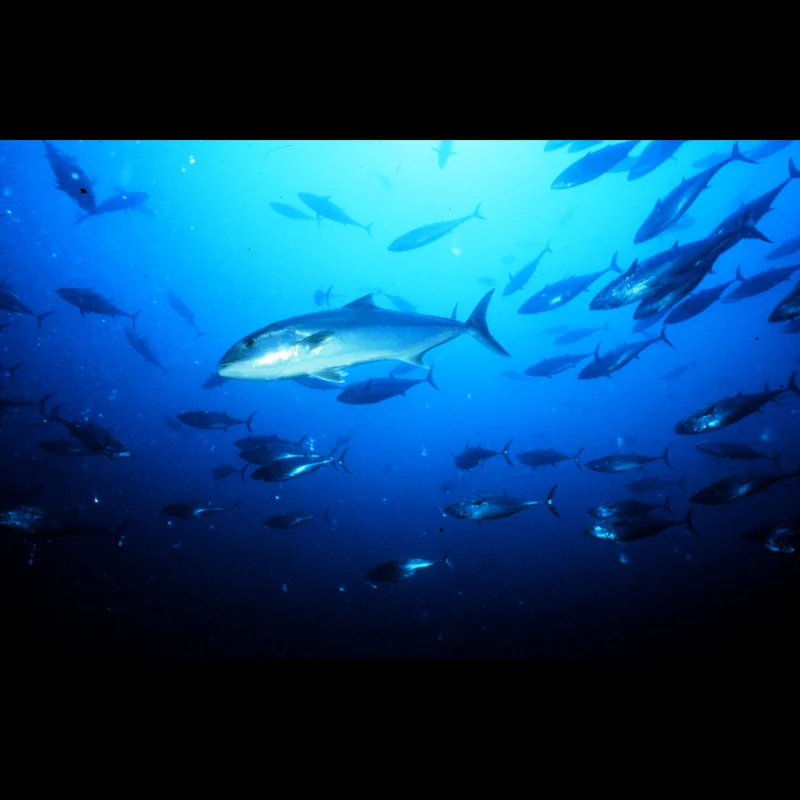
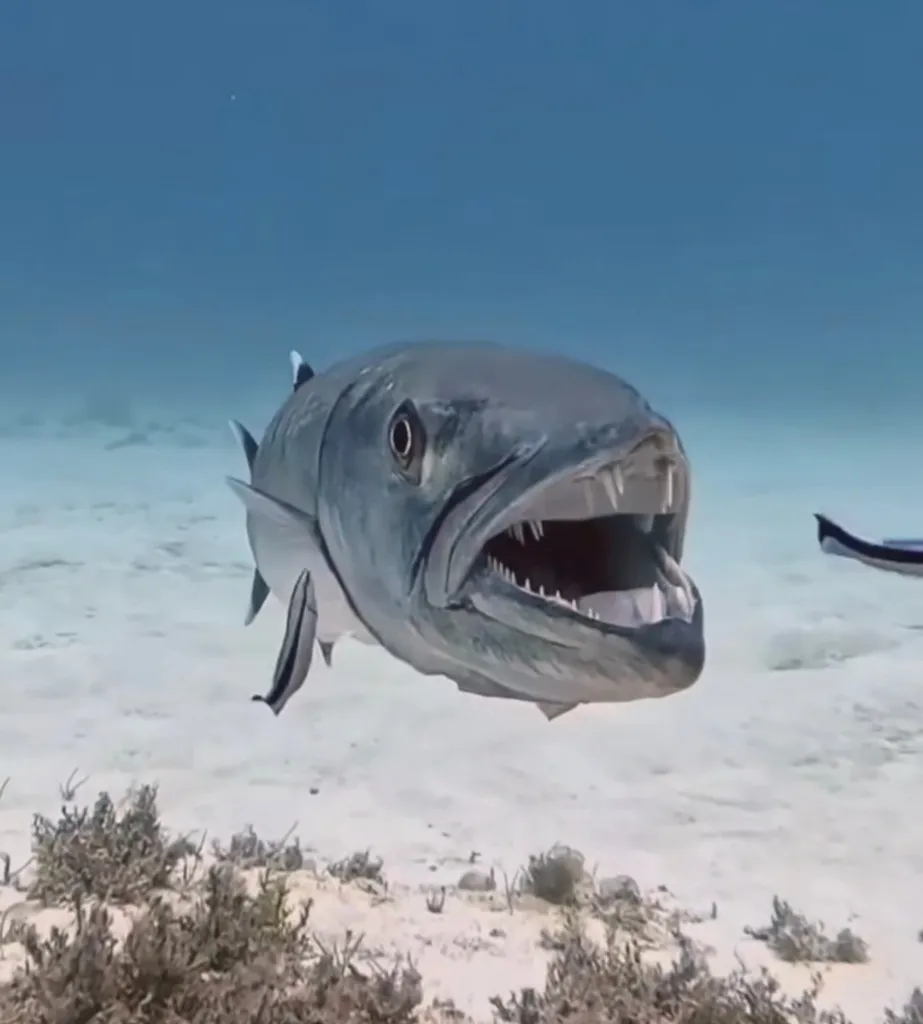
Blacktip sharks are known to patrol the area, adding an element of excitement to the dive. Barracuda are common, typically seen hovering near the wrecks, and schools of crevalle jack and amberjacks navigate the open water sections of the reef.
Large schools of smaller fish are consistently present, contributing to the vibrant ecosystem and creating dynamic photographic opportunities throughout the site.

Dive Centers Near Indian Shores Reef
Today: 10:00 - 17:00
Nearest Airports
Nearest airports to help plan travel to this dive area.
Search Flights
Check available flights and routes on Expedia, using the nearby airports listed in this section.
Search Flights on Expedia
Plan Your Stay
Looking for a place to stay for your dive trip? Explore hotels, stays, and vacation rentals for dive groups near Indian Rocks Beach.
Dive Navigator may earn a commission from these links at no extra cost to you.
Frequently Asked Questions
What is the maximum depth at Indian Shores Reef?
The maximum reported depth for the overall Indian Shores Reef is around 14 m (46 ft). However, specific wreck sites like the Landing Ships can reach depths of up to 30 meters, nearing 100 feet.
What kind of structures make up Indian Shores Reef?
Indian Shores Reef is composed of various artificial structures, including concrete slabs, culvert, metal pipes, old pillboxes, and several sunken vessels. Notable wrecks include two WWII Landing Ships, an Upside-down Barge, and the Tugboat Orange.
Is wreck penetration safe at Indian Shores Reef?
Wreck penetration, especially into the Upside-down Barge, is generally not recommended due to strong currents that can seal off entrances quickly. Divers should exercise extreme caution and only attempt such ventures if appropriately certified and experienced.
What certification level is needed to dive Indian Shores Reef?
Most of Indian Shores Reef is suitable for Open Water certified divers, especially shallower sections. However, exploring the deeper wreck sites, like the Landing Ships, requires an Advanced Open Water certification due to their maximum depths.
How far offshore is Indian Shores Reef?
Approximately 11 miles from the Clearwater Pass entrance marker and about 13 miles from the John's Pass entrance marker.
What marine life might I encounter here?
Divers often encounter goliath groupers, blacktip sharks, and barracuda. Schools of crevalle jack, amberjacks, and various other schooling fish are also commonly observed around the artificial structures.
Planning to dive Indian Shores Reef?
Send one inquiry and receive offers directly from the best verified local dive operators.
Conditions are Good
Optimal conditions expected
Current conditions near Indian Shores Reef show 27° air, 31° sea temperature, 0.4 m waves, and 28 km/h wind. Forecast data is refreshed regularly to ensure accuracy.