
Diving at Kerry L. Dillon Memorial Reef (United States)
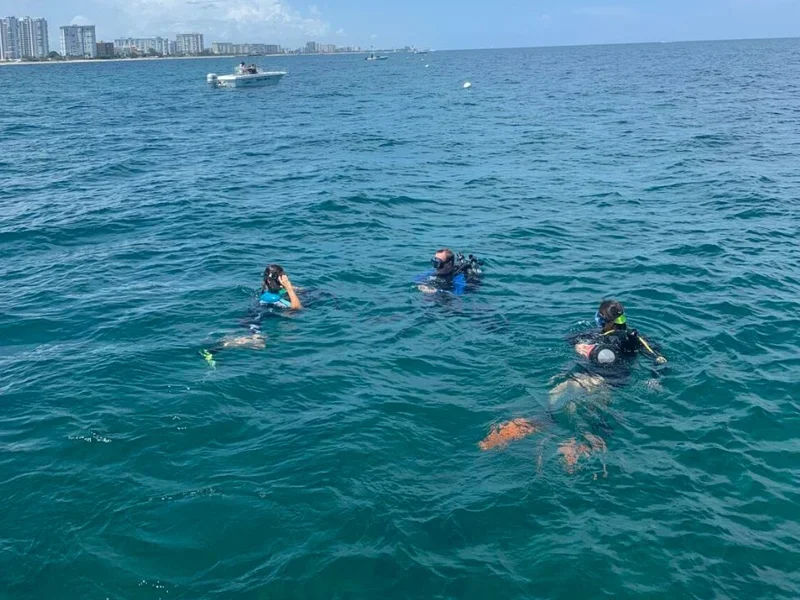
Currently, the Kerry L. Dillon Memorial Reef serves as a living testament to a dedicated marine conservationist. Established in Saint Lucie County, this artificial reef offers a valuable addition to the region's underwater landscape. It functions as both a diving destination and a habitat for marine life, perpetuating Kerry Dillon's legacy.
As evening covers Kerry L. Dillon Memorial Reef, the local air temperature is measured at 27°C. The current wave height at the surface is recorded at 0.6 m. These late-day readings characterize the surface conditions for the night.
Dive Site Location & Key Facts
Dive Site Overview
This particular artificial reef honors the legacy of Kerry Dillon, a passionate diver and marine conservationist who made significant contributions to Florida's artificial reef program. Dillon was instrumental in documenting and planning numerous reef projects, and his detailed notes are referenced on the Martin County Artificial Reef Program website.
Friends and colleagues remembered him as a 'jack-of-all-trades' and a loving steward of successful artificial reef systems along the Treasure Coast. His enthusiasm for the undersea universe was evident in his own words, where he noted how recreational diving allowed him to discover the ocean's many wonders. The reef structure itself creates complex environments, designed to attract and support diverse marine species, embodying his commitment to ocean health.
While specific depth details for this exact memorial reef are not consistently reported, artificial reefs in this region are typically within recreational limits, often ranging down to around 20-30 m (65-100 ft).
Conditions are Good
07:00 - 14:00
Optimal conditions expected
Current conditions near Kerry L. Dillon Memorial Reef show 27° air, 30° sea temperature, 0.6 m waves, and 15 km/h wind. Forecast data is refreshed regularly to ensure accuracy.
Best Time to Dive
For optimal diving experiences at the Kerry L. Dillon Memorial Reef, planning around seasonal conditions is key. The summer months, particularly July, stand out with an 'Excellent' dive score, marked by average air temperatures around 28°C (82°F) and lower wave heights, typically below 0.5 meters (1.6 ft). Other 'Good' months, spanning from May through September, and extending into winter and spring, also offer favorable conditions. Air temperatures during these periods generally range from 18-27°C (64-81°F). This period generally sees more settled seas and warmer surface conditions. While water temperature data is not consistently reported, coastal Florida waters are typically warm, varying from 22-28°C (72-82°F) seasonally. Periods of higher wind speeds and wave heights, such as October with an average wave height of 1.1 meters (3.6 ft), can reduce visibility and make boat travel less comfortable.
PEAK SEASON SCORE
Scores combine air & water temps, waves, wind & rainfall for overall conditions.
BEST MONTHS TO DIVE
Monthly records compiled from satellite and marine observation nodes over the last 3 years. Data provided by Open-Meteo and MET Norway.
Dive Experience & Conditions
Diving this memorial reef offers a chance to engage with a developed artificial habitat, providing a dynamic underwater experience. Exploring these structures, divers typically encounter intricate surfaces that foster coral growth and shelter for diverse fish populations. Visibility here can fluctuate, often influenced by recent weather events, prevailing currents, and seasonal plankton blooms, a common characteristic of coastal Florida waters. Maximum depth for recreational diving typically reaches 30 meters (100 feet), making this site accessible to a wide range of certified divers. Currents within the area are a consideration; they potentially require experienced dive planning, especially when navigating close to the structures themselves or considering drift profiles. These artificial elements are specifically designed to disrupt water flow, which often creates both calmer zones and pathways for nutrient-rich water. This dynamic interaction cultivates a vibrant, localized ecosystem, presenting unique observational opportunities on each visit.
Dive Difficulty & Safety Guidelines
Divers approaching any artificial reef benefit from understanding the specific considerations involved. Buoyancy control is paramount to avoid contact with the reef structures and the marine life they support. Given that artificial reefs are often designated as fishing and diving destinations, divers should remain vigilant for fishing lines and hooks, especially when ascending or descending.
Always carry a cutting tool. Furthermore, proper training appropriate for the planned depth and conditions is advisable.
Respecting the site's role as a memorial is also important; divers should maintain a respectful distance from structures and avoid disturbing the habitat. Always dive within your certification limits.
Recommended Equipment
- Dive Computer
This gear list is based on verified equipment signals for Kerry L. Dillon Memorial Reef, United States. Always confirm final gear choices with your dive operator, guide, or liveaboard.
Recommended Dive Suit
With water temperatures around 30°C (86°F), many divers find a dive skin or rash guard provides comfortable protection.
Being prepared with flexible exposure options is a common approach among experienced divers.
Current forecasts indicate relatively stable conditions for the coming days.
Emergency & Medical Support
Essential information to help you plan your dive trip to Kerry L. Dillon Memorial Reef.

Hyperbaric chambers are a critical part of dive safety infrastructure. Availability varies significantly by region, and not all dive areas have immediate access.
Before diving, it's recommended to:
- confirm nearest medical facilities
- check emergency procedures with local dive operators
- ensure dive insurance covers evacuation if required
Divers Alert Network
Diving emergency assistance available through DAN World.
+1-919-684-9111- 24/7 emergency hotline
- Diving medical assistance
- Evacuation coordination
Emergency contacts are provided for reference. Always verify local emergency services before diving.
Marine Life at Kerry L. Dillon Memorial Reef
Artificial reef habitats naturally become magnets for a diverse array of marine species. While specific sightings for the Kerry L.
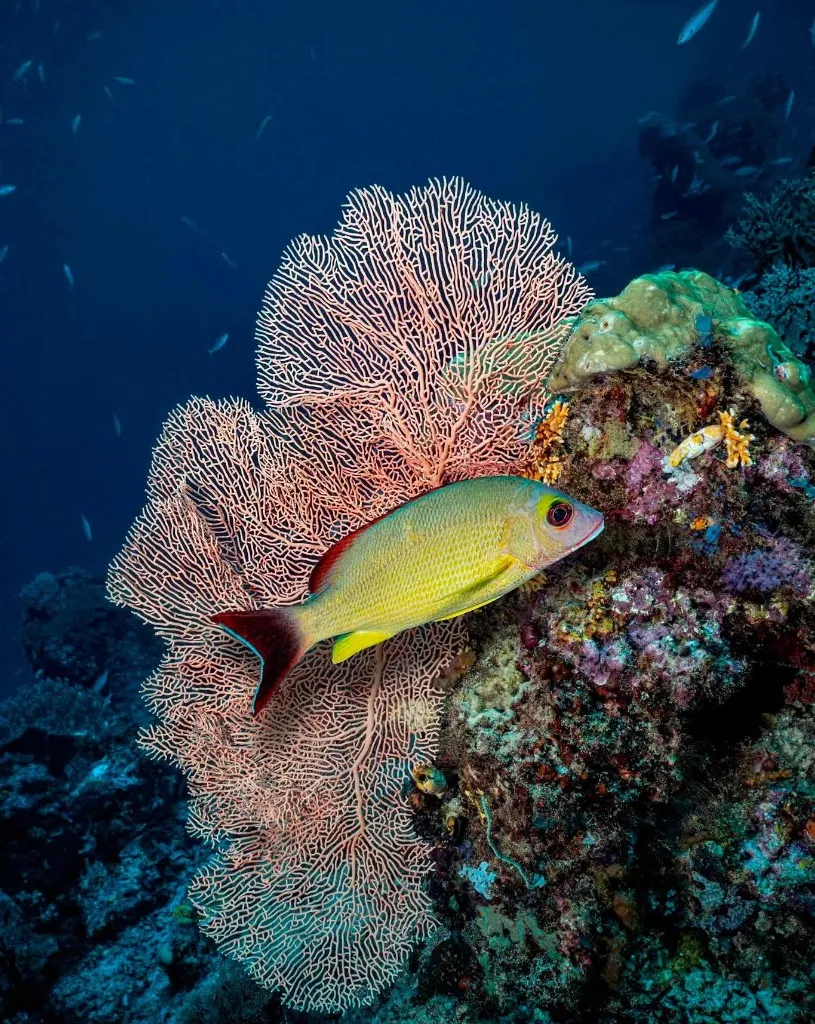
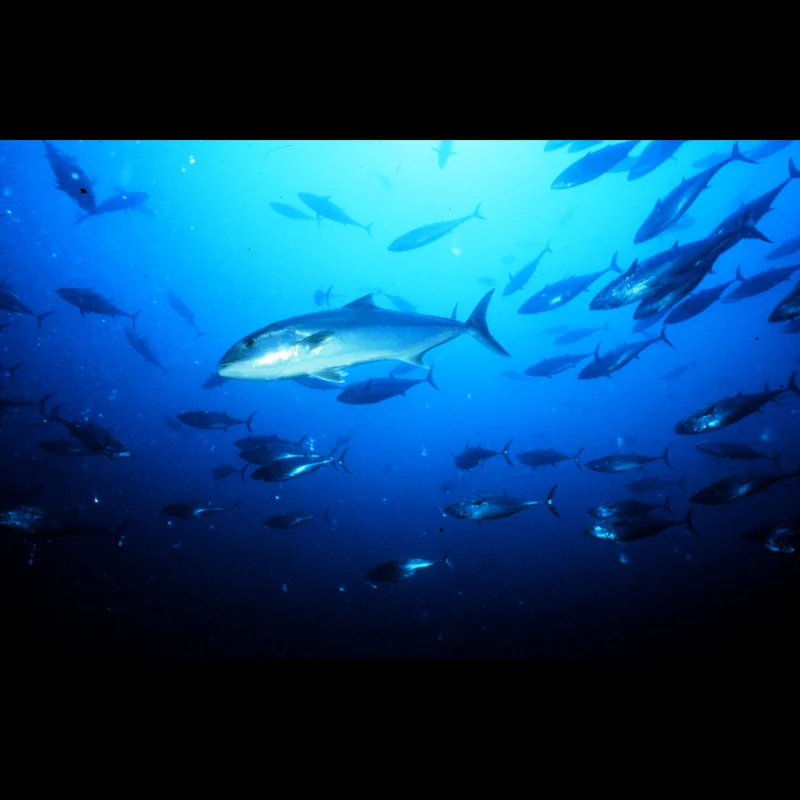
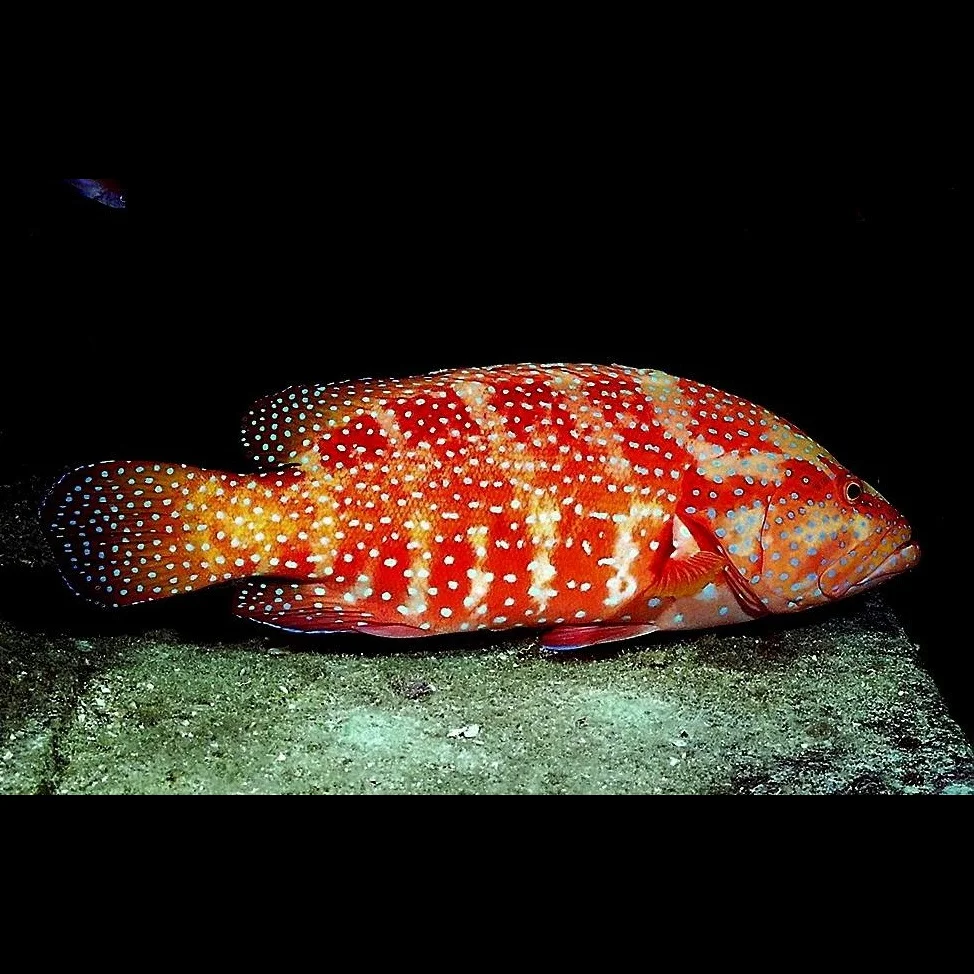
Dillon Memorial Reef are not extensively cataloged, similar artificial structures in the region attract a variety of fish and invertebrates. Divers frequently encounter schooling fish like amberjack and various species of grouper and snapper seeking shelter within the reef's crevices.
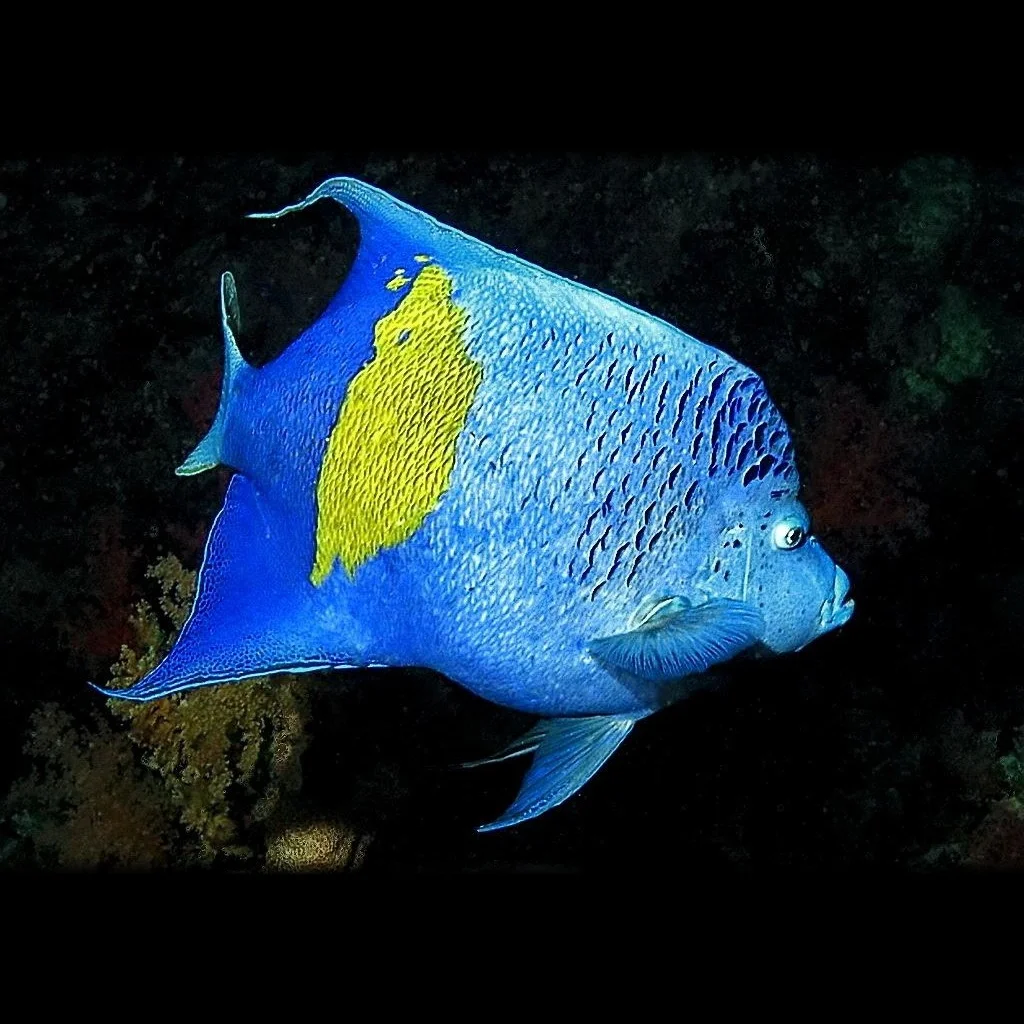
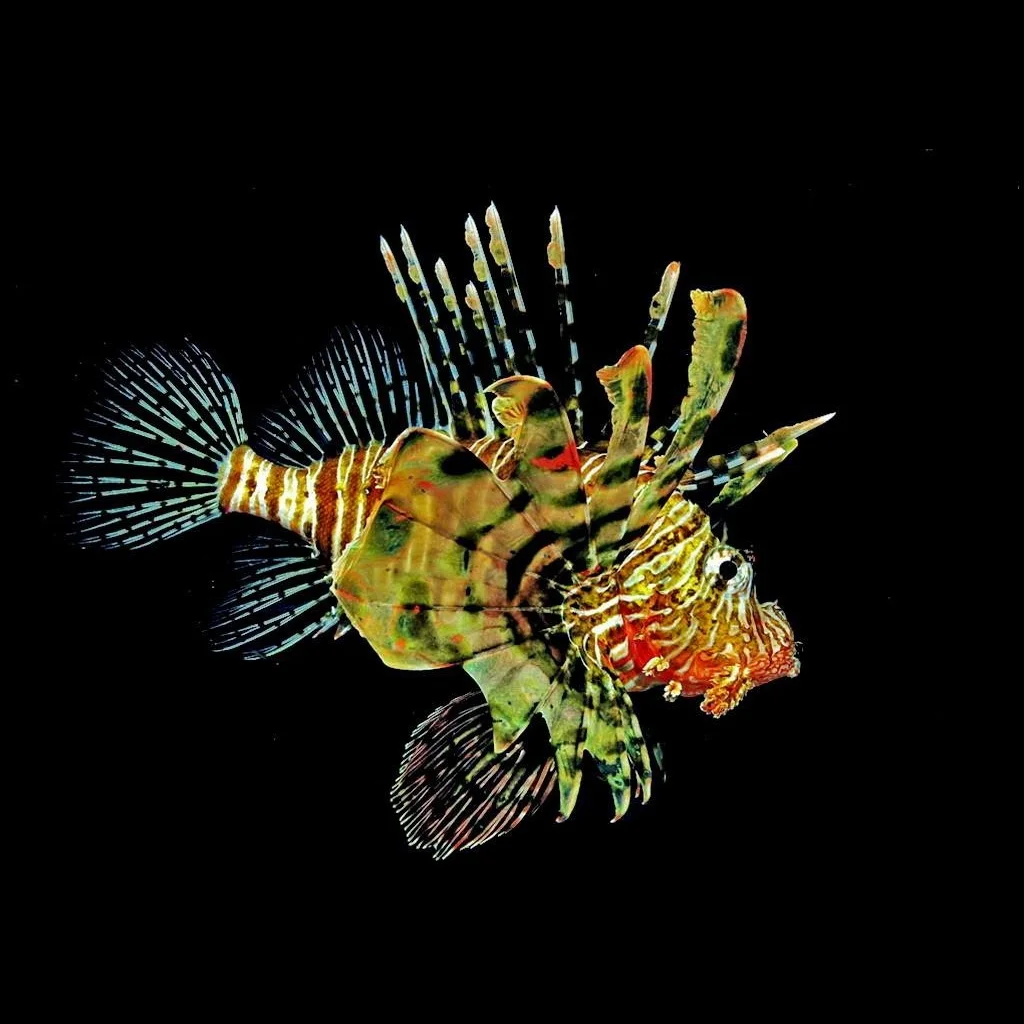
Angelfish and smaller reef fish are commonly observed grazing on the structures. Invasive lionfish are also present in the wider Florida waters and are sometimes found on artificial reefs, highlighting ongoing conservation efforts.
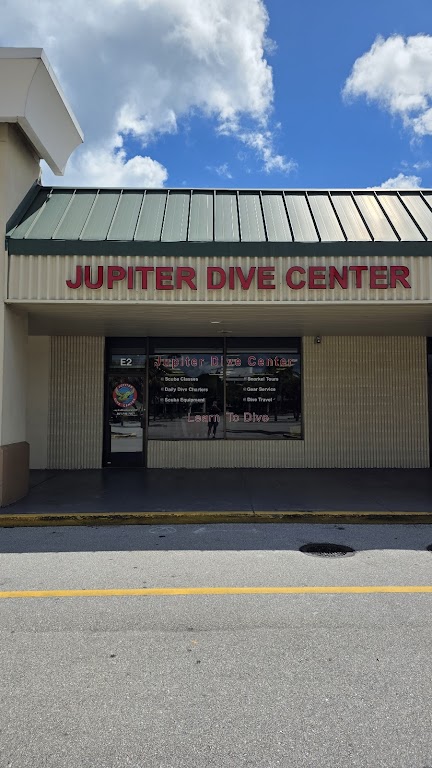
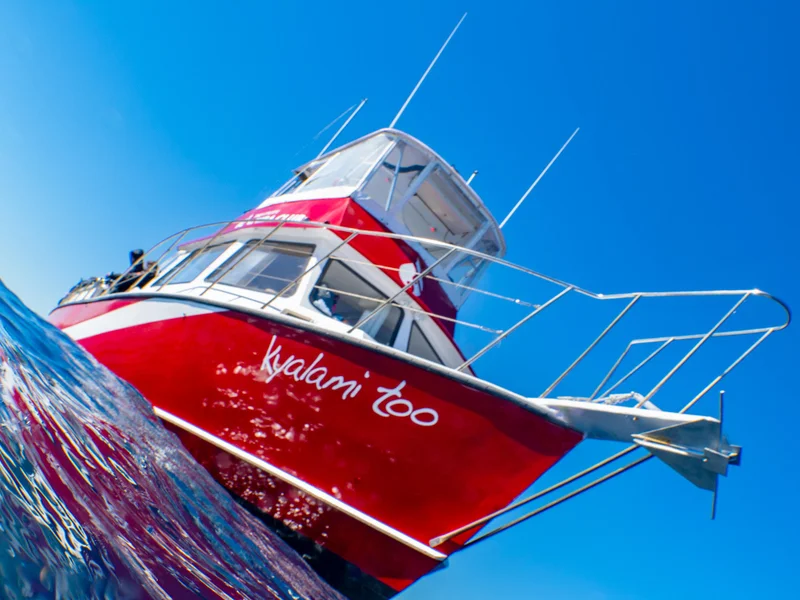
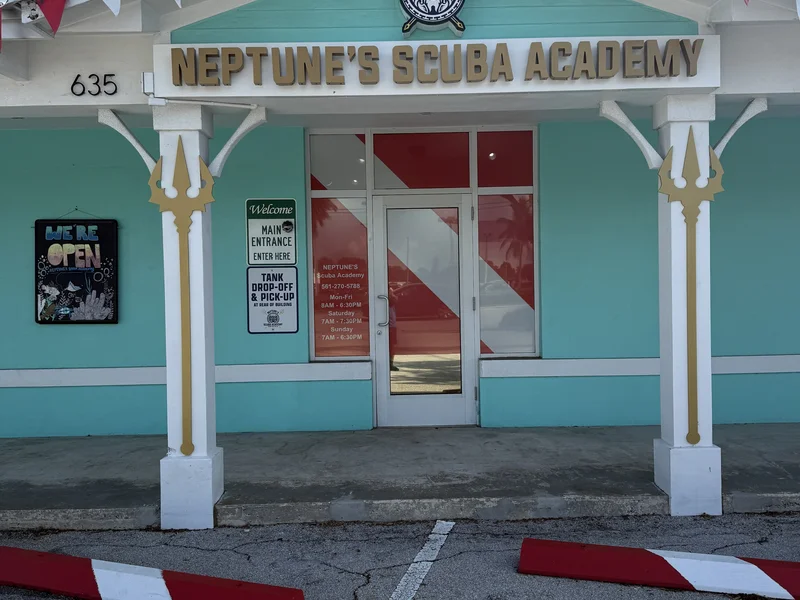
Dive Centers Near Kerry L. Dillon Memorial Reef
Today: 10:00 - 18:00
Nearest Airports
Nearest airports to help plan travel to this dive area.
Search Flights
Check available flights and routes on Expedia, using the nearby airports listed in this section.
Search Flights on Expedia
Plan Your Stay
Looking for a place to stay for your dive trip? Explore hotels, stays, and vacation rentals for dive groups near Saint Lucie.
Dive Navigator may earn a commission from these links at no extra cost to you.
Frequently Asked Questions
What is the Kerry L. Dillon Memorial Reef?
It's an artificial reef established in Saint Lucie County, Florida, serving as a memorial to Kerry L. Dillon. He was a dedicated diver and marine conservationist who contributed significantly to artificial reef projects in the region.
What kind of diving can be done at this reef?
The reef is designed for recreational diving, providing structured habitats for marine life. Divers can explore its various components and observe the ecosystem that has developed around the artificial structures.
What is the typical depth of the Kerry L. Dillon Memorial Reef?
Specific depth details for this exact memorial reef are not consistently reported. However, artificial reefs in this region are generally placed within recreational diving limits, often reaching depths up to 30 meters (100 feet).
What marine life might I see here?
As an artificial reef, it attracts a variety of marine life. Divers can expect to see schooling fish like amberjack, various types of grouper and snapper, as well as angelfish and other reef species commonly found in Florida's coastal waters.
Are there any specific safety concerns for diving this reef?
Due to its nature as both a diving and fishing destination, divers should be aware of potential fishing lines and practice excellent buoyancy control. Always carry a cutting tool and dive within your certification and experience limits.
When is the best time of year to dive the Kerry L. Dillon Memorial Reef?
The summer months, especially July, offer excellent conditions with warmer air temperatures and calmer seas. Many other months, including most of the year, also provide good diving opportunities, though conditions can vary.
Planning to dive Kerry L. Dillon Memorial Reef?
Send one inquiry and receive offers directly from the best verified local dive operators.
Conditions are Good
07:00 - 14:00
Optimal conditions expected
Current conditions near Kerry L. Dillon Memorial Reef show 27° air, 30° sea temperature, 0.6 m waves, and 15 km/h wind. Forecast data is refreshed regularly to ensure accuracy.