
Diving at Leleiwi (United States)
Leleiwi Beach Park, situated along Hilo's coastline on the Big Island of Hawaii, presents an accessible shore dive experience. Its diverse underwater terrain, featuring a mix of rocky and sandy bottoms with coral formations, supports varied marine life. Divers can explore this site for recreational depths, where conditions generally allow for a relaxed exploration of its compelling environment.
As evening covers Leleiwi, the local air temperature is measured at 24.5°C. The current wave height at the surface is recorded at 2 m. These late-day readings characterize the surface conditions for the night.
Dive Site Location & Key Facts
Dive Site Overview
For years, Leleiwi Beach Park has been recognized as a prime shore diving destination on the Big Island of Hawaii, appealing to a broad spectrum of certified divers. Entering the water often involves navigating a'a lava and a shallow spring pool, a feature that requires careful attention, particularly during periods of increased wave action.
Once submerged, the site unfolds into an engaging underwater landscape of vibrant hard coral reefs interspersed with expansive sand beds and occasional small arches. Divers typically explore depths ranging from around 6 to 22 m (20 to 70 ft), making it suitable for recreational diving within a guided shore dive context. This site offers distinct shallow reef areas alongside opportunities to venture into deeper zones, providing varied experiences for both beginner and experienced divers.
Its consistent reputation stems from its accessibility and the rich variety of marine habitats it supports, encouraging repeat visits for diverse underwater encounters and explorations of its unique lava-formed topography. The underwater terrain transitions smoothly from rocky zones to more open sandy patches, supporting a wide array of tropical reef fish and other creatures that thrive in this sheltered environment.
Observing these patterns provides insight into the long-term ecological stability of this popular Big Island spot.
Conditions are Moderate
High Swell Advisory. Not recommended.
Current conditions near Leleiwi show 25° air, 28° sea temperature, 2.1 m waves, and 26 km/h wind. Forecast data is refreshed regularly to ensure accuracy.
Best Time to Dive
Optimal diving conditions at Leleiwi Beach Park are often experienced from May through October, aligning with periods of lower average wave heights and reduced rainfall. During these months, average air temperatures range from 22.5°C (72°F) in May up to 24.5°C (76°F) in August, creating comfortable surface intervals. Rainfall is notably lower during this peak season, with July and September averaging around 3.5-3.7 mm, compared to higher levels in winter months. Water temperatures also trend warmer, generally between 24-28°C (75-82°F) in summer and 22-26°C (72-79°F) in winter. While diving is possible year-round, the winter months, specifically November through March, can present increased challenges due to larger north-westerly swells. These swells elevate wave heights, sometimes exceeding 2 meters (6.5 feet), and can affect entry/exit and overall underwater visibility. Planning a dive outside of these months generally offers a more relaxed experience.
PEAK SEASON SCORE
Scores combine air & water temps, waves, wind & rainfall for overall conditions.
BEST MONTHS TO DIVE
Monthly records compiled from satellite and marine observation nodes over the last 3 years. Data provided by Open-Meteo and MET Norway.
Dive Experience & Conditions
Divers at Leleiwi will find the experience shaped by its unique coastal features and generally mild currents, which contribute to a relaxed drift over its diverse seafloor. Visibility here can vary, but reports often place it between 10 to 30 m (33 to 100 ft), depending on recent weather and wave action. Water temperatures remain temperate throughout the year, ranging from approximately 22-26°C (72-79°F) in winter to a warmer 24-28°C (75-82°F) during summer months. Surface conditions, however, require attention; while surge is not consistently reported as significant, strong NW swells, particularly from November to March, can make entry and exit over the a'a lava more challenging. During these periods, wave heights can measure over 2 meters (6.5 feet). Overall, the site presents a rewarding experience for divers comfortable with shore entries and potentially varying visibility.
Dive Difficulty & Safety Guidelines
For a safe and enjoyable dive at Leleiwi, local expertise is invaluable; it's always prudent to go with an experienced diver familiar with the site's specific conditions. Special attention must be paid to entry and exit points, especially when swells are present, as the a'a lava and shallow spring pool can become tricky. Strong north-westerly swells, particularly between November and March, can increase wave action and currents, making conditions more demanding.
Divers should continuously monitor local conditions, including waves, currents, and visibility, before and during their dive. Carrying a dive flag is also a sensible precaution here, enhancing surface safety and awareness. Certified divers are welcome, though specific medical or physical conditions should be considered.
Recommended Equipment
- Dive Computer
- Hard-soled Dive Boots
This gear list is based on verified equipment signals for Leleiwi, United States. Always confirm final gear choices with your dive operator, guide, or liveaboard.
Recommended Dive Suit
For divers planning standard recreational dives, 2-3mm shorty or light wetsuit is usually a suitable option. Divers vary widely in how quickly they feel cold underwater.
The waters surrounding Leleiwi are currently maintaining temperatures close to 28°C (82°F). Surface air temperatures are resting at 25°C (76°F).
The forecast outlook suggests that temperatures will stay close to current levels.
Emergency & Medical Support
Essential information to help you plan your dive trip to Leleiwi.

Hyperbaric chambers are a critical part of dive safety infrastructure. Availability varies significantly by region, and not all dive areas have immediate access.
Before diving, it's recommended to:
- confirm nearest medical facilities
- check emergency procedures with local dive operators
- ensure dive insurance covers evacuation if required
Divers Alert Network
Diving emergency assistance available through DAN World.
+1-919-684-9111- 24/7 emergency hotline
- Diving medical assistance
- Evacuation coordination
Emergency contacts are provided for reference. Always verify local emergency services before diving.
Marine Life at Leleiwi
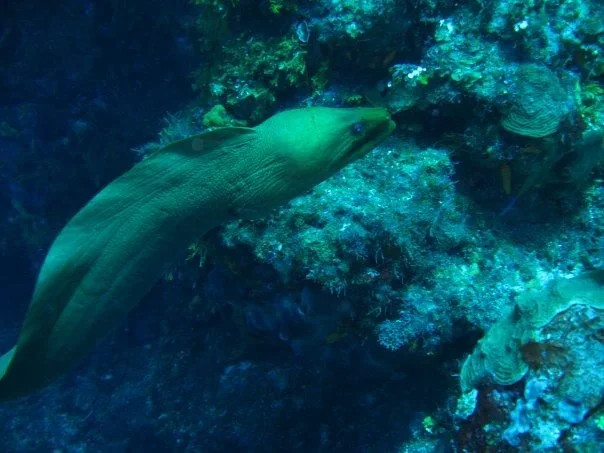
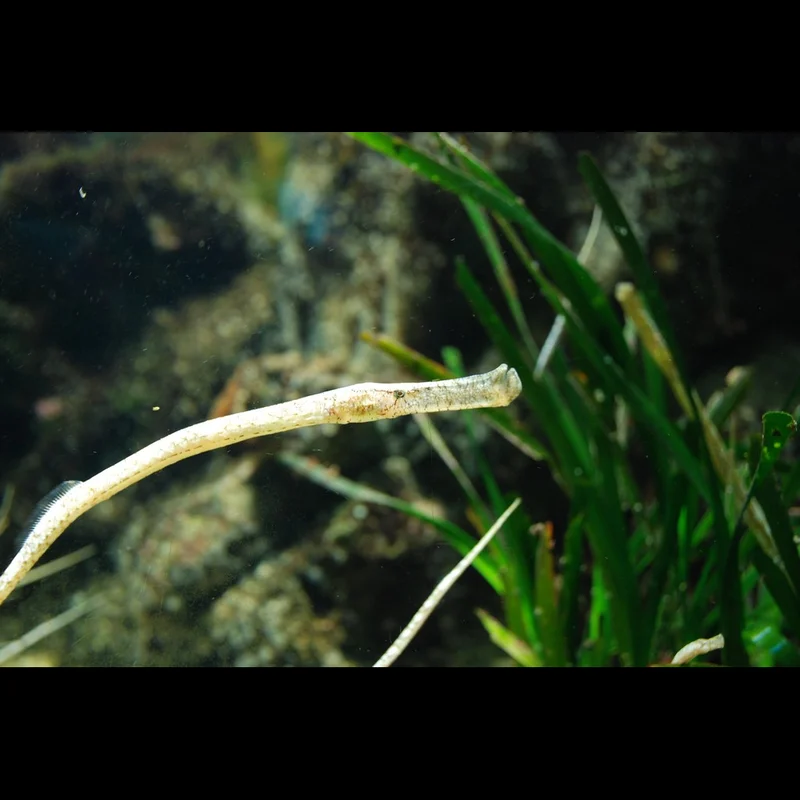
Exploring the coral-covered lava terrain and sandy bottoms of Leleiwi reveals a vibrant array of marine inhabitants. Within the intricate reef structure, divers frequently observe moray eels and pipefish, often found tucked into crevices or camouflaged among the corals.
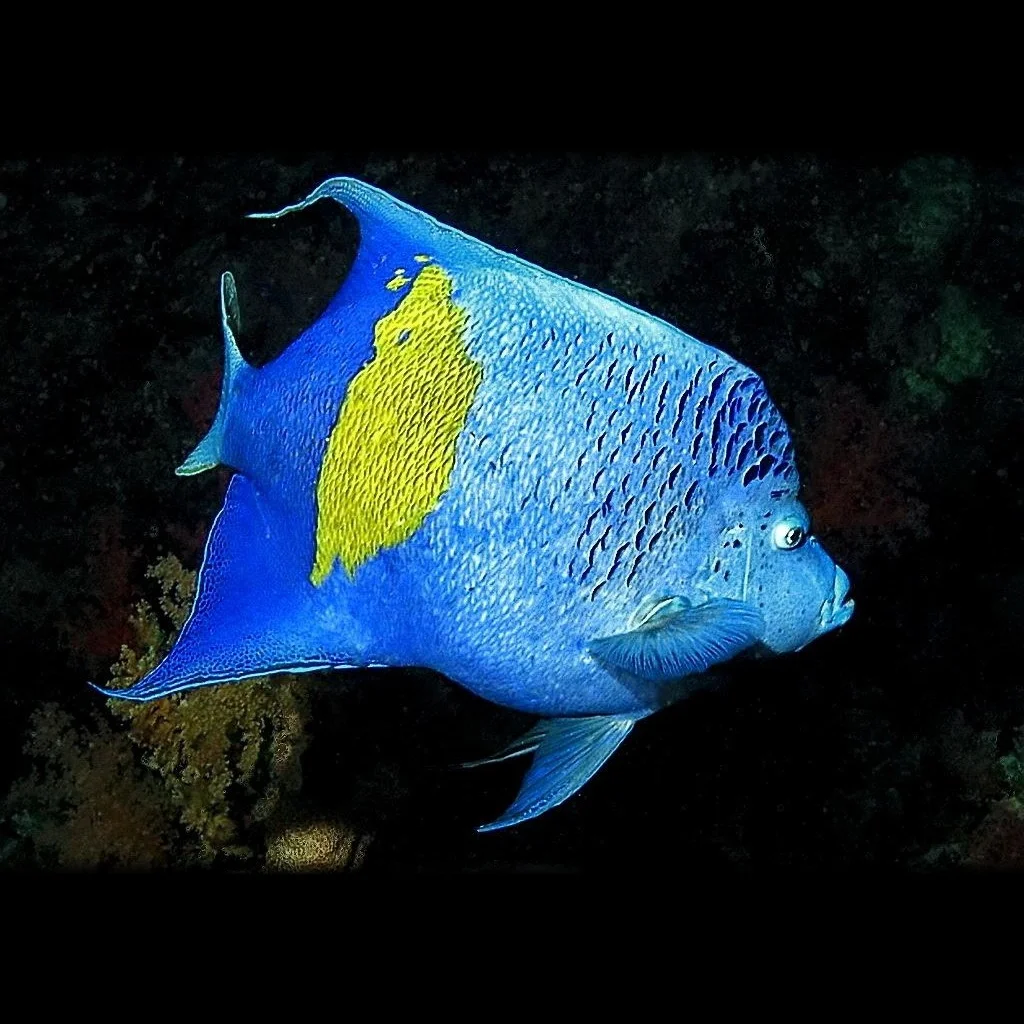
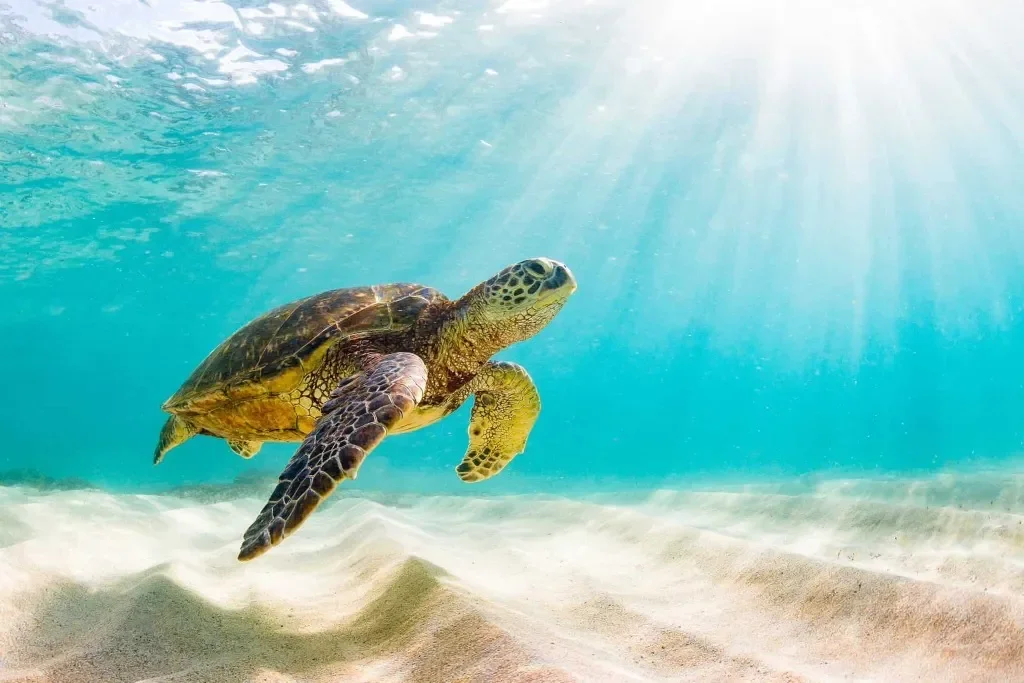
The site is also home to a noted sea turtle cleaning station, offering opportunities to spot Hawaiian green sea turtles. Keep an eye out for a variety of tropical reef fish, including surgeonfish, angelfish, and parrotfish, as they navigate the underwater landscape.
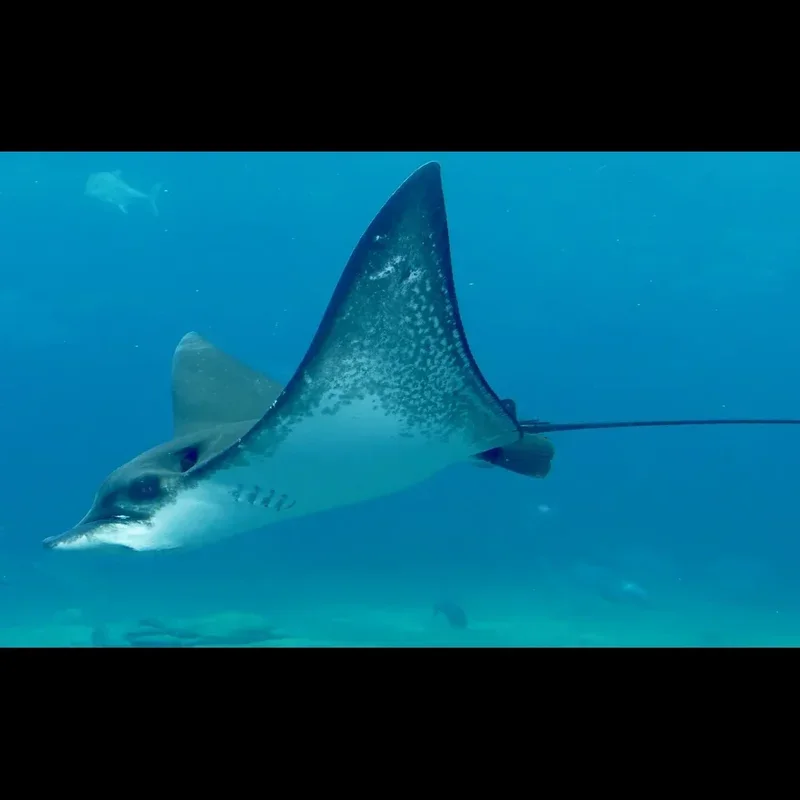
Encounters with octopus, eagle rays, and diverse nudibranchs are also reported, adding to the rich biodiversity of this Hilo dive.
Dive Centers Near Leleiwi

Today: 09:00 - 17:00
Nearest Airports
Nearest airports to help plan travel to this dive area.
Search Flights
Check available flights and routes on Expedia, using the nearby airports listed in this section.
Search Flights on Expedia
Plan Your Stay
Looking for a place to stay for your dive trip? Explore hotels, stays, and vacation rentals for dive groups near Hilo.
Dive Navigator may earn a commission from these links at no extra cost to you.
Frequently Asked Questions
What is the typical dive depth at Leleiwi Beach Park?
Divers exploring Leleiwi typically find depths ranging from around 6 m (20 ft) in shallower sections to a maximum of 22 m (70 ft) in deeper areas. This range accommodates most recreational dive profiles.
Are there specific marine animals to look for at Leleiwi?
Expect to see various tropical reef fish, moray eels, and pipefish within the coral formations. It's also known for a sea turtle cleaning station, providing opportunities to observe Hawaiian green sea turtles.
How challenging is the entry and exit at this dive site?
The shore entry and exit over a'a lava and a shallow spring pool can be challenging, especially during winter months from November to March when larger north-westerly swells are common. Caution and local knowledge are recommended.
What are the water temperatures like throughout the year?
Water temperatures remain comfortable, generally ranging from 22-26°C (72-79°F) in winter. Summer months see slightly warmer conditions, typically between 24-28°C (75-82°F).
Is Leleiwi suitable for beginner divers?
Leleiwi is suitable for certified divers, including beginners in its shallower reef sections. Deeper areas offer more for experienced divers. Guided dives are available, which can be beneficial for those new to the site.
Are guided dives available at Leleiwi Beach Park?
Yes, guided one-tank shore dives are a common offering at Leleiwi Beach Park. These guided excursions provide local expertise and enhance the diving experience, often including equipment like tanks and weights.
What kind of underwater terrain can I expect?
A diverse underwater landscape characterizes the site, including vibrant hard coral reefs, expansive sandy bottoms, and small arches. Its terrain transitions smoothly from rocky areas to more open sandy patches, supporting varied marine life.
Planning to dive Leleiwi?
Send one inquiry and receive offers directly from the best verified local dive operators.
Conditions are Moderate
High Swell Advisory. Not recommended.
Current conditions near Leleiwi show 25° air, 28° sea temperature, 2.1 m waves, and 26 km/h wind. Forecast data is refreshed regularly to ensure accuracy.