
Diving at Lightburne (United States)
Situated just off the Florida Keys, the Lightburne area presents an extensive and varied underwater landscape. It encompasses a segment of the world's third largest living coral barrier reef, alongside numerous artificial reefs formed by intentionally sunk vessels. From historic lighthouses marking shallow reef systems to impressive deep-water wrecks, the dive sites here cater to a broad spectrum of diving preferences. This region offers a comprehensive exploration of diverse marine environments.
As evening covers Lightburne, the local air temperature is measured at 21.5°C. The current wave height at the surface is recorded at 0.8 m. These late-day readings characterize the surface conditions for the night.
Dive Site Location & Key Facts
Dive Site Overview
Exploring the Lightburne area offers divers a remarkably varied experience, from shallow, vibrant coral gardens to challenging deep wrecks. The region boasts significant dive sites such as Molasses Reef, a sprawling complex featuring spur and groove coral formations and a 'drop-off' extending to depths of 70-100 feet (21-30 m).
Carysfort Reef, marked by its historic lighthouse, provides a system of well-developed elkhorn coral stands, with depths ranging from 5 feet (1.5 m) to 80 feet (24 m). Further afield, the USCG Duane and the Vandenberg represent world-class wreck diving opportunities. The Duane, a 329-foot Coast Guard cutter, rests upright on a sandy bottom at 120 feet (36 m), offering nearly 70 feet (21 m) of relief and intentionally opened interior spaces.
Meanwhile, the 520-foot long Vandenberg, the world’s second largest artificial reef, sits at 140 feet (43 m), with its deck at about 100 feet (30 m). Divers encounter a rich blend of natural reef structures and fascinating human-made sites, all within close proximity.
Conditions are Good
Optimal conditions expected
Current conditions near Lightburne show 21° air, 21° sea temperature, 1.0 m waves, and 37 km/h wind. Forecast data is refreshed regularly to ensure accuracy.
Best Time to Dive
Optimizing your dive experience in Lightburne largely depends on prevailing surface conditions. The most favorable period generally spans from late spring through early fall, specifically May to September, with July and August consistently scoring 'Good' for diving. During these months, average air temperatures are notably warmer, ranging from 12°C (54°F) in May to 21.5°C (71°F) in July, contributing to a more comfortable overall experience. Wave heights are typically at their lowest, often around 1.1-1.3 meters, and wind speeds are less pronounced, averaging 28-33 km/h. While specific water temperature data isn't consistently reported, summer conditions are often described as 'amazing' for night diving. Rainfall tends to be lower in June at 2.25 mm (0.09 inches) and August at 2.66 mm (0.10 inches), minimizing potential surface disruptions and maximizing dive enjoyment.
PEAK SEASON SCORE
Scores combine air & water temps, waves, wind & rainfall for overall conditions.
BEST MONTHS TO DIVE
Monthly records compiled from satellite and marine observation nodes over the last 3 years. Data provided by Open-Meteo and MET Norway.
Dive Experience & Conditions
Current dynamics frequently shape the diving conditions around Lightburne, especially near the Gulf Stream. Sites like Elbow Reef and the USCG Duane often experience clear blue waters due to the nearby Gulf Stream currents, which can also introduce significant flow. Captains carefully select daily reef locations based on these conditions, prioritizing optimal visibility and sea state for diver enjoyment. Shallow reef dives are generally calm, offering relaxing experiences at depths of 25-35 feet (7.6-10.6 m), suitable for all certified diver levels. Visibility often exceeds 30 m (100 ft) at deeper wreck sites like the Duane, particularly given their proximity to the Gulf Stream. Divers can anticipate a range of experiences, from gentle explorations over extensive coral gardens to more demanding currents on deeper, exposed wrecks.
Dive Difficulty & Safety Guidelines
Diver skill levels significantly influence safe navigation of Lightburne's diverse sites. While many shallow reef dives accommodate all certified divers, certain locations demand advanced training or professional guidance. For instance, the USCG Duane is explicitly recommended for advanced SCUBA divers with wreck-diving experience due to its considerable depth and strong currents.
Penetration into wrecks like the Bibb or Duane is cautioned against without proper training, given the potential for entanglements, obstructions, and strong interior currents. For the Vandenberg wreck, which is considered an advanced dive, guides are highly suggested for all and mandatory for divers without Advanced Certification.
Marine officers frequently patrol the popular Molasses Reef area, reminding divers about the critical importance of protecting coral, emphasizing that even a light touch can harm these fragile organisms. Discover SCUBA programs are available for beginners, providing a structured introduction to shallow reef diving with instructors.
Recommended Equipment
- Dive Computer
This gear list is based on verified equipment signals for Lightburne, United States. Always confirm final gear choices with your dive operator, guide, or liveaboard.
Recommended Dive Suit
Divers planning relaxed exploration may appreciate the warmth of 3-5mm wetsuit. Surface intervals may feel cooler. Divers often notice that perceived temperature can feel cooler during deeper or longer dives.
The waters surrounding Lightburne are currently maintaining temperatures close to 21°C (71°F). Surface air temperatures are resting at 21°C (71°F).
Environmental conditions may feel slightly cooler as the week progresses. Cooler days are ahead; you might want a warmer option for later in the week. Bringing an additional thermal layer can be helpful if conditions change.
Emergency & Medical Support
Essential information to help you plan your dive trip to Lightburne.

Hyperbaric chambers are a critical part of dive safety infrastructure. Availability varies significantly by region, and not all dive areas have immediate access.
Before diving, it's recommended to:
- confirm nearest medical facilities
- check emergency procedures with local dive operators
- ensure dive insurance covers evacuation if required
Divers Alert Network
Diving emergency assistance available through DAN World.
+1-919-684-9111- 24/7 emergency hotline
- Diving medical assistance
- Evacuation coordination
Emergency contacts are provided for reference. Always verify local emergency services before diving.
Marine Life at Lightburne
On descent, divers often first notice the abundance of tropical fish schooling across the vibrant reefs. Shallow reef systems frequently host many species, creating a dynamic visual experience.
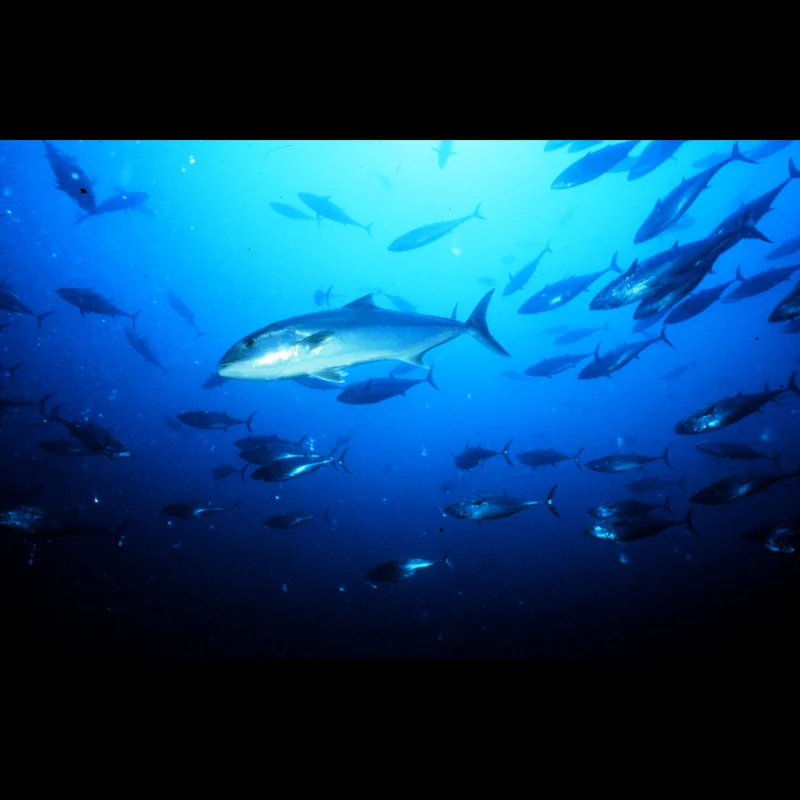
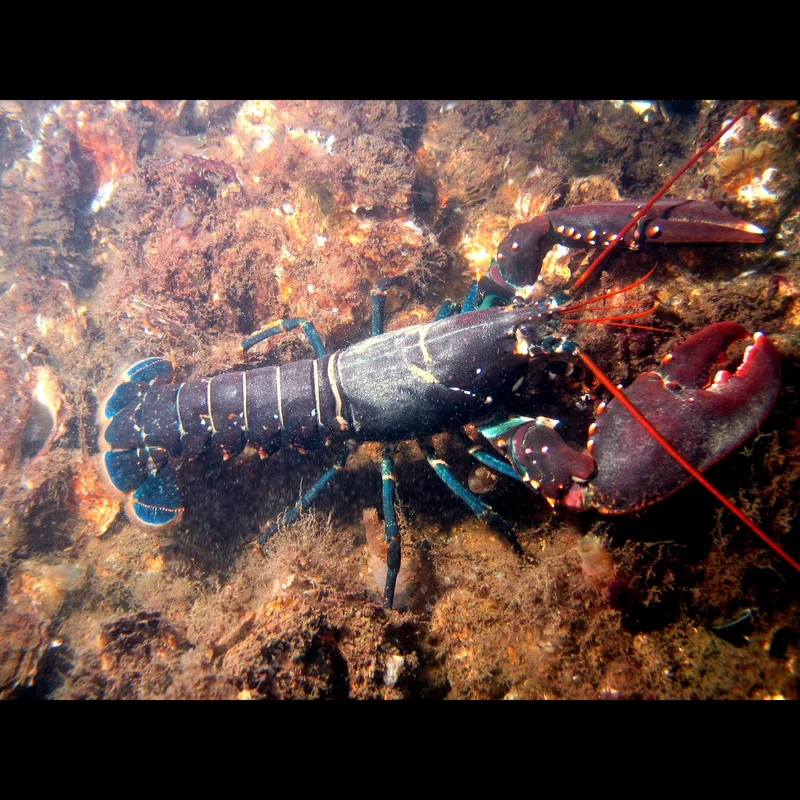
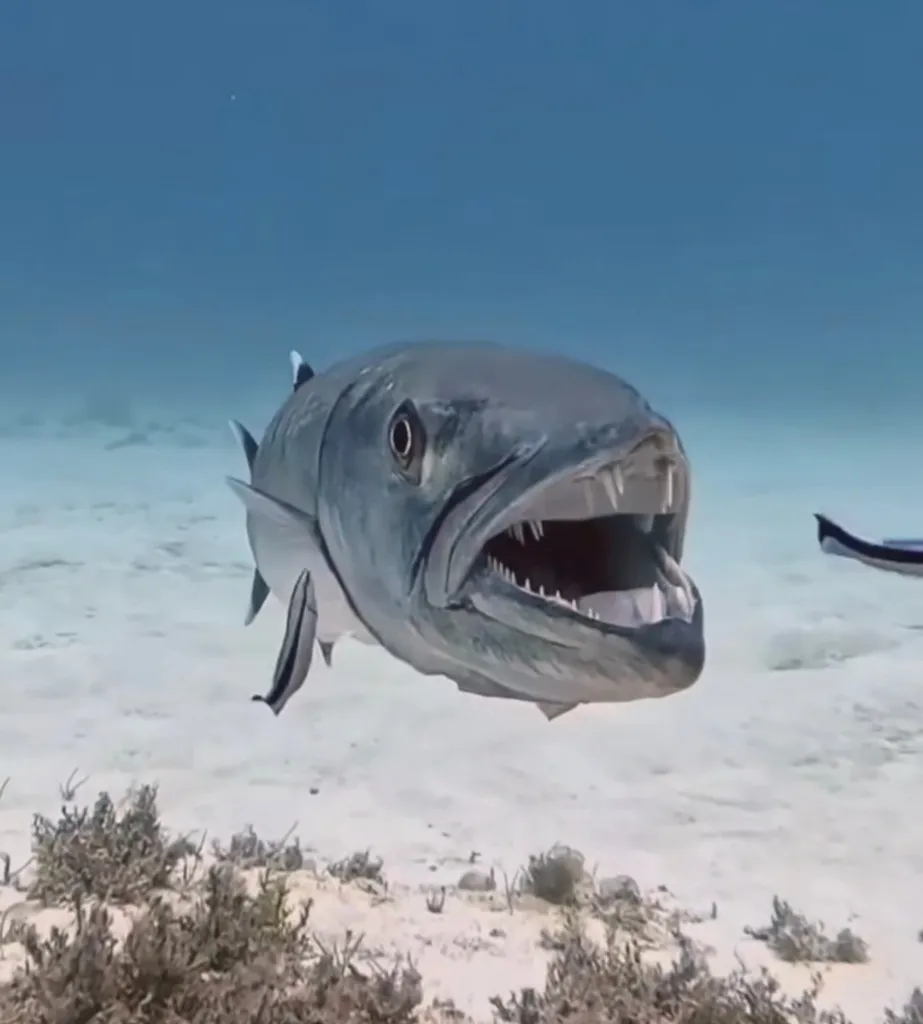
Night dives transform the reef; here, parrotfish tuck into their protective cocoons, while brittle stars, lobsters, and squid become notably active. Around deeper wreck sites such as the Bibb and Duane, sightings commonly include barracudas, amberjacks, black groupers, and cobias.
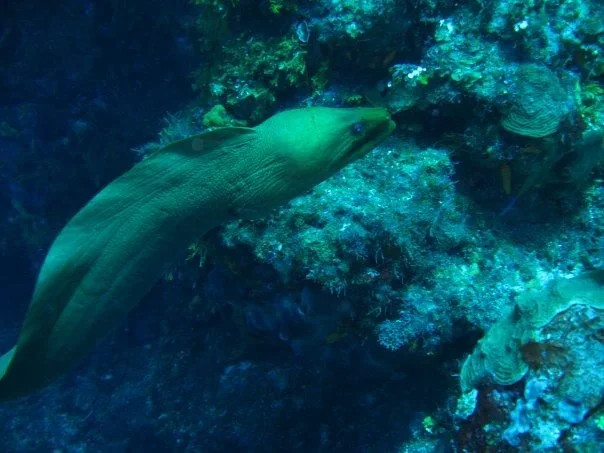
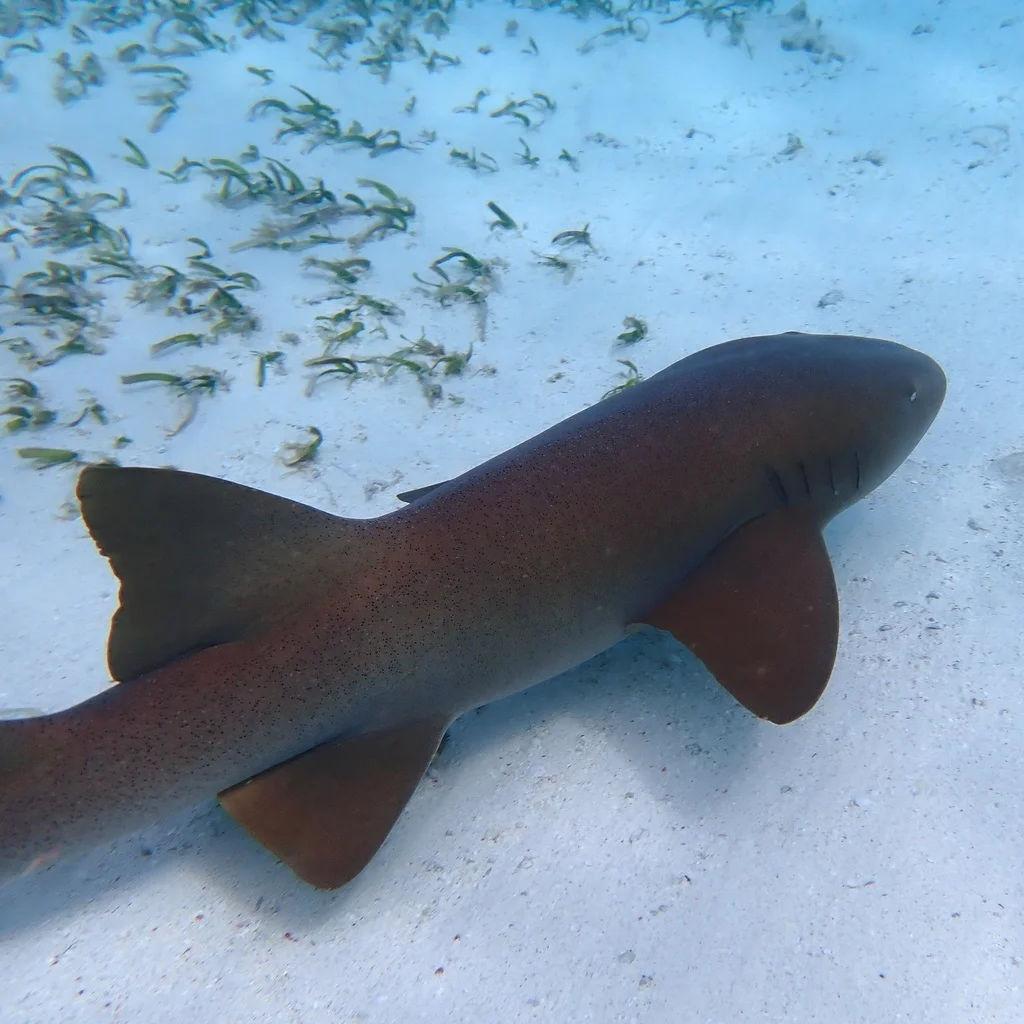
Larger pelagic life like sharks and Goliath Groupers are routinely spotted, particularly in sand patches adjacent to the wrecks. Nurse sharks and morays often reside within the coral growth around the City of Washington wreck, exhibiting little fear of divers due to years of interaction.
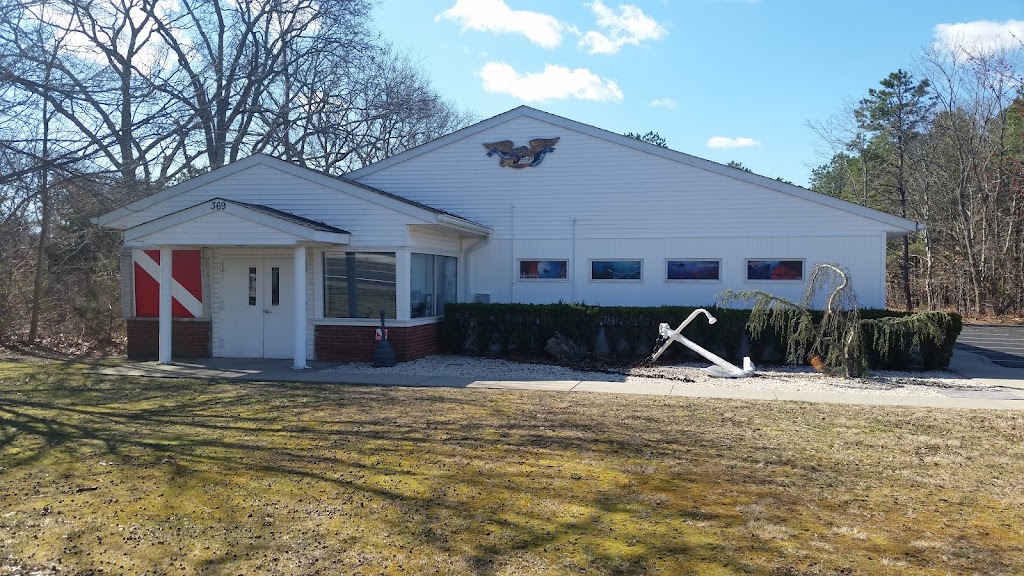
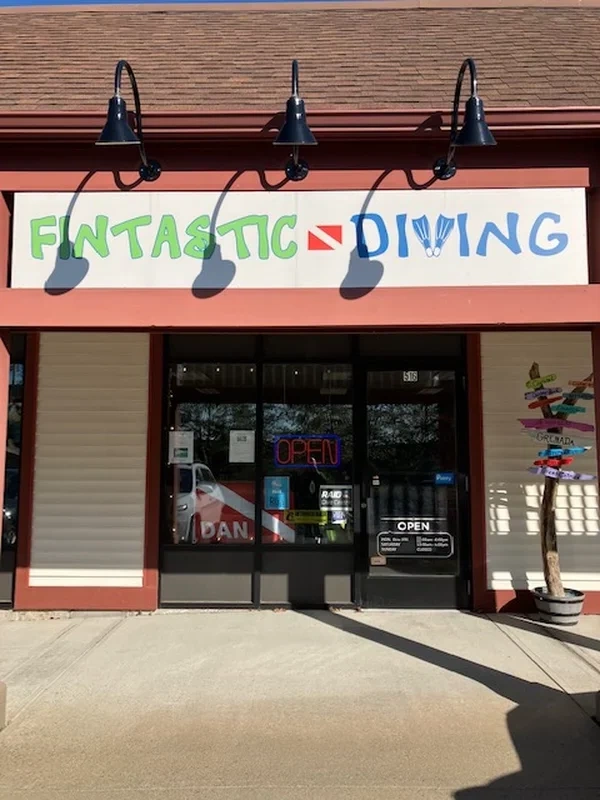
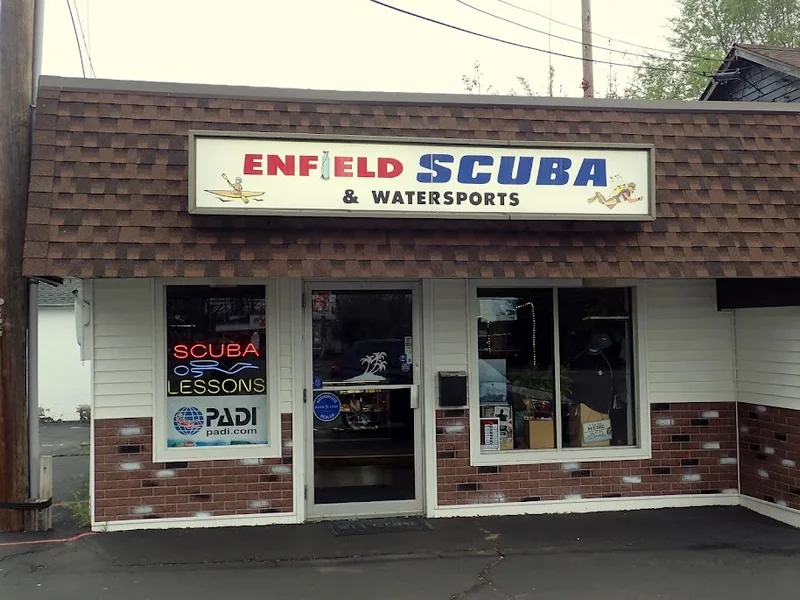
Dive Centers Near Lightburne
Today: 10:00 - 18:00
Nearest Airports
Nearest airports to help plan travel to this dive area.
Search Flights
Check available flights and routes on Expedia, using the nearby airports listed in this section.
Search Flights on Expedia
Plan Your Stay
Looking for a place to stay for your dive trip? Explore hotels, stays, and vacation rentals for dive groups near New Shoreham.
Dive Navigator may earn a commission from these links at no extra cost to you.
Frequently Asked Questions
What are the typical dive depths at Lightburne?
Dive depths vary significantly, catering to different skill levels. Shallow reef systems typically range from 25-35 feet (7.6-10.6 m), while deep wrecks like the USCG Duane and Vandenberg are found at maximum depths of 120-140 feet (36-43 m) respectively.
Can snorkelers or non-divers join the trips?
Yes, many morning and afternoon double-reef trips welcome snorkelers and riders, making it a family-friendly activity. There are also specific 'Discover SCUBA' courses for beginners to try diving in a day.
Are night dives available?
Night dives are scheduled regularly, typically on Wednesdays and Saturdays, with check-in times adjusting to sunset. These are single-tank dives where dive lights are provided, and a guide is suggested for maximum enjoyment.
Is specialized certification required for deeper wreck dives?
For advanced wreck dives like the USCG Duane and Vandenberg, specific certifications are often recommended or required. Guides are suggested for all divers on these trips and are mandatory for those without at least an Advanced Certification.
What is the typical duration of a double-reef dive trip?
Morning double-reef trips usually check-in around 8:00 am and return between 12:00-12:30 pm. Afternoon trips have a 1:00 pm check-in and return by 5:00-5:30 pm, providing ample time for two dives.
How clear is the water usually?
Visibility in the Lightburne area is often excellent, especially at sites influenced by the Gulf Stream, such as Elbow Reef and the USCG Duane. Divers frequently report visibility of 30 m (100 ft) or more on clearer days.
Planning to dive Lightburne?
Send one inquiry and receive offers directly from the best verified local dive operators.
Conditions are Good
Optimal conditions expected
Current conditions near Lightburne show 21° air, 21° sea temperature, 1.0 m waves, and 37 km/h wind. Forecast data is refreshed regularly to ensure accuracy.