
Diving at MB 199 (United States)
Pensacola's underwater realm, unlike many coral-rich destinations, thrives on a different kind of structure: an extensive network of artificial reefs. This Gulf Coast hub offers a distinct diving landscape, primarily featuring intentionally scuttled vessels and oil rigs. Divers here encounter a unique blend of history and marine habitat, where once-active ships now serve as vibrant ecosystems. Diverse experiences are provided by the region, from shallow training grounds to deep technical explorations.
Evening condition tracking at MB 199 features an air temperature of 29°C. We have recorded wave heights measuring 0.6 m during this period. These figures outline the environmental parameters currently present.
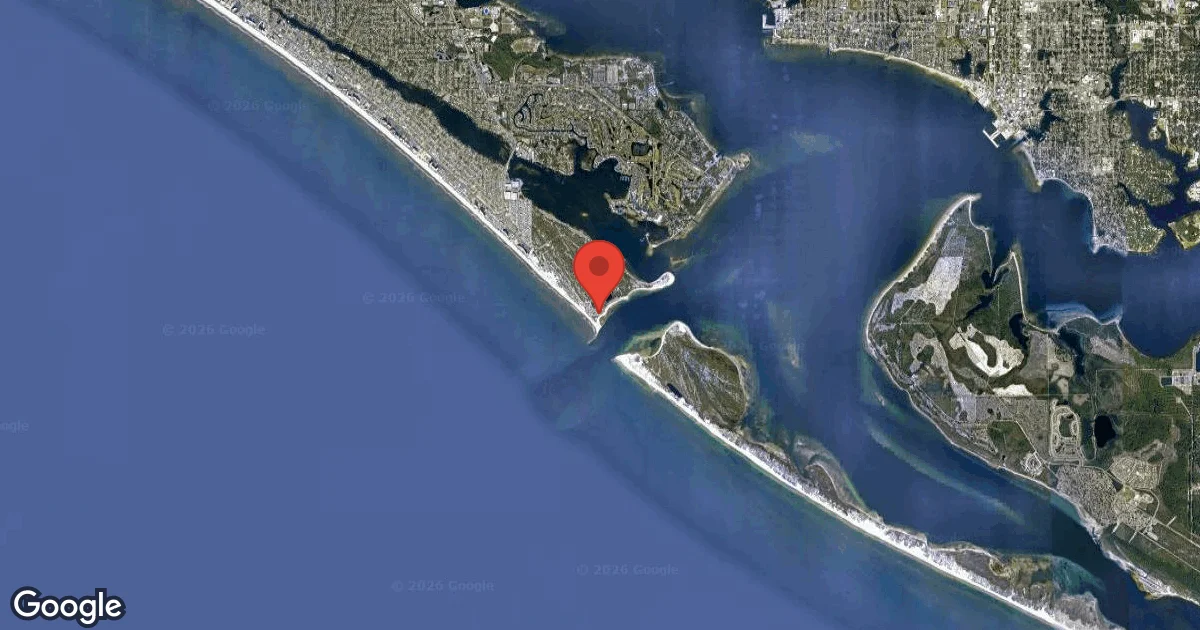
Dive Site Location & Key Facts
Dive Site Overview
Off Pensacola, Florida, the seabed is characterized by a remarkable concentration of artificial reefs, predominantly purpose-sunk wrecks forming a unique underwater topography. This extensive network creates a diverse array of diving opportunities, catering to various skill levels.
Shallow sites, for example the historic USS Massachusetts, resting at depths as modest as 4.5-7.5 m (15-25 ft), offer easy access for beginners and snorkelers, with gun turrets sometimes visible from the surface. Popular recreational wrecks like the Three Coal Barges or the artistic Joe Patti Barge, lie around 12-15 m (40-50 ft). These sites feature intricate metalwork and structural elements now heavily colonized by marine life.
Deeper options include the Pete Tide II or YDT 14, extending to approximately 30 meters, providing more challenging explorations for experienced recreational divers. Part of comprehensive reefing programs, these decommissioned vessels and oil rigs are converted into thriving ecosystems.
Exploring artificial structures reveals diverse habitats from open decks to more complex internal compartments, depending on the wreck and certification level. Each sunken vessel tells a story, offering both historical context and vibrant biological activity, from its original purpose to its new role as a marine habitat.
The sheer number and variety of these artificial structures define the diving experience in Pensacola, establishing it as a premier destination for wreck enthusiasts.
Conditions are Excellent
07:00 - 14:00
Optimal conditions expected
Current conditions near MB 199 show 29° air, 30° sea temperature, 0.3 m waves, and 20 km/h wind. Forecast data is refreshed regularly to ensure accuracy.
Best Time to Dive
While diving is possible year-round in Pensacola, conditions for optimal underwater excursions generally improve from May through November. During these months, average air temperatures range from 24.5-29°C (76-84°F), making surface intervals more comfortable. Wave heights also tend to be lower, often averaging below 0.8 meters (2.6 feet), contributing to calmer boat rides and better visibility on some days. Spring months, particularly May, often see good dive scores, with increasing air temperatures and relatively stable weather. As summer progresses into early fall, specifically July through September, calmest wave conditions are frequently reported, averaging around 0.7 meters (2.3 feet). Rainfall remains consistently low across most months, though September and December show slightly elevated averages of 6.89 mm and 6.07 mm, respectively. Divers planning trips in cooler months, such as January through April, should expect average air temperatures between 12.5-21°C (54-70°F) and potentially higher wave action, although visibility can still be good.
PEAK SEASON SCORE
Scores combine air & water temps, waves, wind & rainfall for overall conditions.
BEST MONTHS TO DIVE
Monthly records compiled from satellite and marine observation nodes over the last 3 years. Data provided by Open-Meteo and MET Norway.
Dive Experience & Conditions
Descending upon Pensacola's artificial reefs, divers typically encounter varying visibility, which can range from 5 meters (15 feet) to over 20 meters (65 feet) depending on recent weather and currents. Strong currents are not consistently reported but can occur, particularly around deeper, more exposed wrecks. Water temperatures are not consistently reported in our system data but generally vary seasonally, with warmer conditions in summer and cooler temperatures during winter months. A focus on wreck diving dominates the experience, with each site offering unique exploration opportunities. Many wrecks sit upright, providing clear orientation and allowing divers to navigate around their structures. Overhead environments are present in some wrecks, requiring appropriate wreck diver training and experience. Many artificial reefs are comfortably within typical recreational depths. This makes the sites accessible to advanced open water divers, while technical divers can explore the deeper sections of larger wrecks like the USS Oriskany, which extends beyond recreational limits.
Dive Difficulty & Safety Guidelines
When exploring Pensacola's wreck sites, divers should prioritize awareness of potential hazards such as entanglement in fishing lines or loose debris, and navigating overhead environments. Proper wreck diver training is essential for any penetration dives, ensuring familiarity with line-laying techniques and emergency procedures. Surface conditions can vary, so always check local weather forecasts and sea state reports before planning a dive.
Strong currents can occasionally affect certain sites, particularly those more exposed or deeper. Always deploy a dive flag, especially when drifting or in high boat traffic areas.
Maintain proper buoyancy control to protect artificial reef structures and avoid stirring up sediment, which can reduce visibility for subsequent divers. Adhering to depth and bottom time limits appropriate for your certification level is crucial for safety and preventing decompression sickness.
Recommended Equipment
- Dive Computer
This gear list is based on verified equipment signals for MB 199, United States. Always confirm final gear choices with your dive operator, guide, or liveaboard.
Recommended Dive Suit
Forecast models show minimal temperature variation in the coming days.
Some divers prefer slightly warmer exposure protection simply for additional comfort.
Dive skin or rash guard usually works well for maintaining comfort during standard dive profiles in these conditions. A hood or vest is suggested for sensitive divers due to surface winds. The latest environmental readings for MB 199 suggest water temperatures around 30°C (86°F). Surface air temperatures are resting at 29°C (84°F).
Emergency & Medical Support
Essential information to help you plan your dive trip to MB 199.

Hyperbaric chambers are a critical part of dive safety infrastructure. Availability varies significantly by region, and not all dive areas have immediate access.
Before diving, it's recommended to:
- confirm nearest medical facilities
- check emergency procedures with local dive operators
- ensure dive insurance covers evacuation if required
Divers Alert Network
Diving emergency assistance available through DAN World.
+1-919-684-9111- 24/7 emergency hotline
- Diving medical assistance
- Evacuation coordination
Emergency contacts are provided for reference. Always verify local emergency services before diving.
Marine Life at MB 199
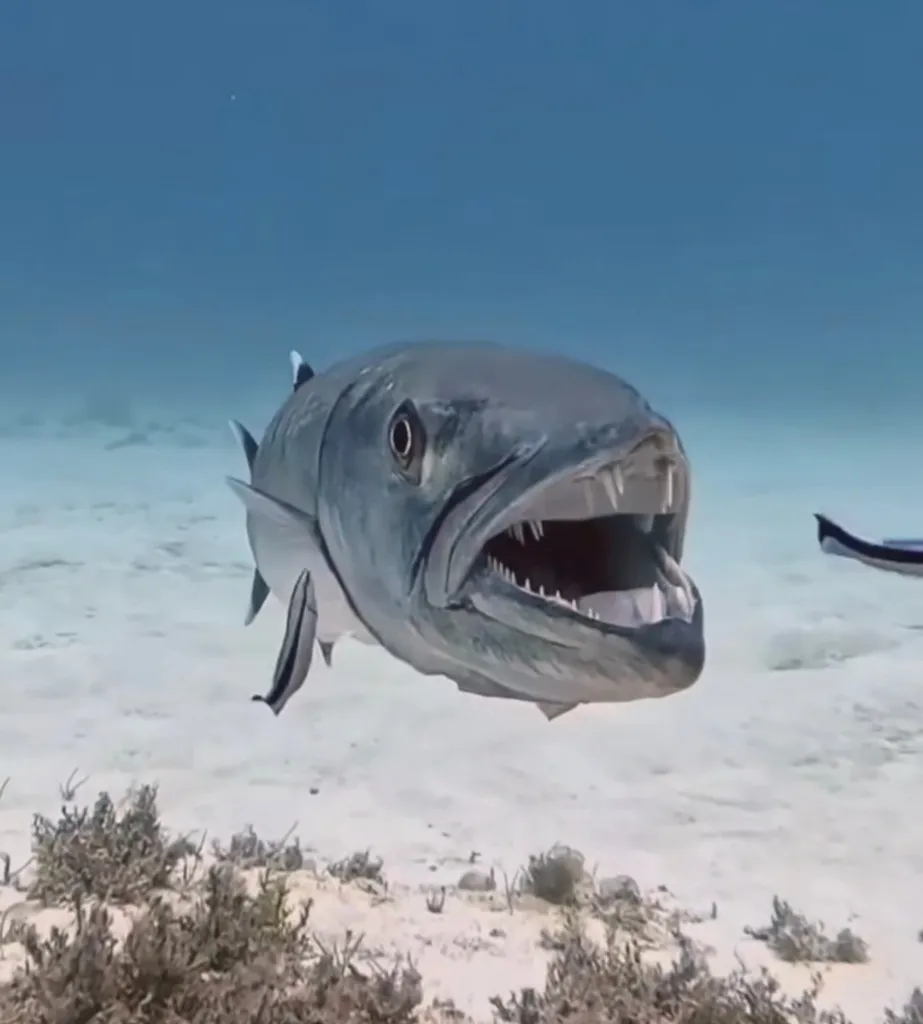
Wreck sites off Pensacola teem with a diverse array of marine inhabitants, drawn to cover and structure these artificial reefs provide. Divers frequently encounter schools of spadefish and barracuda, often found congregating around intact structures like the pilothouse of the Pete Tide II.
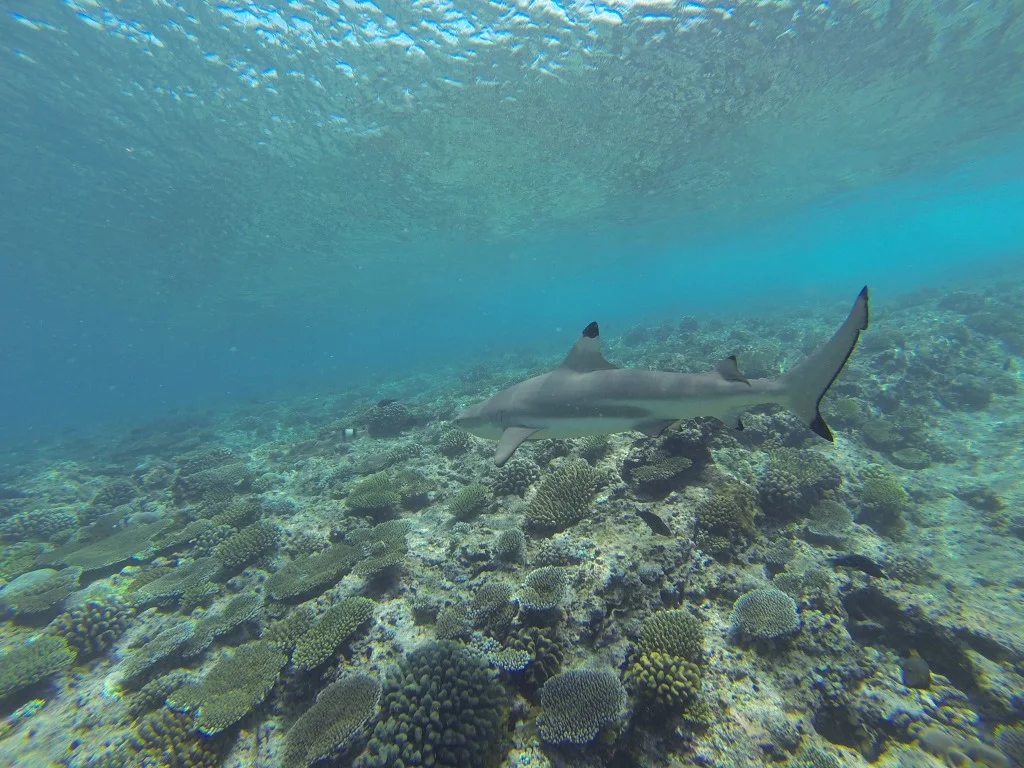
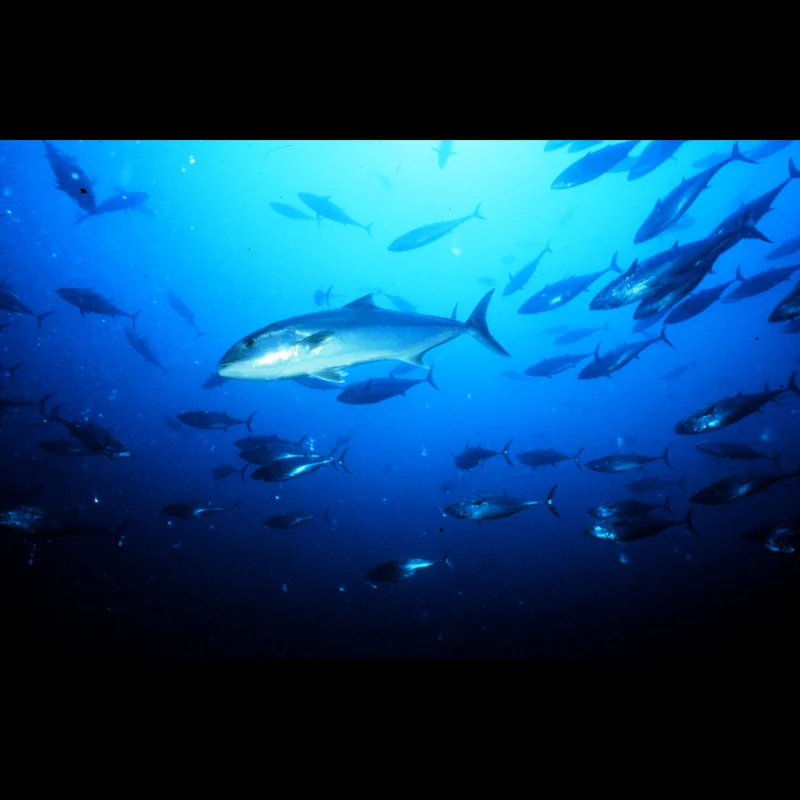
Larger pelagic species, including amberjack, are common sightings, especially around the towering steel framework of sites like the Chevron Rig. Goliath Grouper find refuge within deeper crevices and larger wrecks, while sharks are also seen with some regularity on certain sites, adding to excitement.
Coral encrustations on older wrecks support smaller reef fish, creating vibrant, localized ecosystems.

Dive Sites Near MB 199
View all dive sites in United StatesDiscover more underwater gems in this area.
Dive Centers Near MB 199
Today: 09:00 - 16:00
Nearest Airports
Nearest airports to help plan travel to this dive area.
Search Flights
Check available flights and routes on Expedia, using the nearby airports listed in this section.
Search Flights on Expedia
Plan Your Stay
Looking for a place to stay for your dive trip? Explore hotels, stays, and vacation rentals for dive groups near Tyndall Air Force Base.
Dive Navigator may earn a commission from these links at no extra cost to you.
Frequently Asked Questions
What types of dive sites are available in Pensacola?
Pensacola primarily features artificial reefs, consisting of intentionally sunk vessels and repurposed oil rigs. These range from shallow historic battleships to deep technical wrecks.
Is Pensacola suitable for beginner divers?
Yes, numerous shallow wreck sites like the USS Massachusetts or Joe Patti Barge are ideal for beginners, offering easy access and depths typically less than 15 m (50 ft).
What is the deepest wreck dive in the area?
The USS Oriskany, a former aircraft carrier, is the deepest major wreck. Its flight deck rests at 44 meters, with deeper sections extending to 67 meters for technical divers.
Are currents a concern when diving Pensacola wrecks?
Currents can vary depending on the site and conditions. While not consistently strong, divers should be prepared for potential currents, especially on more exposed or deeper wrecks.
What marine life can be seen on these artificial reefs?
Wrecks are magnets for marine life, commonly hosting barracuda, spadefish, amberjack, goliath grouper, and various schools of fish. Sharks are also frequently observed.
Do I need special certification for wreck diving in Pensacola?
For any penetration into wrecks, specialized wreck diver training is highly recommended. Many sites, however, offer extensive exterior exploration suitable for advanced open water divers.
Planning to dive MB 199?
Send one inquiry and receive offers directly from the best verified local dive operators.
Conditions are Excellent
07:00 - 14:00
Optimal conditions expected
Current conditions near MB 199 show 29° air, 30° sea temperature, 0.3 m waves, and 20 km/h wind. Forecast data is refreshed regularly to ensure accuracy.