
Diving at MB 206 (United States)
Descending into the dive sites around Myrtle Beach often reveals an intricate world of submerged history and artificial reefs. The initial drop through the water column varies in clarity, occasionally offering glimpses of larger structures taking shape below. As you approach the seafloor, distinct wreck outlines or reef components become more defined, inviting exploration into their depths. This region primarily consists of artificial structures and natural hard bottoms, creating diverse underwater environments.
Tonight's objective overview for MB 206 shows an air temperature of 26°C. The measured surface conditions include wave heights around 0.4 m. This environmental data is logged for the close of the day.
Dive Site Location & Key Facts
Dive Site Overview
The underwater topography around Myrtle Beach, often referred to by identifiers like MB 206, is characterized by a prevalence of artificial reefs and historical wrecks. These dive sites collectively span a considerable depth range, from shallower novice-friendly areas around 6-11 m (20-35 ft) to advanced sites descending to 27-43 m (90-140 ft).
Numerous wrecks dot the seafloor, including 90 ft tugboats, 48 ft tugboats, Navy A-6 attack planes, 150 ft Navy yard oilers, and 120 ft fuel barges. Larger structures like a 280 ft Panamanian tanker, NYC subway cars, a five-deck passenger ship (the City of Richmond), and even a massive 470 ft WWII troop transport (the USS Vermilion) shape the deeper dive experiences.
Many of these sunken vessels feature swim-throughs, accessible decks, and crew quarters, providing intricate pathways for divers. Artificial reef-building structures, often surrounding the wrecks, create additional habitat.
The varied geological composition of the continental margin, with its potential for softer rock formations, influences where these structures settle and contribute to the local marine environment. Overall, the area's dive landscape is defined by human contributions blended with natural seafloor processes.
Conditions are Excellent
07:00 - 14:00
Optimal conditions expected
Current conditions near MB 206 show 26° air, 30° sea temperature, 0.2 m waves, and 20 km/h wind. Forecast data is refreshed regularly to ensure accuracy.
Best Time to Dive
Optimizing for visibility when planning dives in the Myrtle Beach area generally points towards the late spring through early fall months. While specific water temperature data is not consistently reported, air temperatures are most comfortable from May through September, ranging from 24°C (75°F) to 28°C (82°F). During this period, wave heights tend to be lower, typically between 0.5-0.7 m (1.6-2.3 ft), which often correlates with improved underwater clarity. Rainfall is also generally lower in May, October, and November. In contrast, winter months like January experience cooler air temperatures around 10.5°C (51°F) and higher average wave heights, reaching up to 1.0 m (3.3 ft), which can lead to reduced visibility. Experienced divers know that localized conditions can cause considerable variation. Visibility ranges from 3-12 m (10-40 ft) on shallower novice sites up to 15-30 m (50-100 ft) or more on deeper advanced sites, but these figures depend heavily on recent weather and currents.
PEAK SEASON SCORE
Scores combine air & water temps, waves, wind & rainfall for overall conditions.
BEST MONTHS TO DIVE
Monthly records compiled from satellite and marine observation nodes over the last 3 years. Data provided by Open-Meteo and MET Norway.
Dive Experience & Conditions
Diving within the Myrtle Beach region offers a sensory journey through diverse underwater environments. As divers descend, the feeling of immersion into history becomes palpable, particularly around the numerous wreck sites. The water column itself might present thermoclines, although specific temperature gradients are not consistently documented. Visibility can shift dramatically from one site to another, ranging from limited views on some shallower novice reefs to considerably clearer conditions on deeper offshore wrecks. Currents, while not consistently described, can influence drift potential around structures and along the continental shelf, requiring divers to remain aware. Exploring the intricate decks and compartments of sunken tugboats, tankers, or subway cars provides a unique sense of discovery. These artificial habitats often vibrate with subtle activity, from the scurry of small reef fish to the slow, deliberate movements of larger predatory species. Each dive unfolds differently, shaped by the specific structure and the prevailing ocean conditions.
Dive Difficulty & Safety Guidelines
Prioritizing safety in the Myrtle Beach diving environment includes adherence to certification limits and carrying essential equipment. Certain advanced sites, such as the BP-25 and USS Vermilion, explicitly require PADI Advanced Diver certification or equivalent. Diving beyond one's certification level is a violation of PADI standards.
Divers are required to carry a safety sausage and a whistle on specific sites like the BP-25, Civil War Wreck, Greenville Reef, St. Cathan, Hebe, and USS Vermilion. These tools are crucial for surface signaling in case of separation or emergency.
The dive operator's cancellation policy allows for changes up to 48 hours prior to departure, with group cancellations needing a week's notice.
Moreover, the captain retains the right to modify dive sites or the number of dives based on sea conditions, weather, or for the safety of passengers and crew.
Recommended Equipment
- Dive Computer
This gear list is based on verified equipment signals for MB 206, United States. Always confirm final gear choices with your dive operator, guide, or liveaboard.
Recommended Dive Suit
Conditions in the coming days are expected to stay within a similar temperature range.
Factors such as dive duration, depth, and activity level can influence how warm a diver feels underwater.
Dive skin or rash guard typically balances flexibility and thermal protection in these temperatures. A hood or vest is suggested for sensitive divers due to surface winds. Divers preparing to enter the water at MB 206 will likely find temperatures around 30°C (86°F) today. Surface air temperatures are resting at 26°C (79°F).
Emergency & Medical Support
Essential information to help you plan your dive trip to MB 206.

Hyperbaric chambers are a critical part of dive safety infrastructure. Availability varies significantly by region, and not all dive areas have immediate access.
Before diving, it's recommended to:
- confirm nearest medical facilities
- check emergency procedures with local dive operators
- ensure dive insurance covers evacuation if required
Divers Alert Network
Diving emergency assistance available through DAN World.
+1-919-684-9111- 24/7 emergency hotline
- Diving medical assistance
- Evacuation coordination
Emergency contacts are provided for reference. Always verify local emergency services before diving.
Marine Life at MB 206
The underwater landscapes of Myrtle Beach's wrecks and artificial reefs serve as vibrant hubs for marine life. These structures attract a diverse array of species, creating localized ecosystems amidst the sunken metal and concrete.
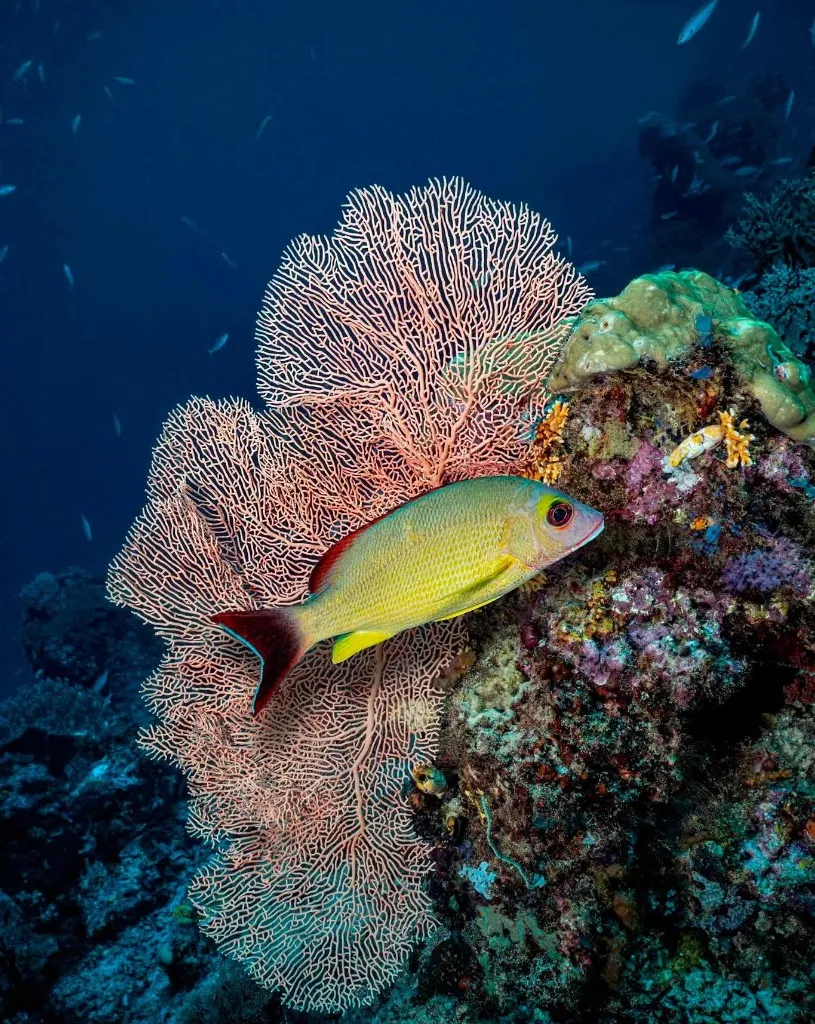
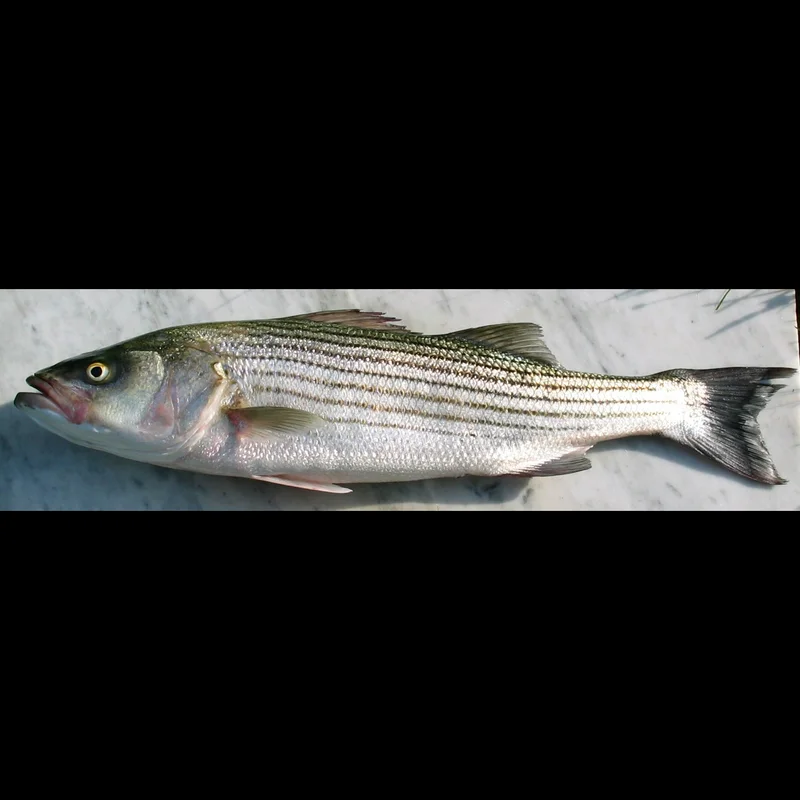
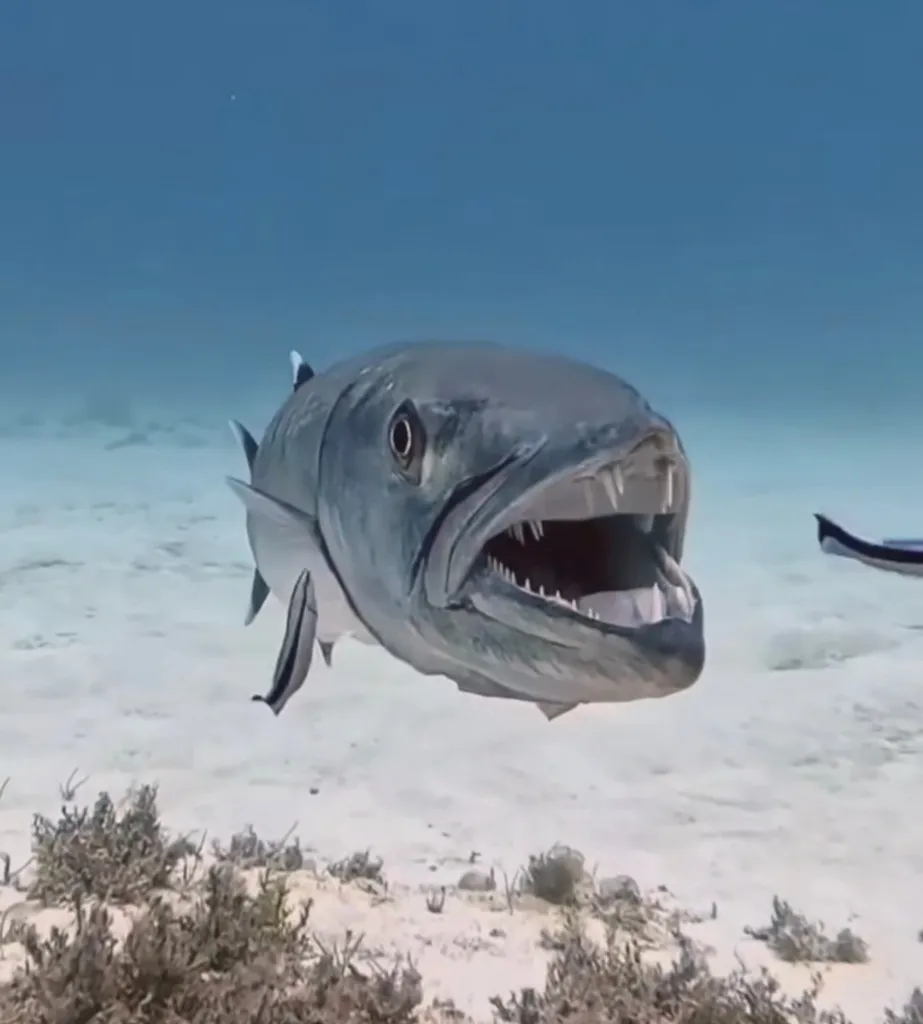
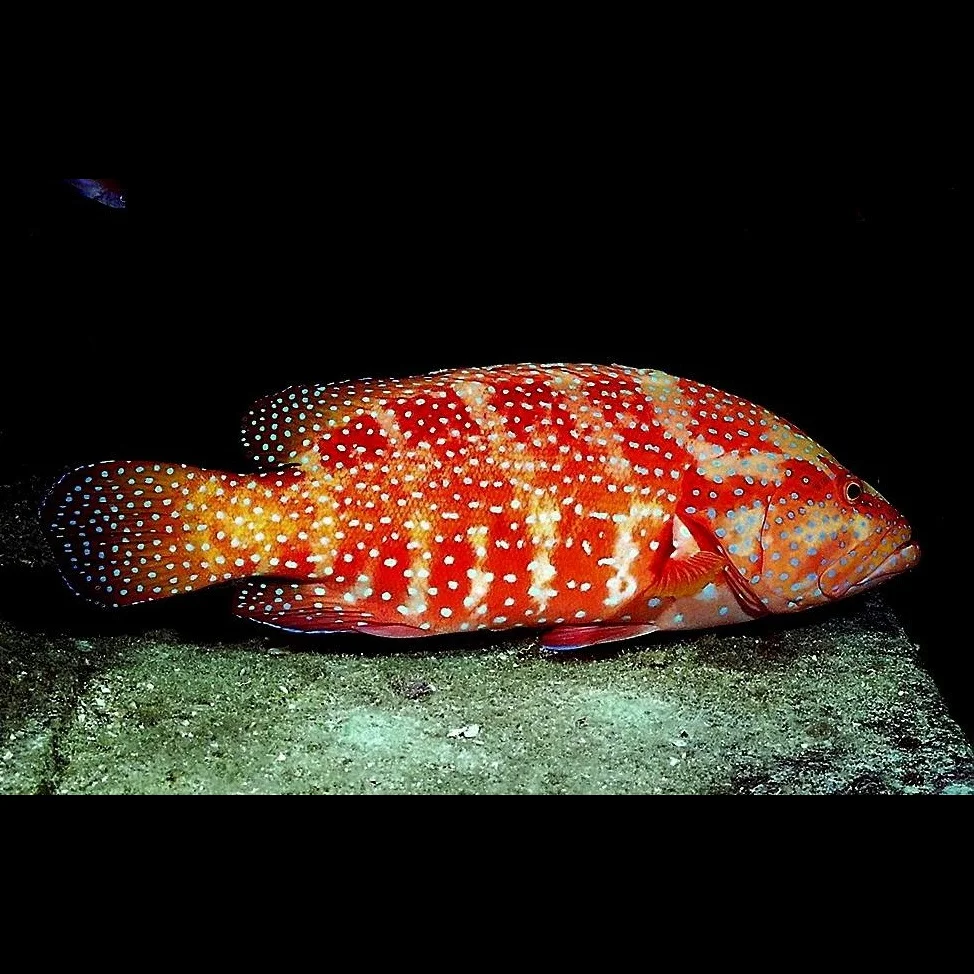
Divers frequently encounter barracuda and spadefish patrolling the wrecks, while grouper, snapper, pinfish, grunts, and sea bass find refuge among the hull structures and reef-building materials. On occasion, sand tiger sharks and sea turtles, including loggerhead sea turtles, are observed frequenting these sites.
Deeper canyon systems, though distinct from the wreck sites, also harbor deep-sea corals like Lophelia pertusa, gorgonian Paragorgia (bubblegum coral), and Primnoa, showcasing the region's broader biodiversity potential on hard, steep walls.

Dive Centers Near MB 206
Today: 09:00 - 16:00
Nearest Airports
Nearest airports to help plan travel to this dive area.
Search Flights
Check available flights and routes on Expedia, using the nearby airports listed in this section.
Search Flights on Expedia
Plan Your Stay
Looking for a place to stay for your dive trip? Explore hotels, stays, and vacation rentals for dive groups near Mexico Beach.
Dive Navigator may earn a commission from these links at no extra cost to you.
Frequently Asked Questions
What types of dive sites are available in Myrtle Beach?
The Myrtle Beach area primarily features numerous wreck dives and artificial reefs. These include sunken tugboats, airplanes, tankers, subway cars, and large troop transports, alongside various concrete reef structures.
What is the typical depth range for diving here?
Dive depths vary significantly. Novice sites are generally shallower, around 20 to 35 feet, while advanced sites can extend to depths of 90 to 140 feet.
What kind of marine life might I see?
Common sightings include barracuda, spadefish, grouper, snapper, and sea bass. Sand tiger sharks, various sea turtles, and even lobsters have been observed, especially on deeper wrecks during certain times of the year.
Are there any specific certification requirements?
Yes, advanced dive sites, particularly deeper wrecks, require a PADI Advanced Diver certification or an equivalent rating. Diving beyond your certification level is not permitted by PADI standards.
What safety equipment is mandatory for certain dives?
For many advanced wreck sites, a safety sausage and a whistle are explicitly required. These are important signaling devices for surface emergencies or to maintain contact with the dive boat.
How does visibility typically behave?
Visibility is highly variable, influenced by weather and currents. It can range from limited views on shallower sites to clearer conditions on deeper offshore wrecks.
Can the captain change the planned dive site?
Yes, the captain reserves the right to change dive sites or the number of dives based on prevailing sea conditions, weather, or for the overall safety and well-being of passengers, crew, and the vessel.
Planning to dive MB 206?
Send one inquiry and receive offers directly from the best verified local dive operators.
Conditions are Excellent
07:00 - 14:00
Optimal conditions expected
Current conditions near MB 206 show 26° air, 30° sea temperature, 0.2 m waves, and 20 km/h wind. Forecast data is refreshed regularly to ensure accuracy.