
Diving at MB-256 (United States)
Below the Gulf's warm currents, a silent sentry rests, its gun turrets still breaking the surface, marking an historical underwater frontier. Sunlight filters through the water, illuminating the vibrant growth that has transformed the USS Massachusetts into an artificial reef. A subtle current often accompanies the dive, adding to the dynamic feel of exploring this significant historical wreck.
Tonight's objective overview for MB-256 shows an air temperature of 24.5°C. The measured surface conditions include wave heights around 0.4 m. This environmental data is logged for the close of the day.
Dive Site Location & Key Facts
Dive Site Overview
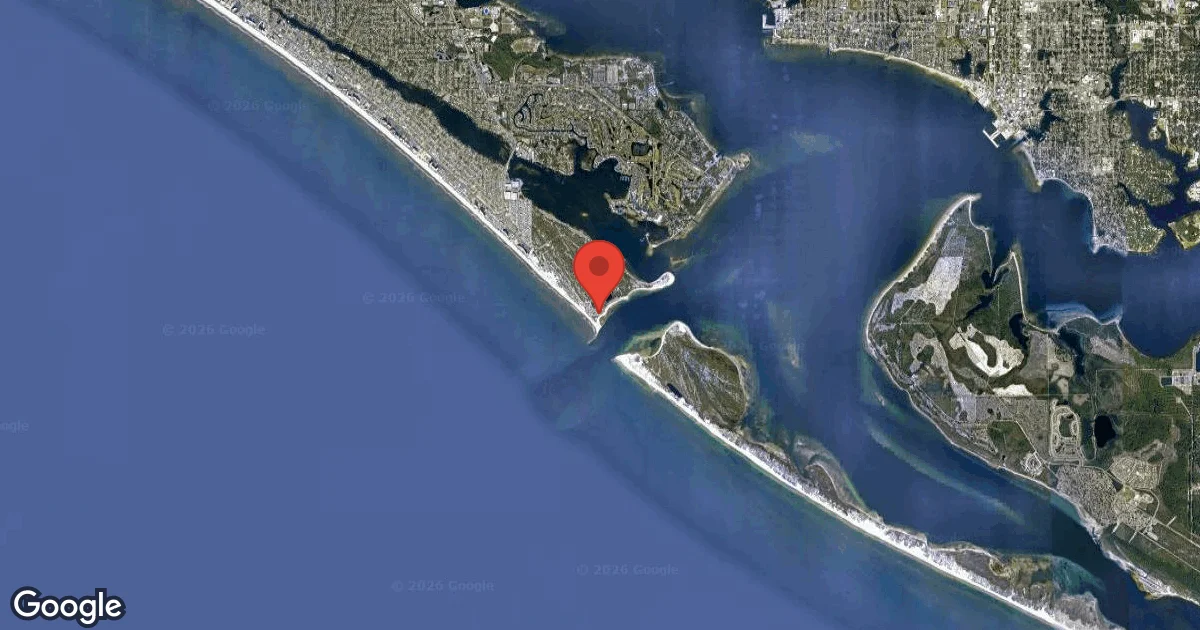
Intentionally sunk in 1921 during experimental artillery training, the USS Massachusetts lies submerged just outside the Pensacola Pass, southwest of Fort Pickens. This former battleship acts as a prominent landmark with gun turrets often visible above the waves, providing an unmistakable surface reference point.
Measuring over 107 meters (350 feet) long with a 21-meter (69-foot) beam, the vessel has dramatically transformed over decades since its scuttling. What was once a steel warship now functions as a thriving artificial reef, extensively encrusted in diverse corals that paint its metallic surfaces. Its substantial size allows for extensive exploration; upper sections reside in shallower waters, while the main hull descends to greater depths, consistent with its 7.3-meter (24-foot) draft.
Such transformation creates a compelling dive, blending historical significance with a vibrant ecosystem drawing various fish species. Divers can navigate along the massive structure, observing nature's reclamation of man-made objects.
Beneath the waves, the sheer scale of the battleship is impressive, offering numerous nooks and crannies to investigate. A dive here appeals to those combining wreck exploration with vibrant marine encounters.
Conditions are Excellent
07:00 - 14:00
Optimal conditions expected
Current conditions near MB-256 show 25° air, 30° sea temperature, 0.3 m waves, and 18 km/h wind. Forecast data is refreshed regularly to ensure accuracy.
Best Time to Dive
Diving conditions at the USS Massachusetts are generally favorable across much of the year, although they can fluctuate. The highest dive scores are typically reported from May through November, averaging 7-8, indicating good to very good conditions. During these months, air temperatures are comfortably warm, ranging from 24.5°C (76°F) in May to 19.5°C (67°F) in November, with peak warmth in July and August around 29°C (84°F). Wave heights tend to be lower during this period, often below 0.8 meters (2.6 feet), and wind speeds decrease to an average of 22.2-28.4 km/h (13.8-17.6 mph). Rain is usually minimal during late spring and autumn, particularly in October, which averages only 1.4 mm of precipitation. While specific water temperature data isn't consistently reported, the warmer air and calmer seas during summer and early fall generally correlate with more comfortable diving. Even in winter, conditions remain moderate, with January reporting the lowest dive score of 6, due to cooler air temperatures around 12°C (54°F) and higher average wave heights near 1.1 meters (3.6 feet). Overall, targeting the late spring to early autumn window offers the most consistently pleasant conditions above and below the surface.
PEAK SEASON SCORE
Scores combine air & water temps, waves, wind & rainfall for overall conditions.
BEST MONTHS TO DIVE
Monthly records compiled from satellite and marine observation nodes over the last 3 years. Data provided by Open-Meteo and MET Norway.
Dive Experience & Conditions
Site access begins with spotting the impressive gun turrets of the USS Massachusetts, often breaking the surface or resting in as little as 2 meters (9 feet) of water. This initial glimpse provides a visible marker for navigation. From these prominent features, the battleship's massive hull extends downwards, consistent with its original 7.3-meter (24-foot) draft, reaching deeper sections within recreational limits. Access to the site is exclusively by boat, usually a short ride from shore. Underwater, divers should expect variable conditions; currents can be present, influenced by tidal flow and recent weather. Visibility ranges widely, affected by sediment and local plankton blooms, yet often permits good views of the wreck's scale and its encrusting life. Exploring deeper sections of the wreck demands careful buoyancy control, particularly near structural elements. Your experience transitions from bright, shallow exploration to more intricate investigation as one descends along the ship's length.
Dive Difficulty & Safety Guidelines
Diving the USS Massachusetts, particularly within its structural elements, benefits significantly from specialized training. PADI Wreck Diver certification is highly recommended for those planning to penetrate the wreck, enhancing safety and navigational skills within overhead environments. Even for exterior exploration, sound buoyancy control is crucial to avoid disturbing marine life or kicking up sediment, which can reduce visibility for all divers.
Always dive with a buddy and maintain awareness of your depth and no-decompression limits. Local dive operators often provide guided charters, which can be invaluable for understanding the wreck's layout and current conditions.
Bringing a dive flag is advisable for surface safety, and a dive knife and gloves are prudent additions to your equipment, as recommended for wreck sites, in case of entanglement or for protection against sharp edges or barnacles. Pay close attention to current conditions, as strong currents can occasionally affect the site.
Recommended Equipment
- Dive Computer
This gear list is based on verified equipment signals for MB-256, United States. Always confirm final gear choices with your dive operator, guide, or liveaboard.
Recommended Dive Suit
According to recent observations, water temperatures near MB-256 are approximately 30°C (85°F). Surface air temperatures are resting at 25°C (76°F).
The forecast outlook suggests that temperatures will stay close to current levels.
Divers who prefer moderate insulation typically choose dive skin or rash guard in similar environments. A hood or vest is suggested for sensitive divers due to surface winds. Many experienced divers adjust their exposure protection depending on the type of dive planned.
Emergency & Medical Support
Essential information to help you plan your dive trip to MB-256.

Hyperbaric chambers are a critical part of dive safety infrastructure. Availability varies significantly by region, and not all dive areas have immediate access.
Before diving, it's recommended to:
- confirm nearest medical facilities
- check emergency procedures with local dive operators
- ensure dive insurance covers evacuation if required
Divers Alert Network
Diving emergency assistance available through DAN World.
+1-919-684-9111- 24/7 emergency hotline
- Diving medical assistance
- Evacuation coordination
Emergency contacts are provided for reference. Always verify local emergency services before diving.
Marine Life at MB-256
Upon descending onto the USS Massachusetts, the initial impression is often the sheer volume of encrusting corals that blanket the wreck, transforming its metallic surfaces into a vibrant, living canvas. This rich coral growth creates an immediate habitat for numerous smaller fish and invertebrates.
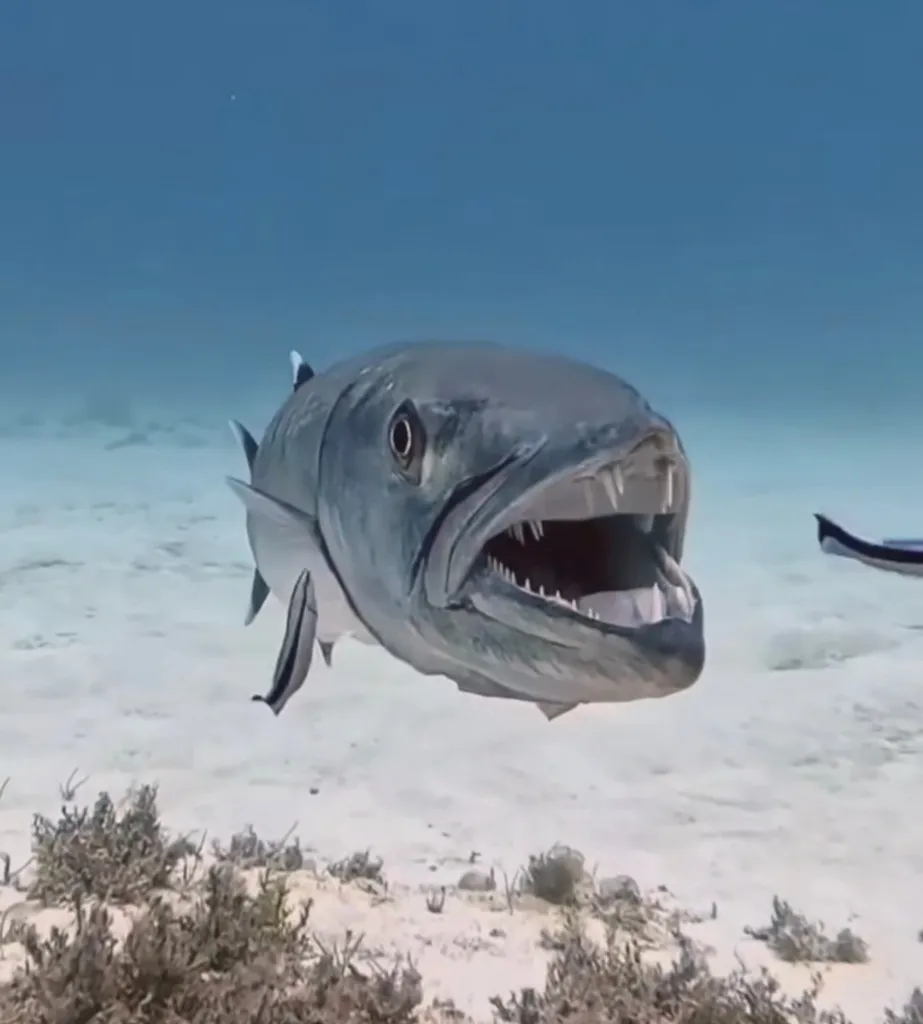
Larger pelagic species are also frequently observed, with barracuda often patrolling the upper decks and around the turrets. Goliath grouper are a prominent feature, often found resting within the wreck's more sheltered sections, their impressive size making them easily noticeable.
Divers should remain observant for other reef fish that school around the structure, taking advantage of the protection and food sources the battleship provides.

Dive Sites Near MB-256
View all dive sites in United StatesDiscover more underwater gems in this area.
Dive Centers Near MB-256
Today: 09:00 - 16:00
Nearest Airports
Nearest airports to help plan travel to this dive area.
Search Flights
Check available flights and routes on Expedia, using the nearby airports listed in this section.
Search Flights on Expedia
Plan Your Stay
Looking for a place to stay for your dive trip? Explore hotels, stays, and vacation rentals for dive groups near Tyndall Air Force Base.
Dive Navigator may earn a commission from these links at no extra cost to you.
Frequently Asked Questions
What is the maximum depth of the USS Massachusetts wreck?
The wreck's shallowest points, including the gun turrets, can be in as little as 2 meters (9 feet) of water, occasionally breaking the surface. Its main hull extends to greater depths, consistent with its 7.3-meter (24-foot) draft, placing deeper sections within recreational dive limits.
What kind of dive training is recommended for this site?
While suitable for certified divers, specialized training like the PADI Wreck Diver course is highly recommended. Such training prepares divers for potential wreck penetration and safe navigation around complex structures.
How is the USS Massachusetts wreck accessed?
Access to the USS Massachusetts is exclusively by boat. Local dive operators in the East Boston/Pensacola area typically offer guided charters to the site.
What marine life can be seen on the wreck?
Encrusted with corals, the wreck attracts a variety of reef fish. Divers frequently encounter barracuda patrolling the structure and large goliath grouper residing in sheltered areas.
When is the best time of year to dive the USS Massachusetts?
Late spring to early autumn, from May through November, generally offers the most favorable diving conditions. Air temperatures are warmer, wave heights lower, and dive scores consistently high during this period.
Are there strong currents at the site?
Currents at the USS Massachusetts can vary depending on tidal flows and recent weather. Divers should prepare for potential currents and confirm conditions with local operators before diving.
What is the history of the USS Massachusetts wreck?
USS Massachusetts (BB-2), a battleship, was intentionally sunk in 1921 during experimental artillery training. It now serves as an artificial reef, preserving a piece of naval history underwater.
Planning to dive MB-256?
Send one inquiry and receive offers directly from the best verified local dive operators.
Conditions are Excellent
07:00 - 14:00
Optimal conditions expected
Current conditions near MB-256 show 25° air, 30° sea temperature, 0.3 m waves, and 18 km/h wind. Forecast data is refreshed regularly to ensure accuracy.