
Diving at Middle Wreck (United States)
Middle Wreck in the United States presents a dynamic dive environment, often characterized by the currents prevalent in its general region off Florida's coast. While specific current details for this site are not consistently reported, divers should anticipate variable conditions similar to other area wrecks. These currents can dictate dive planning, influencing drift possibilities and the overall dive experience. Its positioning contributes to a diverse marine habitat.
Evening condition tracking at Middle Wreck features an air temperature of 24°C. We have recorded wave heights measuring 0.8 m during this period. These figures outline the environmental parameters currently present.
Dive Site Location & Key Facts
Dive Site Overview
As part of the expansive underwater landscape off the United States coast, Middle Wreck contributes to the region's rich history of artificial reef development. While its specific origins aren't consistently detailed in available records, this site is understood to be a significant structure within Florida's popular shipwreck trail.
Many artificial reefs in this area, like the Tex Edwards Barge (sunk 1982) or the Avocet (sunk 1991), were intentionally deployed to create new marine habitats and dive opportunities. Such intentional sinkings transform derelict vessels into thriving ecosystems, benefiting both marine life and the diving community. Although precise depth measurements for Middle Wreck are not explicitly documented, other area wrecks typically range from approximately 15 m (50 ft) to over 40 m (130 ft), suggesting it likely falls within an advanced recreational to technical diving profile.
Structures in deeper areas often require careful planning due to extended bottom times and potential decompression obligations. The site serves as a vital component of the local underwater infrastructure, attracting a variety of species that seek shelter and foraging grounds among its remains.
Conditions are Moderate
Optimal conditions expected
Current conditions near Middle Wreck show 24° air, 24° sea temperature, 1.0 m waves, and 38 km/h wind. Forecast data is refreshed regularly to ensure accuracy.
Best Time to Dive
Planning a dive at Middle Wreck considers the broader seasonal patterns off Florida's coast, with summer and fall generally presenting more favorable conditions. Optimal months for diving typically span from June through November, when air temperatures are warmer and overall dive scores improve. Specifically, June and July offer some of the best conditions, with air temperatures averaging around 22°C (72°F) and 25.5°C (78°F) respectively, coupled with reduced wave heights, averaging 1.0 m (3.3 ft) and 0.9 m (3.0 ft). Wind speeds also tend to be lower during these months, around 21.1 km/h (13.1 mph) in June and 17.8 km/h (11.1 mph) in July, contributing to calmer sea states. While water temperature data for this specific site isn't consistently reported, regional patterns suggest warmer waters during these periods. Rain levels remain relatively consistent throughout the year, but September can see higher averages around 4.56 mm. Conversely, winter and early spring months, from December to April, often experience cooler air temperatures, higher winds, and choppier seas, which could impact comfort and surface conditions for boat trips.
PEAK SEASON SCORE
Scores combine air & water temps, waves, wind & rainfall for overall conditions.
BEST MONTHS TO DIVE
Monthly records compiled from satellite and marine observation nodes over the last 3 years. Data provided by Open-Meteo and MET Norway.
Dive Experience & Conditions
Exploring Middle Wreck provides a unique perspective on the dynamics of an artificial reef, shaped by both its initial deployment and subsequent environmental forces. Divers should be prepared for varying current strengths, as the broader Florida coast experiences periodic influences from offshore currents. While water temperatures aren't consistently reported for this specific site, the surrounding region often features clear, warm conditions, which enhances visibility on most days. The wreck structure itself is likely home to complex features, typical of vessels transformed into reefs. Given that many wrecks in the area offer significant depth, extending into the deeper recreational limits and beyond, Middle Wreck may cater to advanced recreational divers comfortable with deeper profiles, and potentially technical divers seeking extended bottom times or specialized training. Visibility can fluctuate but generally provides ample opportunity to appreciate the site's scale and the marine life it harbors. Navigating the wreck's integrity, which can be altered by past hurricane activity, adds to the dynamic nature of each dive.
Dive Difficulty & Safety Guidelines
For safe and enjoyable dives at Middle Wreck, thorough planning remains paramount, especially given the site's potential depth and general wreck characteristics. As with any wreck, assessing the structural integrity before considering penetration is critical; internal environments can be highly unstable and dangerous, particularly for sites that have endured hurricane impacts. Divers must carry appropriate safety equipment, including a dive computer, redundant air source, and surface marker buoy.
Given the potential for variable currents, maintaining buddy contact and having a clear ascent plan are essential. Always respect the wreck's history and its role as a marine habitat, refraining from disturbing any artifacts or marine life.
Adhering to responsible diving practices helps preserve this valuable underwater resource for future explorations.
Recommended Equipment
- Dive Computer
This gear list is based on verified equipment signals for Middle Wreck, United States. Always confirm final gear choices with your dive operator, guide, or liveaboard.
Recommended Dive Suit
Repeated dives during the same day can gradually reduce overall body warmth.
Environmental readings suggest that the waters surrounding Middle Wreck are about 24°C (76°F) at the moment. Surface air temperatures are resting at 24°C (76°F). Divers spending extended time underwater often rely on 3mm wetsuit for balanced warmth and flexibility. Consider warmer surface protection (like a boat coat) due to brisk winds.
The forecast outlook suggests that temperatures will stay close to current levels.
Emergency & Medical Support
Essential information to help you plan your dive trip to Middle Wreck.

Hyperbaric chambers are a critical part of dive safety infrastructure. Availability varies significantly by region, and not all dive areas have immediate access.
Before diving, it's recommended to:
- confirm nearest medical facilities
- check emergency procedures with local dive operators
- ensure dive insurance covers evacuation if required
Divers Alert Network
Diving emergency assistance available through DAN World.
+1-919-684-9111- 24/7 emergency hotline
- Diving medical assistance
- Evacuation coordination
Emergency contacts are provided for reference. Always verify local emergency services before diving.
Marine Life at Middle Wreck
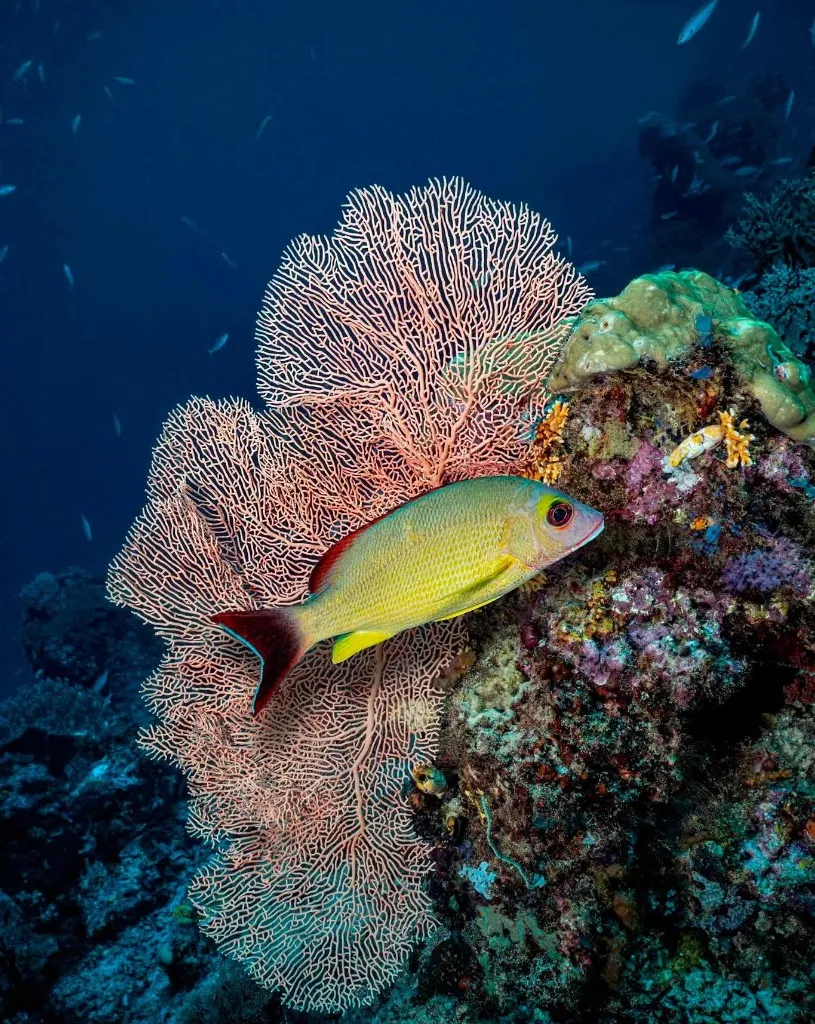
The skeletal remains of Middle Wreck foster a vibrant underwater landscape, providing shelter and feeding opportunities for numerous species. As a substantial artificial reef, it typically attracts resident fish populations, including various snapper and triggerfish, which congregate around the structure.
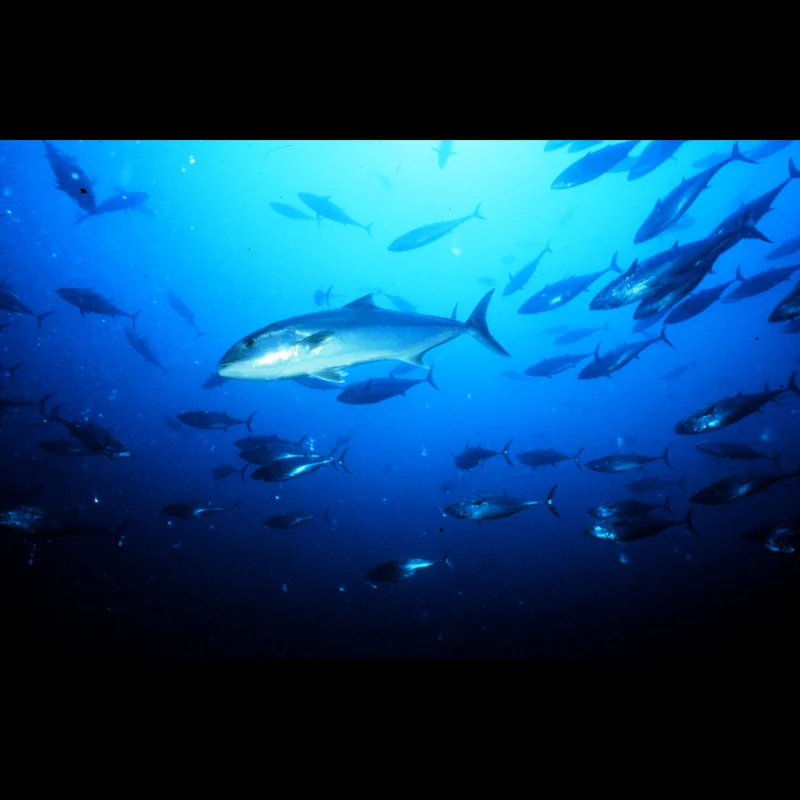
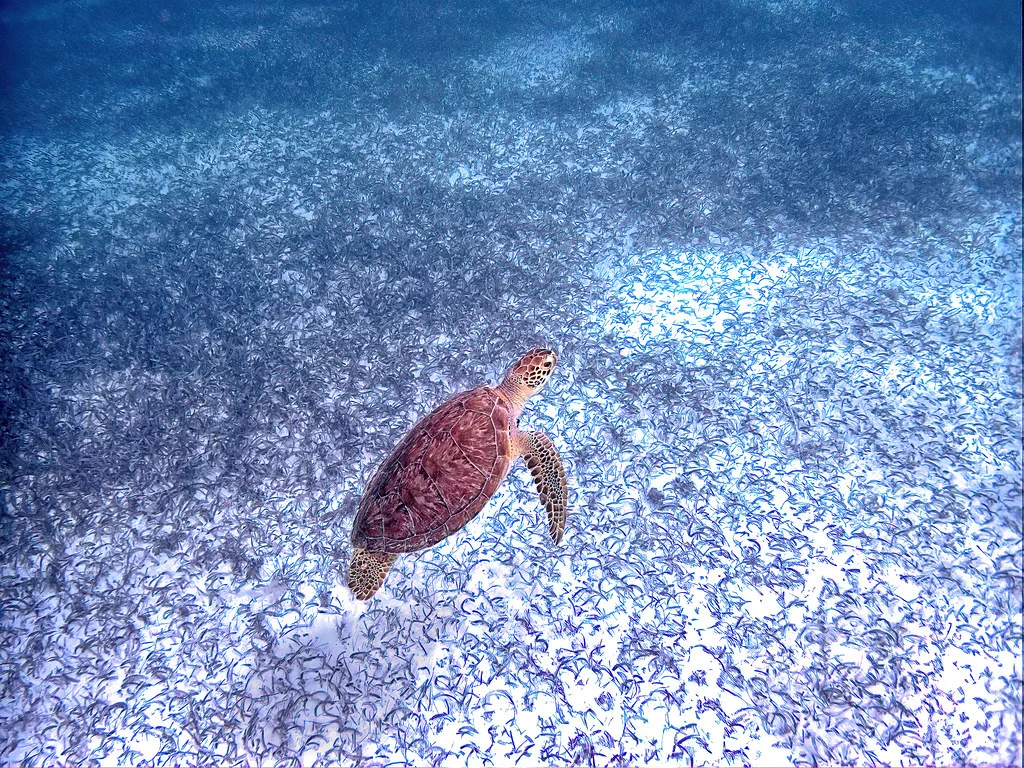
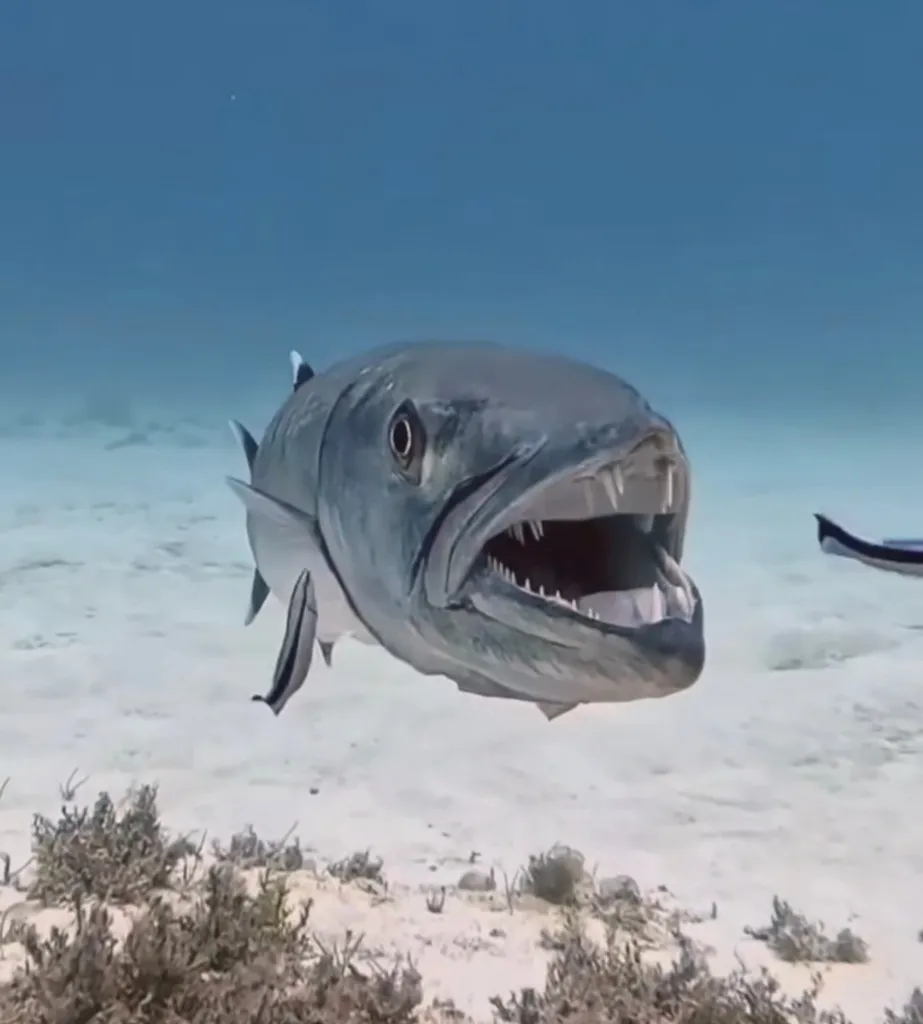
Amberjack often school in the blue, patrolling the wreck's perimeter. Reports from similar sites in the region also mention the presence of barracuda, utilizing the wreck as a hunting ground, and sometimes loggerhead turtles exploring the broader reef areas.
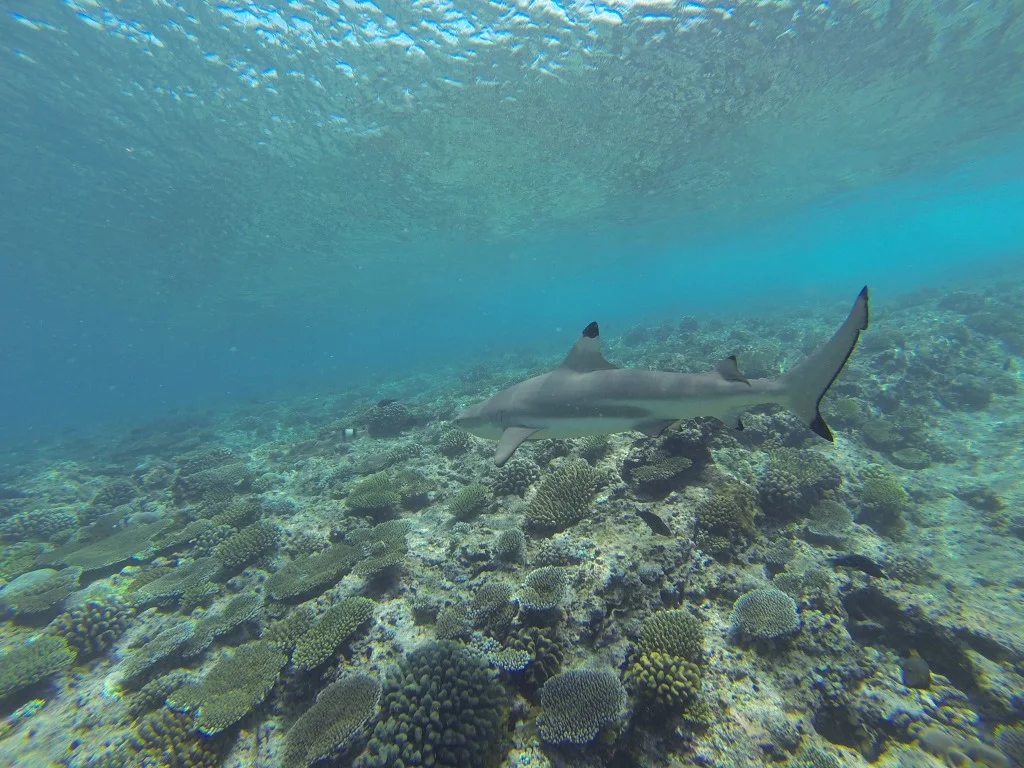
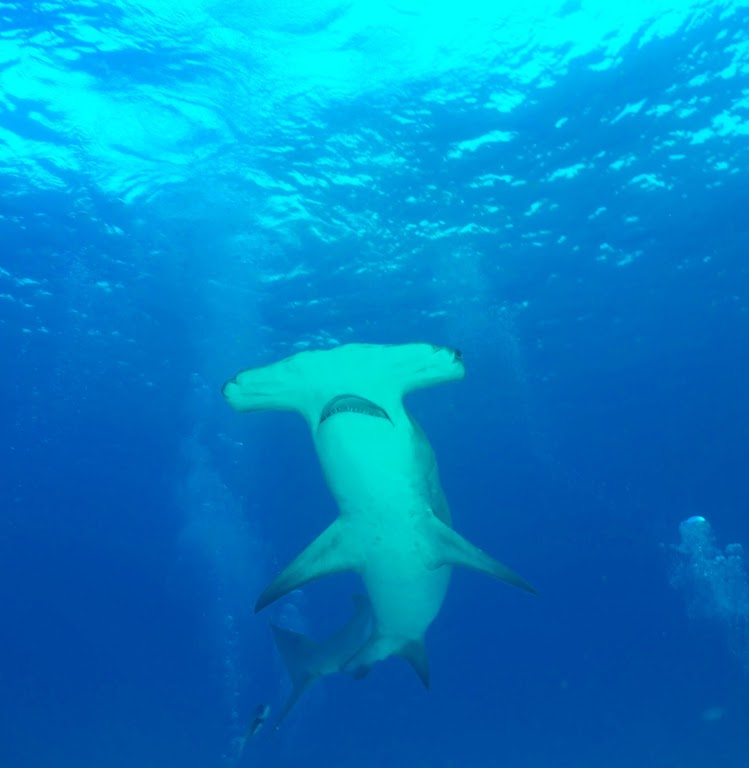
Additionally, resident sharks are known to frequent area wrecks, suggesting Middle Wreck likely serves as an important part of their habitat.
Dive Centers Near Middle Wreck
Nearest Airports
Nearest airports to help plan travel to this dive area.
Search Flights
Check available flights and routes on Expedia, using the nearby airports listed in this section.
Search Flights on Expedia
Plan Your Stay
Looking for a place to stay for your dive trip? Explore hotels, stays, and vacation rentals for dive groups near Avalon.
Dive Navigator may earn a commission from these links at no extra cost to you.
Frequently Asked Questions
What is the typical depth range for Middle Wreck?
Specific depth details for Middle Wreck aren't consistently documented; however, other artificial reefs in the region vary significantly. Many popular wrecks extend into significant depths, often reaching the lower limits of recreational diving and well into technical ranges, making them suitable for advanced recreational and technical divers.
Can I expect strong currents at this dive site?
Currents off the Florida coast can be variable, sometimes influenced by larger offshore patterns like the Gulf Stream. Divers should anticipate potential currents at Middle Wreck and plan their dives accordingly, being prepared for drift conditions.
What kind of marine life can be observed at Middle Wreck?
Middle Wreck functions as a robust artificial reef, attracting a variety of species. Divers frequently encounter snapper, triggerfish, and schools of amberjack. Resident sharks and barracuda are also known to frequent wrecks in this region.
Is Middle Wreck suitable for all certification levels?
Given the inferred depth and potential for currents, Middle Wreck is generally considered more appropriate for advanced recreational divers or those undergoing technical dive training. Less experienced divers might find the conditions challenging.
Is it safe to penetrate the wreck structure?
Wreck penetration always carries significant risks due to potential structural instability and entanglement hazards. For Middle Wreck, specific conditions for internal access are not detailed, but generally, penetration should only be attempted by highly trained and equipped technical divers.
How is Middle Wreck typically accessed?
Most wrecks in this area require boat access, as they are situated some distance from shore. Divers typically arrange trips with local charter operators that specialize in offshore wreck diving.
Planning to dive Middle Wreck?
Send one inquiry and receive offers directly from the best verified local dive operators.
Conditions are Moderate
Optimal conditions expected
Current conditions near Middle Wreck show 24° air, 24° sea temperature, 1.0 m waves, and 38 km/h wind. Forecast data is refreshed regularly to ensure accuracy.