
Diving at Miller Barge (United States)
Standing as a notable technical dive in Pompano Beach, United States, the Miller Lite wreck is a freighter-class vessel. Originally built in Germany in 1957 as the 'Mini-horn,' it later operated under the name 'Principe Maya.' Its current designation, 'Miller Lite,' acknowledges a beer company sponsorship that helped fund its sinking in 1987. Some dive operators also refer to it as the 'Captain Mark' wreck.
Tonight's objective overview for Miller Barge shows an air temperature of 23.5°C. The measured surface conditions include wave heights around 0.6 m. This environmental data is logged for the close of the day.
Dive Site Location & Key Facts
Dive Site Overview
An imposing German freighter, the Miller Lite wreck rests as a substantial presence on the seafloor. Measuring 63 meters (206 feet) in length, this vessel lies upright, bow oriented southeast, providing an expansive structure for exploration by qualified divers.
Broward Department of Natural Resource Protection meticulously deployed it on May 17, 1987, after cleaning it specifically for its role as an artificial reef. A relatively intact condition offers numerous points of interest for technical divers, including accessible cargo holds and superstructure elements. Near the Hillsboro Inlet, divers often encounter variable currents, which can significantly influence dive planning and execution.
Abundant fish life congregates here, consistent with its role as a vibrant artificial reef; large schools frequently obscure parts of the wreckage, adding a dynamic element to the experience. Depths range from 30 meters (100 ft) to a maximum of 50 meters (165 ft), positioning the site firmly within the technical diving realm.
Safely exploring deeper sections requires advanced training, specialized equipment, and meticulous dive planning, often involving multi-gas decompression strategies.
Conditions are Good
Optimal conditions expected
Current conditions near Miller Barge show 23° air, 23° sea temperature, 1.0 m waves, and 34 km/h wind. Forecast data is refreshed regularly to ensure accuracy.
Best Time to Dive
For diving Miller Barge, planning during the summer months—specifically June, July, and August—often yields a 'Good' dive score. Air temperatures are most comfortable, typically averaging 20-24°C (68-75°F), contributing to a more pleasant surface interval. Rainfall also reaches its lowest, usually ranging from 1.5 to 3.2 mm, which contributes to clearer surface conditions and generally better visibility underwater. Wave heights tend to be calmer, generally between 0.9 and 1.1 meters, potentially resulting in smoother boat rides and easier entry/exit. While other months maintain a 'Moderate' dive score, these specific summer months frequently offer the most favorable combination of warm air, reduced precipitation, and milder sea states for accessing this demanding site, making planning more predictable for technical operations.
PEAK SEASON SCORE
Scores combine air & water temps, waves, wind & rainfall for overall conditions.
BEST MONTHS TO DIVE
Monthly records compiled from satellite and marine observation nodes over the last 3 years. Data provided by Open-Meteo and MET Norway.
Dive Experience & Conditions
Diving Miller Barge is strictly designated for technical divers, a necessity given its significant depth profile. Dive types can include either anchor or drift, depending on prevailing currents and operational plans; a drift approach is often preferred when currents are stronger. Divers should anticipate conditions shaped by the wreck's proximity to the Hillsboro Inlet, which can introduce variable currents, sometimes strong enough to necessitate specific entry and exit strategies. Exploring the wreck's full extent means descending through a depth range that extends from approximately 30 m (100 ft) down to 50 m (165 ft). While shallower sections might be accessible with advanced recreational limits, a deep, extended bottom time defines the primary experience here, necessitating specialized training, appropriate gas mixtures, and diligent decompression planning. Water temperatures typically range from 22-27°C (72-81°F), which still warrants appropriate thermal protection for extended bottom times.
Dive Difficulty & Safety Guidelines
Approaching Miller Barge demands a thorough understanding of technical diving protocols and excellent buoyancy control, crucial for maneuvering around the wreck without entanglement or disturbing the site. Due to the depths involved, divers must possess appropriate certifications for deep and potentially decompression diving, as direct ascents are rarely feasible or safe. Monofilament fishing line presents a notable concern at this site; divers should exercise extreme caution, regularly check gear, and carry multiple cutting tools.
Given the potential for variable currents near Hillsboro Inlet, a robust dive plan incorporating drift procedures or secure anchoring is essential, and team communication protocols should be clear. Always dive within your training and comfort limits, ensuring all equipment is meticulously maintained, and redundant systems are in place for deep water operations.
Recommended Equipment
- Dive Computer
This gear list is based on verified equipment signals for Miller Barge, United States. Always confirm final gear choices with your dive operator, guide, or liveaboard.
Recommended Dive Suit
Individual comfort in the water can vary significantly from diver to diver, even under the same conditions.
For most recreational dives, 3-5mm wetsuit should provide comfortable protection. A hood or vest is suggested for sensitive divers due to surface winds. Forecast trends indicate little change in overall diving conditions during the next few days.
Current temperature readings suggest that the water at Miller Barge is around 23°C (73°F). Surface air temperatures are resting at 23°C (74°F).
Due to technical issues with our weather providers, live updates are temporarily delayed. The data above reflects the conditions at the time of the last successful fetch.
Emergency & Medical Support
Essential information to help you plan your dive trip to Miller Barge.

Hyperbaric chambers are a critical part of dive safety infrastructure. Availability varies significantly by region, and not all dive areas have immediate access.
Before diving, it's recommended to:
- confirm nearest medical facilities
- check emergency procedures with local dive operators
- ensure dive insurance covers evacuation if required
Divers Alert Network
Diving emergency assistance available through DAN World.
+1-919-684-9111- 24/7 emergency hotline
- Diving medical assistance
- Evacuation coordination
Emergency contacts are provided for reference. Always verify local emergency services before diving.
Marine Life at Miller Barge
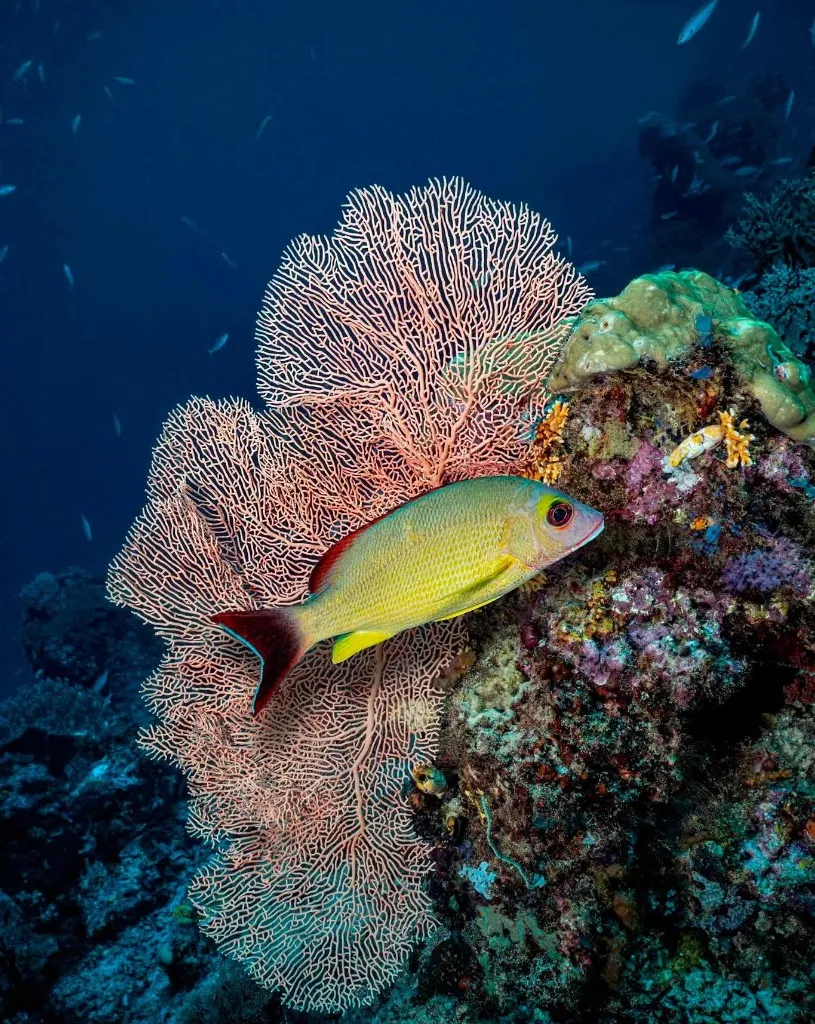
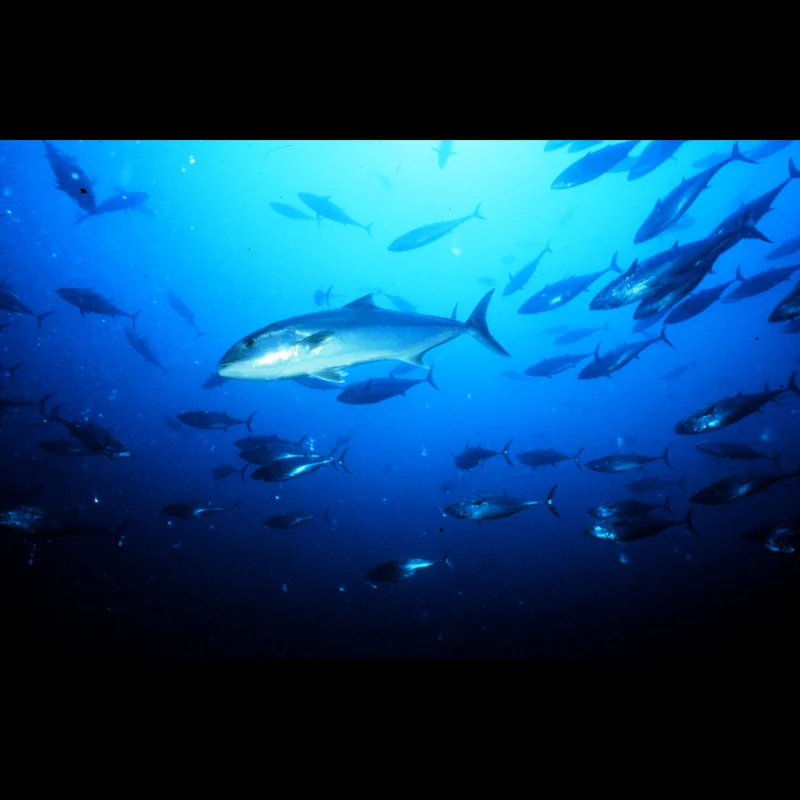
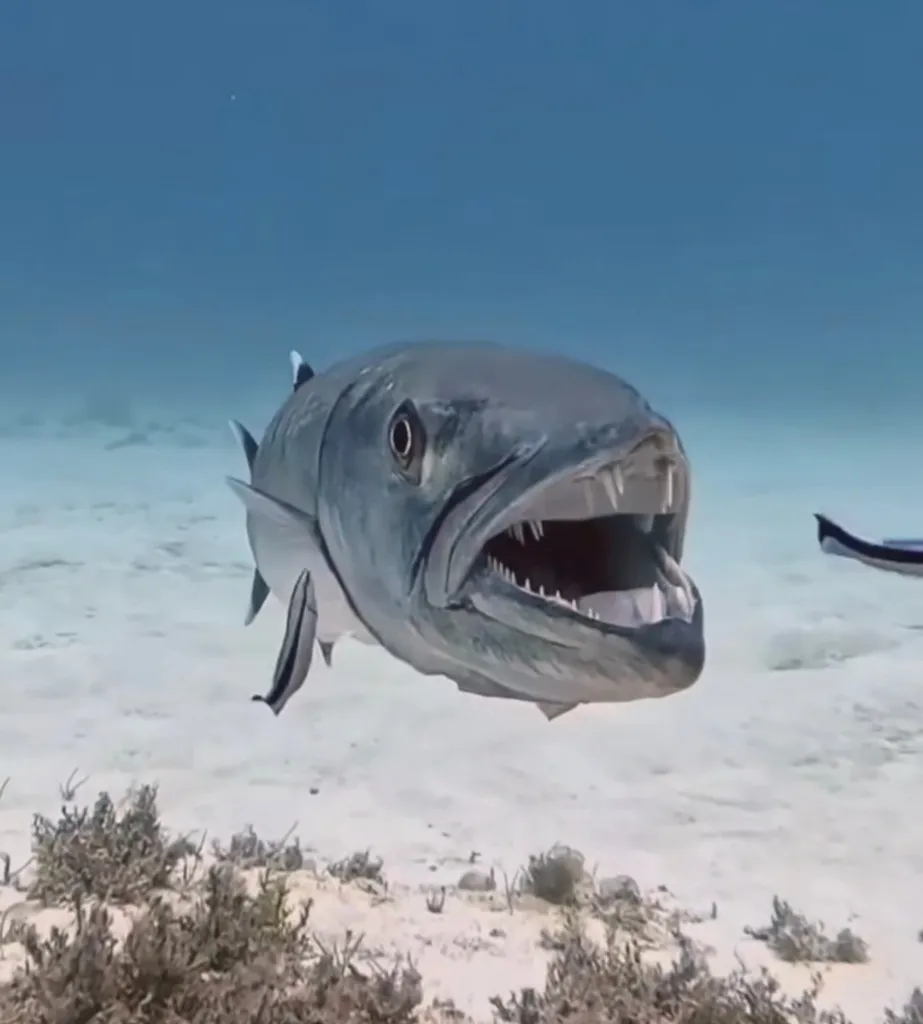
Serving as a robust artificial reef, the Miller Lite wreck consistently draws in a variety of marine inhabitants. Large schools of fish are typically observed covering the wreckage, creating a dynamic environment for observation, often including barracuda, amberjacks, and various snapper species.
While specific species aren't consistently reported, the structure itself provides essential shelter and foraging grounds, supporting a healthy local population of various reef and pelagic fish. Such concentrations of fish life underscore the wreck's role as an important underwater habitat in the area, contributing significantly to local marine biodiversity.
Dive Centers Near Miller Barge
Today: 08:00 - 18:00
Nearest Airports
Nearest airports to help plan travel to this dive area.
Search Flights
Check available flights and routes on Expedia, using the nearby airports listed in this section.
Search Flights on Expedia
Plan Your Stay
Looking for a place to stay for your dive trip? Explore hotels, stays, and vacation rentals for dive groups near North Beach Haven.
Dive Navigator may earn a commission from these links at no extra cost to you.
Frequently Asked Questions
What is the typical depth range for diving the Miller Barge?
The Miller Barge offers a depth range from approximately 30 meters (100 feet) to 50 meters (165 feet). This makes it suitable primarily for technical divers trained for deeper water.
What skill level is required to dive the Miller Barge?
Diving the Miller Barge is designated for technical divers only. Its considerable depth and potential conditions necessitate advanced training beyond recreational limits.
Why is it called 'Miller Lite'?
The wreck received the name 'Miller Lite' because the beer company helped fund the ship's purchase and cleaning for its transformation into an artificial reef. It was sunk in 1987.
Is the wreck intact?
Yes, the freighter is reported to be fairly intact, sitting upright with its bow pointing southeast. This provides a substantial structure for divers to explore.
What are common hazards at this dive site?
Divers should be aware of monofilament fishing line on the wreck, which can pose an entanglement risk. Additionally, currents can be a factor due to its location near the Hillsboro Inlet.
When was the Miller Barge sunk?
The Miller Barge, a German Freighter originally named 'Mini-horn', was intentionally sunk on May 17, 1987, as part of an artificial reef program.
Planning to dive Miller Barge?
Send one inquiry and receive offers directly from the best verified local dive operators.
Conditions are Good
Optimal conditions expected
Current conditions near Miller Barge show 23° air, 23° sea temperature, 1.0 m waves, and 34 km/h wind. Forecast data is refreshed regularly to ensure accuracy.