
Diving at Monty's Pier (United States)
For divers seeking a unique coastal experience, navigating the submerged structures of a pier can be a compelling adventure. Exploring the often-sheltered environment beneath the pilings reveals a different perspective compared to open ocean dives. This site, with its varying coastal conditions throughout the year, invites divers to observe how marine life adapts to artificial structures and the dynamic interplay between ocean and human construction.
Tonight's objective overview for Monty's Pier shows an air temperature of 25.5°C. The measured surface conditions include wave heights around 0.4 m. This environmental data is logged for the close of the day.
Dive Site Location & Key Facts
Dive Site Overview
Underwater topography beneath pier structures typically consists of sandy or silty bottoms, often interspersed with natural and artificial debris, where the pier pilings form an intricate support system. Vertical elements, many of which become densely encrusted with various marine growths, create a complex habitat, attracting a remarkable diversity of organisms seeking shelter and sustenance.
Max depths for pier diving generally remain well within recreational limits, typically not exceeding 30 m (100 ft), though much of the compelling activity often occurs in shallower sections closer to the surface. Currents can sometimes be a significant factor, particularly closer to the outer reaches of the pier or during strong tidal shifts, necessitating careful dive planning and awareness. Specific layout, age, and construction materials of the structure profoundly influence the types of marine life and environmental interactions observed, creating a dynamic mosaic of sheltered and exposed areas for divers to explore.
Visibility can fluctuate considerably, depending on factors like recent surge, sedimentation, local runoff, and wind patterns, making pre-dive assessment crucial for a rewarding experience. This diverse environment offers a distinct perspective on coastal ecosystems, providing an immersive experience for those interested in human-made habitats.
Conditions are Good
Optimal conditions expected
Current conditions near Monty's Pier show 26° air, 31° sea temperature, 0.4 m waves, and 21 km/h wind. Forecast data is refreshed regularly to ensure accuracy.
Best Time to Dive
Optimal diving periods often coincide with calmer conditions, which typically translate to better underwater visibility at pier sites. Based on climate data, months of July and August show excellent dive scores, characterized by reduced average wave heights of around 0.4-0.5 m (1.3-1.6 ft) and lower wind speeds, around 14.7-16.5 km/h (9.1-10.3 mph). Air temperatures during these prime months average 28-28.5°C (82-83°F), indicating comfortable surface conditions. Rainfall tends to be moderate during these periods, ranging from 4.39-6.09 mm. During other 'Good' rated months, like May, air temperatures are milder at 26.5°C (80°F) and wave heights are around 0.5 m (1.6 ft), but visibility may vary. Divers planning visits should consider that conditions influencing visibility, such as rainfall runoff and strong winds, are more prevalent in other seasons. Limited available data prevents precise water temperature ranges, but generally reflects ambient coastal conditions and seasonal warming patterns, which would naturally follow the air temperatures. March and October also present good opportunities, though with slightly higher average wave heights.
PEAK SEASON SCORE
Scores combine air & water temps, waves, wind & rainfall for overall conditions.
BEST MONTHS TO DIVE
Monthly records compiled from satellite and marine observation nodes over the last 3 years. Data provided by Open-Meteo and MET Norway.
Dive Experience & Conditions
Diving beneath pier structures typically involves navigating depths within the recreational range, rarely extending beyond 30 m (100 ft). Many of the most interesting features are found in shallower sections, often within 10-20 m (33-66 ft), where light penetration can be better and growth more abundant on the pilings. Water temperatures are not consistently reported for this specific site, but regional coastal waters generally experience seasonal fluctuations, likely ranging from cooler winter temperatures to warmer summer conditions, potentially peaking around 22-27°C (72-81°F) during summer months based on typical coastal patterns. Visibility can be highly variable; it often depends on recent weather, local currents, and the amount of particulate matter in the water column. Calm sea conditions tend to offer clearer water, while strong winds and waves can reduce visibility considerably. Divers should anticipate potential mild currents, especially near the end of the pier or during tidal changes, which can impact bottom time and energy consumption.
Dive Difficulty & Safety Guidelines
Approaching pier structures for diving requires specific safety considerations. Potential hazards include entanglement risks from discarded fishing lines or debris, which can accumulate around pilings. Divers must maintain good buoyancy control to avoid inadvertent contact with the structure and resident marine life.
Entry and exit points should be carefully assessed for stability and ease, particularly during varying tide levels or stronger surface chop. Navigating beneath the pier demands constant attention to overhead structures and the spacing between pilings.
Always be aware of local boat traffic, as surface markers might be necessary for diver visibility. It's advisable to carry a cutting tool for potential line entanglement and to dive with a buddy who is proficient in pier diving techniques. Conditions, including visibility and currents, should be re-evaluated pre-dive.
Recommended Equipment
- Dive Computer
This gear list is based on verified equipment signals for Monty's Pier, United States. Always confirm final gear choices with your dive operator, guide, or liveaboard.
Recommended Dive Suit
Experienced divers often bring flexible gear options.
The water around Monty's Pier is currently holding at approximately 31°C (87°F), setting the tone for today's dives. Surface air temperatures are resting at 26°C (78°F). Divers who spend longer periods underwater often choose dive skin or rash guard. A hood or vest is suggested for sensitive divers due to surface winds.
Current forecasts indicate relatively stable conditions for the coming days.
Emergency & Medical Support
Essential information to help you plan your dive trip to Monty's Pier.

Hyperbaric chambers are a critical part of dive safety infrastructure. Availability varies significantly by region, and not all dive areas have immediate access.
Before diving, it's recommended to:
- confirm nearest medical facilities
- check emergency procedures with local dive operators
- ensure dive insurance covers evacuation if required
Divers Alert Network
Diving emergency assistance available through DAN World.
+1-919-684-9111- 24/7 emergency hotline
- Diving medical assistance
- Evacuation coordination
Emergency contacts are provided for reference. Always verify local emergency services before diving.
Marine Life at Monty's Pier
Pier structures often serve as artificial reefs, attracting a diversity of coastal marine life seeking shelter and food. Divers may observe various schooling fish congregating around the pilings, finding refuge from open water predators.
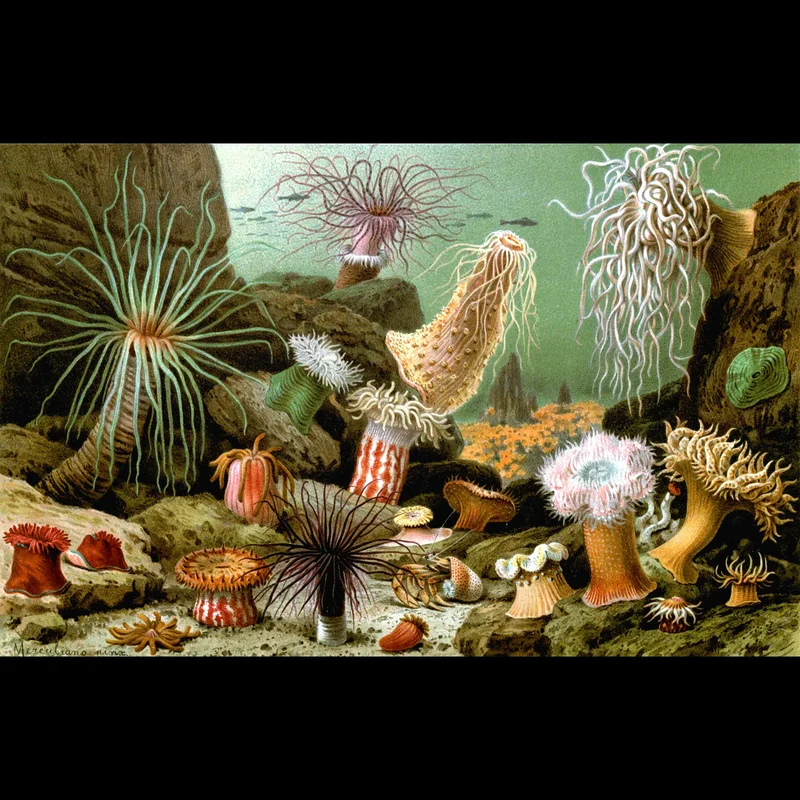
Invertebrates like anemones, barnacles, and mussels commonly encrust the support structures, creating vibrant communities. Smaller crustaceans can be found tucked into crevices.
Occasionally, larger predatory fish might cruise the perimeter, or rays could be spotted foraging on the sandy bottom. The specific species present vary seasonally, reflecting the dynamic nature of a coastal ecosystem and the unique habitat created by the pier.

Dive Sites Near Monty's Pier
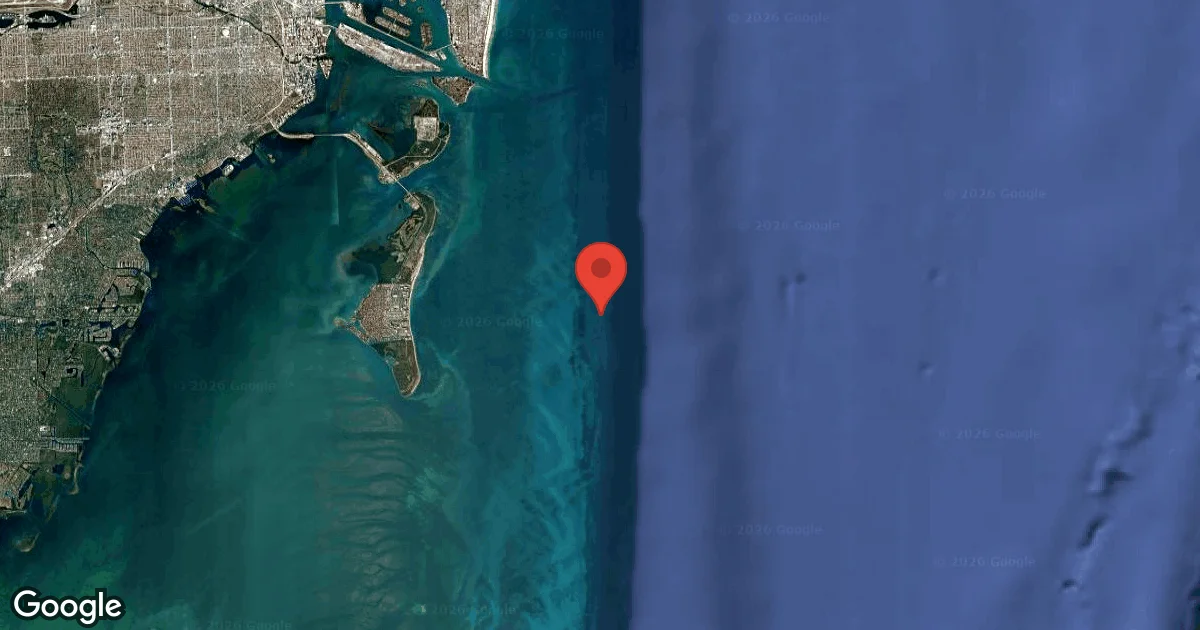
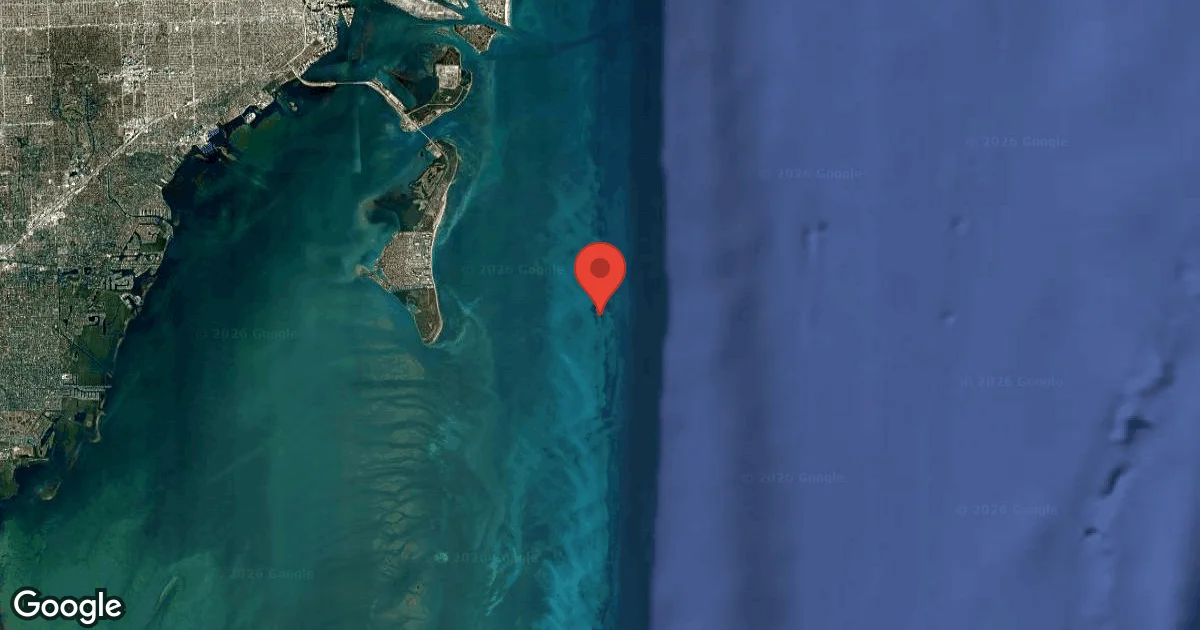
View all dive sites in United StatesDiscover more underwater gems in this area.
Dive Centers Near Monty's Pier
Today: 08:00 - 17:00
Nearest Airports
Nearest airports to help plan travel to this dive area.
Search Flights
Check available flights and routes on Expedia, using the nearby airports listed in this section.
Search Flights on Expedia
Plan Your Stay
Looking for a place to stay for your dive trip? Explore hotels, stays, and vacation rentals for dive groups near North Bay Village.
Dive Navigator may earn a commission from these links at no extra cost to you.
Frequently Asked Questions
What depths are common when diving here?
Dives beneath the pier generally stay within recreational depths, typically not surpassing 30 meters (100 feet). Much of the engaging exploration occurs in shallower sections, often within 10-20 meters (33-66 feet), where light penetration is better.
What kind of marine life might divers encounter?
Pier pilings act as artificial reefs, attracting various schooling fish and invertebrates like anemones and crabs. Expect to see organisms that thrive in sheltered, structured environments.
How does visibility typically behave at this site?
Underwater visibility can vary significantly based on recent weather, tidal movements, and water clarity. Calm conditions generally offer better visibility, while strong winds and runoff can reduce it.
Are there notable currents to be aware of?
Mild currents can be present, especially towards the outer sections of the pier or during significant tidal changes. Divers should monitor conditions and plan their dives accordingly to manage any potential flow.
What water temperatures can divers expect?
Specific water temperature data is not consistently reported for this location. However, coastal waters generally warm from cooler winter conditions to a warmer summer peak, likely reaching 22-27°C (72-81°F) in warmer months.
Is this pier dive suitable for beginner divers?
Pier diving can present unique challenges, such as potential entanglement and navigation around structures. While some shallower sections may be accessible, proficiency in buoyancy and a good understanding of conditions are recommended for all divers.
What factors influence dive conditions most?
Wave height, wind speed, and recent rainfall are key factors influencing dive conditions, particularly affecting visibility and surface chop. Calmer periods, typically in summer, often provide the most favorable diving environment.
Planning to dive Monty's Pier?
Send one inquiry and receive offers directly from the best verified local dive operators.
Conditions are Good
Optimal conditions expected
Current conditions near Monty's Pier show 26° air, 31° sea temperature, 0.4 m waves, and 21 km/h wind. Forecast data is refreshed regularly to ensure accuracy.