
Diving at Myronus (United States)
Diving the USS Monitor site transports you to a pivotal moment in American history, offering an unparalleled glimpse into a Civil War ironclad. This protected wreck, resting off the North Carolina coast, presents a challenging yet profoundly rewarding experience for appropriately certified technical divers. A special permit is required to visit this significant national marine sanctuary.
Tonight's objective overview for Myronus shows an air temperature of 22°C. The measured surface conditions include wave heights around 0.4 m. This environmental data is logged for the close of the day.
Dive Site Location & Key Facts
Dive Site Overview
Resting at depths ranging from 70 to 73 m (230 to 240 ft) on a shifting sand bottom, the USS Monitor shipwreck has transformed into a vibrant underwater ecosystem. This historic vessel, famously known as a Civil War ironclad, sank during a storm on New Year's Eve in 1862 and was later designated the first national marine sanctuary in the United States.
While portions like its iconic rotating gun turret were recovered for conservation, substantial sections of the armor belt and interior areas, including where the crew lived and worked, remain intact and explorable. The wreck acts as an isolated marine oasis, drawing diverse species to its structure amidst the surrounding sand. Its status as a National Historic Landmark underscores its immense cultural and historical value, requiring careful preservation and respectful interaction from all visitors.
Conditions are Good
07:00 - 14:00
Optimal conditions expected
Current conditions near Myronus show 22° air, 23° sea temperature, 0.5 m waves, and 33 km/h wind. Forecast data is refreshed regularly to ensure accuracy.
Best Time to Dive
Planning a dive to the USS Monitor site is best undertaken during the summer months, from May through September, when North Carolina typically experiences its most favorable conditions. During this period, average air temperatures range from 15.5°C (60°F) in May to 25°C (77°F) in July, contributing to higher dive scores. Wave heights are generally lower, and wind speeds tend to decrease, creating a more conducive environment for surface operations. However, even in summer, conditions can be unpredictable, and water clarity varies significantly depending on local currents. While specific water temperature data isn't consistently reported, the site's unique position between the warmer Gulf Stream and cooler Labrador Current suggests a dynamic thermal environment. Always consult NOAA's data buoy, Station 41025, for real-time weather and sea surface information before planning any visit.
PEAK SEASON SCORE
Scores combine air & water temps, waves, wind & rainfall for overall conditions.
BEST MONTHS TO DIVE
Monthly records compiled from satellite and marine observation nodes over the last 3 years. Data provided by Open-Meteo and MET Norway.
Dive Experience & Conditions
Descending to the USS Monitor requires an experienced approach, as it's classified as a technical dive necessitating specific training and gear for its 70 to 73 m (230 to 240 ft) depth. Divers often find themselves navigating through a dynamic environment where water temperatures can shift rapidly in mere minutes, and visibility fluctuates based on current activity. The confluence of the warmer Gulf Stream from the south and the cooler Labrador Current from the north creates challenging sea conditions off the Outer Banks. Sometimes, finding the wreck itself can be difficult, prompting some experienced divers to "follow the fish," as the site serves as a vital marine oasis on an otherwise shifting sand seafloor. A special permit is mandatory for any dive to this significant wreck.
Dive Difficulty & Safety Guidelines
Diving the USS Monitor involves navigating potentially challenging and unpredictable sea conditions, primarily due to the convergence of the Gulf Stream and Labrador Current. This deep site, resting around 70 to 73 m (230 to 240 ft), is considered a technical dive; therefore, specific training and equipment are strictly required for diver safety.
A special permit is mandatory for all visits, reflecting its status as a protected war grave and National Marine Sanctuary. Continuously monitoring real-time conditions via sources like NOAA's data buoy, Station 41025, is a critical component of safe dive planning.
Several more accessible wrecks in the surrounding North Carolina waters cater to intermediate to advanced recreational divers, but the Monitor demands advanced preparation and skill.
Recommended Equipment
- Dive Computer
This gear list is based on verified equipment signals for Myronus, United States. Always confirm final gear choices with your dive operator, guide, or liveaboard.
Recommended Dive Suit
According to recent observations, water temperatures near Myronus are approximately 23°C (73°F). Surface air temperatures are resting at 22°C (71°F).
A modest cooling trend is expected in the upcoming forecast. Cooler days are ahead; you might want a warmer option for later in the week. A neoprene vest or hood can add flexibility if temperatures feel cooler underwater.
In water temperatures like these, 3-5mm wetsuit typically offers sufficient warmth for most recreational dives. Consider warmer surface protection (like a boat coat) due to brisk winds. Surface intervals may feel cooler. Some divers naturally tolerate cooler water better than others. Stronger winds may also make surface intervals feel cooler than usual.
Emergency & Medical Support
Essential information to help you plan your dive trip to Myronus.

Hyperbaric chambers are a critical part of dive safety infrastructure. Availability varies significantly by region, and not all dive areas have immediate access.
Before diving, it's recommended to:
- confirm nearest medical facilities
- check emergency procedures with local dive operators
- ensure dive insurance covers evacuation if required
Divers Alert Network
Diving emergency assistance available through DAN World.
+1-919-684-9111- 24/7 emergency hotline
- Diving medical assistance
- Evacuation coordination
Emergency contacts are provided for reference. Always verify local emergency services before diving.
Marine Life at Myronus
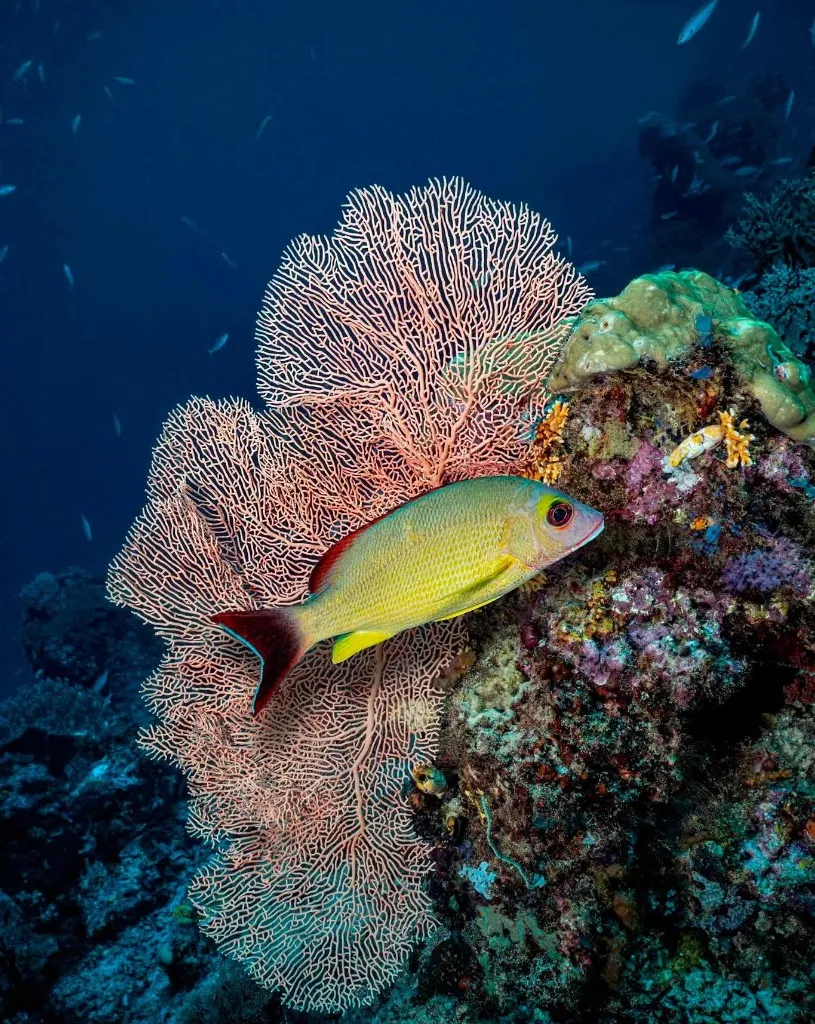
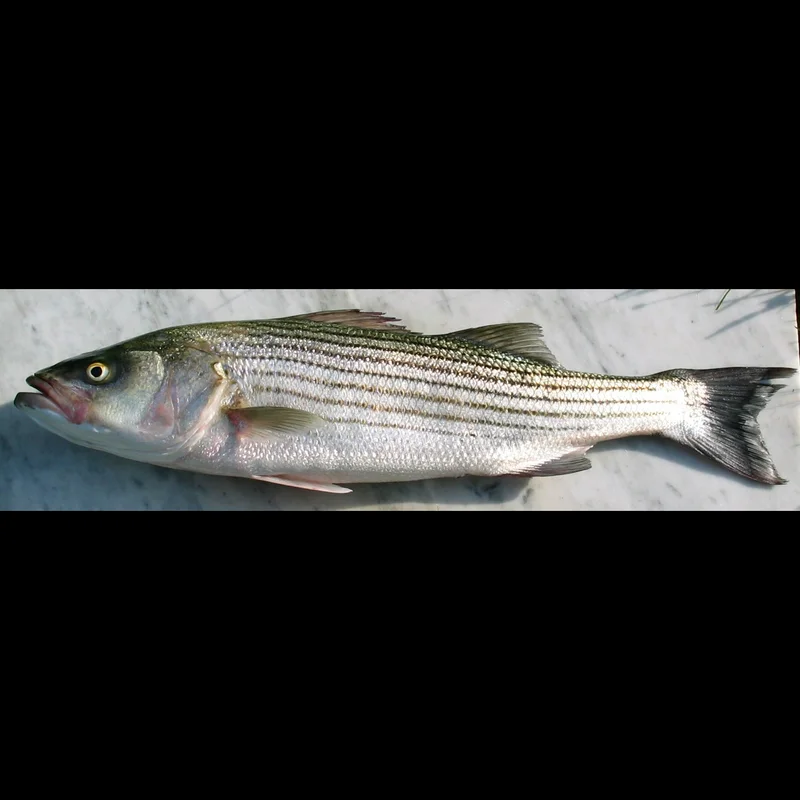
The USS Monitor has become a thriving island of marine life on the sandy bottom, boasting a diverse ecology shaped by the converging Gulf Stream and Labrador Current. Exploring the wreck, divers encounter various species, from larger fish like Almaco jack, spotfin hogfish, black sea bass, and gray triggerfish, to several types of snapper.
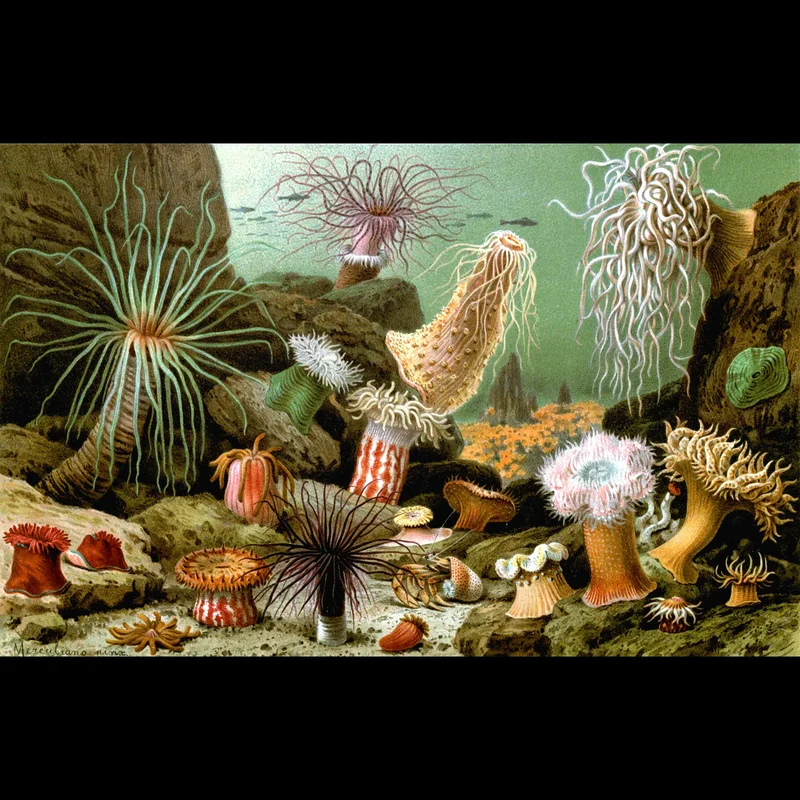
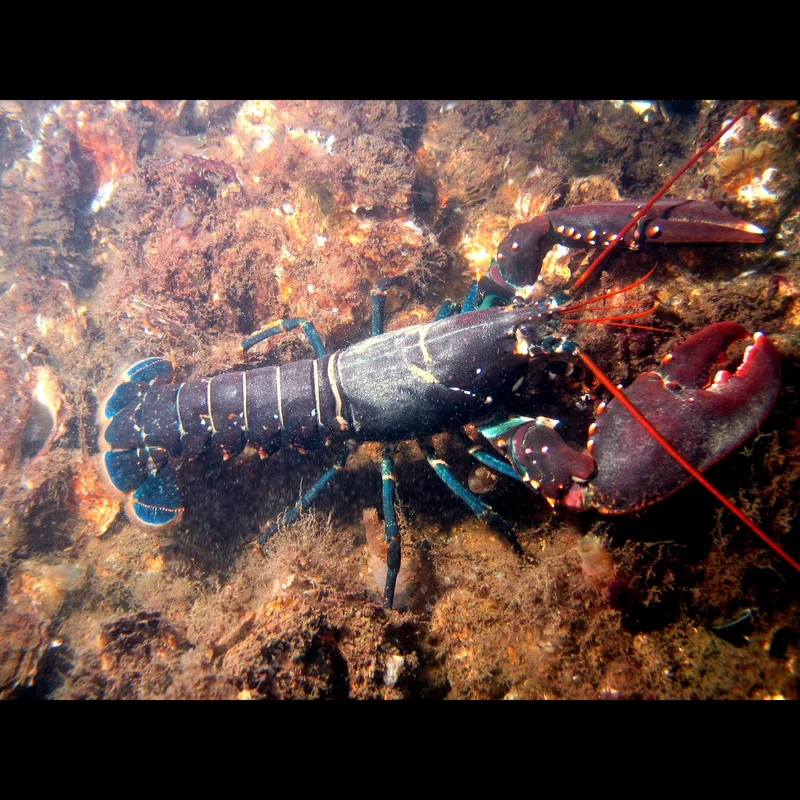
Close inspection reveals an abundance of smaller creatures. Slipper lobsters, sea anemones, corals, sponges, and blennies actively colonize the vessel's surfaces.
Perhaps the most compelling sight is the sand tiger shark, an iconic species frequently observed around North Carolina's deeper wrecks.

Dive Centers Near Myronus

Today: 10:00 - 16:00
Nearest Airports
Nearest airports to help plan travel to this dive area.
Search Flights
Check available flights and routes on Expedia, using the nearby airports listed in this section.
Search Flights on Expedia
Plan Your Stay
Looking for a place to stay for your dive trip? Explore hotels, stays, and vacation rentals for dive groups near Miller Place.
Dive Navigator may earn a commission from these links at no extra cost to you.
Frequently Asked Questions
What is the USS Monitor?
The USS Monitor was a Civil War ironclad warship that sank in 1862. Today, it is protected as the Monitor National Marine Sanctuary, a National Historic Landmark, and serves as an important historical and ecological site off the North Carolina coast.
What depth is the USS Monitor wreck located at?
The USS Monitor rests at a maximum depth of approximately 70 to 73 meters (230 to 240 feet) below the Atlantic Ocean surface. Reaching this depth classifies the dive as technical, demanding specialized training and gear.
Is a special permit required to dive the USS Monitor?
Yes, a special permit is absolutely required to dive the USS Monitor. This is due to its protected status as a National Marine Sanctuary and a war grave, ensuring its preservation and respectful visitation.
What marine life can divers expect to see on the wreck?
The wreck is an oasis for marine life, attracting species such as Almaco jack, black sea bass, and various snappers. Smaller inhabitants like slipper lobsters, sea anemones, corals, and sponges are common, along with the notable presence of sand tiger sharks.
What are the typical water conditions at the site?
Water conditions can be challenging due to the confluence of the Gulf Stream and Labrador Current, leading to quickly shifting water temperatures and varying clarity. Summer months generally offer more favorable conditions, but checking real-time data is always recommended.
When is the best time of year to dive the USS Monitor?
The most favorable diving conditions for the USS Monitor generally occur during the summer months, from May through September. During this period, air temperatures are warmer, and wave heights and wind speeds tend to be lower, enhancing surface and dive conditions.
Why is this considered a technical dive?
The USS Monitor is considered a technical dive primarily due to its significant depth of 70-73 m (230-240 ft) and the potentially challenging, unpredictable currents and conditions. Divers need specialized training for gas management and decompression at these depths.
Planning to dive Myronus?
Send one inquiry and receive offers directly from the best verified local dive operators.
Conditions are Good
07:00 - 14:00
Optimal conditions expected
Current conditions near Myronus show 22° air, 23° sea temperature, 0.5 m waves, and 33 km/h wind. Forecast data is refreshed regularly to ensure accuracy.