
Diving at New York Central #14 (United States)
For divers seeking challenging wreck exploration and advanced training opportunities, the New York Central #14 offers a significant cold-water experience. This site caters to those with advanced certifications, including technical divers engaging in helitrox or decompression procedures training. Exploring this wreck demands proficiency in deeper diving techniques and familiarity with colder conditions, providing a demanding yet rewarding dive into maritime history.
Evening condition tracking at New York Central #14 features an air temperature of 18.5°C. We have recorded wave heights measuring 0.5 m during this period. These figures outline the environmental parameters currently present.
Dive Site Location & Key Facts
Dive Site Overview
Distinctive for its largely intact hull, the New York Central #14, also known as the Pug wreck, presents a substantial structure for exploration. This well-preserved vessel serves as a compelling destination for advanced and technical divers in the region.
Its robust condition allows for extensive interaction with the wreck's features, making it more than just a debris field. Historically, its identity as a New York Central freight car ferry hints at an engaging narrative beneath the waves. While specific details on its sinking are limited, the wreck itself provides a tangible piece of the past.
It offers various points of interest for divers, from its expansive deck structure to potential penetration points for appropriately trained individuals. The site regularly features in advanced diving courses, drawing those looking to refine their skills in demanding environments.
Conditions are Good
Optimal conditions expected
Current conditions near New York Central #14 show 19° air, 19° sea temperature, 0.9 m waves, and 37 km/h wind. Forecast data is refreshed regularly to ensure accuracy.
Best Time to Dive
Planning around seasonal conditions is essential for diving the New York Central #14, with summer months generally offering the most favorable surface weather. June and July consistently rank as 'Excellent' for diving, characterized by the lowest average wave heights, around 0.4-0.5 m (1.3-1.6 ft), and lighter winds. Air temperatures during these prime months range from approximately 19.5°C (67°F) in June to 23.5°C (74°F) in July, providing comfortable topside conditions. October through April also present 'Good' dive scores, but bring significantly colder air temperatures, from -2°C (36°F) in January to 13°C (55°F) in October, alongside higher winds and wave activity. Rain averages remain relatively low throughout the year, typically between 2-4 mm (0.08-0.16 inches) monthly, not generally impacting dive plans significantly. However, visibility often tends to be less consistent during the warmer summer months.
PEAK SEASON SCORE
Scores combine air & water temps, waves, wind & rainfall for overall conditions.
BEST MONTHS TO DIVE
Monthly records compiled from satellite and marine observation nodes over the last 3 years. Data provided by Open-Meteo and MET Norway.
Dive Experience & Conditions
The journey to the New York Central #14 involves descending into colder North Atlantic waters, where conditions can fluctuate. Visibility, while sometimes surprisingly decent, tends to be less reliable during the warmer summer period; divers should be prepared for varying degrees of clarity. Water temperatures are not consistently reported but generally reflect the region's temperate climate, requiring appropriate thermal protection. Around the wreck, the intact hull provides a significant visual reference and shelter for marine life. Navigating the wreck demands good buoyancy control and situational awareness, especially in deeper sections or if considering any overhead environments. Currents vary but generally pose a moderate challenge, making careful dive planning crucial for safe exploration of this substantial structure.
Dive Difficulty & Safety Guidelines
Approaching the New York Central #14 demands a commitment to safety and adherence to advanced diving protocols. This site is frequently utilized for advanced nitrox, helitrox, and decompression procedures training, indicating depths and complexities beyond standard recreational limits.
Divers must possess appropriate certifications and experience for deep and wreck diving. A dive computer, redundant air source, and robust thermal protection are considered standard.
Always dive with a reliable buddy or team, and ensure thorough pre-dive checks are completed. Maintaining excellent buoyancy control is critical to prevent disturbing the wreck or silting out visibility, especially within more enclosed spaces.
Given the nature of deep, cold-water wreck diving, meticulous planning and conservative dive profiles are essential.
Recommended Equipment
- Dive Computer
This gear list is based on verified equipment signals for New York Central #14, United States. Always confirm final gear choices with your dive operator, guide, or liveaboard.
Recommended Dive Suit
For many recreational divers, 5mm wetsuit provides a practical level of insulation in these conditions. Consider warmer surface protection (like a boat coat) due to brisk winds. Surface intervals may feel cooler. Divers who tend to get cold easily may prefer slightly thicker exposure protection.
At the moment, divers exploring New York Central #14 will likely experience water temperatures near 19°C (66°F). Surface air temperatures are resting at 19°C (65°F).
Weather models indicate a small drop in surface temperatures later this week. Cooler days are ahead; you might want a warmer option for later in the week. Bringing an additional thermal layer can be helpful if conditions change.
Emergency & Medical Support
Essential information to help you plan your dive trip to New York Central #14.

Hyperbaric chambers are a critical part of dive safety infrastructure. Availability varies significantly by region, and not all dive areas have immediate access.
Before diving, it's recommended to:
- confirm nearest medical facilities
- check emergency procedures with local dive operators
- ensure dive insurance covers evacuation if required
Divers Alert Network
Diving emergency assistance available through DAN World.
+1-919-684-9111- 24/7 emergency hotline
- Diving medical assistance
- Evacuation coordination
Emergency contacts are provided for reference. Always verify local emergency services before diving.
Marine Life at New York Central #14
While specific reports on marine life at the New York Central #14 are limited, wrecks in temperate waters commonly become artificial reefs. These structures attract various forms of encrusting life, such as anemones, sponges, and barnacles, providing a base for a localized ecosystem.
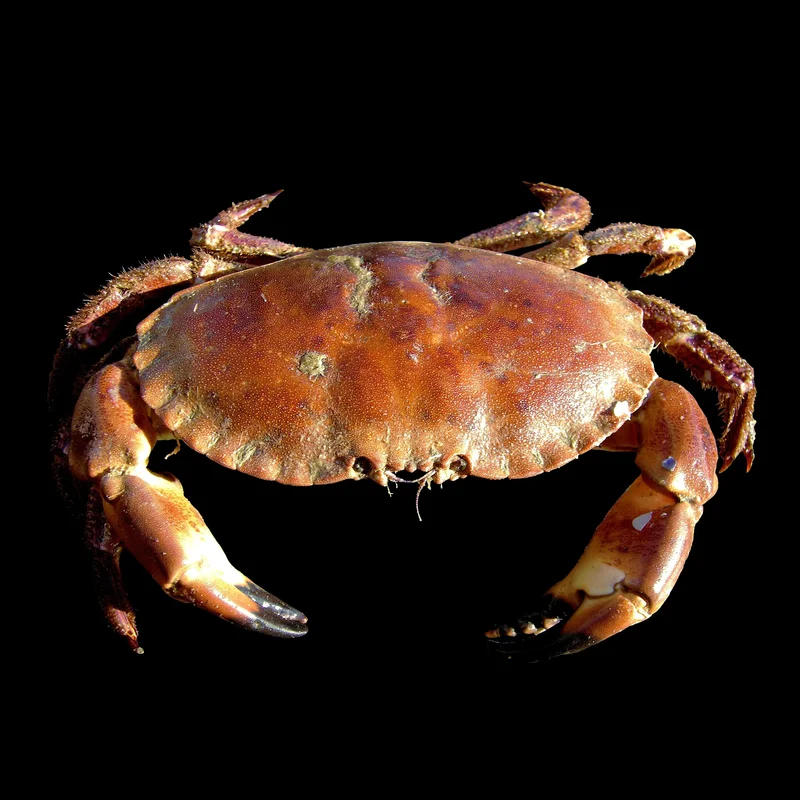
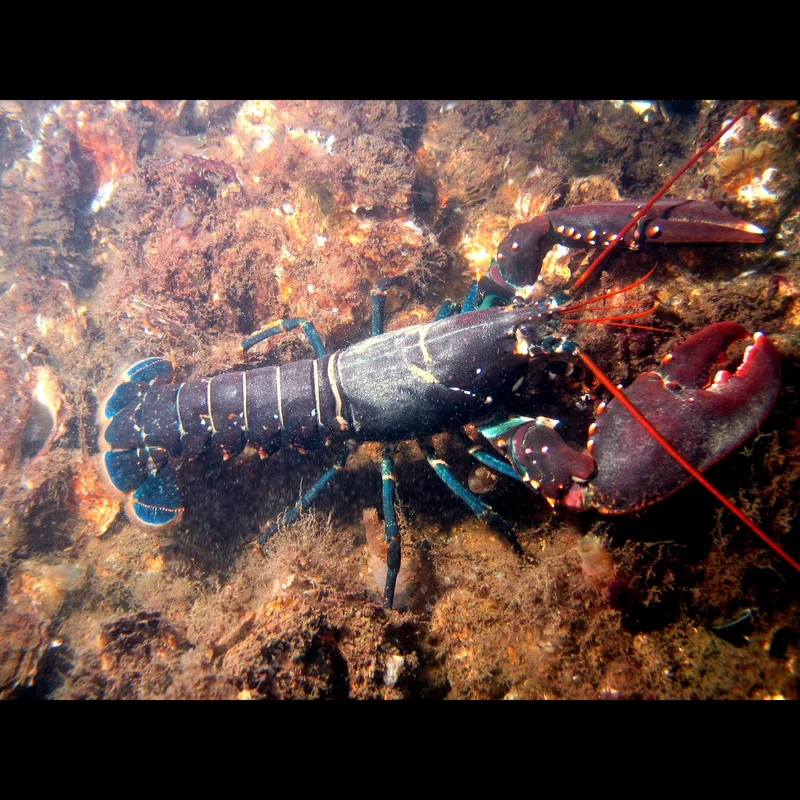
Divers may encounter species like tautog, cunner, and various rockfish seeking shelter within the wreck's framework. Lobsters and crabs often inhabit the nooks and crannies of the intact hull.
Observing these resilient creatures interacting with the submerged history adds another layer to the dive experience.


Dive Centers Near New York Central #14
Nearest Airports
Nearest airports to help plan travel to this dive area.
Search Flights
Check available flights and routes on Expedia, using the nearby airports listed in this section.
Search Flights on Expedia
Plan Your Stay
Looking for a place to stay for your dive trip? Explore hotels, stays, and vacation rentals for dive groups near Nahant.
Dive Navigator may earn a commission from these links at no extra cost to you.
Frequently Asked Questions
What is the typical visibility at the New York Central #14?
Visibility at the New York Central #14 can be quite variable. While surprisingly decent conditions are sometimes encountered, it tends to be less consistent, particularly during the summer months. Divers should prepare for a range of visibility conditions.
What kind of certifications are recommended for this dive?
This wreck is suitable for advanced divers. Given its use for helitrox and advanced nitrox/decompression procedures training, certifications in deep diving, wreck diving, and potentially technical diving are highly recommended to safely explore the site.
Is the wreck intact?
Yes, the New York Central #14, also known as the Pug wreck, is notable for its largely intact hull. This preservation allows for a more structural and engaging exploration compared to scattered debris fields.
What are the water temperatures like?
Specific water temperature data for the wreck are not consistently reported. However, as a North Atlantic dive site, divers should anticipate cold-water conditions year-round, requiring appropriate thermal protection such as a drysuit or thick wetsuit.
What are the best months for surface conditions?
June and July generally offer the best surface conditions with lower wave heights, lighter winds, and the warmest air temperatures, ranging from 19.5°C to 23.5°C (67-74°F). Despite this, visibility can be less consistent during these months.
Are there any currents to be aware of?
Currents at the New York Central #14 can vary. Divers should be prepared for potential currents, which may pose a moderate challenge depending on the day's conditions. Good dive planning and awareness are essential.
Planning to dive New York Central #14?
Send one inquiry and receive offers directly from the best verified local dive operators.
Conditions are Good
Optimal conditions expected
Current conditions near New York Central #14 show 19° air, 19° sea temperature, 0.9 m waves, and 37 km/h wind. Forecast data is refreshed regularly to ensure accuracy.