
Diving at Northern #29 (United States)
North Carolina's coastal waters are defined by an impressive collection of shipwrecks, offering a compelling dive environment. What divers immediately encounter here is a diverse array of submerged history, ranging from massive tankers to smaller trawlers and even artificial reef structures. This area presents significant opportunities for exploring historical vessels that have become thriving marine habitats.
Tonight's objective overview for Northern #29 shows an air temperature of 23°C. The measured surface conditions include wave heights around 0.7 m. This environmental data is logged for the close of the day.
Dive Site Location & Key Facts
Dive Site Overview
Exploring this region immerses divers in maritime history, with numerous vessels resting on the seabed. Among these, the 312-foot (95 m) freighter Normannia, sunk in a 1924 storm, presents largely intact bow and stern sections within the 90-110 ft (27-34 m) range.
Another popular site, the W.E. Hutton, a WWII torpedoed tanker, lies at a recreational depth of 70 ft (21 m); it's frequently visited by divers and fishermen alike. Further offshore, divers will find the Amagansett, a 135-foot (41 m) fishing vessel lost in a 1964 storm, sitting at its max depth of 130 ft (40 m).
An intentionally sunk vessel, the USCG Spar, a 185-foot (56 m) cutter, became an artificial reef in 2004, attracting sand tiger sharks at depths generally between 70-110 feet. For shallower exploration, the Novelty trawler, sunk in 1986, rests in approximately 50 feet of water.
Divers can also explore the Lobster Wreck, reaching a maximum depth of 125 ft, known for prominent engine and boiler features.
Conditions are Moderate
Optimal conditions expected
Current conditions near Northern #29 show 23° air, 23° sea temperature, 0.9 m waves, and 31 km/h wind. Forecast data is refreshed regularly to ensure accuracy.
Best Time to Dive
Planning a dive trip here prioritizes comfort and optimal underwater conditions. The summer months, particularly July, typically offer the most favorable experience, indicated by a "Good" dive score and pleasant average air temperatures around 24°C (75°F). During this period, surface conditions improve significantly; wave heights are generally at their lowest, and average wind speeds decrease to roughly 28.5 km/h (17.7 mph), reducing surface chop. Summer water temperatures consistently range from 24-28°C (75-82°F) across many sites, making dives more comfortable. Furthermore, while rain averages around 2.6 mm (0.1 inches) in July, precipitation remains relatively low compared to other months. Divers often find excellent visibility during these warmer, calmer periods, enhancing the exploration of the region's diverse wrecks and reefs.
PEAK SEASON SCORE
Scores combine air & water temps, waves, wind & rainfall for overall conditions.
BEST MONTHS TO DIVE
Monthly records compiled from satellite and marine observation nodes over the last 3 years. Data provided by Open-Meteo and MET Norway.
Dive Experience & Conditions
Conditions here present a dynamic environment, varying significantly across dive sites. Visibility generally ranges from a more limited 15-20 feet (5-6 m) on sites closer to shoals, like the Fenwick Isle, to an impressive 70-100 feet or even over 100 feet on deeper offshore wrecks such as the Lobster Wreck or Tamaulipus. Currents are often mild, though some wrecks, including the Amagansett or the Fenwick Isle, can experience moderate currents that may affect visibility. These stronger flows are important to consider for dive planning. Depths cater to a broad spectrum of certifications, from recreational ranges found on the Novelty to advanced technical depths exceeding 150 feet at the Tamaulipus. Summer water temperatures typically remain in the upper 20s Celsius (upper 70s to low 80s Fahrenheit), though deeper sections will naturally be cooler.
Dive Difficulty & Safety Guidelines
Approaching these dive sites requires an understanding of their varied profiles and the appropriate diver skill level. Sites range from Novice-Intermediate for wrecks like the Fenwick Isle and W.E. Hutton to Intermediate-Advanced for the Amagansett and Rock Pile.
Divers exploring sites lacking distinct reference points, such as sections of the W.E. Hutton, will find a wreck reel invaluable for navigation.
Currents, while often mild, can occur and reduce visibility, necessitating careful dive planning. Always assess your certification and experience against the recommended level for each specific wreck. This ensures a safe and enjoyable exploration of North Carolina's underwater historical treasures.
Recommended Equipment
- Dive Computer
This gear list is based on verified equipment signals for Northern #29, United States. Always confirm final gear choices with your dive operator, guide, or liveaboard.
Recommended Dive Suit
With water temperatures around 23°C (73°F), many divers find a 3-5mm wetsuit provides comfortable protection.
Local dive briefings can provide the most accurate guidance.
The upcoming forecast points to generally steady conditions in the area.
Due to technical issues with our weather providers, live updates are temporarily delayed. The data above reflects the conditions at the time of the last successful fetch.
Emergency & Medical Support
Essential information to help you plan your dive trip to Northern #29.

Hyperbaric chambers are a critical part of dive safety infrastructure. Availability varies significantly by region, and not all dive areas have immediate access.
Before diving, it's recommended to:
- confirm nearest medical facilities
- check emergency procedures with local dive operators
- ensure dive insurance covers evacuation if required
Divers Alert Network
Diving emergency assistance available through DAN World.
+1-919-684-9111- 24/7 emergency hotline
- Diving medical assistance
- Evacuation coordination
Emergency contacts are provided for reference. Always verify local emergency services before diving.
Marine Life at Northern #29
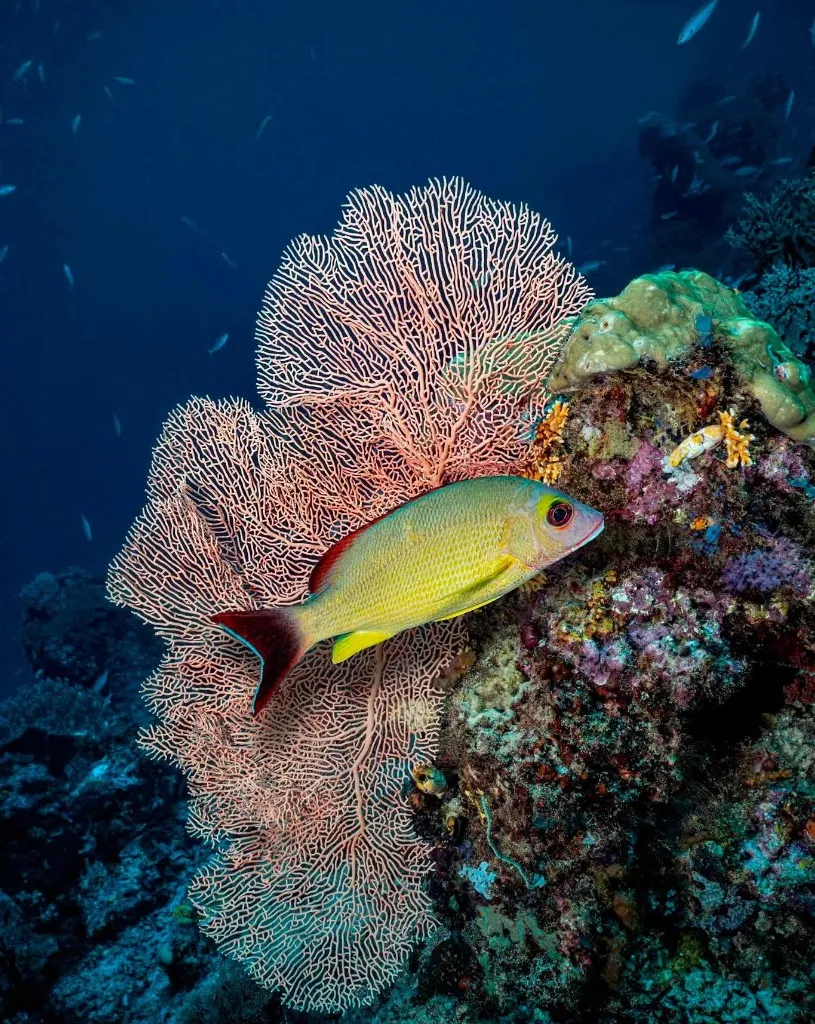
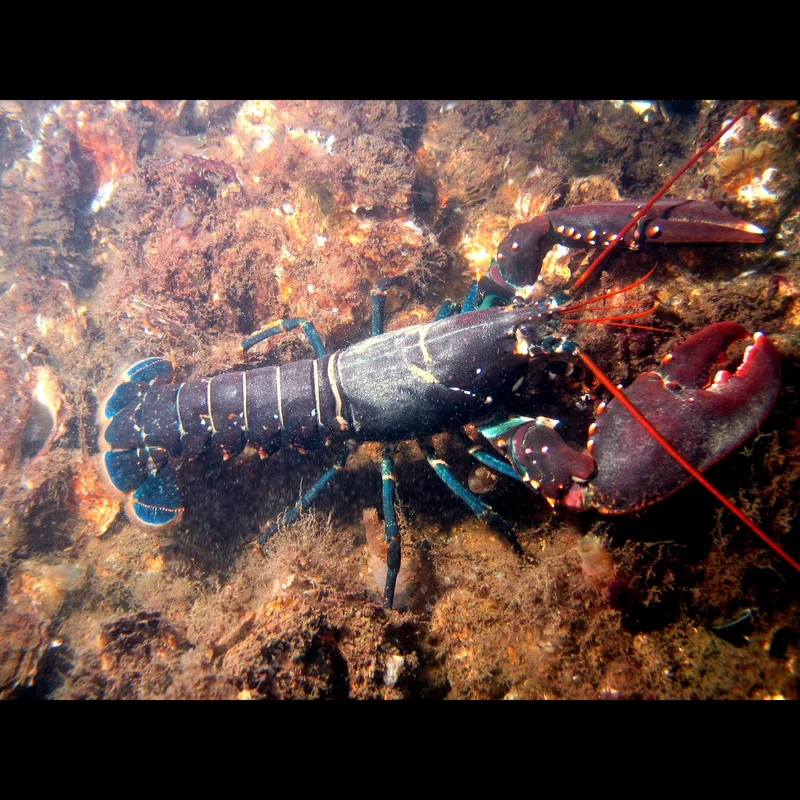
What divers encounter first around these wrecks is a vibrant array of marine life making these structures their home. Lobster are commonly found in the cracks of rocks and wrecks, sharing space with tropical fish, hog snapper, and lionfish.
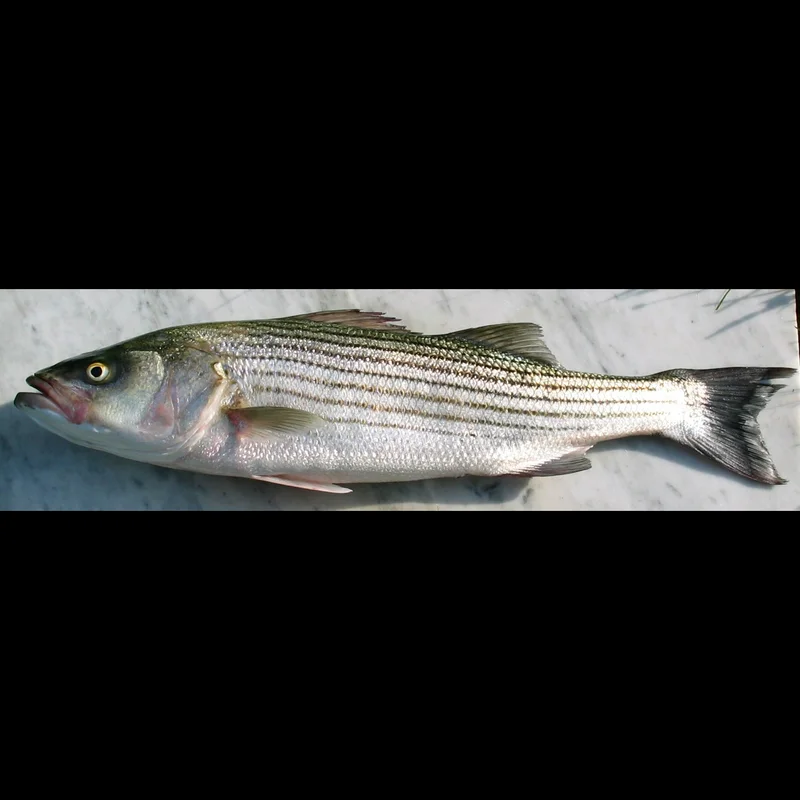
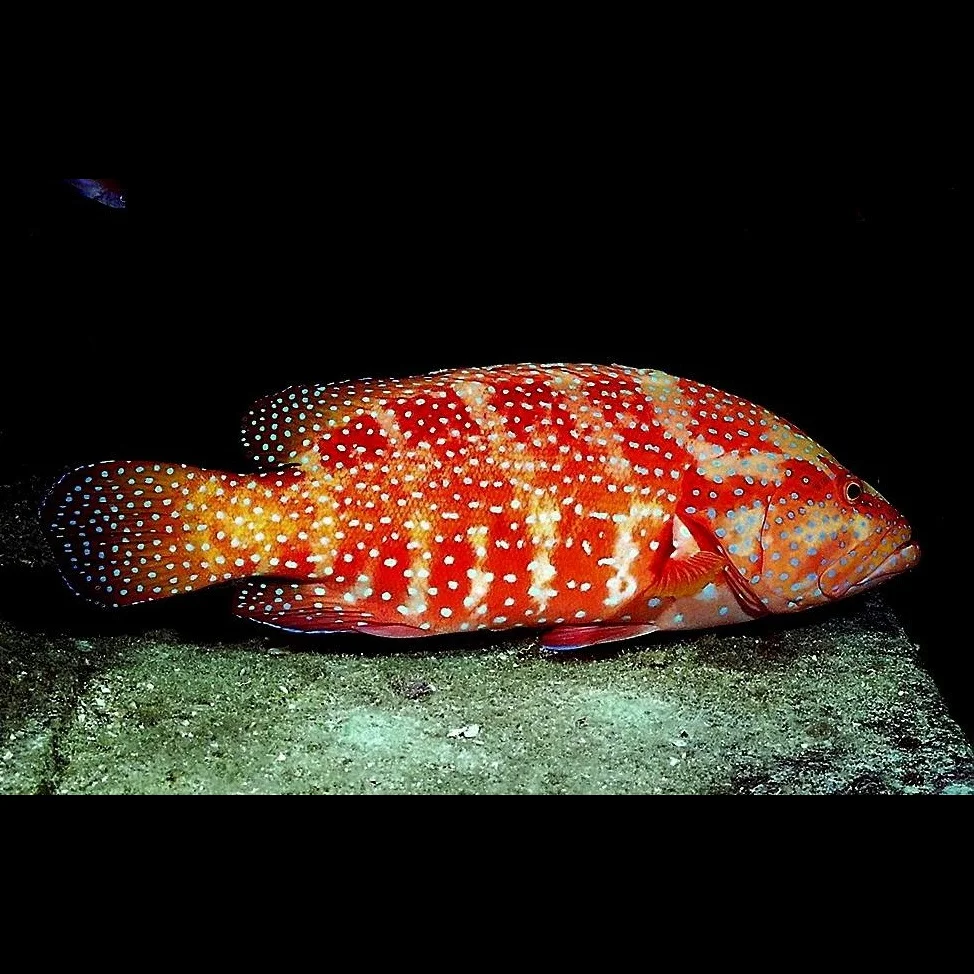
Sites like the Normannia host schools of jacks and baitfish, while turtles and rays are frequent visitors. Other species observed include sheephead, spadefish, sea bass, hogfish, grouper, and flounder.
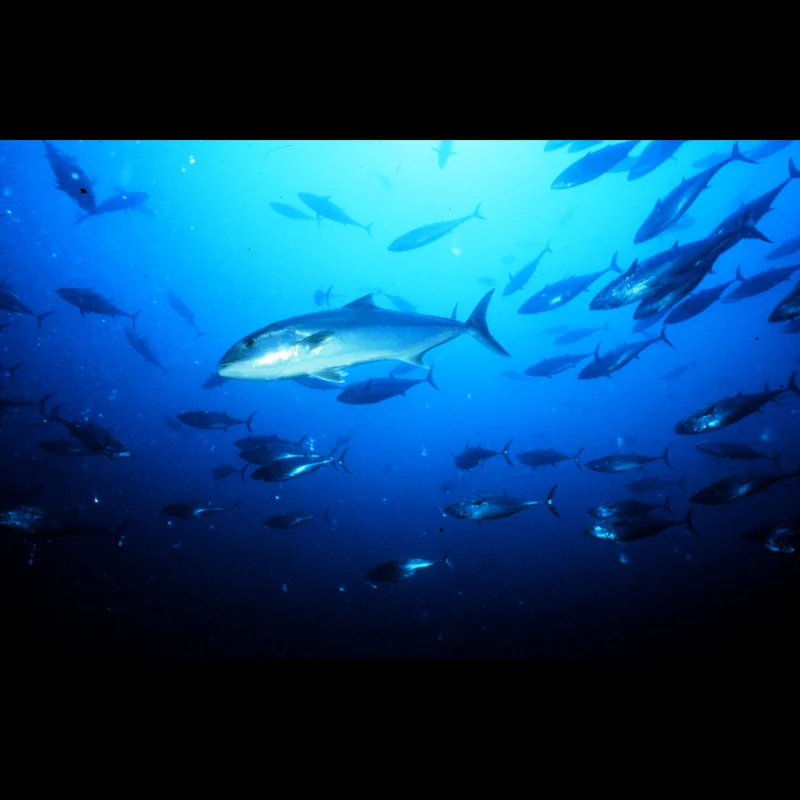
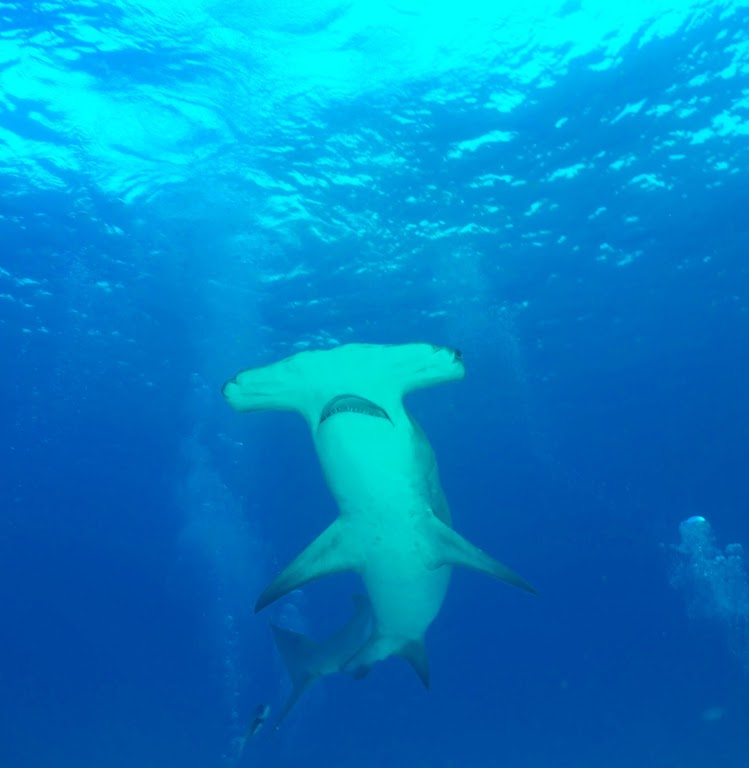
Deeper wrecks, such as the USCG Spar, attract larger pelagics and sand tiger sharks. Large schools of amberjack swim around the Tamaulipus, alongside pompano and Queen Angel fish.
Dive Centers Near Northern #29
Today: 08:00 - 18:00
Nearest Airports
Nearest airports to help plan travel to this dive area.
Search Flights
Check available flights and routes on Expedia, using the nearby airports listed in this section.
Search Flights on Expedia
Plan Your Stay
Looking for a place to stay for your dive trip? Explore hotels, stays, and vacation rentals for dive groups near North Beach Haven.
Dive Navigator may earn a commission from these links at no extra cost to you.
Frequently Asked Questions
What is the typical visibility like?
Visibility varies significantly depending on the dive site and conditions. It can range from 15-20 feet (5-6 m) closer to shore or shoals to 70-100 feet (21-30 m) or more on deeper offshore wrecks.
What experience level is generally required for these dives?
The dive sites cater to a range of experience levels, from Novice-Intermediate for shallower wrecks to Intermediate-Advanced for deeper or more exposed sites. Always check the specific site's recommended experience level.
Are there strong currents to be aware of?
While many sites experience mild currents, moderate currents can occasionally be encountered, particularly on certain wrecks. These can sometimes reduce visibility, so dive planning should account for potential current conditions.
What kind of marine life is commonly seen?
Divers regularly encounter lobster, tropical fish, hog snapper, and lionfish. Schools of jacks and baitfish are common, along with turtles, rays, sheephead, spadefish, sea bass, and grouper. Sand tiger sharks are also seen on certain wrecks.
What are the summer water temperatures?
During summer, water temperatures typically range from 24-28°C (75-82°F) on many sites. Deeper sections of wrecks will naturally be cooler.
Are there any shore diving opportunities?
Yes, the Radio Island Rock Jetty offers shore diving accessible from the beach. This site is known for tropical fish, sheephead, spadefish, and lobster among the rocks.
Planning to dive Northern #29?
Send one inquiry and receive offers directly from the best verified local dive operators.
Conditions are Moderate
Optimal conditions expected
Current conditions near Northern #29 show 23° air, 23° sea temperature, 0.9 m waves, and 31 km/h wind. Forecast data is refreshed regularly to ensure accuracy.