
Diving at Nrda 12-A (United States)
NRDA 12-A represents a deliberate contribution to Florida's extensive artificial reef program, designed to enhance marine habitat and recreational diving. This particular site, located approximately 12 nautical miles southeast of St. Andrew Bay Pass, is one of several deployments using Natural Resources Damage Assessment (NRDA) funds. It exists within the Sherman Artificial Reef Permit Area, offering divers a purposeful underwater structure. Deployed as a vessel wreck, it's a component of ongoing efforts to expand marine ecosystems.
As evening covers Nrda 12-A, the local air temperature is measured at 28°C. The current wave height at the surface is recorded at 0.8 m. These late-day readings characterize the surface conditions for the night.
Dive Site Location & Key Facts
Dive Site Overview
NRDA 12-A forms a pivotal component within Bay County's proactive artificial reef program, financially supported through Natural Resources Damage Assessment (NRDA) initiatives following the Deepwater Horizon oil spill. These environmental remediation projects, often involving intentionally sunk decommissioned vessel wrecks, are strategically established to create vital new habitat in areas where natural reef structures are scarce.
Specific deployments, like NRDA 12-A, are meticulously designed to achieve three core objectives: fostering robust marine life populations, enhancing regional tourism through appealing dive sites, and directly supporting local economic development. Over time, these underwater structures rapidly evolve into vibrant, complex ecosystems, significantly enriching biodiversity which, in turn, amplifies both fishing and diving opportunities for the entire region.
Operating as an integral part of a larger network, the site substantially reinforces the county's reputation for maintaining one of the most active artificial reef programs in the country. This consistent effort attracts thousands of divers annually and generates considerable economic impact.
Artificial reefs, effectively, grant a beneficial 'second life' to objects otherwise destined for scrapping, transforming them into thriving, dynamic underwater environments for diverse marine species.
Conditions are Excellent
07:00 - 14:00
Optimal conditions expected
Current conditions near Nrda 12-A show 28° air, 30° sea temperature, 0.3 m waves, and 17 km/h wind. Forecast data is refreshed regularly to ensure accuracy.
Best Time to Dive
Planning a dive at NRDA 12-A is best during the warmer months, typically from May through November, when conditions generally offer a more comfortable experience. October frequently stands out with the highest dive scores, indicating favorable overall conditions. During this extended period, average air temperatures range from 24°C (75°F) in May to a pleasant 23.5°C (74°F) in October, making surface intervals much more enjoyable. Rainfall is moderate, though a slight peak in September should be considered. Conversely, the winter months, from December to April, see lower air temperatures, ranging from 12.5°C (54°F) to 20.5°C (69°F), alongside potentially higher wave heights and stronger winds, which can lead to more challenging diving conditions and lower dive scores.
PEAK SEASON SCORE
Scores combine air & water temps, waves, wind & rainfall for overall conditions.
BEST MONTHS TO DIVE
Monthly records compiled from satellite and marine observation nodes over the last 3 years. Data provided by Open-Meteo and MET Norway.
Dive Experience & Conditions
Approaching the site, divers will discover the structure resting at a depth of 24-24.4 m (78-80 ft). This makes it readily accessible for advanced recreational divers. Conditions can vary, but the site generally experiences moderate currents, which are common in offshore Gulf waters. Visibility, while not consistently reported, often allows for clear views of the artificial reef structure, especially during periods of lighter winds and calmer seas. Descending onto the wreck, its shape provides immediate points of interest, from various structural components to the developing marine growth. This site forms part of a series of deployments intended to offer diverse exploration opportunities.
Dive Difficulty & Safety Guidelines
Diving at NRDA 12-A requires sound dive planning and adherence to standard safety protocols due to its depth. Given the typical depth of 24-24.4 m (78-80 ft), advanced open water certification is recommended to ensure divers are comfortable and proficient at this depth. Wreck diving experience is beneficial, as artificial reefs often involve navigating complex structures.
Always dive within your training and comfort limits, paying close attention to no-decompression limits and ascent rates. Before entering the water, a thorough buddy check and assessment of current conditions are essential. Consider carrying a surface marker buoy (SMB) for safety, especially in offshore environments.
Recommended Equipment
- Dive Computer
This gear list is based on verified equipment signals for Nrda 12-A, United States. Always confirm final gear choices with your dive operator, guide, or liveaboard.
Recommended Dive Suit
Divers who spend more time observing marine life often prefer slightly warmer gear.
Divers exploring Nrda 12-A today will likely encounter water temperatures close to 30°C (86°F). Surface air temperatures are resting at 28°C (83°F). Water temperatures in this range are often well suited to diving with dive skin or rash guard. Consider warmer surface protection (like a boat coat) due to brisk winds.
Forecast models indicate that diving conditions should remain largely unchanged.
Due to technical issues with our weather providers, live updates are temporarily delayed. The data above reflects the conditions at the time of the last successful fetch.
Emergency & Medical Support
Essential information to help you plan your dive trip to NRDA 12-A.

Hyperbaric chambers are a critical part of dive safety infrastructure. Availability varies significantly by region, and not all dive areas have immediate access.
Before diving, it's recommended to:
- confirm nearest medical facilities
- check emergency procedures with local dive operators
- ensure dive insurance covers evacuation if required
Divers Alert Network
Diving emergency assistance available through DAN World.
+1-919-684-9111- 24/7 emergency hotline
- Diving medical assistance
- Evacuation coordination
Emergency contacts are provided for reference. Always verify local emergency services before diving.
Marine Life at Nrda 12-A
The artificial reef at NRDA 12-A creates a thriving focal point for marine activity on an otherwise relatively barren seafloor. Over time, the vessel wreck transforms into a vibrant habitat, attracting a diverse range of reef fish seeking shelter and feeding grounds.
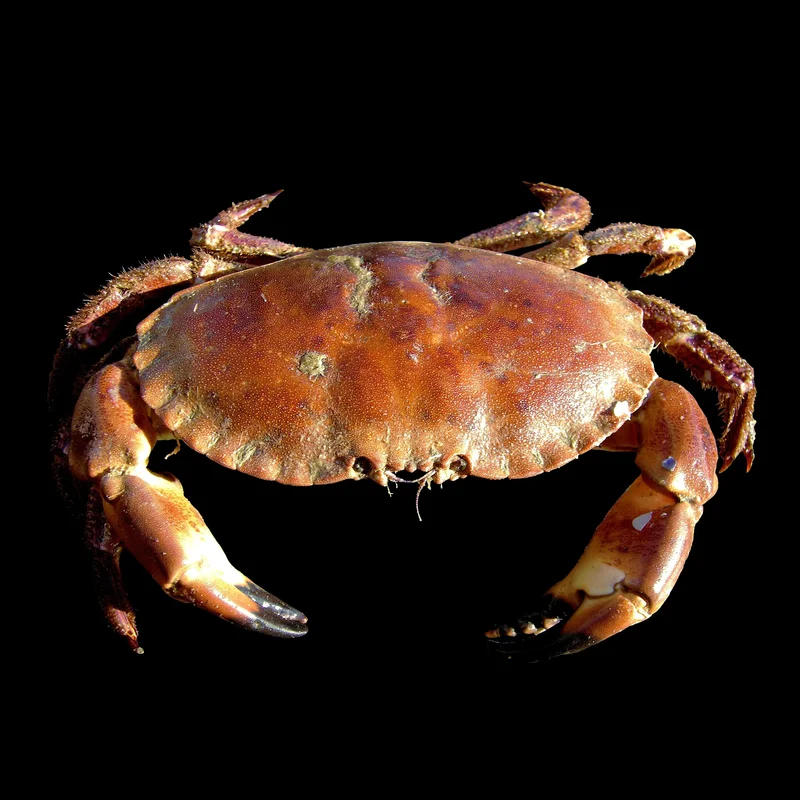
You can observe various schooling fish species, often congregating around the structure's contours. Additionally, expect to see different invertebrates, such as crabs and shrimp, utilizing the crevices and surfaces.
This dynamic ecosystem continues to develop, with new species colonizing the site, contributing to the Gulf's biodiversity.
Dive Sites Near Nrda 12-A
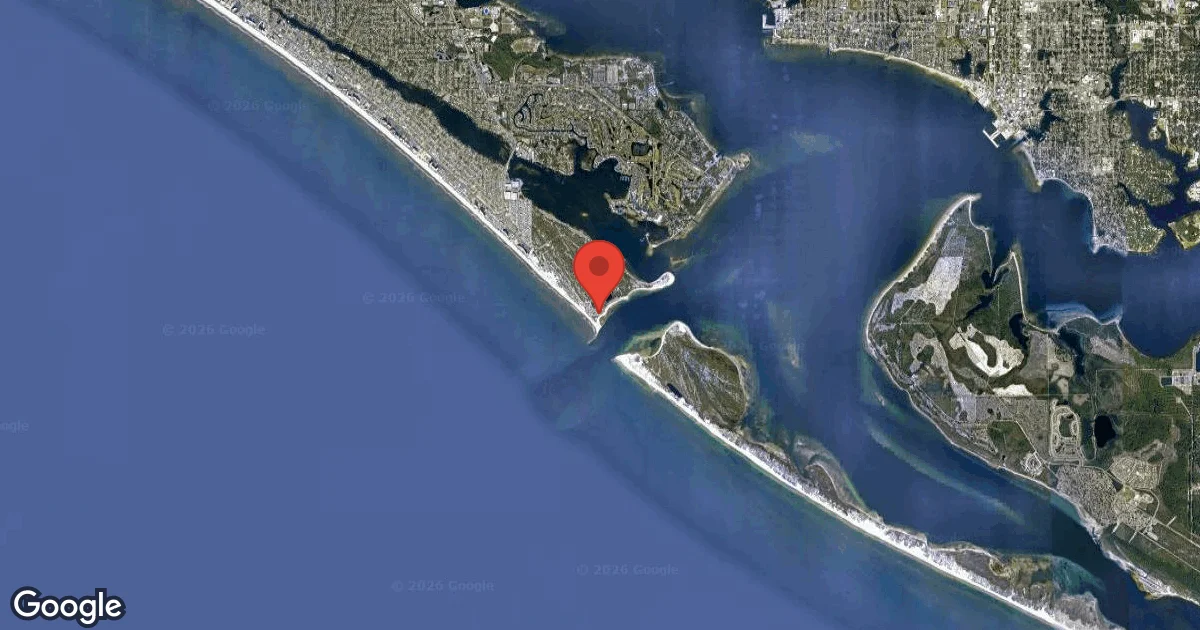
View all dive sites in United StatesDiscover more underwater gems in this area.
Dive Centers Near Nrda 12-A
Today: 09:00 - 16:00
Nearest Airports
Nearest airports to help plan travel to this dive area.
Search Flights
Check available flights and routes on Expedia, using the nearby airports listed in this section.
Search Flights on Expedia
Plan Your Stay
Looking for a place to stay for your dive trip? Explore hotels, stays, and vacation rentals for dive groups near Panama City Beach.
Dive Navigator may earn a commission from these links at no extra cost to you.
Frequently Asked Questions
What is the primary purpose of NRDA 12-A?
NRDA 12-A is an artificial reef site, part of a larger program to create marine habitats and enhance recreational diving opportunities. It was funded through Natural Resources Damage Assessment (NRDA) initiatives.
What is the typical depth range at this dive site?
The site's main structure rests at a depth of approximately 24-24.4 meters (78-80 feet). While well within recreational diving limits, appropriate training is still required.
What kind of marine life can divers expect to see?
Divers can anticipate encountering various reef fish, often schooling around the structure. The artificial reef also attracts a range of invertebrates, contributing to a vibrant and biodiverse ecosystem.
Are there any specific certifications recommended for diving here?
Given the maximum depth, an Advanced Open Water certification is recommended for divers. This ensures competence and comfort in navigating depths of 24 meters (80 feet) and potentially encountering current.
How do weather conditions affect diving at NRDA 12-A?
Offshore weather conditions, particularly wind speed and wave height, significantly influence dive suitability. Calmer seas and lower winds, typical during summer and fall months, generally provide better diving conditions.
What are the best months to dive NRDA 12-A?
The months from May through November are generally considered the most favorable for diving, with October often having the highest dive scores. Air temperatures are warmer, and sea conditions tend to be more stable during this period.
Planning to dive Nrda 12-A?
Send one inquiry and receive offers directly from the best verified local dive operators.
Conditions are Excellent
07:00 - 14:00
Optimal conditions expected
Current conditions near Nrda 12-A show 28° air, 30° sea temperature, 0.3 m waves, and 17 km/h wind. Forecast data is refreshed regularly to ensure accuracy.