
Diving at Nrda 9-A (United States)
Divers exploring the diverse habitats found within US National Marine Sanctuaries often encounter a compelling visual tapestry. Visibility can vary, with certain areas like Stellwagen Bank typically offering good clarity, enhancing views of underwater environments and their historical artifacts. Expect to navigate varied terrain, from rocky reefs to expansive sand flats, where marine life patterns are easily observed throughout the water column.
As evening covers Nrda 9-A, the local air temperature is measured at 28.5°C. The current wave height at the surface is recorded at 0.6 m. These late-day readings characterize the surface conditions for the night.
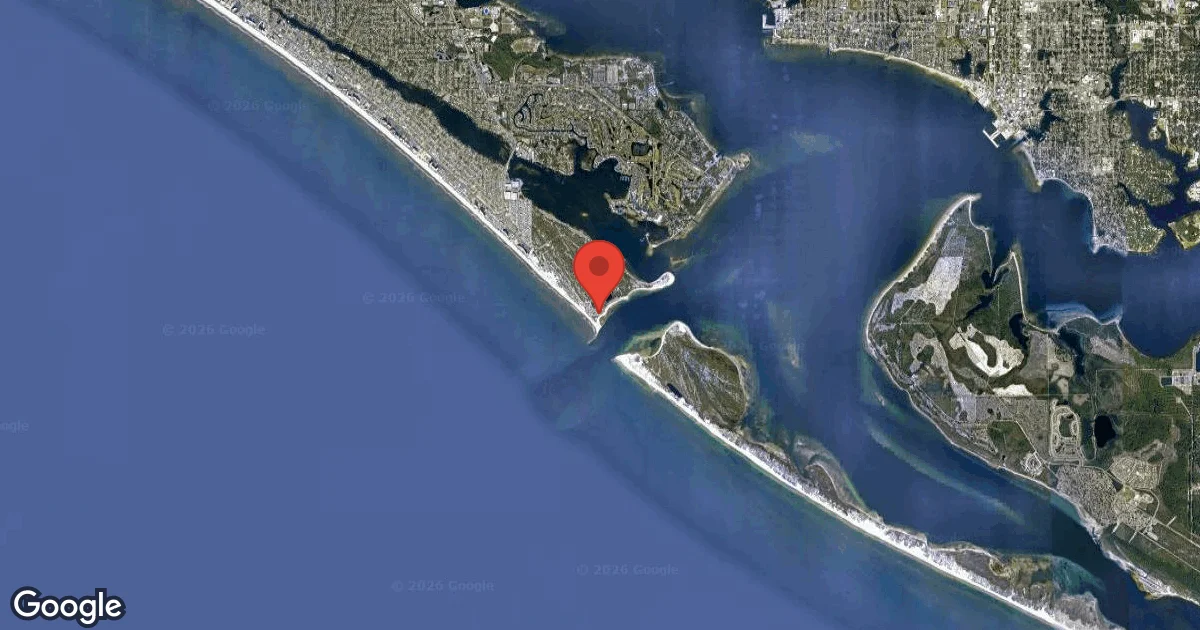
Dive Site Location & Key Facts
Dive Site Overview
Exploring the National Marine Sanctuaries across the United States offers a broad spectrum of underwater experiences, from temperate kelp forests to subtropical coral reefs. Each sanctuary presents its own character, inviting divers to discover unique ecosystems and rich maritime histories.
Many sites, like the Flower Garden Banks, are offshore and recommended for advanced divers, with typical dive profiles extending from approximately 17 m (55 ft) down to 40 m (130 ft). Other locations, such as Thunder Bay, cater to recreational and technical divers eager to explore well-preserved historic shipwrecks in colder, fresh waters.
These sanctuaries prioritize conservation, meaning specific regulations often apply, including prohibitions on anchoring and spearfishing in certain zones. Mooring buoys are present at various locations, aiding navigation and protecting fragile habitats.
Whether you're drift diving over live-bottom reefs as sometimes seen in Gray's Reef, or meticulously exploring shipwrecks, a keen awareness of your surroundings and strong buoyancy control are essential. The depth and conditions can vary significantly, requiring adaptive dive planning for each unique site within this expansive network of protected waters.
Conditions are Excellent
07:00 - 14:00
Optimal conditions expected
Current conditions near Nrda 9-A show 28° air, 30° sea temperature, 0.3 m waves, and 20 km/h wind. Forecast data is refreshed regularly to ensure accuracy.
Best Time to Dive
Optimal dive conditions within US National Marine Sanctuaries typically align with periods of warmer air temperatures and calmer seas. For many sites, the months from July through November present good to excellent dive scores, reflecting air temperatures averaging 26-29°C (79-84°F) and lower average wave heights, often around 0.6-0.8 meters (2-2.6 feet). Rainfall tends to be moderate during these months, generally ranging from 1.3 to 7.3 mm, which usually doesn't significantly impair diving conditions. Conversely, winter months, particularly January through March, show moderate dive scores, with air temperatures dropping to 11-18°C (52-64°F) and slightly higher average wave heights of 1.0-1.2 meters (3.3-3.9 feet). While diving is possible year-round in some areas, planning for the warmer, calmer periods will generally enhance the overall experience, offering more comfortable surface conditions and potentially better visibility. Divers should always consult site-specific forecasts as local weather patterns can influence conditions considerably.
PEAK SEASON SCORE
Scores combine air & water temps, waves, wind & rainfall for overall conditions.
BEST MONTHS TO DIVE
Monthly records compiled from satellite and marine observation nodes over the last 3 years. Data provided by Open-Meteo and MET Norway.
Dive Experience & Conditions
Current dynamics play a significant role in many National Marine Sanctuary dives, with some locations like the USS Monitor wreck off North Carolina experiencing strong currents that limit access to technical divers. In other areas, such as Gray's Reef, drift diving is specifically recommended due to currents and anchoring prohibitions. Divers should be proficient in drift techniques and maintain excellent buoyancy control to navigate these environments safely and efficiently. Water temperatures across the vast network of US sanctuaries vary widely and are not consistently reported for all locations; some sites are notably cold-water destinations, while others are considerably warmer. Without specific water temperature data for NRDA 9-A, divers should prepare for a range of ambient conditions depending on the precise site and season, and outfit themselves with appropriate thermal protection. A dive computer is crucial for monitoring bottom time and ascent rates across varied depths, often within recreational limits but potentially extending deeper.
Dive Difficulty & Safety Guidelines
Navigating the challenges of diving in US National Marine Sanctuaries requires a commitment to safety and adherence to specific guidelines. Many sites enforce strict regulations to protect fragile ecosystems and historical resources; for instance, collecting any natural or cultural items is generally prohibited, and harassment of marine animals is never permitted. Buoyancy control mastery is paramount to avoid accidental disturbance of seafloor or entanglement, especially in areas with delicate coral formations or kelp forests.
Before any dive, divers must familiarize themselves with site-specific rules, as these can vary significantly between sanctuaries. Certain locations, particularly offshore sites or those with deep wrecks like the Monitor, are explicitly recommended for advanced or technical divers only.
Always respect marine wildlife from a safe distance. Having a dive buddy and comprehensive dive planning, including understanding potential currents and emergency procedures, are fundamental for a responsible and rewarding experience.
Recommended Equipment
- Dive Computer
This gear list is based on verified equipment signals for Nrda 9-A, United States. Always confirm final gear choices with your dive operator, guide, or liveaboard.
Recommended Dive Suit
For dives of average duration, dive skin or rash guard usually provides sufficient protection from heat loss. A hood or vest is suggested for sensitive divers due to surface winds.
Divers entering the water at Nrda 9-A today can expect temperatures near 30°C (86°F) beneath the surface. Surface air temperatures are resting at 28°C (83°F).
Conditions are expected to stay fairly consistent in the days ahead.
Emergency & Medical Support
Essential information to help you plan your dive trip to NRDA 9-A.

Hyperbaric chambers are a critical part of dive safety infrastructure. Availability varies significantly by region, and not all dive areas have immediate access.
Before diving, it's recommended to:
- confirm nearest medical facilities
- check emergency procedures with local dive operators
- ensure dive insurance covers evacuation if required
Divers Alert Network
Diving emergency assistance available through DAN World.
+1-919-684-9111- 24/7 emergency hotline
- Diving medical assistance
- Evacuation coordination
Emergency contacts are provided for reference. Always verify local emergency services before diving.
Marine Life at Nrda 9-A
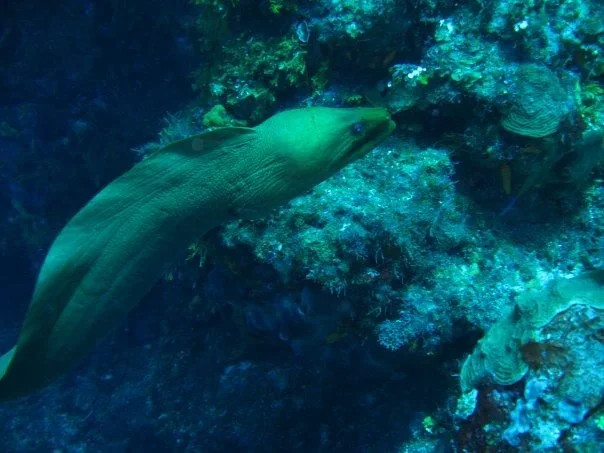
Upon descending into a US National Marine Sanctuary, divers frequently first notice the diverse reef fish populations, which can number in the hundreds of species in areas like Gray's Reef. Common sightings include various colorful reef fish and occasional moray eels peeking from ledges.
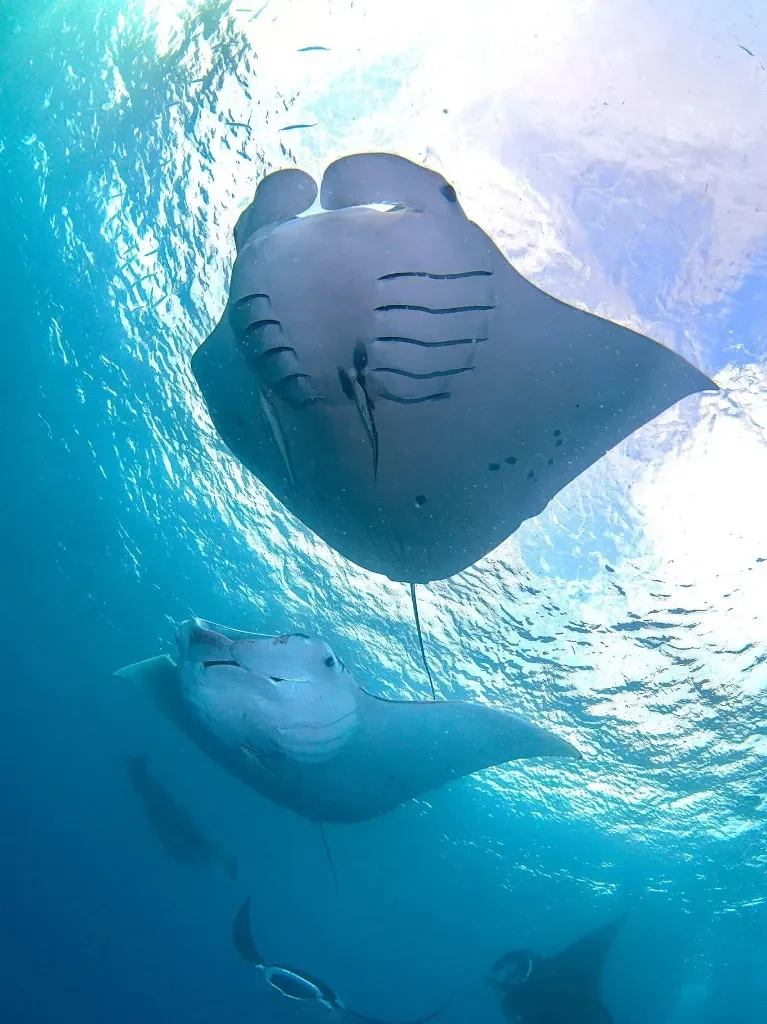
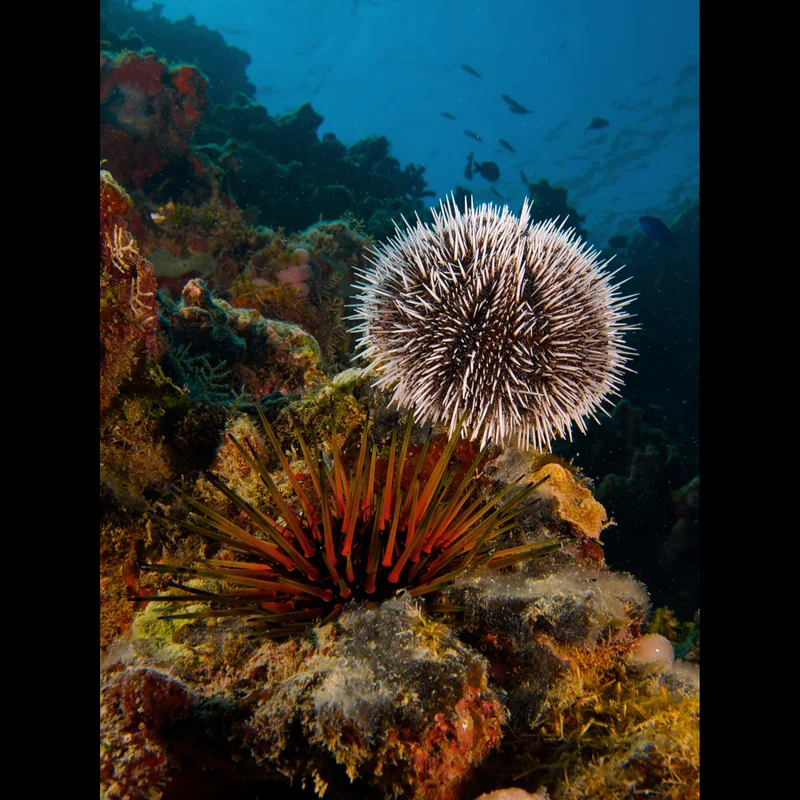
Larger pelagic species like manta rays and even whale sharks are observed in offshore locations such as the Flower Garden Banks, offering breathtaking encounters. In temperate zones, expect to see robust rockfish, sea urchins, and the intriguing giant Pacific octopus inhabiting rocky reefs and kelp forests.
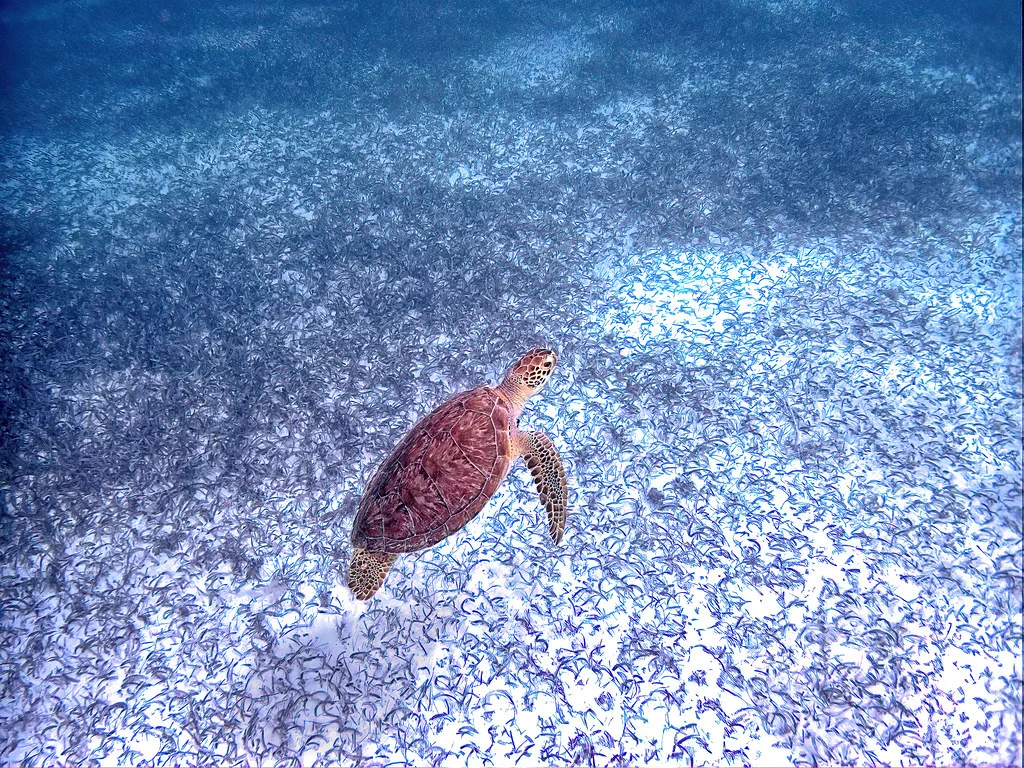
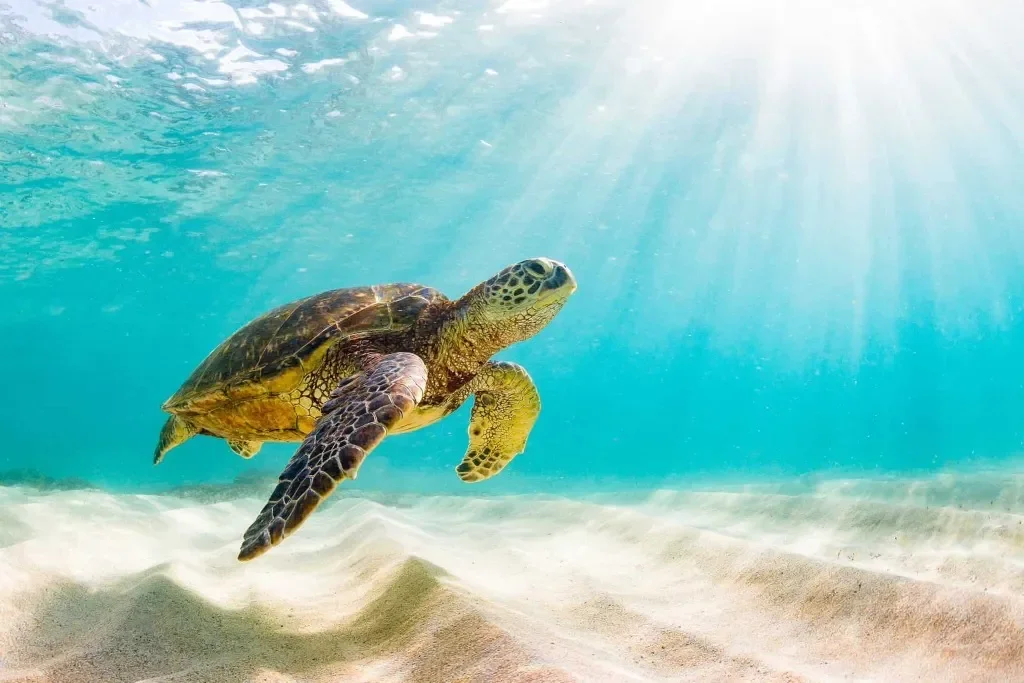
Green sea turtles and loggerhead turtles are also frequently encountered across many of these protected waters, gracefully moving through their habitats.
Dive Sites Near Nrda 9-A
View all dive sites in United StatesDiscover more underwater gems in this area.
Dive Centers Near Nrda 9-A
Today: 09:00 - 16:00
Nearest Airports
Nearest airports to help plan travel to this dive area.
Search Flights
Check available flights and routes on Expedia, using the nearby airports listed in this section.
Search Flights on Expedia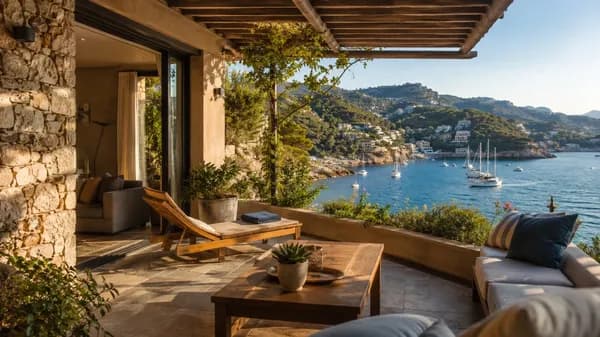
Plan Your Stay
Looking for a place to stay for your dive trip? Explore hotels, stays, and vacation rentals for dive groups near Panama City Beach.
Dive Navigator may earn a commission from these links at no extra cost to you.
Frequently Asked Questions
What is the typical depth range for diving in these sanctuaries?
Dive profiles in US National Marine Sanctuaries vary widely. While some sites like the Flower Garden Banks can extend from 17 m (55 ft) to 40 m (130 ft), others offer shallower recreational depths, and certain technical wrecks go considerably deeper. Always check the specific site's recommended depth limits.
Are there any restrictions on what I can collect underwater?
Yes, collecting natural and cultural items, including shells, rocks, or historical artifacts, is generally regulated or prohibited within National Marine Sanctuaries. These items provide crucial habitats for marine life and are protected resources.
Is spearfishing permitted in these areas?
Spearfishing regulations vary by sanctuary. For example, it is not allowed in Gray's Reef National Marine Sanctuary. Always confirm the specific rules for your intended dive location to ensure compliance.
What level of diving experience is recommended for National Marine Sanctuaries?
The required experience level depends entirely on the specific sanctuary and dive site. Some locations are suitable for recreational divers, while others, due to strong currents, deep depths, or remote conditions, are recommended only for advanced or technical divers.
Are mooring buoys typically available at dive sites?
Many popular dive sites within National Marine Sanctuaries are equipped with seasonal mooring buoys to prevent anchor damage to sensitive habitats like coral reefs. However, some sites, such as Gray's Reef, do not provide mooring buoys, making drift diving a necessity.
How should I interact with marine wildlife during a dive?
Always observe marine wildlife from a safe distance without touching, feeding, or harassing the animals. Sanctuaries have specific regulations to protect marine life, especially vulnerable species like humpback whales and monk seals.
What kind of thermal protection is usually needed?
Given the wide range of water temperatures across US National Marine Sanctuaries – from cold-water destinations to warmer tropical zones – divers should assess the specific site and season. Prepare with appropriate wetsuit or dry suit protection for the expected ambient water conditions.
Planning to dive Nrda 9-A?
Send one inquiry and receive offers directly from the best verified local dive operators.
Conditions are Excellent
07:00 - 14:00
Optimal conditions expected
Current conditions near Nrda 9-A show 28° air, 30° sea temperature, 0.3 m waves, and 20 km/h wind. Forecast data is refreshed regularly to ensure accuracy.