
Diving at Nrda Phase 3 Cell 392 (United States)
NRDA Phase 3 Cell 392 presents an engineered underwater landscape, distinct from natural reef formations. This site comprises structured elements intended to foster marine habitat, creating a mosaic of surfaces for colonization. Divers will encounter a defined environment, rather than expansive natural topography, providing a specific focal point for exploration. Its layout suggests a deliberate design, influencing how marine life interacts with the submerged features.
Evening condition tracking at Nrda Phase 3 Cell 392 features an air temperature of 28°C. We have recorded wave heights measuring 0.7 m during this period. These figures outline the environmental parameters currently present.
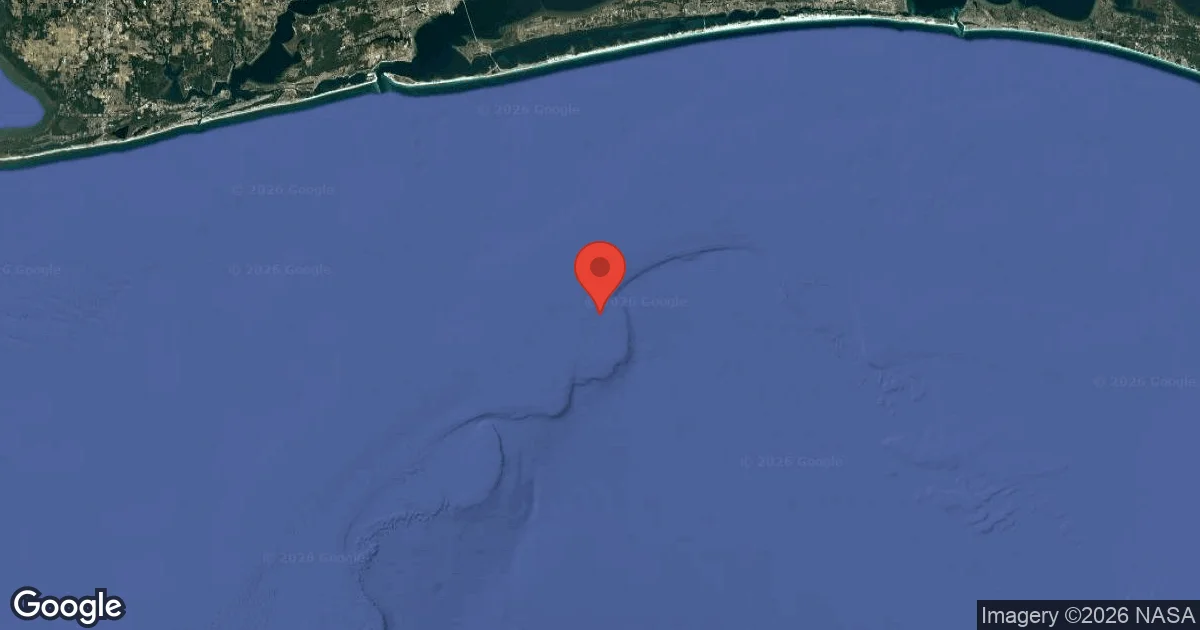
Dive Site Location & Key Facts
Dive Site Overview
Diver encounters at NRDA Phase 3 Cell 392 reveal a site meticulously established for ecological remediation and habitat development. It serves as an artificial reef, designed to contribute to the broader marine ecosystem by providing structured refuge and substrate.
Expect to explore a habitat that is clearly engineered, differing significantly from natural coral reefs or wrecks. Air temperatures fluctuate with seasons, from cooler averages of 13°C (55°F) in January to warmer averages of 29°C (84°F) in August. Wave heights generally remain manageable, varying from 0.6 to 1.2 m (2 to 4 ft) throughout the year, though specific dive-day conditions are always paramount.
Water temperature data isn't explicitly available, but it commonly aligns with seasonal surface air temperatures. Visibility varies with local currents and sediment.
Observing the impact of human-made structures on marine life development forms a core part of the experience.
Conditions are Excellent
07:00 - 14:00
Optimal conditions expected
Current conditions near Nrda Phase 3 Cell 392 show 28° air, 30° sea temperature, 0.4 m waves, and 19 km/h wind. Forecast data is refreshed regularly to ensure accuracy.
Best Time to Dive
For seasonal planning, targeting late spring through early autumn for NRDA Phase 3 Cell 392 generally provides more comfortable surface conditions. Air temperatures during these months are considerably warmer, moving from 24.5°C (76°F) in May to a peak of 29°C (84°F) in August, making boat travel and preparations more pleasant. This timeframe often aligns with 'Good' dive scores, indicating favorable weather. Colder air temperatures, such as January's 13°C (55°F) average, can make diving less appealing. Average wave heights are lowest from July to September, typically around 0.6-0.7 m (2-2.3 ft), resulting in calmer seas. Rainfall remains consistently moderate across all seasons, so it rarely dictates visit timing. Prioritizing the warmer, calmer months will likely enhance the overall experience.
PEAK SEASON SCORE
Scores combine air & water temps, waves, wind & rainfall for overall conditions.
BEST MONTHS TO DIVE
Monthly records compiled from satellite and marine observation nodes over the last 3 years. Data provided by Open-Meteo and MET Norway.
Dive Experience & Conditions
Conditions at NRDA Phase 3 Cell 392 present a structured underwater environment, gradually encountered during descent. Purpose-built components characterize this site, designed to attract and shelter marine organisms. While specific depths are not consistently reported, exploration typically occurs within recreational dive limits, likely offering a range from shallower sections to deeper areas. Water temperature for this particular cell is not specified in available data; however, local oceanic conditions would dictate temperatures, usually warmer during summer months. Visibility can be variable, from moderate to good, often influenced by recent weather and local current patterns. Currents around the site are generally mild but may intensify with tidal movements, requiring divers to manage buoyancy and trim effectively. Exploring various structures reveals a burgeoning ecosystem of colonizing organisms.
Dive Difficulty & Safety Guidelines
Safety around NRDA Phase 3 Cell 392 necessitates standard dive considerations, especially given its constructed nature. Divers must maintain excellent buoyancy control to prevent unintentional contact with structures or disruption of developing marine growth. No specific hazards are reported for this site in available data; nevertheless, general precautions are consistently advised.
Remain mindful of potential entanglement risks associated with artificial materials, even though detailed information remains limited. Always monitor local sea conditions, since stronger currents or significant wave heights could impact entry and exit, particularly from smaller vessels.
Diving with a reliable buddy and carrying essential safety gear, such as a surface marker buoy and an audible signaling device, is prudent for any open water dive.
Recommended Equipment
- Dive Computer
This gear list is based on verified equipment signals for Nrda Phase 3 Cell 392, United States. Always confirm final gear choices with your dive operator, guide, or liveaboard.
Recommended Dive Suit
The latest conditions reported around Nrda Phase 3 Cell 392 place the water temperature close to 30°C (86°F). Surface air temperatures are resting at 28°C (82°F).
Many divers choose dive skin or rash guard when diving in similar conditions. A hood or vest is suggested for sensitive divers due to surface winds.
Short-term weather patterns suggest stable conditions for divers visiting the area.
Emergency & Medical Support
Essential information to help you plan your dive trip to NRDA Phase 3 Cell 392.

Hyperbaric chambers are a critical part of dive safety infrastructure. Availability varies significantly by region, and not all dive areas have immediate access.
Before diving, it's recommended to:
- confirm nearest medical facilities
- check emergency procedures with local dive operators
- ensure dive insurance covers evacuation if required
Divers Alert Network
Diving emergency assistance available through DAN World.
+1-919-684-9111- 24/7 emergency hotline
- Diving medical assistance
- Evacuation coordination
Emergency contacts are provided for reference. Always verify local emergency services before diving.
Marine Life at Nrda Phase 3 Cell 392
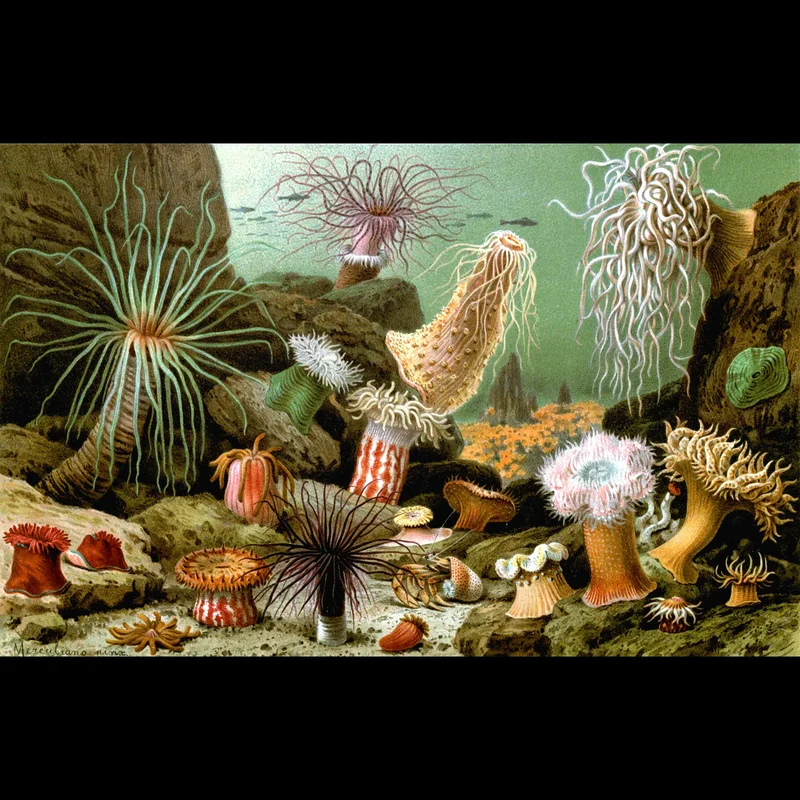
Marine life at NRDA Phase 3 Cell 392 primarily involves the colonization of its artificial reef structures. Divers can expect to observe various foundational organisms like hard and soft corals, sponges, and anemones establishing themselves on surfaces.
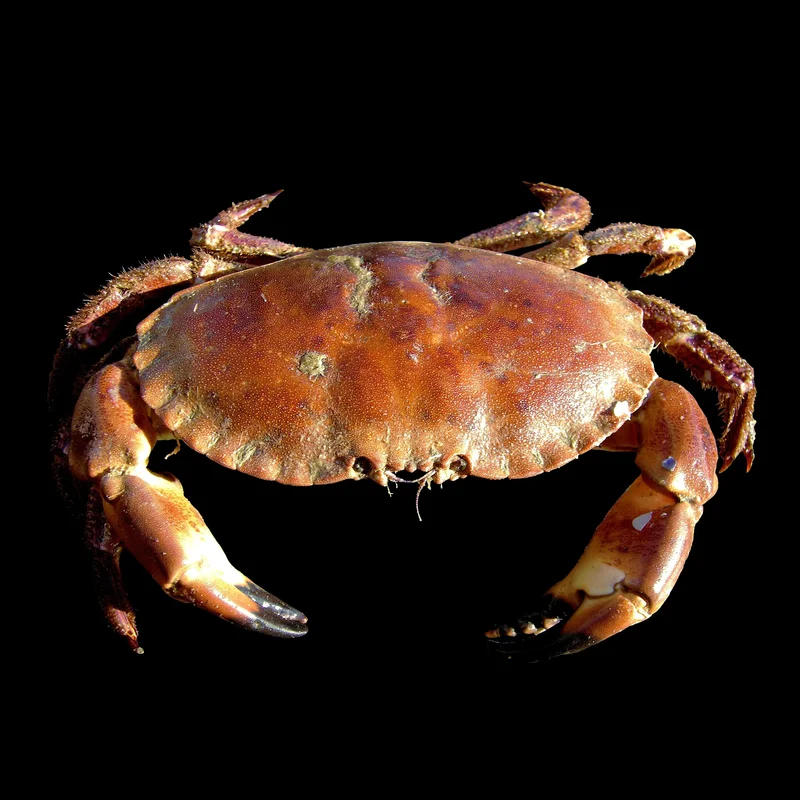
Juvenile fish species frequently seek shelter within the crevices and contours, utilizing the cell as a protected nursery habitat. Spotting smaller invertebrates, including various species of crabs and shrimp moving amongst the growth, is also common.
This site offers an interesting perspective on how marine ecosystems develop and thrive on new, strategically placed underwater foundations.
Dive Sites Near Nrda Phase 3 Cell 392
View all dive sites in United StatesDiscover more underwater gems in this area.
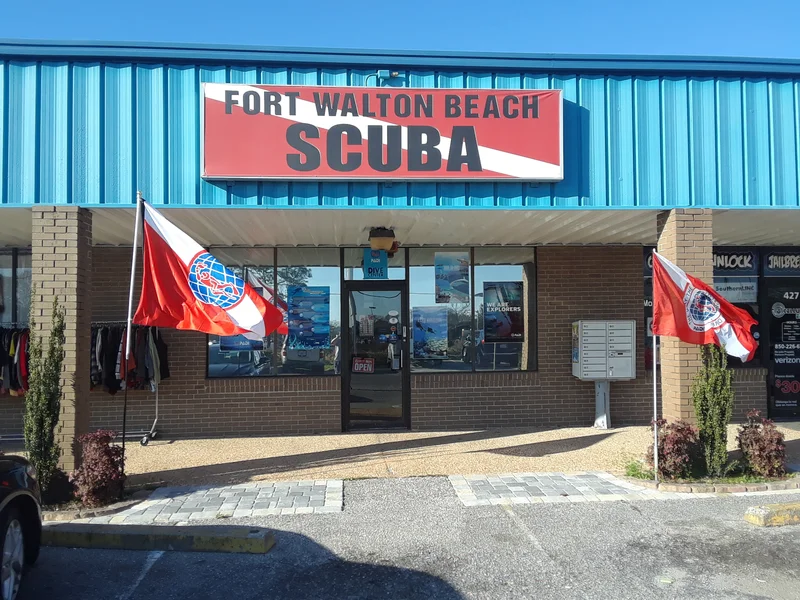
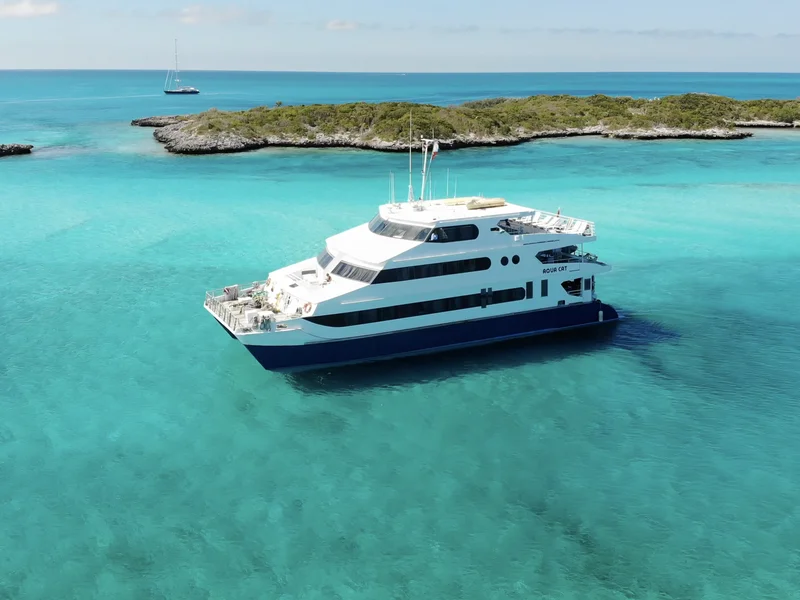
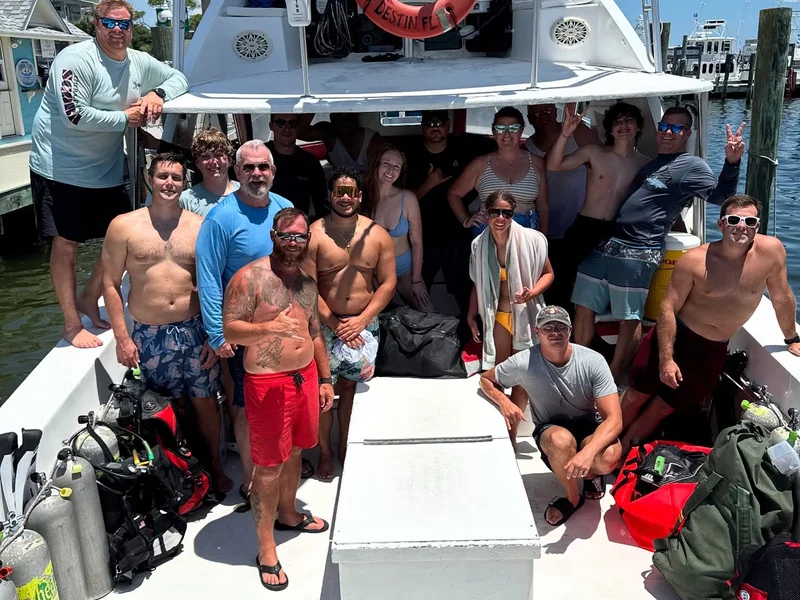
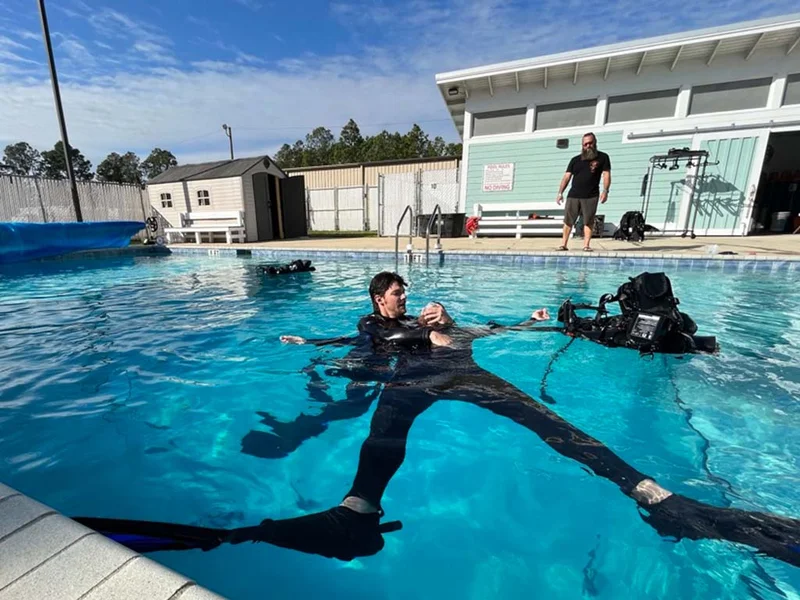
Dive Centers Near Nrda Phase 3 Cell 392
Today: 10:00 - 16:00
Nearest Airports
Nearest airports to help plan travel to this dive area.
Search Flights
Check available flights and routes on Expedia, using the nearby airports listed in this section.
Search Flights on Expedia
Plan Your Stay
Looking for a place to stay for your dive trip? Explore hotels, stays, and vacation rentals for dive groups near Gulf Breeze.
Dive Navigator may earn a commission from these links at no extra cost to you.
Frequently Asked Questions
What is NRDA Phase 3 Cell 392?
This site is an artificial reef, part of a Natural Resource Damage Assessment (NRDA) project. It's designed to promote marine habitat and aid in ecological recovery within the area.
What are the typical water conditions for diving?
Specific water temperature data is not available, but surface air temperatures range from 13°C (55°F) in winter to 29°C (84°F) in summer. Visibility can vary, influenced by local currents and recent weather events.
Is NRDA Phase 3 Cell 392 suitable for beginner divers?
This site can be suitable for divers of various experience levels, provided conditions are calm. Beginners should gain experience in similar conditions and ensure they are comfortable with buoyancy control and potential currents.
What kind of marine life can I expect to see?
Expect to see various colonizing organisms like corals and sponges adhering to the artificial structures. Juvenile fish, crabs, and shrimp are also commonly found taking advantage of the new habitat created by the cell.
Are there any known hazards at the site?
No specific hazards are reported for NRDA Phase 3 Cell 392 in the available data. However, as with any dive, be aware of potential currents and maintain good buoyancy control around structures.
What is the best time of year to dive here?
The period from late spring to early autumn, particularly May through September, generally offers warmer air temperatures and calmer seas. This makes for a more comfortable diving experience both on the boat and underwater.
Planning to dive Nrda Phase 3 Cell 392?
Send one inquiry and receive offers directly from the best verified local dive operators.
Conditions are Excellent
07:00 - 14:00
Optimal conditions expected
Current conditions near Nrda Phase 3 Cell 392 show 28° air, 30° sea temperature, 0.4 m waves, and 19 km/h wind. Forecast data is refreshed regularly to ensure accuracy.