
Diving at Nrda Phase 3 Cell 446 (United States)
NRDA Phase 3 Cell 446 is a site focused on ecological recovery efforts in the Gulf of Mexico, rather than typical recreational dive infrastructure. Diving here presents opportunities to observe an environment in ongoing restoration. Expect conditions that reflect an open-water setting, where visibility can fluctuate significantly with local weather and plankton blooms.
As evening covers Nrda Phase 3 Cell 446, the local air temperature is measured at 30°C. The current wave height at the surface is recorded at 0.9 m. These late-day readings characterize the surface conditions for the night.
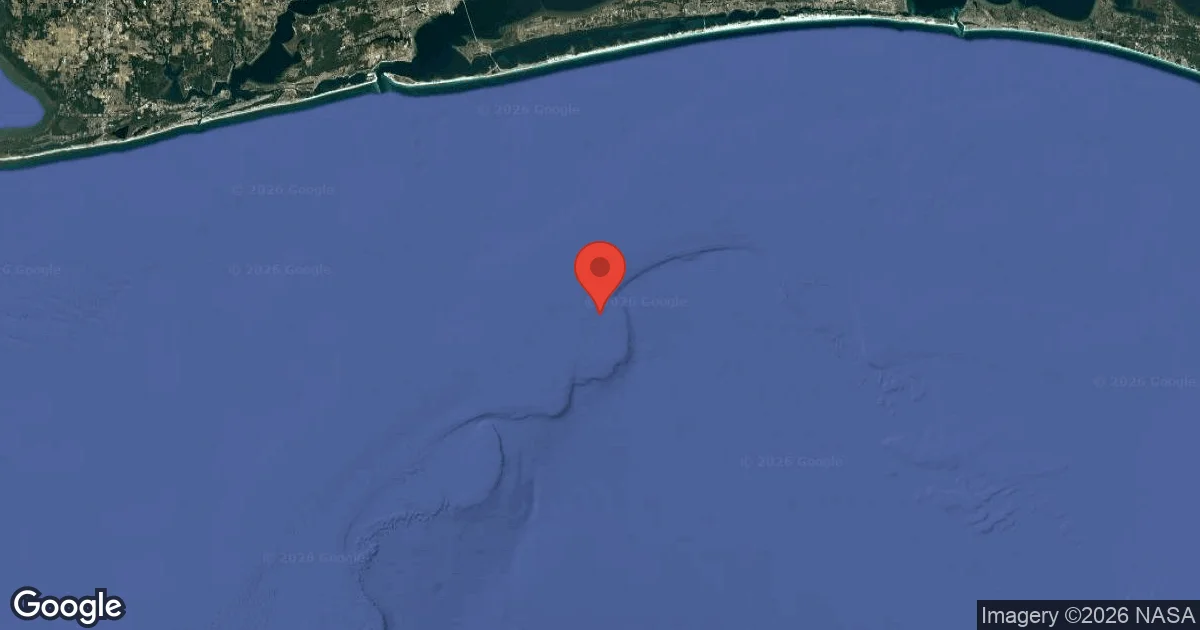
Dive Site Location & Key Facts
Dive Site Overview
NRDA Phase 3 Cell 446 functions as an integral site for marine ecosystem recovery efforts in the United States. This zone, part of a larger damage assessment and restoration program, doesn't present as a conventional recreational dive spot.
It's an area under environmental observation, following the Deepwater Horizon oil spill. Divers exploring here should anticipate open water environments or potentially subtle seafloor features directly related to restoration projects. Recreational dive depths here generally extend up to 30 m (100 ft), aligning with standard certification limits for most divers.
Air temperatures at the surface exhibit a broad seasonal range; conditions can be a cooler 13°C (56°F) in January, transitioning to a warmer 29°C (84°F) by August, which significantly impacts topside comfort and gear choices. While specific water temperature data for this exact cell is not consistently reported, broader Gulf of Mexico conditions suggest warmer underwater environments during summer months, gradually cooling into winter.
The focus here lies in observing the dynamic processes of a regenerating marine habitat, rather than traditional attractions like coral reefs or shipwrecks. It's a dive experience centered on ecological evolution.
Conditions are Excellent
07:00 - 14:00
Optimal conditions expected
Current conditions near Nrda Phase 3 Cell 446 show 30° air, 30° sea temperature, 0.5 m waves, and 24 km/h wind. Forecast data is refreshed regularly to ensure accuracy.
Best Time to Dive
Planning a dive at NRDA Phase 3 Cell 446 benefits from understanding the seasonal shifts, particularly in air temperature and rainfall. The warmer months, spanning from May through October, generally offer the best diving conditions, with average air temperatures ranging from 24°C (75°F) to 29°C (84°F). During these months, the dive score is consistently rated as 'Good,' indicating more favorable overall conditions, including lower average wave heights compared to winter. Conversely, the cooler period from November to April experiences moderate dive scores, largely due to lower air temperatures, which drop to 13°C (56°F) in January. While rainfall is present throughout the year, it averages between 2.5 mm and 4.7 mm monthly, with slightly higher tendencies in March, September, and November, which could momentarily impact surface conditions or visibility.
PEAK SEASON SCORE
Scores combine air & water temps, waves, wind & rainfall for overall conditions.
BEST MONTHS TO DIVE
Monthly records compiled from satellite and marine observation nodes over the last 3 years. Data provided by Open-Meteo and MET Norway.
Dive Experience & Conditions
Encountering NRDA Phase 3 Cell 446 can feel like venturing into a living laboratory, where natural processes are at the forefront. Without detailed local reports on underwater thermoclines, divers should prepare for varying water temperatures, which are generally influenced by the Gulf of Mexico's seasonal cycles. Surface conditions are often shaped by wind speeds that range from 23 km/h (14 mph) during peak summer to 35 km/h (22 mph) in winter, directly impacting wave heights and potentially creating a choppy ride. Depths here allow for exploration within the recreational range. This site's focus as a restoration area means the underwater landscape may feature emergent biological growth or subtle structural additions, rather than dramatic geological formations. Visibility is subject to plankton density and sediment disturbance, which can fluctuate with currents and weather patterns.
Dive Difficulty & Safety Guidelines
Approaching NRDA Phase 3 Cell 446 requires a solid understanding of general dive safety protocols, as site-specific hazards aren't extensively documented. Divers should maintain awareness of surface weather conditions, as wind speeds and wave heights can affect boat operations and entry/exit points. Given its context within Deepwater Horizon restoration, adherence to any localized environmental regulations or research zone restrictions is paramount.
Always dive with a buddy and ensure all equipment is in optimal working order. Consider the dynamic nature of open Gulf waters; tides and currents, while not consistently reported for this specific cell, can be present and necessitate careful dive planning.
Always carry appropriate surface signaling devices and ensure your dive plan is shared with relevant authorities or boat operators.
Recommended Equipment
- Dive Computer
This gear list is based on verified equipment signals for Nrda Phase 3 Cell 446, United States. Always confirm final gear choices with your dive operator, guide, or liveaboard.
Recommended Dive Suit
Thermal protection such as dive skin or rash guard is commonly used for water temperatures in this range. Consider warmer surface protection (like a boat coat) due to brisk winds.
Divers entering the water at Nrda Phase 3 Cell 446 today can expect temperatures near 30°C (86°F) beneath the surface. Surface air temperatures are resting at 30°C (86°F).
Environmental conditions may feel slightly cooler as the week progresses. Cooler days are ahead; you might want a warmer option for later in the week. Having a second exposure option available is often a good precaution.
Due to technical issues with our weather providers, live updates are temporarily delayed. The data above reflects the conditions at the time of the last successful fetch.
Emergency & Medical Support
Essential information to help you plan your dive trip to NRDA Phase 3 Cell 446.

Hyperbaric chambers are a critical part of dive safety infrastructure. Availability varies significantly by region, and not all dive areas have immediate access.
Before diving, it's recommended to:
- confirm nearest medical facilities
- check emergency procedures with local dive operators
- ensure dive insurance covers evacuation if required
Divers Alert Network
Diving emergency assistance available through DAN World.
+1-919-684-9111- 24/7 emergency hotline
- Diving medical assistance
- Evacuation coordination
Emergency contacts are provided for reference. Always verify local emergency services before diving.
Marine Life at Nrda Phase 3 Cell 446
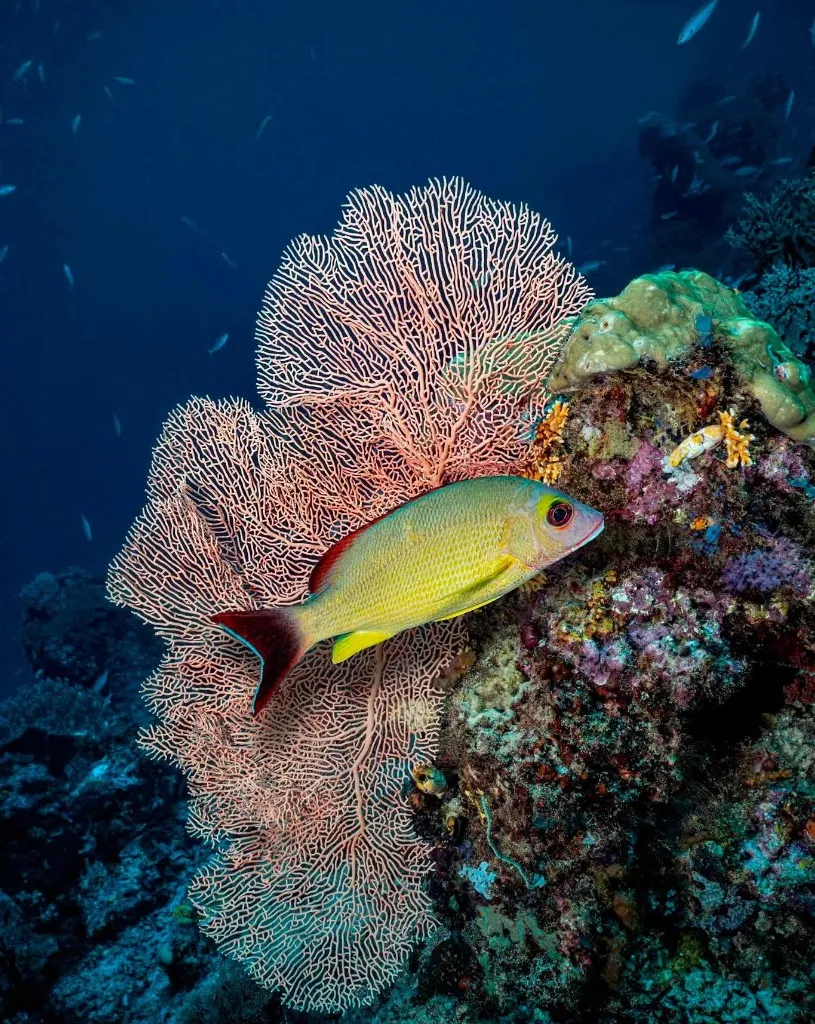
While specific marine life data for NRDA Phase 3 Cell 446 is not available, its designation as a restoration site suggests a focus on rebuilding biodiversity. Divers in similar Gulf environments frequently notice various smaller schooling fish, such as snappers or grunts, congregating around any existing structure.
Opportunistic sightings of juvenile reef fish or crustaceans are also possible, reflecting the early stages of ecosystem recovery. The absence of specific historical marine life records means each dive could offer unexpected observations of the area's evolving ecosystem.

Dive Sites Near Nrda Phase 3 Cell 446
View all dive sites in United StatesDiscover more underwater gems in this area.
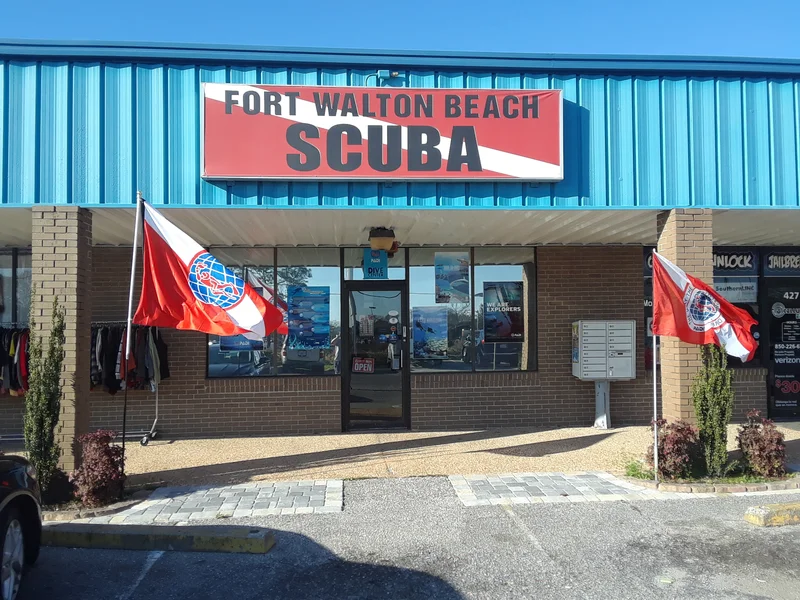
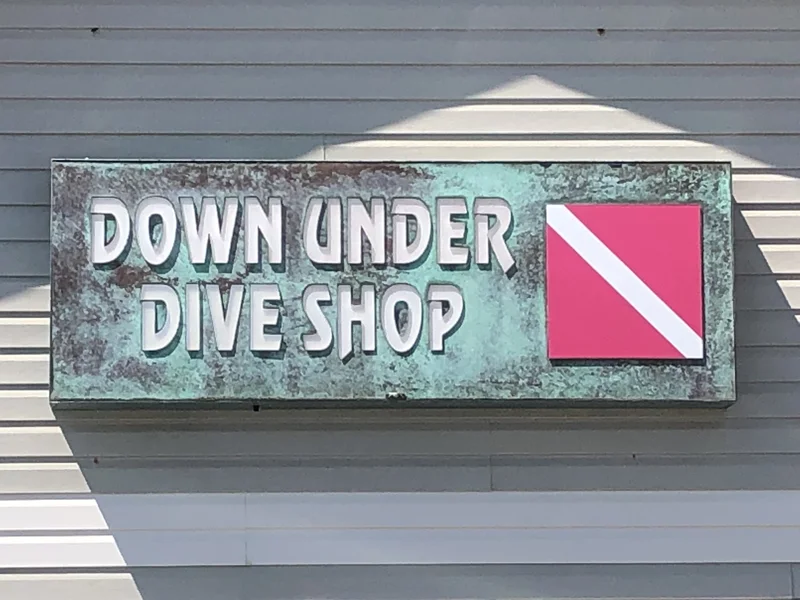
Dive Centers Near Nrda Phase 3 Cell 446
Today: 10:00 - 16:00
Nearest Airports
Nearest airports to help plan travel to this dive area.
Search Flights
Check available flights and routes on Expedia, using the nearby airports listed in this section.
Search Flights on Expedia
Plan Your Stay
Looking for a place to stay for your dive trip? Explore hotels, stays, and vacation rentals for dive groups near Gulf Breeze.
Dive Navigator may earn a commission from these links at no extra cost to you.
Frequently Asked Questions
What is the primary purpose of NRDA Phase 3 Cell 446?
This site is part of the Natural Resource Damage Assessment (NRDA) following the Deepwater Horizon oil spill. It is designated for ecological restoration and monitoring efforts, rather than being a traditional dive attraction.
Are there any specific structures or natural formations to explore?
Detailed information about specific underwater structures or natural formations at this exact cell is not available. Divers should expect an environment focused on natural recovery or subtle restoration installations, differing from typical recreational reefs.
What are the typical water temperatures at this dive site?
Water temperature for NRDA Phase 3 Cell 446 is not consistently reported. However, conditions in the broader Gulf of Mexico typically range from cooler in winter to much warmer in summer. Divers should consult current local reports.
How does seasonality affect diving conditions?
The warmer months from May to October generally offer good dive conditions, with air temperatures averaging 24-29°C (75-84°F) and lower wave heights. Cooler months, from November to April, still permit diving but may present choppier surface conditions and cooler air temperatures.
What kind of marine life can be expected?
Specific marine life at this restoration cell is not detailed. However, similar Gulf environments support various small schooling fish, crustaceans, and potentially juvenile reef species as the ecosystem recovers.
What safety considerations are important for this site?
Standard dive safety, including buddy diving and checking weather, is crucial. Additionally, divers should be aware that this is a restoration area and may have specific research or environmental regulations in place. Be prepared for potentially dynamic open water conditions.
Planning to dive Nrda Phase 3 Cell 446?
Send one inquiry and receive offers directly from the best verified local dive operators.
Conditions are Excellent
07:00 - 14:00
Optimal conditions expected
Current conditions near Nrda Phase 3 Cell 446 show 30° air, 30° sea temperature, 0.5 m waves, and 24 km/h wind. Forecast data is refreshed regularly to ensure accuracy.