
Diving at Panaud (United States)
Panaud, located in the dynamic Florida Panhandle, stands out as a focal point for wreck diving enthusiasts. This region is actively expanding its artificial reef programs, making it a rapidly developing destination for underwater exploration. Divers here can expect a varied experience, from shallower reef areas to deeper, historically significant wrecks. It's a prime location for those seeking diverse underwater structures.
As evening covers Panaud, the local air temperature is measured at 16°C. The current wave height at the surface is recorded at 0.9 m. These late-day readings characterize the surface conditions for the night.
Dive Site Location & Key Facts
Dive Site Overview
Understanding the area's extensive history of artificial reef deployment is key to appreciating its diverse diving opportunities. Over the years, numerous vessels, such as the Pete Tide II barge and the Avocet dredge, have been intentionally sunk, transforming barren seabeds into thriving marine habitats.
This deliberate program has made the Florida Panhandle a particularly notable region, hosting over 40 wrecks that attract divers with their unique underwater landscapes. While specific sites within Panaud itself often feature shallower reef and cavern dives with a maximum depth of 7 meters (24 ft), offering accessible experiences for newer divers, the broader area presents more advanced explorations. For instance, formidable wrecks like the USS Oriskany, a massive aircraft carrier, descend to depths of 64 m (212 ft), with its flight deck found at 45 m (146 ft).
These substantial structures provide a compelling historical context to the dives, creating a distinct feeling of accessing a unique time and place underwater. Exploring these sites reveals both the natural evolution of ecosystems and the significant human impact on the marine environment, providing a dynamic experience for various skill levels. Expect a mix of structure, history, and vibrant, if sometimes challenging, conditions.
Conditions are Moderate
Optimal conditions expected
Current conditions near Panaud show 16° air, 22° sea temperature, 1.4 m waves, and 37 km/h wind. Forecast data is refreshed regularly to ensure accuracy.
Best Time to Dive
Planning your dive around the seasonal conditions significantly enhances the Panaud experience. The most favorable months for diving typically fall between May and August, when dive scores are rated moderate. During this period, average air temperatures range from 11°C (52°F) in May to 22°C (72°F) in July, making surface intervals more comfortable. Wave heights also tend to be lower, averaging between 1.4 m to 1.7 m (4.5 ft to 5.6 ft), which can ease boat entries and exits. While rain activity remains consistent, winds generally decrease, contributing to calmer seas. Divers should be prepared for varying visibility during these months.
PEAK SEASON SCORE
Scores combine air & water temps, waves, wind & rainfall for overall conditions.
BEST MONTHS TO DIVE
Monthly records compiled from satellite and marine observation nodes over the last 3 years. Data provided by Open-Meteo and MET Norway.
Dive Experience & Conditions
Underwater, the depth profile varies significantly across the region, from shallower reef and cavern systems to profound wreck sites. Specific Panaud dive locations are reported to have a maximum depth suitable for many recreational certifications, offering accessible experiences for a wide range of divers. However, in the wider Panhandle region, dive computers often record a temperature drop, from surface temperatures around 25.5°C (78°F) to cooler waters near 20°C (68°F) at deeper sections, especially on larger wrecks. This thermocline can be pronounced. Visibility can sometimes be challenging, described as murky or 'pea-green,' requiring divers to maintain excellent buoyancy control and navigation skills. Swell can also pose difficulties for shore entries and exits, making pre-dive checks with local dive shops always advisable. Operators provide current insights into wave action and underwater clarity for safer planning.
Dive Difficulty & Safety Guidelines
Ensuring a safe dive in this region involves proactive planning and situational awareness. Always consult local dive shops for current swell and weather conditions, as strong waves can complicate entries and exits, particularly from shore. Maintaining spatial awareness is crucial, especially when sharing dive boats with spearfishers; avoid getting too close to individuals carrying pole spears.
Contingency planning for weather-related dive cancellations is also a wise practice; having backup activities like exploring local springs or maritime museums can salvage a day. Prepare for potential longer boat rides and the possibility of live boating on some excursions.
Recommended Equipment
- Dive Computer
This gear list is based on verified equipment signals for Panaud, United States. Always confirm final gear choices with your dive operator, guide, or liveaboard.
Recommended Dive Suit
Experienced divers often bring flexible gear options.
Divers exploring Panaud today will likely encounter water temperatures close to 22°C (71°F). Surface air temperatures are resting at 16°C (61°F). Divers who spend longer periods underwater often choose 3-5mm wetsuit. A thermal robe or jacket is recommended between dives.
A warming trend is expected over the next few days. A warming trend is expected over the next few days.
Due to technical issues with our weather providers, data hasn't been fetched for over 48 hours. The data above reflects the conditions at the time of the last successful fetch.
Emergency & Medical Support
Essential information to help you plan your dive trip to Panaud.

Hyperbaric chambers are a critical part of dive safety infrastructure. Availability varies significantly by region, and not all dive areas have immediate access.
Before diving, it's recommended to:
- confirm nearest medical facilities
- check emergency procedures with local dive operators
- ensure dive insurance covers evacuation if required
Divers Alert Network
Diving emergency assistance available through DAN World.
+1-919-684-9111- 24/7 emergency hotline
- Diving medical assistance
- Evacuation coordination
Emergency contacts are provided for reference. Always verify local emergency services before diving.
Marine Life at Panaud
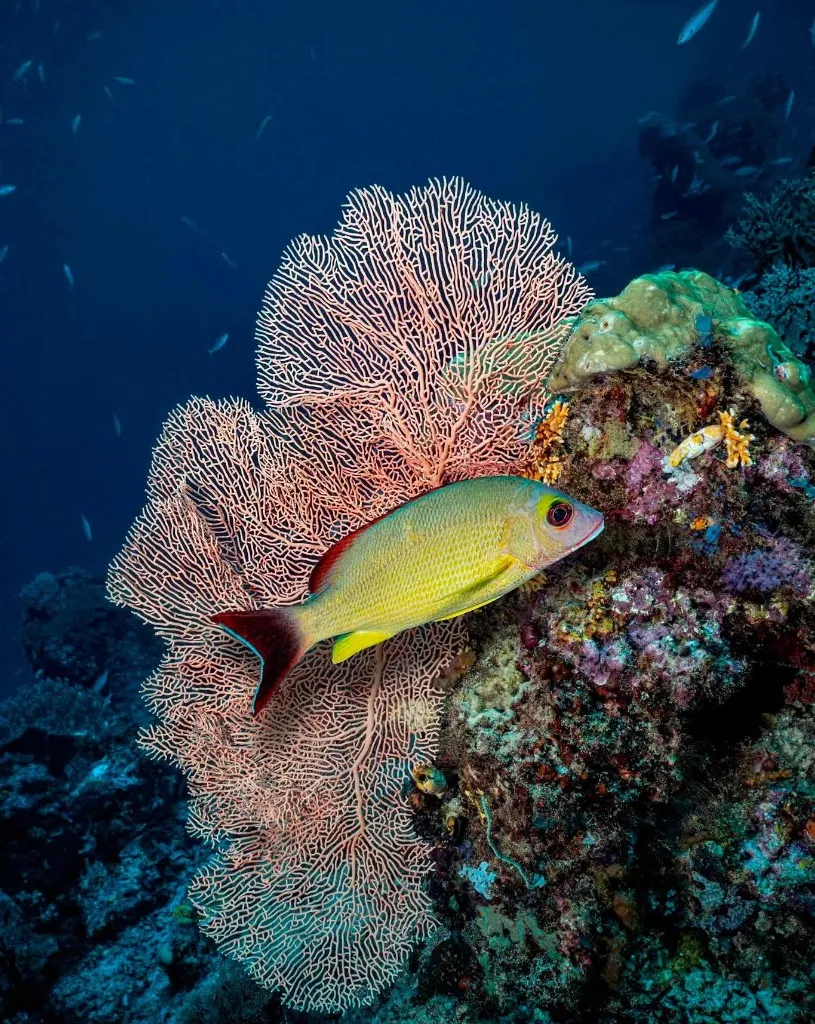
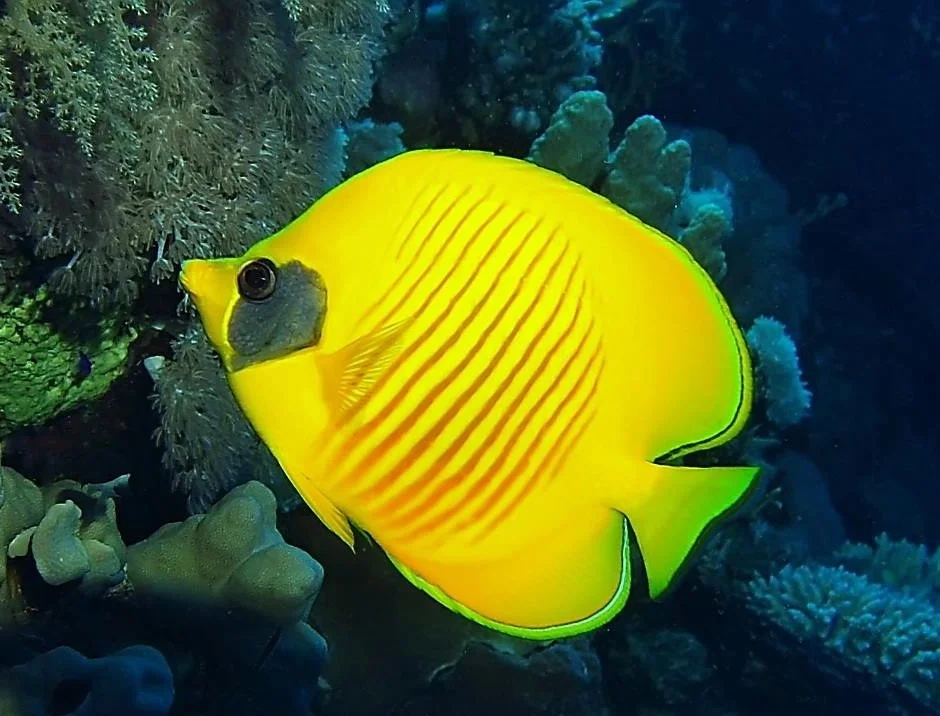
Encounters with marine life often begin around the numerous artificial reefs, which act as magnets for a variety of species. Wrecks like the Pete Tide II are frequently covered in snapper, butterflyfish, and triggerfish.
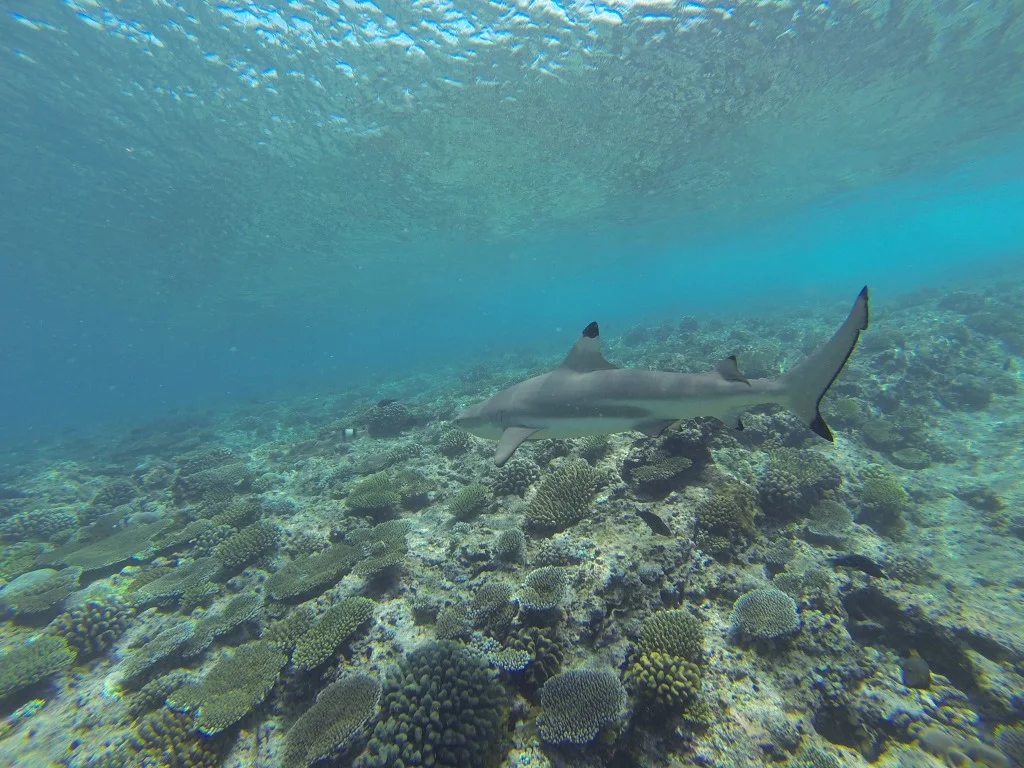
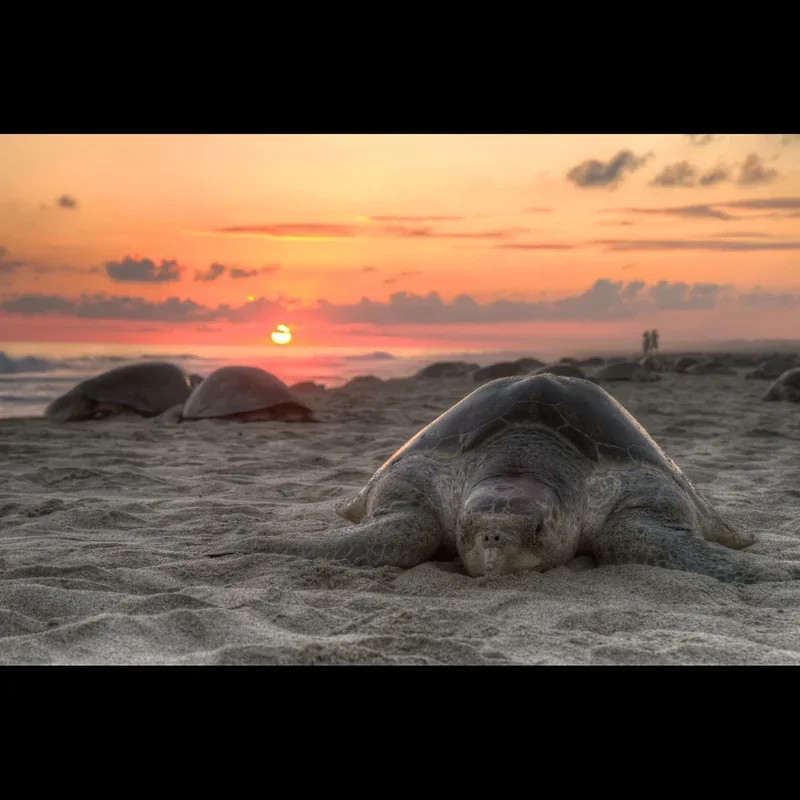
Goliath groupers can be observed hovering near these structures, seemingly undisturbed by divers. Common sightings across the region include sharks, whales, dolphins, and sea turtles.
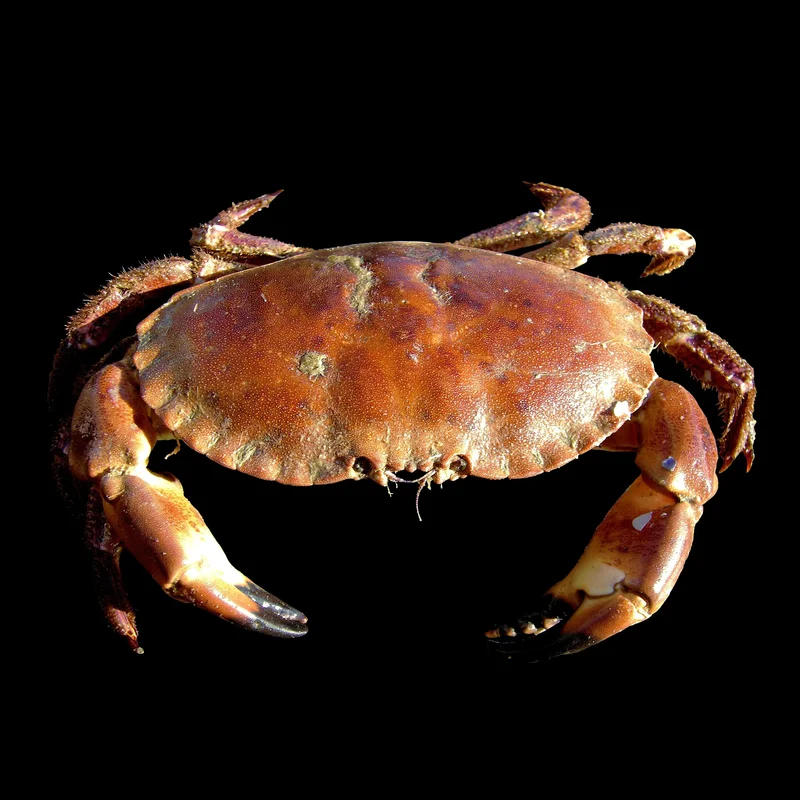
Even smaller macro life, such as arrow crabs, giant barnacles, algae, and urchins, thrive on the introduced structures, painting a vibrant picture of an active ecosystem.
Dive Centers Near Panaud
No Dive Centers Local To Panaud
Are you a dive center visiting this location? Get listed to reach divers.
Nearest Airports
Nearest airports to help plan travel to this dive area.
Search Flights
Check available flights and routes on Expedia, using the nearby airports listed in this section.
Search Flights on ExpediaFrequently Asked Questions
What types of dive sites can I expect in Panaud and the surrounding area?
Panaud's diving opportunities are predominantly shaped by numerous artificial reefs, including intentionally sunk vessels. While specific Panaud sites feature shallower reef and cavern dives down to 7 m (24 ft), the broader Florida Panhandle hosts over 40 wrecks. Deeper explorations, such as the USS Oriskany, can extend to significant depths, with its flight deck typically around 45 meters. These diverse sites cater to various certification levels.
What are the optimal months for diving in this region?
For the most favorable conditions, plan your dives between May and August, when dive scores are typically moderate. During these months, average air temperatures range from 11°C (52°F) to 22°C (72°F), making surface intervals more comfortable. Wave heights also tend to be lower, generally between 1.4 m to 1.7 m (4.5 ft to 5.6 ft), which assists with boat entries.
Can you describe the typical underwater conditions, including water temperature and visibility?
Underwater temperatures can vary significantly; while surface waters might be around 25.5°C (78°F), deeper sections, especially on wrecks, often drop to 20°C (68°F). Visibility in the region is not consistently reported as clear, sometimes described as murky or 'pea-green.' Maintaining excellent buoyancy control becomes important under these conditions.
What safety precautions are important for diving in Panaud?
Always consult local dive shops for current swell and weather conditions, as strong waves can complicate shore entries and exits. Maintaining spatial awareness is crucial when diving from shared boats, particularly with spearfishers, to avoid close proximity to pole spears. Additionally, planning for potential weather-related cancellations by having alternative activities, such as exploring local springs, can be beneficial.
What kind of marine life can divers expect to see?
Artificial reefs and wrecks serve as magnets for various species, with sites like the Pete Tide II frequently hosting snapper, butterflyfish, and triggerfish. Goliath groupers are often observed near these structures, seemingly unfazed by divers. Common sightings across the region also include sharks, whales, dolphins, and sea turtles, along with macro life like arrow crabs and giant barnacles.
What specialized equipment is recommended for diving here?
Given the potential for cooler waters, even in warmer months, a 5mm wetsuit is often recommended for thermal comfort during dives. Essential safety gear includes a dive computer, a dive flag, and a dive knife, which are critical for navigation and emergencies in varied underwater settings. These items contribute significantly to a safe and enjoyable dive experience.
Planning to dive Panaud?
Send one inquiry and receive offers directly from the best verified local dive operators.
Conditions are Moderate
Optimal conditions expected
Current conditions near Panaud show 16° air, 22° sea temperature, 1.4 m waves, and 37 km/h wind. Forecast data is refreshed regularly to ensure accuracy.