
Diving at PG (United States)
Diving conditions across the United States are as varied as its geography, with air temperatures for PG typically ranging from a cooler 13.5°C (56°F) in winter to a warm 27.5°C (82°F) in summer. Wave heights generally stay below 1.3 meters (4.3 ft), and winds typically range from 26 to 33 km/h (16-20 mph). Rainfall remains relatively low throughout the year, suggesting generally favorable atmospheric conditions for dive planning.
As evening covers PG, the local air temperature is measured at 28°C. The current wave height at the surface is recorded at 1.4 m. These late-day readings characterize the surface conditions for the night.
Dive Site Location & Key Facts
Dive Site Overview
Exploring the underwater realm across the United States opens up a vast spectrum of experiences, from historic shipwrecks to vibrant coral reefs and unique cold-water ecosystems. On the East Coast, regions like North Carolina’s 'Graveyard of the Atlantic' present numerous sunken vessels, creating artificial habitats for diverse marine species.
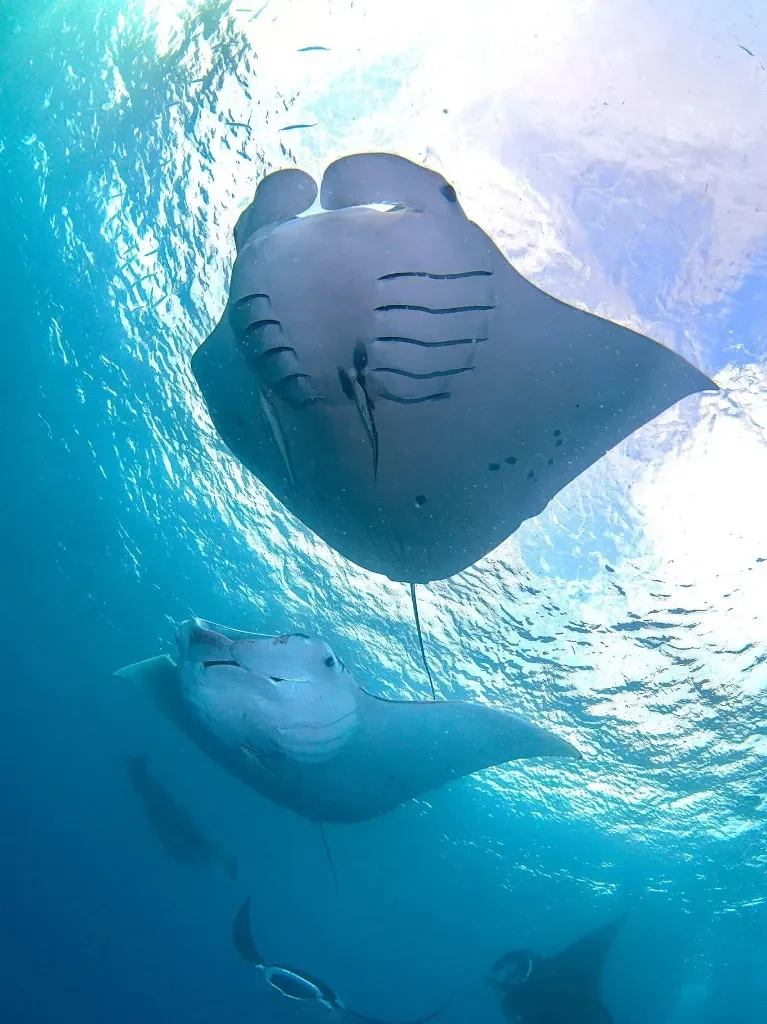
Michigan’s Thunder Bay National Marine Sanctuary, often called 'Shipwreck Alley,' offers remarkably clear waters for exploring well-preserved maritime history. Meanwhile, the Florida Keys boast the third-largest living barrier reef in the world, alongside dedicated wreck treks with intentionally sunk ships like the Spiegel Grove. In the Pacific, Hawaii provides everything from night dives with massive manta rays in Kona to historical wreck sites off Oahu and the untouched beauty of Niihau, home to rarer species.
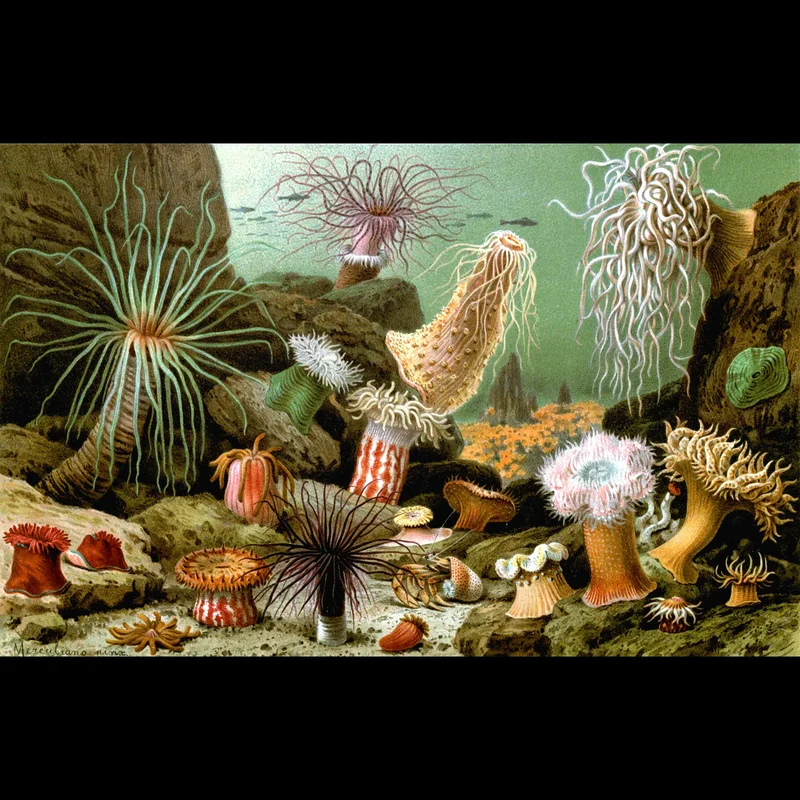
Cooler water environments, such as those found in Puget Sound, challenge divers with nutrient-rich waters supporting giant Pacific octopuses and colorful anemones. Across these diverse sites, water temperatures and visibility can vary significantly, requiring adaptable dive planning and equipment.
Conditions are Good
Optimal conditions expected
Current conditions near PG show 28° air, 29° sea temperature, 1.0 m waves, and 30 km/h wind. Forecast data is refreshed regularly to ensure accuracy.
Best Time to Dive
Planning your dive in the United States often hinges on balancing regional variations with local climate. For PG, average air temperatures are comfortable from January through August and again in November, when dive scores are typically 'Good.' January sees average air temperatures around 13.5°C (56°F), gradually warming to a high of 27.5°C (82°F) in August. Rainfall is consistently low, usually averaging under 7mm (0.3 inches) per month, which generally contributes to favorable surface conditions. However, dive scores shift to 'Moderate' in September, October, and December, often coinciding with slightly higher wave activity and rainfall. While these months might present more dynamic conditions for PG, generally across the US, the summer and early fall, from June to September, offer the warmest water temperatures and best visibility in many popular dive destinations.
PEAK SEASON SCORE
Scores combine air & water temps, waves, wind & rainfall for overall conditions.
BEST MONTHS TO DIVE
Monthly records compiled from satellite and marine observation nodes over the last 3 years. Data provided by Open-Meteo and MET Norway.
Dive Experience & Conditions
Diving in the United States offers a broad range of underwater topography and conditions, with depths typically adhering to recreational limits, often reaching 30 m (100 ft) or slightly deeper at specific wreck sites. Water temperatures are not consistently reported for PG, but they vary dramatically across the country. Divers in Northern regions, such as Puget Sound, routinely encounter cool conditions, with water temperatures ranging from the mid-40s to low 50s Fahrenheit (approx. 7-12°C), necessitating dry suit use. Conversely, warmer regions like the Florida Keys offer significantly milder waters. Visibility varies from excellent, such as the clear waters found in Michigan’s Thunder Bay, to more variable or murky conditions influenced by currents and sediment in other coastal areas. Some locations, including parts of North Carolina, can present strong ocean currents, adding an element of challenge to the experience. Exploring shallower sections of reefs contrasts sharply with venturing into deeper wrecks, each demanding different skill sets.
Dive Difficulty & Safety Guidelines
Approaching diving in the United States demands careful consideration of the diverse conditions encountered across different regions. Preparing for potential challenges such as colder water, strong currents, or variable visibility is prudent. Diving in cold water environments often necessitates specialized training and equipment, including dry suits, to ensure comfort and safety.
When exploring historical wrecks, maintaining proper buoyancy is critical, not only for personal safety but also for the preservation of these fragile sites. Always dive within your certification limits and with a buddy; this fundamental guideline remains paramount regardless of the site.
Checking local conditions, including currents and weather forecasts, is a vital step before entering the water. Divers should always prioritize safe practices and environmental respect.
Recommended Equipment
- Dive Computer
This gear list is based on verified equipment signals for PG, United States. Always confirm final gear choices with your dive operator, guide, or liveaboard.
Recommended Dive Suit
Dive skin or rash guard is frequently recommended by dive operators for conditions like these. Strong winds are present; please take strong precautions against rapid cooling during surface intervals. Those diving at PG today will likely encounter water temperatures in the region of 29°C (84°F). Surface air temperatures are resting at 28°C (82°F).
Forecast conditions over the next few days suggest temperatures will remain relatively stable.
Even small thermoclines can occasionally cause noticeable changes in water temperature.
Due to technical issues with our weather providers, live updates are temporarily delayed. The data above reflects the conditions at the time of the last successful fetch.
Emergency & Medical Support
Essential information to help you plan your dive trip to PG.

Hyperbaric chambers are a critical part of dive safety infrastructure. Availability varies significantly by region, and not all dive areas have immediate access.
Before diving, it's recommended to:
- confirm nearest medical facilities
- check emergency procedures with local dive operators
- ensure dive insurance covers evacuation if required
Divers Alert Network
Diving emergency assistance available through DAN World.
+1-919-684-9111- 24/7 emergency hotline
- Diving medical assistance
- Evacuation coordination
Emergency contacts are provided for reference. Always verify local emergency services before diving.
Marine Life at PG
The waters surrounding the United States support an impressive array of marine life, reflecting the country's diverse ecosystems. In cooler Pacific Northwest waters, divers may encounter the elusive giant Pacific octopus alongside vibrant sea stars and colorful anemones.
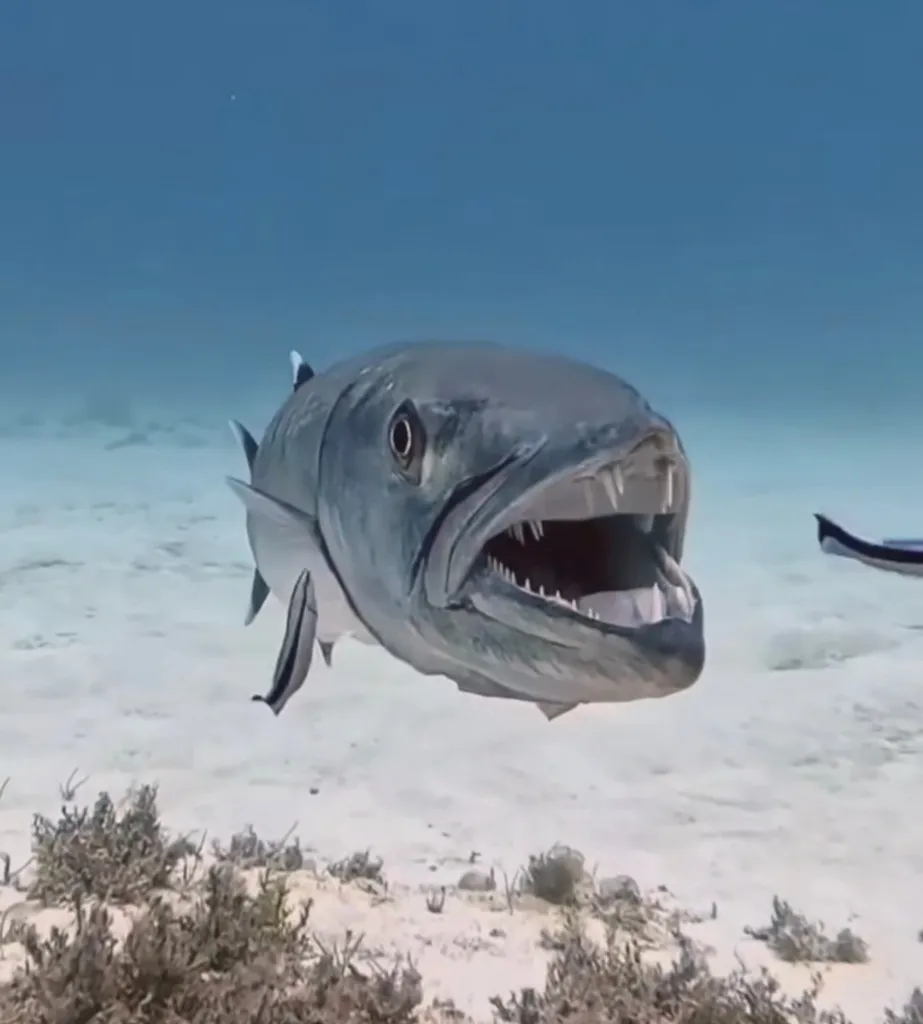
Warmer Atlantic wreck sites, such as those off North Carolina, often host sand tiger sharks, barracudas, and schools of various fish species. Hawaii’s unique environment provides opportunities for night dives with enormous manta rays.
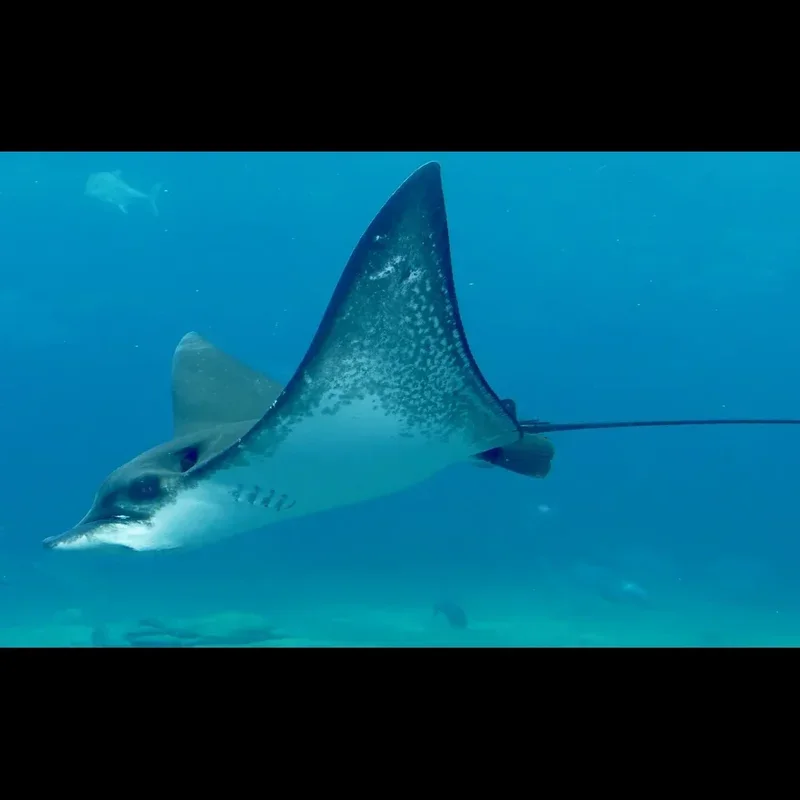
In more secluded Hawaiian regions, sightings of rarer monk seals and eagle rays are possible. Throughout the Florida Keys, healthy coral reef systems shelter a kaleidoscope of tropical fish.

Dive Centers Near PG
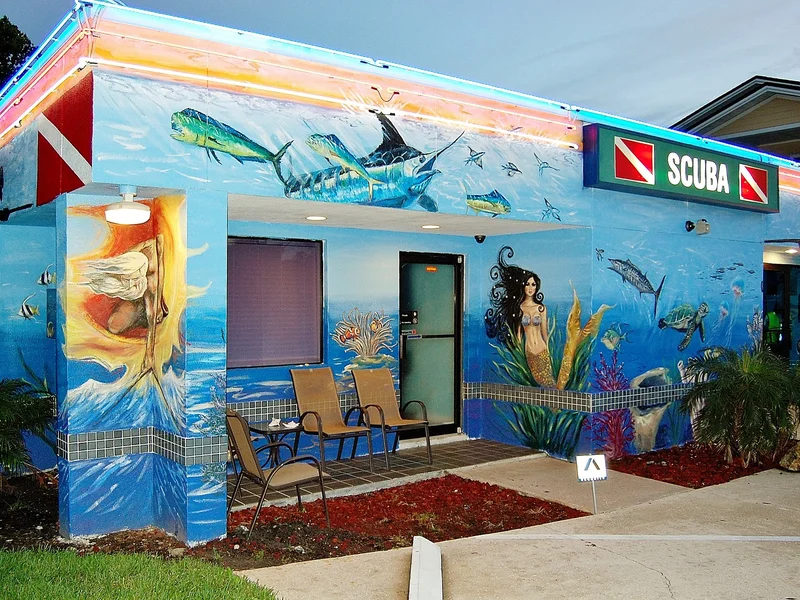
Today: 10:00 - 18:30
Nearest Airports
Nearest airports to help plan travel to this dive area.
Search Flights
Check available flights and routes on Expedia, using the nearby airports listed in this section.
Search Flights on ExpediaFrequently Asked Questions
What are the typical water temperatures for diving in the United States?
Water temperatures in the United States vary significantly by region and season. While specific data for PG is not consistently reported, regions like Puget Sound can be cool, often ranging from 7-12°C (mid-40s to low 50s F). Warmer areas, such as the Florida Keys, experience considerably milder conditions, reflecting their subtropical climate.
Are there many wreck diving opportunities in the US?
Yes, the US offers extensive wreck diving. Noteworthy areas include North Carolina's 'Graveyard of the Atlantic,' Michigan's 'Shipwreck Alley' (Thunder Bay National Marine Sanctuary), and dedicated wreck treks in the Florida Keys. Hawaii also features numerous historical wreck sites.
Is cold water diving common in the US?
Cold water diving is prevalent in many US regions, particularly along the Pacific Northwest coast like Puget Sound, and in areas of the Great Lakes. These sites offer unique ecosystems but require specialized gear such as dry suits for comfort and safety due to consistently cool water temperatures.
What marine life can I expect to see?
Marine life sightings are diverse across the US. Cold-water sites might reveal giant Pacific octopuses and vibrant anemones. Warmer wreck sites can attract sand tiger sharks, barracudas, and schooling fish. Hawaii is known for manta rays on night dives, and the Florida Keys for tropical reef fish.
What is the best time of year to dive in the US generally?
Generally, the summer and early fall months, from June to September, are often considered ideal for diving across many US regions due to milder weather and warmer water temperatures. However, specific conditions for PG show 'Good' dive scores throughout the year, with 'Moderate' periods in late fall and early winter.
What certifications are recommended for diving in the United States?
An Open Water Diver certification is sufficient for many sites. For deeper wrecks, stronger currents, or cold-water environments, an Advanced Open Water certification and relevant specialties like Deep Diver or Dry Suit Diver are highly recommended. Always align your experience and training with site conditions.
Is shore diving available?
Yes, many areas across the United States offer shore diving opportunities. Regions like Puget Sound in Washington, for instance, are noted for having a significant number of accessible shore dive sites. Always check local regulations and conditions before attempting a shore dive.
Planning to dive PG?
Send one inquiry and receive offers directly from the best verified local dive operators.
Conditions are Good
Optimal conditions expected
Current conditions near PG show 28° air, 29° sea temperature, 1.0 m waves, and 30 km/h wind. Forecast data is refreshed regularly to ensure accuracy.