
Diving at Pinellas II (United States)
Divers approaching Pinellas II should note its classification as an advanced dive site, primarily due to its depth and the complexity of the wrecks. The site features the sunken USCG Blackthorn, a tug Sheridan, and an additional steel barge, all presenting potential overhead environments. Adequate training and experience are crucial for safe exploration.
Evening condition tracking at Pinellas II features an air temperature of 28°C. We have recorded wave heights measuring 0.5 m during this period. These figures outline the environmental parameters currently present.
Dive Site Location & Key Facts
Dive Site Overview
Pinellas II, an integral part of Pinellas County's extensive artificial reef program, holds a notable place in Florida's dive history. It was specifically designed to enhance marine habitats and recreational diving opportunities.
At its core lies the USCG Blackthorn, a 180-foot (55 meters) long ship purposely sunk in 1980, creating a significant wreck for divers to explore. In addition to the Blackthorn, the site incorporates the tug Sheridan and another steel barge, contributing to a diverse underwater landscape. These structures form an artificial reef at a maximum depth of 80 feet (24 meters).
Pinellas County has implemented numerous such reefs, building them from clean, inert debris like concrete and steel since 1975, with over 50,000 tons of material placed to date. Such efforts provide valuable underwater habitats, attracting a variety of marine life and improving local diving experiences.
This ongoing program demonstrates a long-term strategy to foster healthy marine ecosystems within accessible diving ranges.
Conditions are Good
Optimal conditions expected
Current conditions near Pinellas II show 28° air, 31° sea temperature, 0.5 m waves, and 28 km/h wind. Forecast data is refreshed regularly to ensure accuracy.
Best Time to Dive
Assessing the regional climate data provides a clear picture for planning a dive at Pinellas II. While diving is possible all year round, the surface water temperature averages around 26°C (80°F) throughout the year, with annual averages ranging from 25°C to 29°C (78°F to 85°F). Cooler air temperatures are observed in January, averaging 15.5°C (60°F), making it the coldest month, while July is typically the warmest with air temperatures around 29°C (84°F). Dive scores indicate good conditions are frequent from February to September and in November and December. Rain can be a factor, particularly in August, which sees the highest average rainfall at 7.99 mm (0.31 inches). For optimal conditions, periods with lower wave heights and lighter winds, such as July with an average wave height of 0.5 meters (1.6 feet) and wind speeds of 19.75 km/h (12.27 mph), often present favorable opportunities.
PEAK SEASON SCORE
Scores combine air & water temps, waves, wind & rainfall for overall conditions.
BEST MONTHS TO DIVE
Monthly records compiled from satellite and marine observation nodes over the last 3 years. Data provided by Open-Meteo and MET Norway.
Dive Experience & Conditions
Submerging at Pinellas II, divers often encounter visibility between 6 and 30 meters (20 to 100 feet), which can vary significantly depending on current conditions. Primary structures, including the USCG Blackthorn, lie in depths ranging from 65 to 80 feet (19-24 meters). This depth range means divers should be comfortable with deeper recreational limits and potentially cooler temperatures at the bottom compared to the surface. Water movement can also play a role; average wave heights are typically below 1 meter (3.3 feet) for much of the year, though they can increase, particularly in winter months like January and October. Navigating the wrecks requires good buoyancy control and awareness of potential entanglement hazards. Its complex structures offer numerous nooks and crannies to explore, making for an engaging dive experience.
Dive Difficulty & Safety Guidelines
This dive site is classified as an advanced dive, necessitating appropriate certification and experience for safe exploration. Divers should never enter the water without checking with local Pinellas Park dive centers for current safety information and site-specific updates. It's imperative to always be accompanied by a professional, especially when venturing into deeper sections or around wreck penetration points.
The guidance provided here is purely informative; it shouldn't replace detailed planning with a local dive operator. Understanding personal limits and equipment functionality before a dive is critical.
Given the site's nature, divers should be proficient in wreck diving techniques and emergency procedures.
Recommended Equipment
- Dive Computer
This gear list is based on verified equipment signals for Pinellas II, United States. Always confirm final gear choices with your dive operator, guide, or liveaboard.
Recommended Dive Suit
Dive skin or rash guard usually provides adequate warmth in water around this temperature. A hood or vest is suggested for sensitive divers due to surface winds. For divers entering the water at Pinellas II, temperatures are currently hovering around 31°C (87°F). Surface air temperatures are resting at 28°C (83°F).
Weather models currently point toward consistent diving conditions over the next several days.
Conditions can vary slightly across different parts of the same dive site.
Emergency & Medical Support
Essential information to help you plan your dive trip to Pinellas II.

Hyperbaric chambers are a critical part of dive safety infrastructure. Availability varies significantly by region, and not all dive areas have immediate access.
Before diving, it's recommended to:
- confirm nearest medical facilities
- check emergency procedures with local dive operators
- ensure dive insurance covers evacuation if required
Divers Alert Network
Diving emergency assistance available through DAN World.
+1-919-684-9111- 24/7 emergency hotline
- Diving medical assistance
- Evacuation coordination
Emergency contacts are provided for reference. Always verify local emergency services before diving.
Marine Life at Pinellas II
The complex structure of Pinellas II's artificial reef system acts as an anchor for a diverse array of marine species. Exploring the wreck of the USCG Blackthorn and the accompanying barges reveals habitats for resident fish.
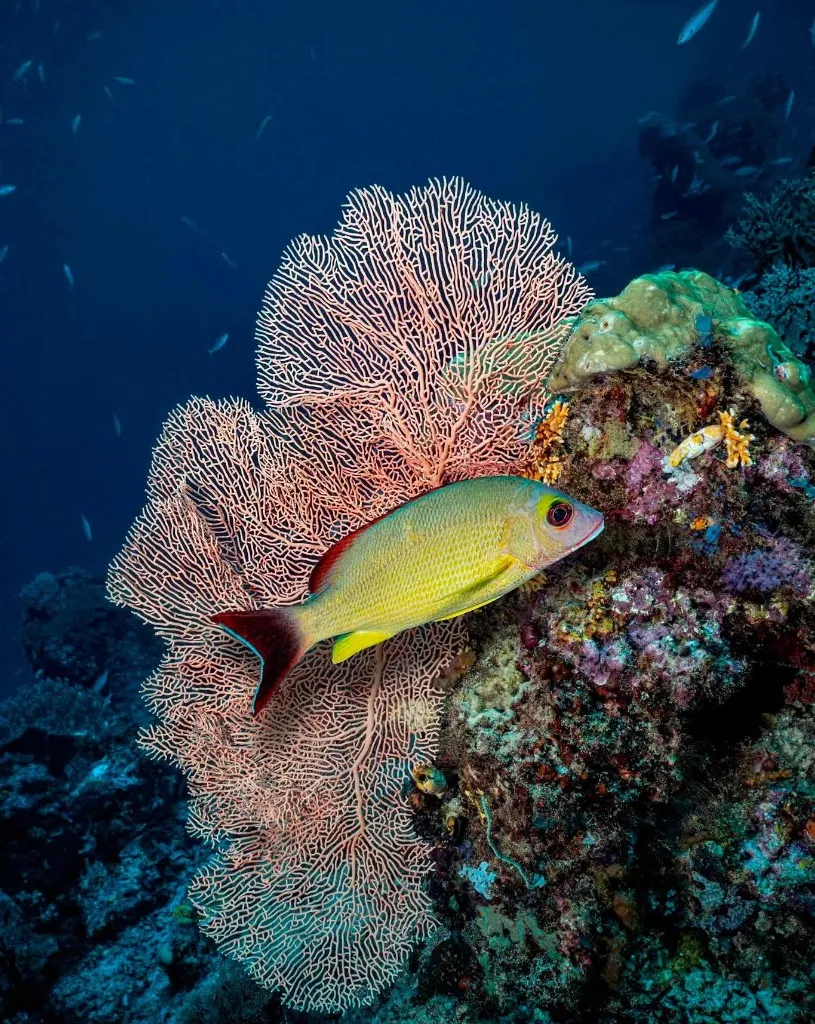
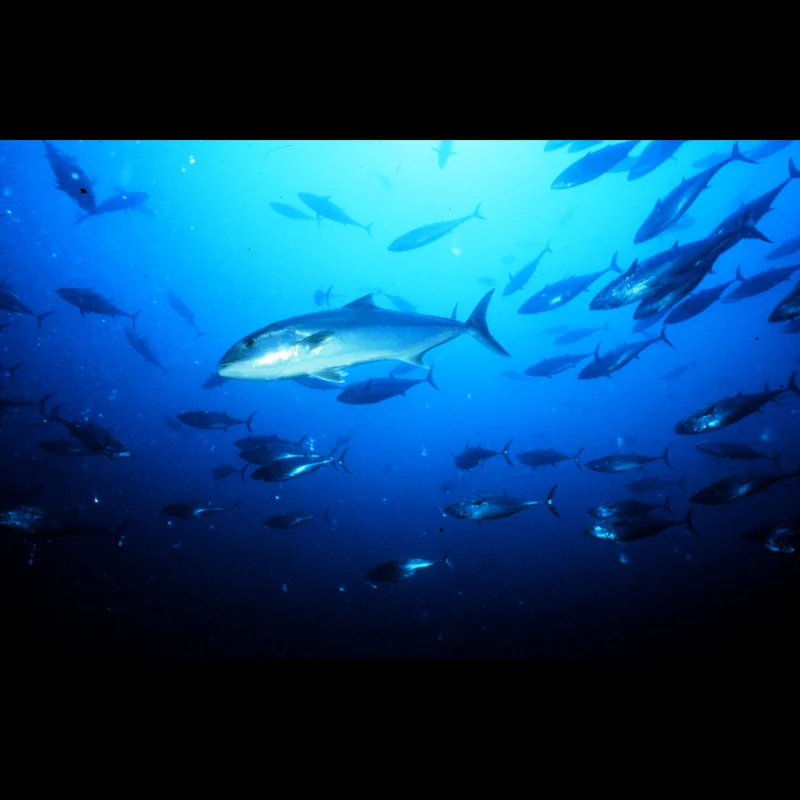
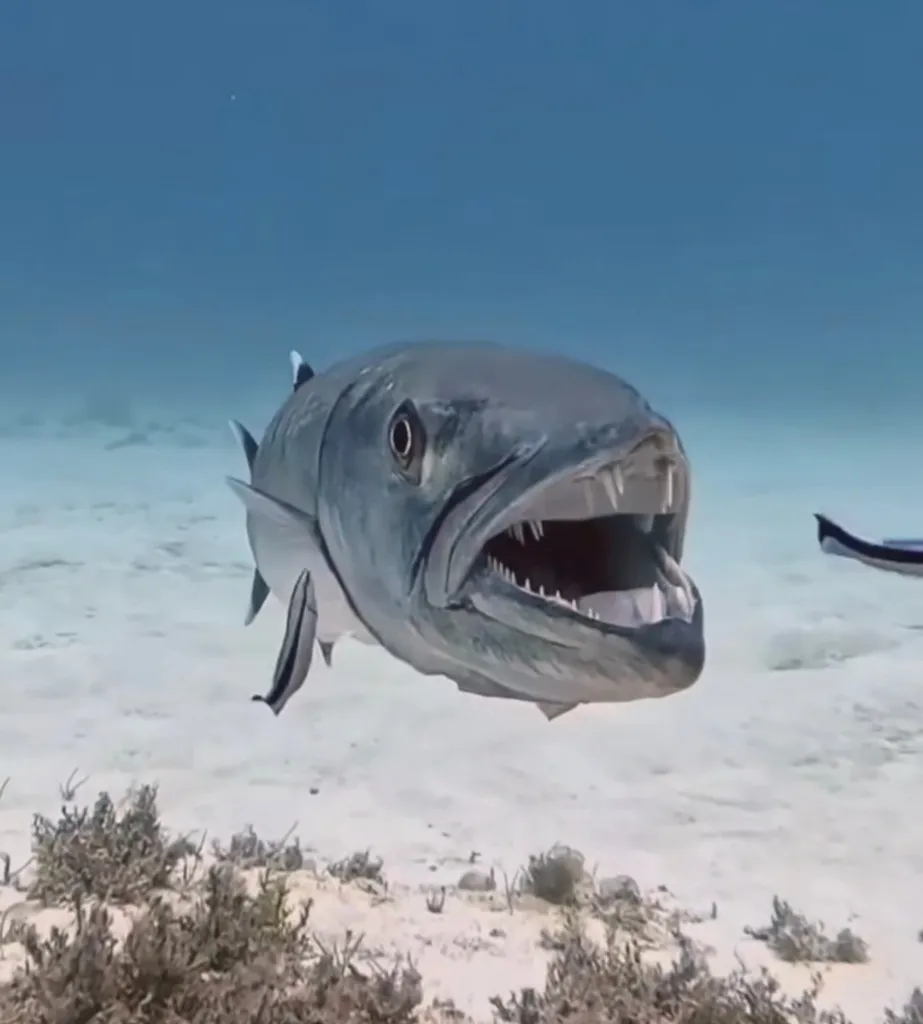
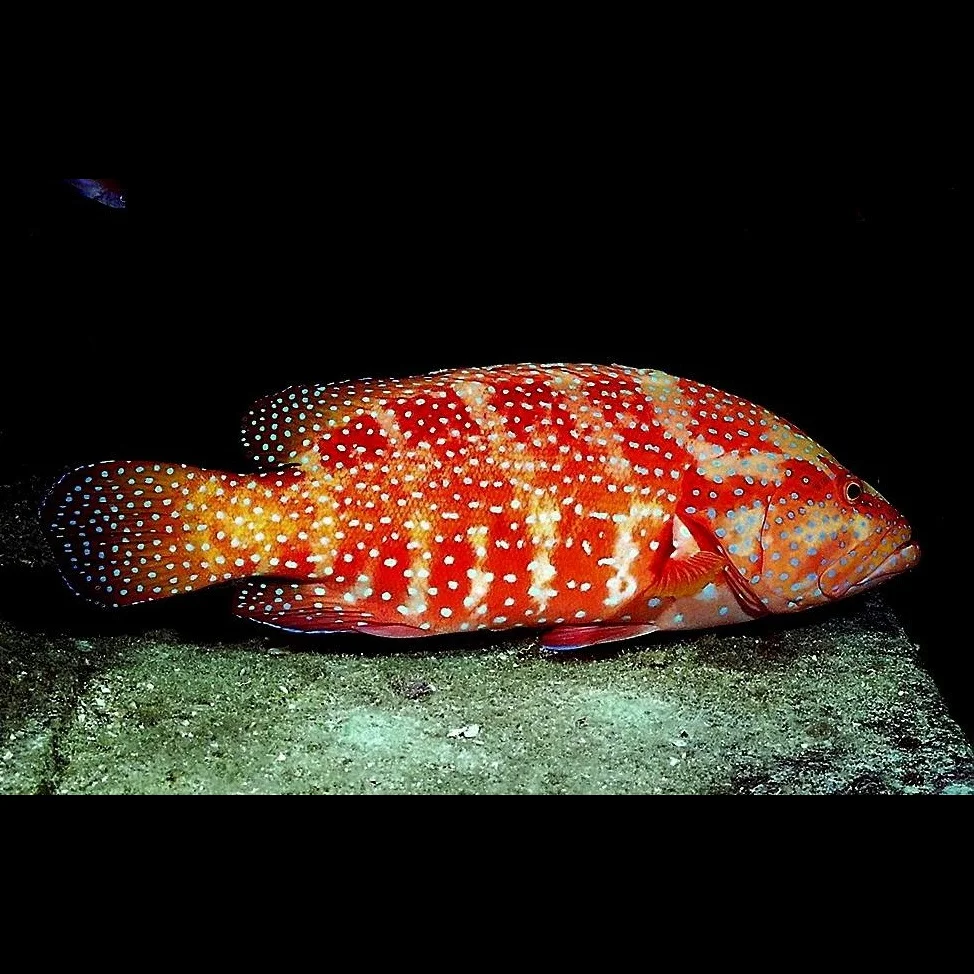
Divers commonly spot grouper, snapper, and amberjack throughout the site. Spanish mackerel, triggerfish, and barracuda are also frequently observed patrolling the area.
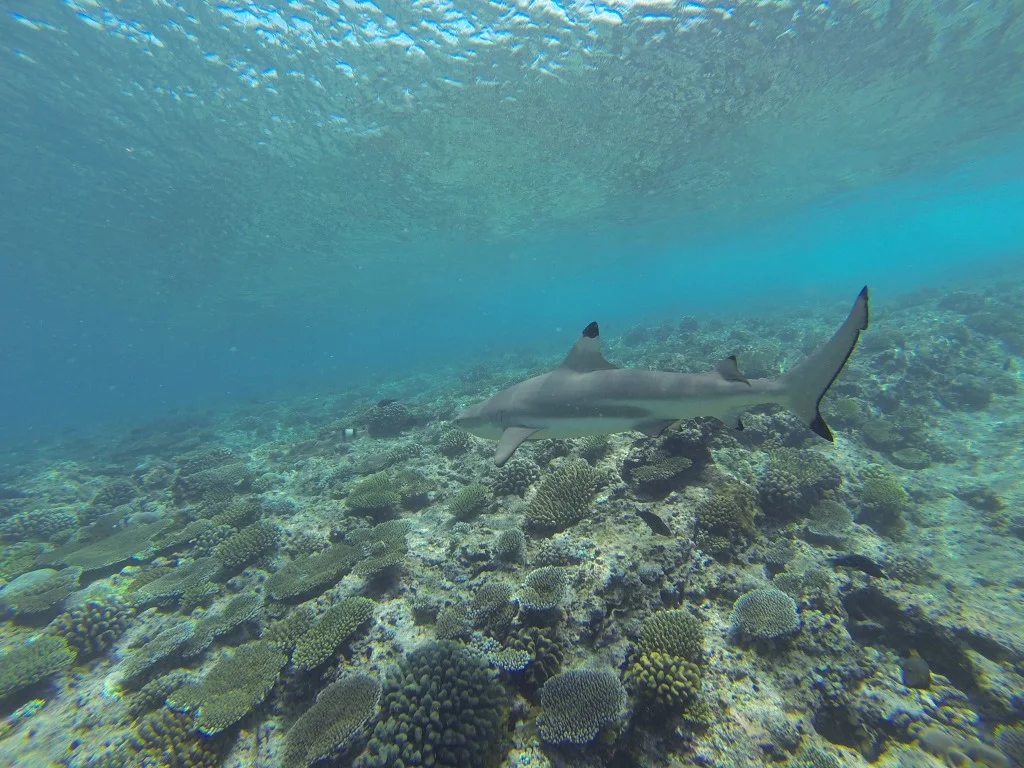
On occasion, crevelle jack and various shark species are known to frequent the wreck depths. The transformation of these sunken vessels into thriving ecosystems offers consistent opportunities for observing coastal marine life.
Dive Centers Near Pinellas II
Today: 11:00 - 19:00
Nearest Airports
Nearest airports to help plan travel to this dive area.
Search Flights
Check available flights and routes on Expedia, using the nearby airports listed in this section.
Search Flights on ExpediaFrequently Asked Questions
What level of diving certification is required for Pinellas II?
Pinellas II is classified as an advanced dive site due to its depth and the nature of the wreck environments. Divers should possess appropriate certification and experience for advanced wreck diving. Consulting with a local dive operator is also recommended before planning a trip.
What marine life is commonly observed at this site?
An artificial reef system attracts a variety of coastal marine life. Divers frequently encounter grouper, snapper, and amberjack. Spanish mackerel, triggerfish, and barracuda are also commonly seen patrolling wreck structures.
What are the typical visibility conditions at Pinellas II?
Visibility at Pinellas II can range from 6 to 30 meters (20 to 100 feet). Conditions vary significantly based on prevailing currents and local weather patterns. Checking current reports from local dive centers is advisable.
What is the maximum depth encountered when diving Pinellas II?
The artificial reef structures at Pinellas II reach a maximum depth of 80 feet (24 meters). Shallower sections of wrecks are also accessible. Divers should plan their profiles accordingly within recreational limits.
Is wreck penetration permitted at Pinellas II?
Site features wrecks that present potential overhead environments. While exploration within safe limits is possible, any wreck penetration requires specialized training and equipment. It's crucial to dive with a professional who is familiar with a site for such activities.
When is the best time of year to dive Pinellas II?
Diving is possible year-round, with good conditions frequently reported from February to September, and again in November and December. Surface water temperatures are consistently warm, averaging around 26°C (80°F). Optimal conditions often align with periods of lower wave heights and lighter winds.
What types of wrecks comprise the Pinellas II site?
Pinellas II consists primarily of three major structures. Included are the USCG Blackthorn, a 180-foot (55 meters) long ship, a tug known as the Sheridan, and an additional steel barge. These components create a diverse and expansive underwater habitat.
Planning to dive Pinellas II?
Send one inquiry and receive offers directly from the best verified local dive operators.
Conditions are Good
Optimal conditions expected
Current conditions near Pinellas II show 28° air, 31° sea temperature, 0.5 m waves, and 28 km/h wind. Forecast data is refreshed regularly to ensure accuracy.