
Diving at Pinellas II (United States)
Pinellas #2 Reef presents a compelling dive for those seeking substantial wreck structures within recreational limits. This artificial reef features the USCG Blackthorn, a 180-foot (55-meter) vessel, alongside a tug named Sheridan and a steel barge. These structures settle at depths ranging from 19 to 24 meters (65-80 ft), forming a substantial underwater habitat. It's a key site for divers exploring the varied artificial reefs of Pinellas County.
Tonight's objective overview for Pinellas II shows an air temperature of 25°C. The measured surface conditions include wave heights around 0.5 m. This environmental data is logged for the close of the day.
Dive Site Location & Key Facts
Dive Site Overview
Initiating a dive at Pinellas #2 Reef plunges divers into a designed underwater landscape created from purpose-sunk vessels and debris. The site's primary draw is the USCG Blackthorn, a former Coast Guard cutter scuttled in 1980 to become part of this artificial reef system.
This significant wreck, measuring 55 meters (180 feet) in length, rests within a maximum depth of 24 meters (80 feet), providing ample structure to explore. Complementing the Blackthorn are the tug Sheridan and an additional steel barge, all contributing to the reef's varied topography. These artificial installations are instrumental in fostering marine ecosystems in Pinellas County, offering diverse surfaces for encrusting organisms and shelter for aquatic life.
Visibility at this site often varies, generally ranging between 6 and 30 meters (20-100 feet), depending on prevailing conditions.
Conditions are Good
07:00 - 14:00
Optimal conditions expected
Current conditions near Pinellas II show 25° air, 31° sea temperature, 0.5 m waves, and 24 km/h wind. Forecast data is refreshed regularly to ensure accuracy.
Best Time to Dive
Considering both surface conditions and underwater visibility, the Pinellas area is typically diveable year-round, though specific months offer more favorable conditions. Spring and fall often bring improved dive scores, with February, March, May, and November averaging 'Good' scores of 8. During these months, average air temperatures range from 16.5°C (62°F) in February to 25.5°C (78°F) in May, while rain levels remain relatively low, like 0.77 mm in November. Summer months, particularly July, record the warmest average air temperatures around 29°C (84°F) with lower wind speeds and wave heights, despite a slight increase in rainfall. January and October present 'Moderate' dive scores of 6, marked by cooler air temperatures, such as January's 15.5°C (60°F), and potentially higher wave action, with October showing average wave heights of 1.1 meters (3.6 feet). Divers can anticipate average water surface temperatures typically between 25-29°C (78-85°F) throughout the year, making exposure protection a consideration for cooler dives.
PEAK SEASON SCORE
Scores combine air & water temps, waves, wind & rainfall for overall conditions.
BEST MONTHS TO DIVE
Monthly records compiled from satellite and marine observation nodes over the last 3 years. Data provided by Open-Meteo and MET Norway.
Dive Experience & Conditions
Descending to the Pinellas #2 Reef, divers quickly encounter the substantial wreck of the USCG Blackthorn, an advanced dive within the Pinellas artificial reef system. This 180-foot (55-meter) vessel and its companion wrecks provide considerable opportunities for exploration, resting on the seabed at depths of 19 to 24 meters (65-80 feet). The site's structures, including the tug Sheridan and a steel barge, invite careful inspection. Divers can expect to navigate around these large metal formations, which have become encrusted over decades, creating complex mini-habitats. Visibility can fluctuate, often falling within the 6 to 30 meter (20-100 foot) range. Water surface temperatures generally stay between 25-29°C (78-85°F), providing comfortable diving conditions for much of the year, though thermoclines can be present at depth.
Dive Difficulty & Safety Guidelines
Diving the Pinellas #2 Reef, particularly the USCG Blackthorn wreck, requires adherence to advanced dive protocols. It is explicitly identified as an advanced dive site, necessitating appropriate training and experience for safe exploration. Divers should never enter the water without first consulting local Pinellas Park dive centers for the latest safety updates and site-specific information.
Always dive strictly within your certification level and ensure you're accompanied by a professional if unfamiliar with the location. While no specific hazards beyond general wreck diving considerations are reported, the artificial reef structures themselves can have sharp edges or snag points.
Comprehensive dive planning, including gas management and contingency procedures, is crucial for an enjoyable and secure dive at these depths.
Recommended Equipment
- Dive Computer
This gear list is based on verified equipment signals for Pinellas II, United States. Always confirm final gear choices with your dive operator, guide, or liveaboard.
Recommended Dive Suit
Experienced divers often bring flexible gear options.
The water around Pinellas II is currently holding at approximately 31°C (87°F), setting the tone for today's dives. Surface air temperatures are resting at 25°C (77°F). Divers who spend longer periods underwater often choose dive skin or rash guard. Strong winds are present; please take strong precautions against rapid cooling during surface intervals.
The next few days appear likely to bring similar environmental conditions.
Emergency & Medical Support
Essential information to help you plan your dive trip to Pinellas II.

Hyperbaric chambers are a critical part of dive safety infrastructure. Availability varies significantly by region, and not all dive areas have immediate access.
Before diving, it's recommended to:
- confirm nearest medical facilities
- check emergency procedures with local dive operators
- ensure dive insurance covers evacuation if required
Divers Alert Network
Diving emergency assistance available through DAN World.
+1-919-684-9111- 24/7 emergency hotline
- Diving medical assistance
- Evacuation coordination
Emergency contacts are provided for reference. Always verify local emergency services before diving.
Marine Life at Pinellas II
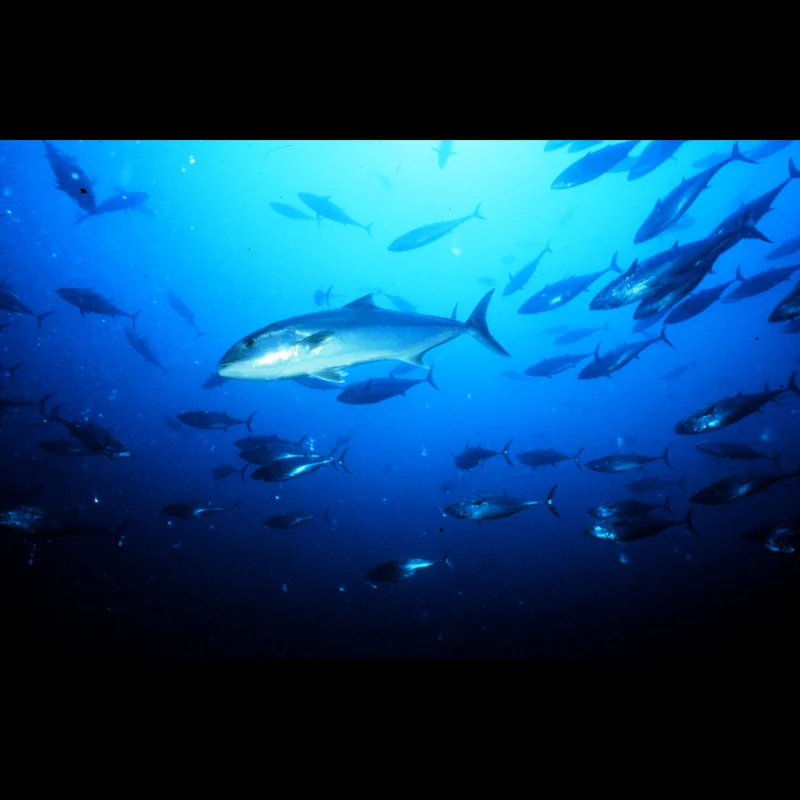
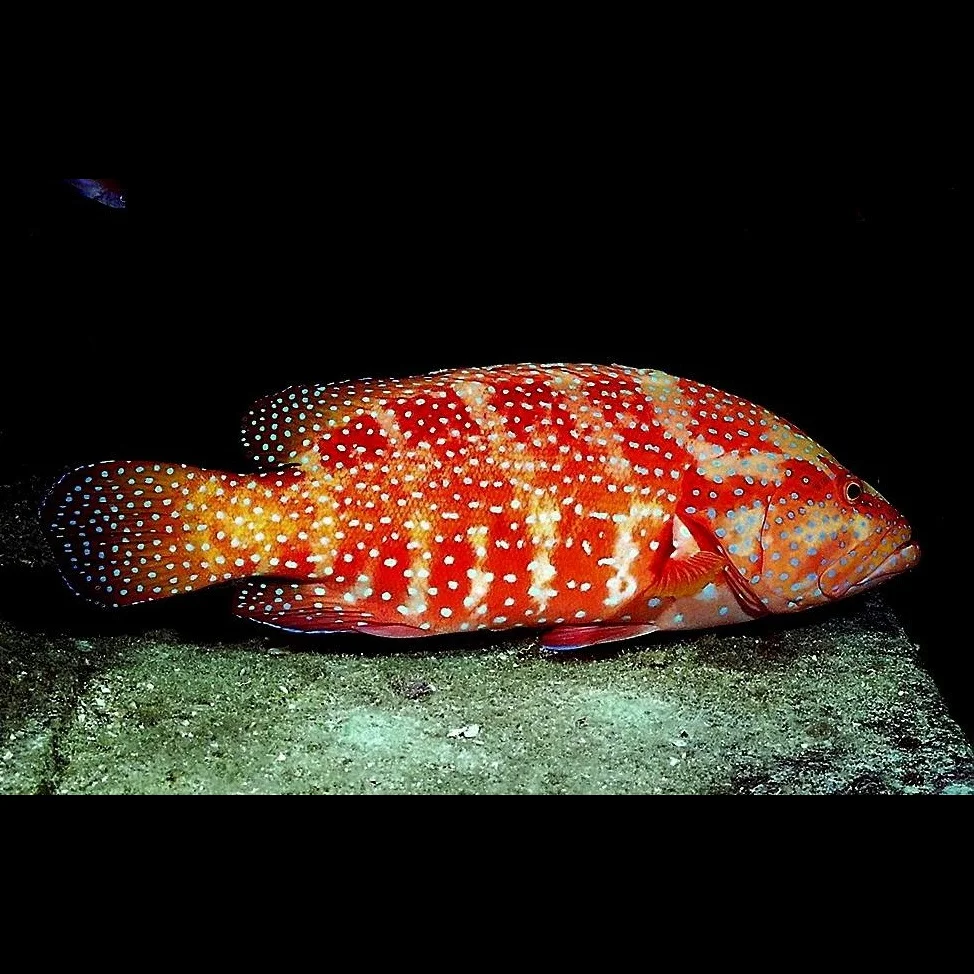
Pinellas #2 Reef and its artificial structures serve as a significant attraction for diverse marine species. Around the wreck of the USCG Blackthorn, divers frequently observe pelagic species such as amberjack, crevalle jack, and Spanish mackerel patrolling the water column.
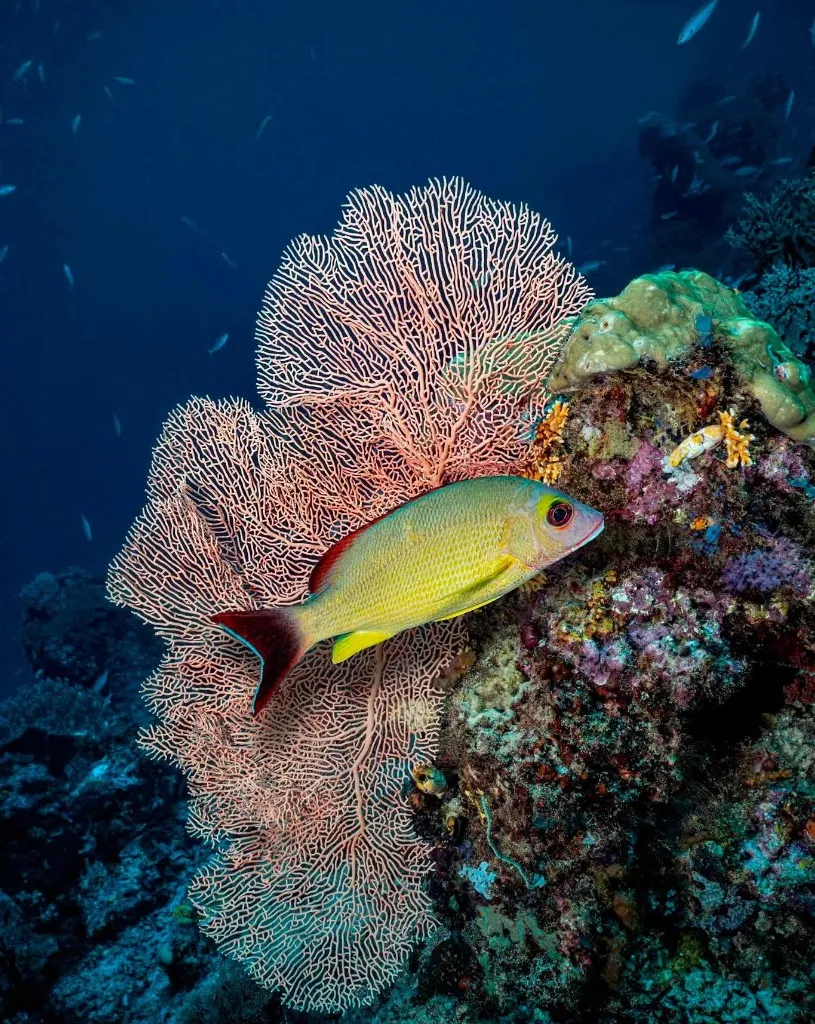
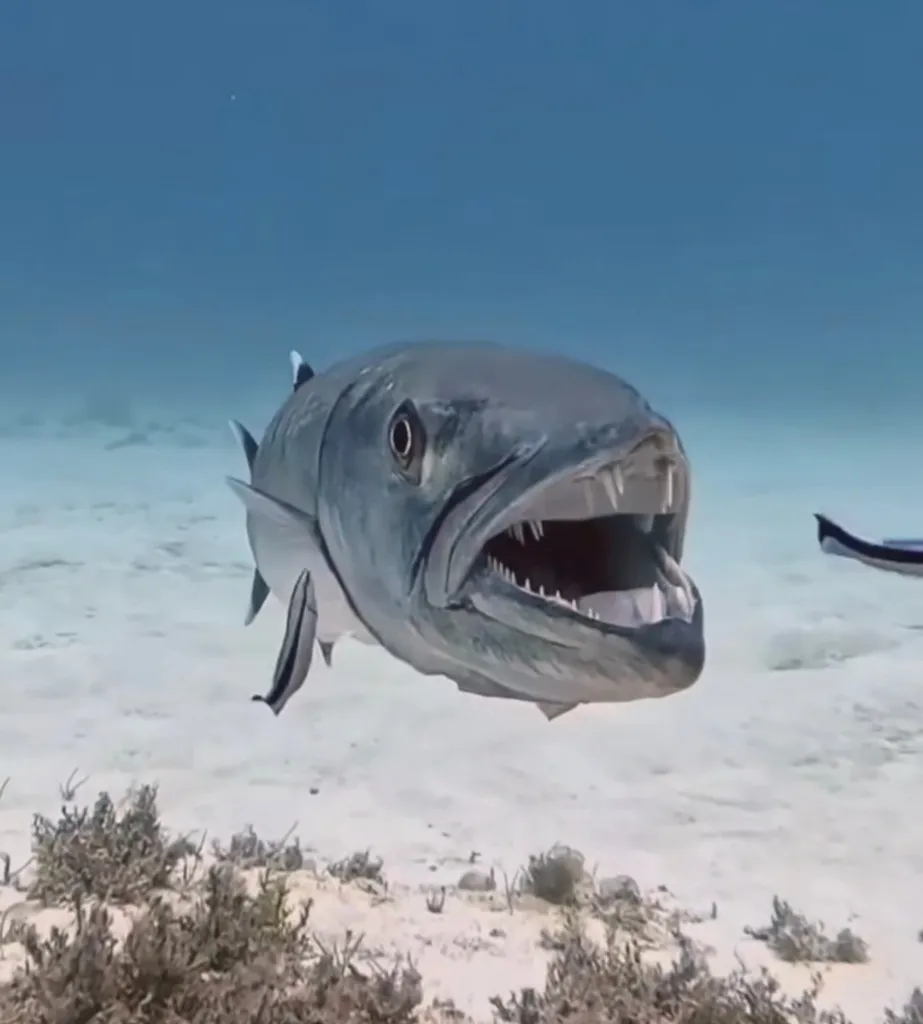
Bottom dwellers like grouper and snapper find refuge within the wreck's confines. Other common sightings include barracuda, triggerfish, and various baitfish schools that swirl around the larger structures.
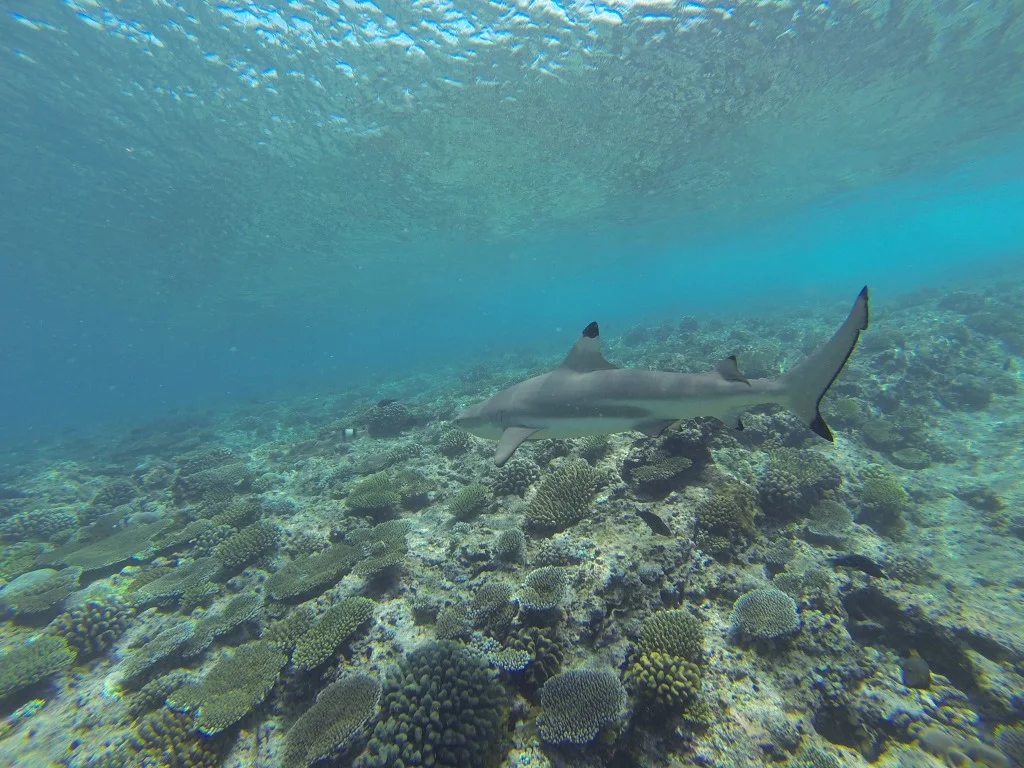
The presence of sharks in the area is also noted, adding to the dynamic underwater ecosystem sustained by this artificial reef.
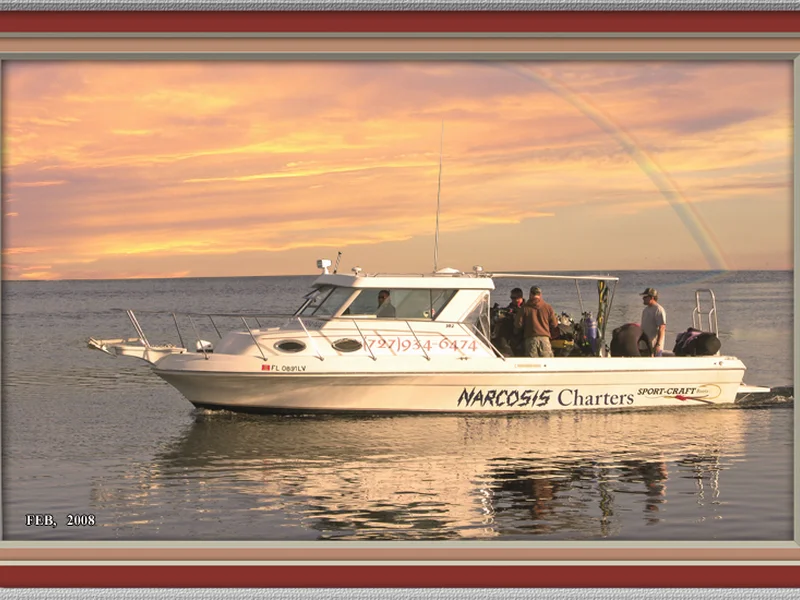
Dive Centers Near Pinellas II
Today: 11:00 - 19:00
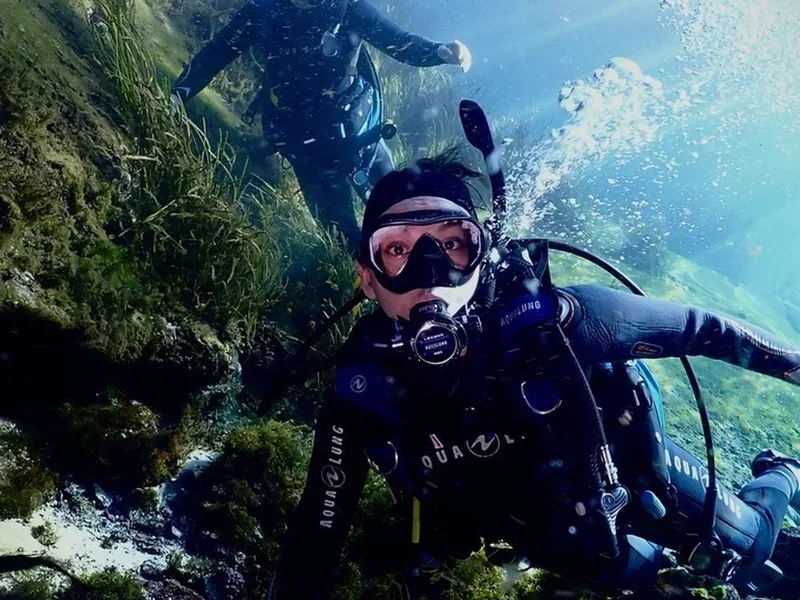
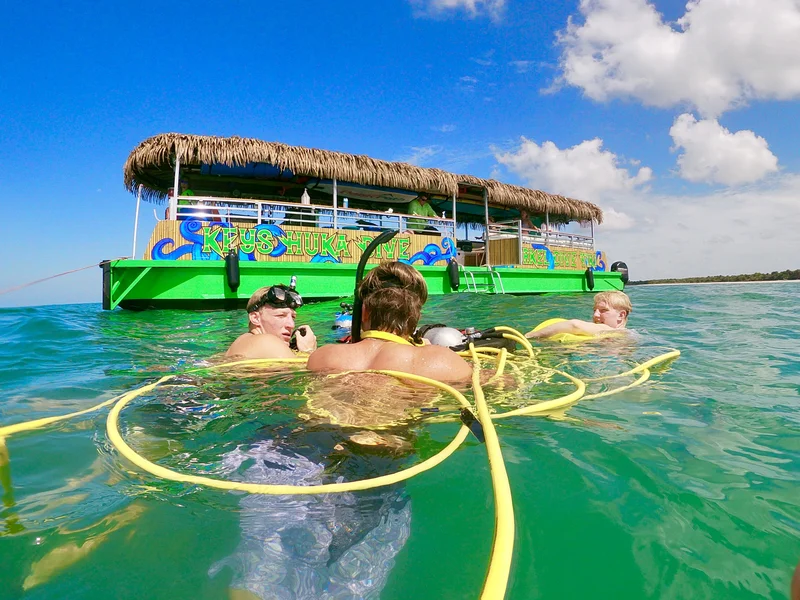
Nearest Airports
Nearest airports to help plan travel to this dive area.
Search Flights
Check available flights and routes on Expedia, using the nearby airports listed in this section.
Search Flights on ExpediaFrequently Asked Questions
What is the typical depth range for diving Pinellas #2 Reef?
Pinellas #2 Reef, particularly the USCG Blackthorn wreck, typically has depths ranging from 19 to 24 meters (65-80 feet). Other components of the artificial reef system settle within similar recreational limits.
What kind of structures will I find at Pinellas #2 Reef?
The reef is an artificial site featuring the 180-foot (55-meter) wreck of the USCG Blackthorn. You'll also encounter a tug named Sheridan and a steel barge, all contributing to the site's complex underwater topography.
Is Pinellas #2 Reef suitable for all diver levels?
No, Pinellas #2 Reef is considered an advanced dive site. Divers should possess the appropriate training and experience, such as an Advanced Open Water certification, to safely explore its depths and wreck structures.
What marine life can I expect to see at Pinellas #2 Reef?
Divers often spot a variety of marine life, including grouper, snapper, amberjack, Spanish mackerel, and barracuda. Sharks and crevalle jack are also noted in the area, attracted by the abundant habitat the wrecks provide.
What is the average visibility at Pinellas #2 Reef?
Visibility at Pinellas #2 Reef is not consistently reported but generally ranges between 6 and 30 meters (20-100 feet). Conditions can vary based on local weather and currents.
Are there any specific safety guidelines for this dive site?
Yes, always dive according to your level of training and check with local Pinellas Park dive centers for current safety information. It's advisable to dive with a professional, especially on advanced sites like this wreck.
Planning to dive Pinellas II?
Send one inquiry and receive offers directly from the best verified local dive operators.
Conditions are Good
07:00 - 14:00
Optimal conditions expected
Current conditions near Pinellas II show 25° air, 31° sea temperature, 0.5 m waves, and 24 km/h wind. Forecast data is refreshed regularly to ensure accuracy.