
Diving at Pinellas South Reef (United States)
Pinellas South Reef actively expands its artificial reef network, showcasing an ongoing commitment to marine habitat enhancement. These initiatives, like the September 2023 expansion of King’s Reef, consistently add new structures such as concrete and vessels to the Gulf. Such strategic placements not only enrich underwater ecosystems but also bolster recreational diving and fishing opportunities in the region, reflecting dynamic management.
Tonight's objective overview for Pinellas South Reef shows an air temperature of 28.5°C. The measured surface conditions include wave heights around 0.9 m. This environmental data is logged for the close of the day.
Dive Site Location & Key Facts
Dive Site Overview
Pinellas County initiated its comprehensive artificial reef program in 1975, a long-term endeavor focused on creating valuable underwater habitats. The program systematically deploys clean, inert debris, including concrete pipes, steel beams, and even entire ships, onto the Gulf floor.
Within a few weeks, these structures attract algae and barnacles, serving as a food source for fish, and over time, support new coral growth. Notable sites exemplify this approach; for instance, the Pinellas #2 Reef hosts the USCG Blackthorn, a 55-meter (180 ft) ship deliberately sunk in 1980, creating one of Pinellas's most regarded wreck dives at depths ranging from 19 to 24 meters (65 to 80 ft).
Veteran's Reef, at 13-14 meters (43-47 ft), features three large barges, each about 30 meters (100 ft) long, contributing to diverse marine communities. South County Reef, established in 2001, became home to the 'Orange Tug' in 2003, further diversifying the artificial structures available to marine life and divers alike.
The program's evolution consistently demonstrates its effectiveness in building and sustaining a vibrant underwater environment for certified divers.
Conditions are Moderate
Optimal conditions expected
Current conditions near Pinellas South Reef show 29° air, 31° sea temperature, 0.8 m waves, and 38 km/h wind. Forecast data is refreshed regularly to ensure accuracy.
Best Time to Dive
Diving in the Pinellas South Reef area is generally possible year-round, with specific periods offering optimal conditions. The climate data indicates that February, May, and November often yield 'Good' dive scores, alongside December, reflecting favorable conditions. Air temperatures remain comfortable, averaging from 15°C (59°F) in January to a warm 29°C (84°F) in August, influencing topside comfort. While rain is generally low, it sees increases in June, August, and September, potentially affecting surface conditions; for instance, August records the highest average rainfall at 8.99 mm (0.35 inches). For reduced wave activity and higher air temperatures, the summer months, particularly July, are often appealing, although the calmest wave heights are observed in July at 0.5 meters (1.6 ft). Overall, the shoulder seasons of spring and fall frequently provide a balance of pleasant air temperatures and manageable weather patterns for diving.
PEAK SEASON SCORE
Scores combine air & water temps, waves, wind & rainfall for overall conditions.
BEST MONTHS TO DIVE
Monthly records compiled from satellite and marine observation nodes over the last 3 years. Data provided by Open-Meteo and MET Norway.
Dive Experience & Conditions
Entering the waters around Pinellas South Reef offers a varied experience depending on the chosen site, with visibility often averaging between 6 and 30 meters (20 to 100 ft). Water surface temperatures are generally inviting, with an average of 26°C (80°F) and an annual range from 25°C to 29°C (78°F to 85°F). Divers explore a collection of artificial structures, from scattered concrete material at Rube Allyn Reef at around 15 meters (50 ft) to larger sunken vessels. The Veteran's Reef, for example, lies at 13 to 14 meters (43 to 47 ft), offering shallower opportunities. Deeper sites, such as the Pinellas #2 Reef, extend to a maximum depth of 24 meters (80 ft), while Pinellas #3 Reef is an advanced dive site at 39 meters (130 ft). This range ensures that both recreational and more experienced divers can find suitable depths and structures to explore within the area.
Dive Difficulty & Safety Guidelines
Divers considering Pinellas South Reef should always consult with Pinellas Park dive centers for up-to-date safety information and specific site requirements. Understanding the certification level recommended for each individual dive site is crucial, as some locations, like Pinellas #2 Reef and Pinellas #3 Reef, are designated as advanced dive sites.
It's advisable for divers to be accompanied by a professional, especially when exploring new or challenging areas. While GPS coordinates for reef components are provided, it's important to remember that storms can shift these locations over time, so they may not be exact.
Relying solely on general information for dive planning is not recommended; local knowledge is invaluable for a safe dive.
Recommended Equipment
- Dive Computer
This gear list is based on verified equipment signals for Pinellas South Reef, United States. Always confirm final gear choices with your dive operator, guide, or liveaboard.
Recommended Dive Suit
The coming days appear slightly cooler according to the latest forecast. Cooler days are ahead; you might want a warmer option for later in the week. Divers planning multiple dives may appreciate having a warmer option available.
Even in warm destinations, extended dives can gradually draw heat away from the body. Stronger winds may also make surface intervals feel cooler than usual.
Exposure protection such as dive skin or rash guard is commonly used when diving in waters of this temperature. Consider warmer surface protection (like a boat coat) due to brisk winds. Divers preparing to enter the water at Pinellas South Reef will likely find temperatures around 31°C (87°F) today. Surface air temperatures are resting at 29°C (84°F).
Emergency & Medical Support
Essential information to help you plan your dive trip to Pinellas South Reef.

Hyperbaric chambers are a critical part of dive safety infrastructure. Availability varies significantly by region, and not all dive areas have immediate access.
Before diving, it's recommended to:
- confirm nearest medical facilities
- check emergency procedures with local dive operators
- ensure dive insurance covers evacuation if required
Divers Alert Network
Diving emergency assistance available through DAN World.
+1-919-684-9111- 24/7 emergency hotline
- Diving medical assistance
- Evacuation coordination
Emergency contacts are provided for reference. Always verify local emergency services before diving.
Marine Life at Pinellas South Reef
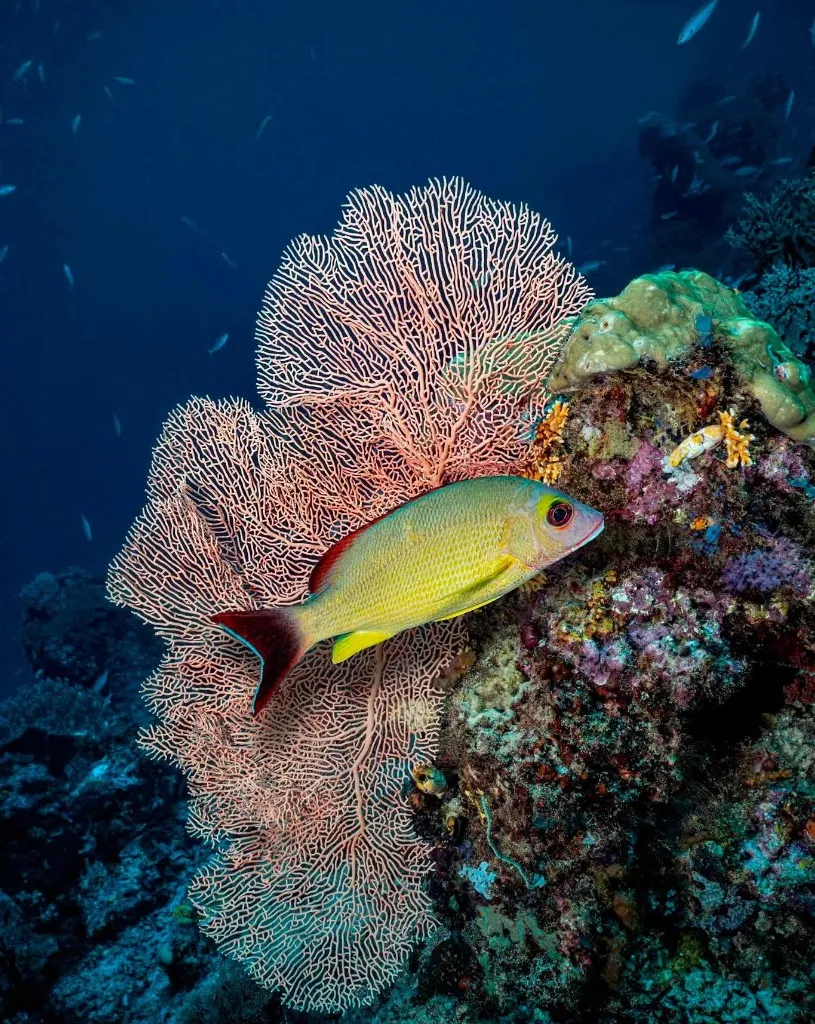
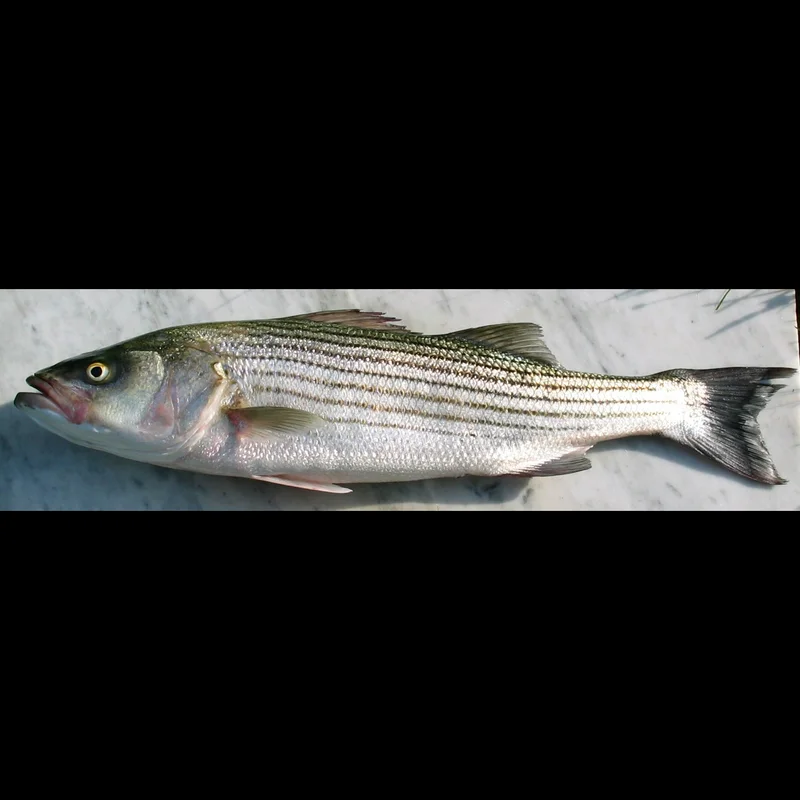
The artificial reefs of Pinellas County serve as crucial habitats, attracting a diverse array of marine life for divers to observe. Encounters with grouper, snapper, and grunt are common across many of these sites, thriving amidst the sunken structures.
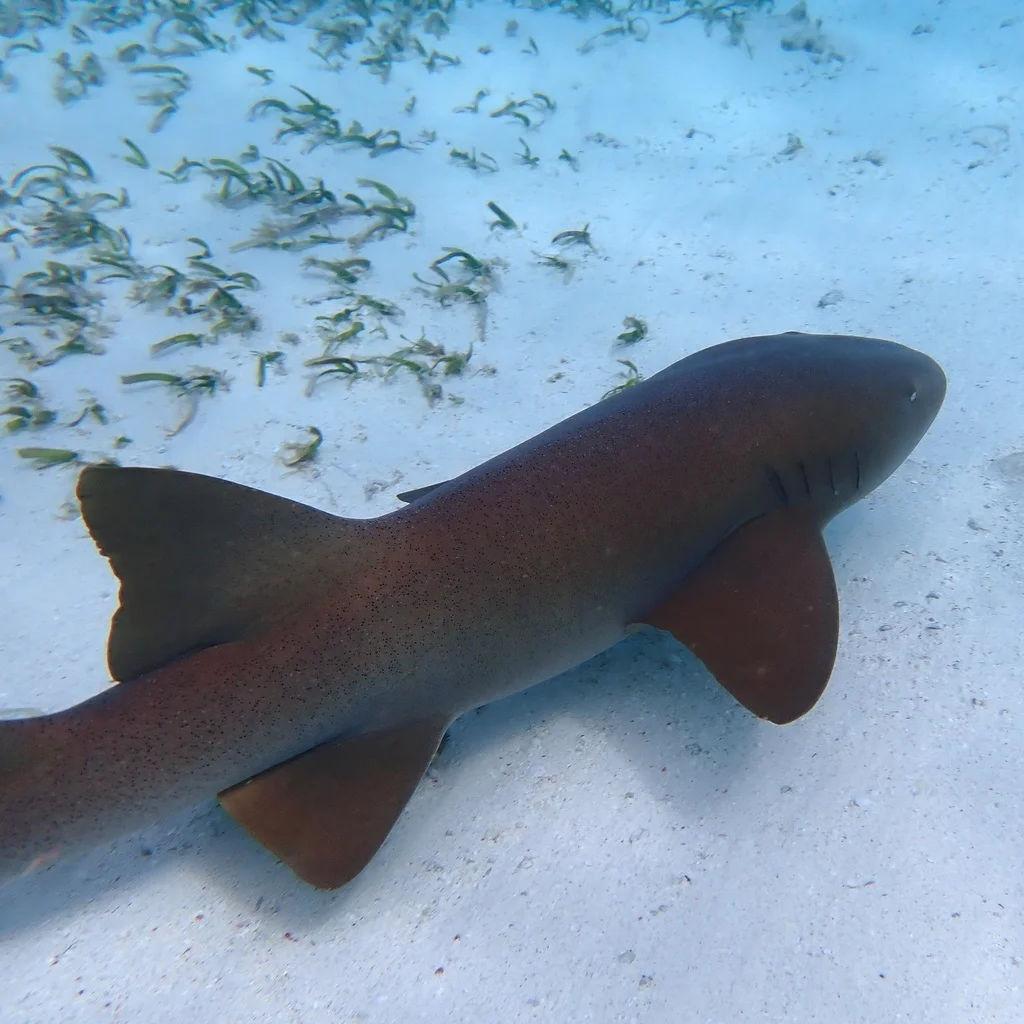
Specific reefs further highlight particular species; for instance, the South County Reef, home to the 'Orange Tug,' frequently hosts goliath grouper, black sea bass, and nurse sharks. Divers at Rube Allyn Reef might spot kingfish near its pyramid structures.
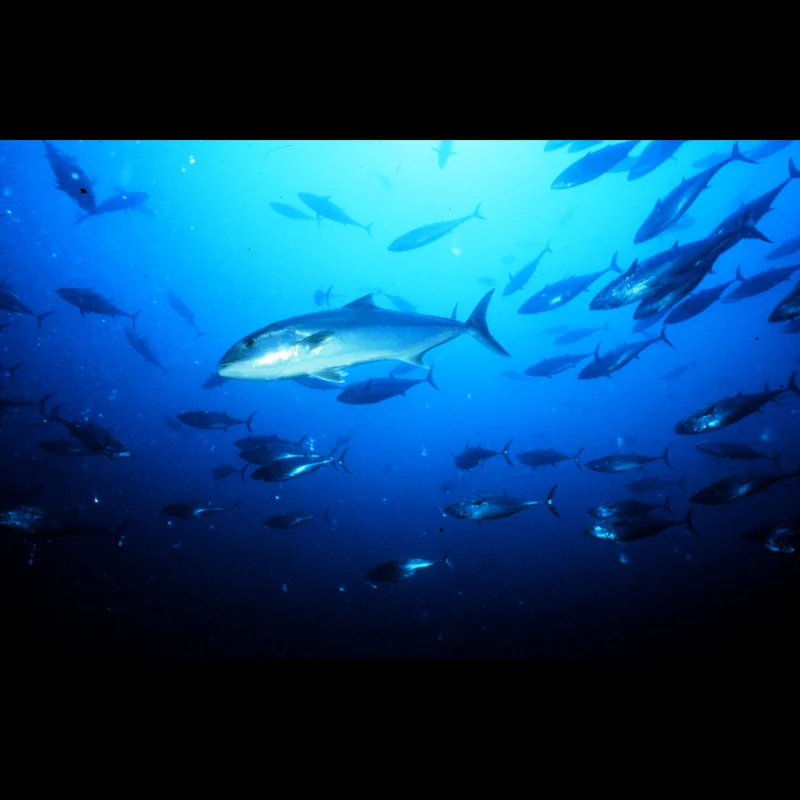
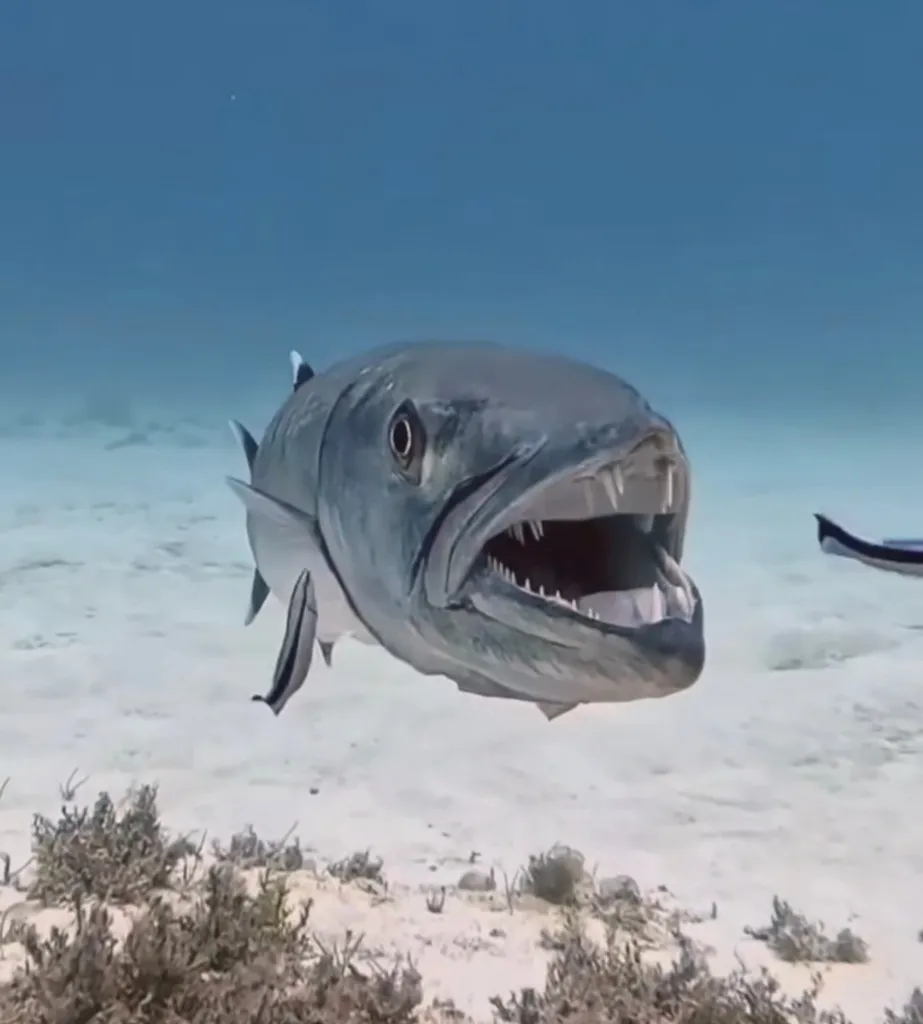
Other notable sightings throughout the Pinellas reef system include amberjack, Spanish mackerel, triggerfish, barracuda, and various shark species, enriching every dive with vibrant aquatic activity.
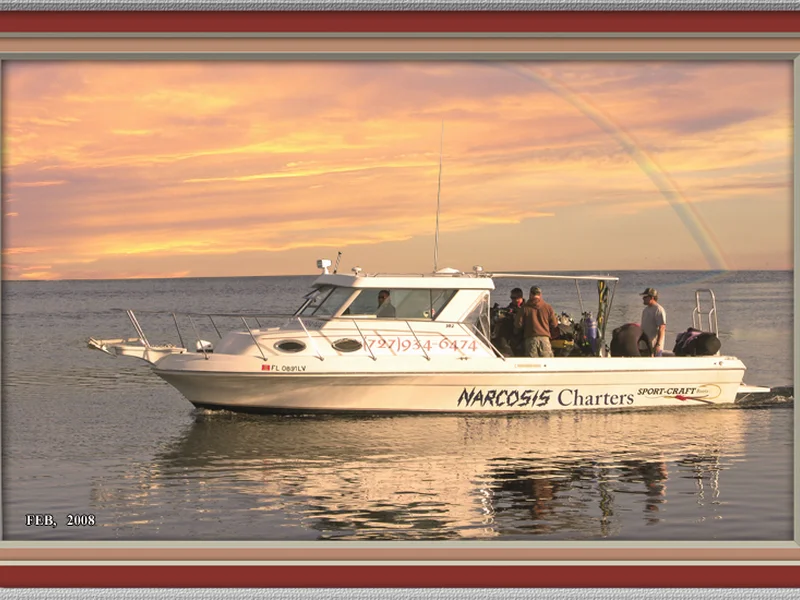
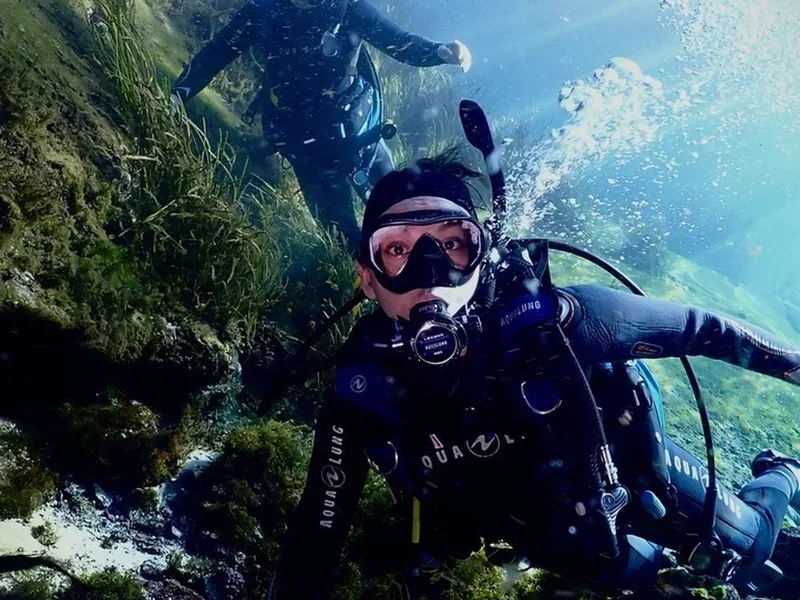
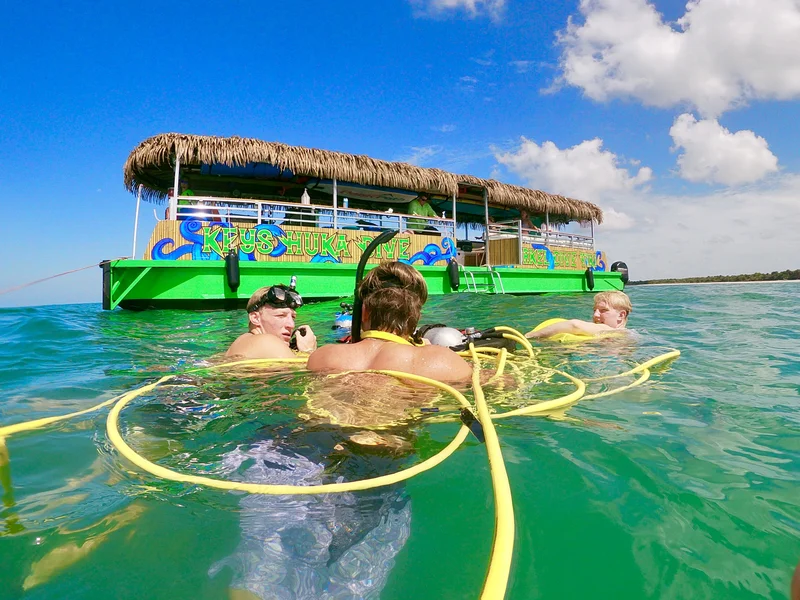
Dive Centers Near Pinellas South Reef
Today: 11:00 - 19:00
Nearest Airports
Nearest airports to help plan travel to this dive area.
Search Flights
Check available flights and routes on Expedia, using the nearby airports listed in this section.
Search Flights on Expedia
Plan Your Stay
Looking for a place to stay for your dive trip? Explore hotels, stays, and vacation rentals for dive groups near North Redington Beach.
Dive Navigator may earn a commission from these links at no extra cost to you.
Frequently Asked Questions
What kind of reefs are found in Pinellas County?
Pinellas County primarily features artificial reefs, created from human-made structures like concrete, steel beams, and even entire ships. These materials are intentionally placed to encourage marine life and provide new habitats.
What are the typical depths for diving in Pinellas County?
Dive depths vary significantly across Pinellas County's artificial reefs. Recreational depths range from 7-9 meters (25-30 ft) at Dunedin Reef up to deeper sites like Pinellas #3 Reef, which reaches 39 meters (130 ft).
What is the visibility generally like at these sites?
Visibility in the Pinellas South Reef area is quite variable but often averages between 6 and 30 meters (20 to 100 ft). Conditions can change based on weather, currents, and recent rainfall.
What marine life can divers expect to see?
Divers often encounter a variety of fish, including grouper, snapper, grunt, and amberjack. Specific sites may host goliath grouper, black sea bass, nurse sharks, kingfish, Spanish mackerel, triggerfish, barracuda, and other shark species.
Is it possible to dive here year-round?
Yes, diving is generally possible year-round in Pinellas County. While conditions are favorable much of the time, the spring and fall seasons often provide a good balance of comfortable air temperatures and calm seas.
Are there dive sites suitable for advanced divers?
Yes, several sites are designated for advanced divers. Pinellas #2 Reef, with depths up to 24 meters (80 ft) and the USCG Blackthorn wreck, and Pinellas #3 Reef, reaching 39 meters (130 ft), are examples of advanced dive sites.
Where can I get updated information before diving?
It is strongly recommended to check with local Pinellas Park dive centers for the most current safety information, specific site conditions, and any required diver qualifications before planning your dive.
What is the typical water temperature range?
The water surface temperature in the Pinellas area averages around 26°C (80°F). Annually, temperatures typically range from 25°C to 29°C (78°F to 85°F), providing generally warm diving conditions.
Planning to dive Pinellas South Reef?
Send one inquiry and receive offers directly from the best verified local dive operators.
Conditions are Moderate
Optimal conditions expected
Current conditions near Pinellas South Reef show 29° air, 31° sea temperature, 0.8 m waves, and 38 km/h wind. Forecast data is refreshed regularly to ensure accuracy.