
Diving at Rfra Reef #3 (United States)
RFRA Reef #3, often referred to as Pompano 3rd Reef, represents a continuation of the vibrant outer reef system. Its character is shaped by a broken reef with cliffs, providing extensive cover for diverse marine life. This site also benefits from regional artificial reef programs, which actively enhance habitat through structures like concrete blocks and culverts, fostering dynamic underwater cities and bolstering biodiversity for divers.
Evening condition tracking at Rfra Reef #3 features an air temperature of 30°C. We have recorded wave heights measuring 0.8 m during this period. These figures outline the environmental parameters currently present.
Dive Site Location & Key Facts
Dive Site Overview
Exploring RFRA Reef #3 offers divers a drift experience across a dynamic reef system. This site presents a broken reef with distinct cliffs, creating numerous protected areas and excellent scenery.
Divers navigate along its eastern ledge, where a collapse feature on top is particularly interesting for exploration. The reef is rich with hard corals, basket sponges, whips, and sea fans, contributing to a vibrant ecosystem.
Depending on currents, a dive might begin at either the north hook or a collapse opening at the south end, allowing for a comfortable drift. While the maximum depth typically ranges from 14-18 m (45-60 ft), some areas, like the Marco Island Third Reef which shares similar characteristics, feature larger concrete blocks and culverts that offer considerable vertical exploration within a comparable recreational depth range. These structures often house larger species, adding another layer to the underwater topography.
Conditions are Excellent
07:00 - 14:00
Optimal conditions expected
Current conditions near Rfra Reef #3 show 30° air, 30° sea temperature, 0.4 m waves, and 22 km/h wind. Forecast data is refreshed regularly to ensure accuracy.
Best Time to Dive
Planning a dive at RFRA Reef #3 is generally favorable throughout the year, with consistent 'Good' dive scores reported across all months. Divers can expect comfortable air temperatures, which typically range from a cooler 12°C (54°F) in January to a warmer 29°C (84°F) in August. Rainfall remains relatively low year-round, contributing to generally stable conditions. While specific water temperature data isn't consistently reported, the generally mild air temperatures suggest pleasant diving conditions for much of the year. To optimize the experience, considering calmer wave conditions, which tend to be lowest in summer months, could enhance overall enjoyment and visibility.
PEAK SEASON SCORE
Scores combine air & water temps, waves, wind & rainfall for overall conditions.
BEST MONTHS TO DIVE
Monthly records compiled from satellite and marine observation nodes over the last 3 years. Data provided by Open-Meteo and MET Norway.
Dive Experience & Conditions
Approaching RFRA Reef #3 typically involves a boat entry, leading to a drift dive experience. The key to navigating this site is to follow the eastern ledge, which offers a western-facing perspective, featuring a notable collapse feature at its top. Currents dictate the optimal starting point, allowing divers to begin either at the north hook or the southern collapse opening. Depending on conditions, some divers find it possible to start at nearby sites like Quallman Tugs and then drift west towards this reef. Water clarity varies, as in any ocean environment, but the structures provide ample visual interest. Expect a dive within recreational depths, usually between 14-18 m (45-60 ft), making it suitable for Open Water certified divers.
Dive Difficulty & Safety Guidelines
Diving RFRA Reef #3 requires an Open Water Diver certification or equivalent experience. As a drift dive site, divers should be comfortable with current conditions and have practiced proper drift diving techniques. Carrying a Surface Marker Buoy (SMB) is highly recommended for signaling the boat at the end of a drift.
Underwater navigation skills are valuable here, particularly for locating and following the eastern ledge and its collapse features. Always dive within your training limits and consider specialty courses like Delayed Surface Marker Buoy (DSMB) Diver or PADI Underwater Navigator to enhance safety and confidence in these conditions.
Recommended Equipment
- Dive Computer
This gear list is based on verified equipment signals for Rfra Reef #3, United States. Always confirm final gear choices with your dive operator, guide, or liveaboard.
Recommended Dive Suit
Forecasts suggest a slight cooling pattern in the days ahead. Cooler days are ahead; you might want a warmer option for later in the week. A hood or vest can noticeably improve warmth during longer dives.
For typical recreational dives, dive skin or rash guard generally provides comfortable insulation. Consider warmer surface protection (like a boat coat) due to brisk winds.
At Rfra Reef #3, the water is currently sitting around 30°C (87°F). Surface air temperatures are resting at 30°C (86°F).
Due to technical issues with our weather providers, live updates are temporarily delayed. The data above reflects the conditions at the time of the last successful fetch.
Emergency & Medical Support
Essential information to help you plan your dive trip to RFRA Reef #3.

Hyperbaric chambers are a critical part of dive safety infrastructure. Availability varies significantly by region, and not all dive areas have immediate access.
Before diving, it's recommended to:
- confirm nearest medical facilities
- check emergency procedures with local dive operators
- ensure dive insurance covers evacuation if required
Divers Alert Network
Diving emergency assistance available through DAN World.
+1-919-684-9111- 24/7 emergency hotline
- Diving medical assistance
- Evacuation coordination
Emergency contacts are provided for reference. Always verify local emergency services before diving.
Marine Life at Rfra Reef #3
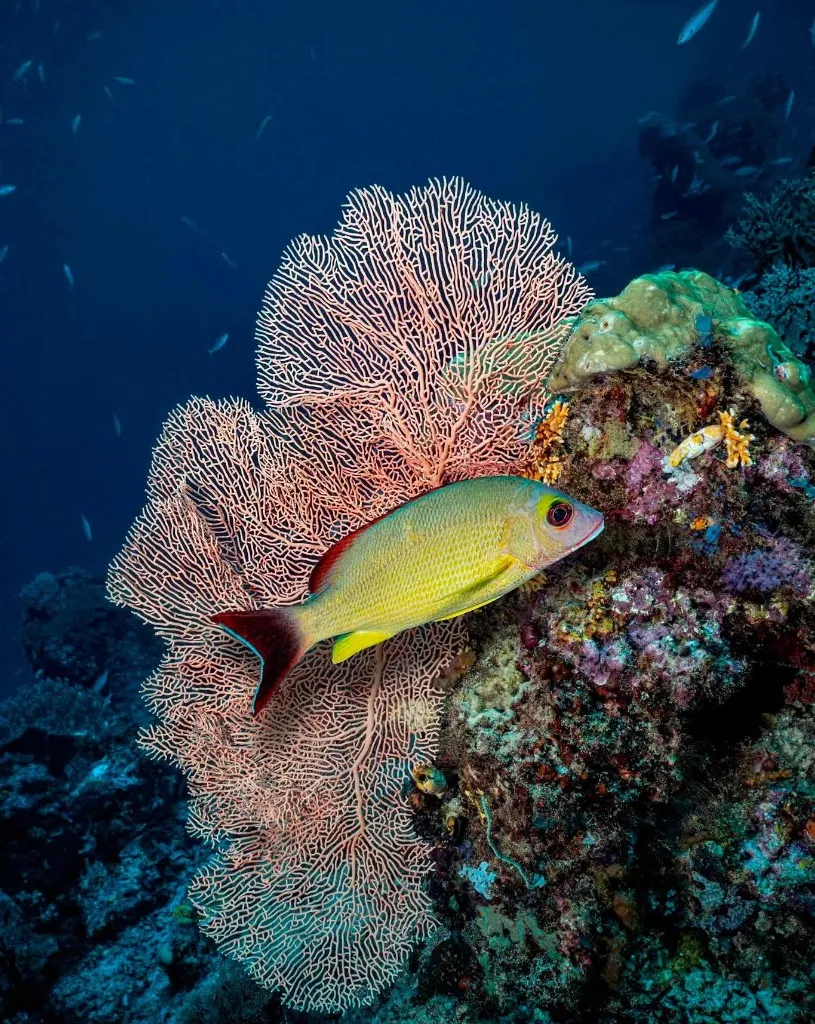
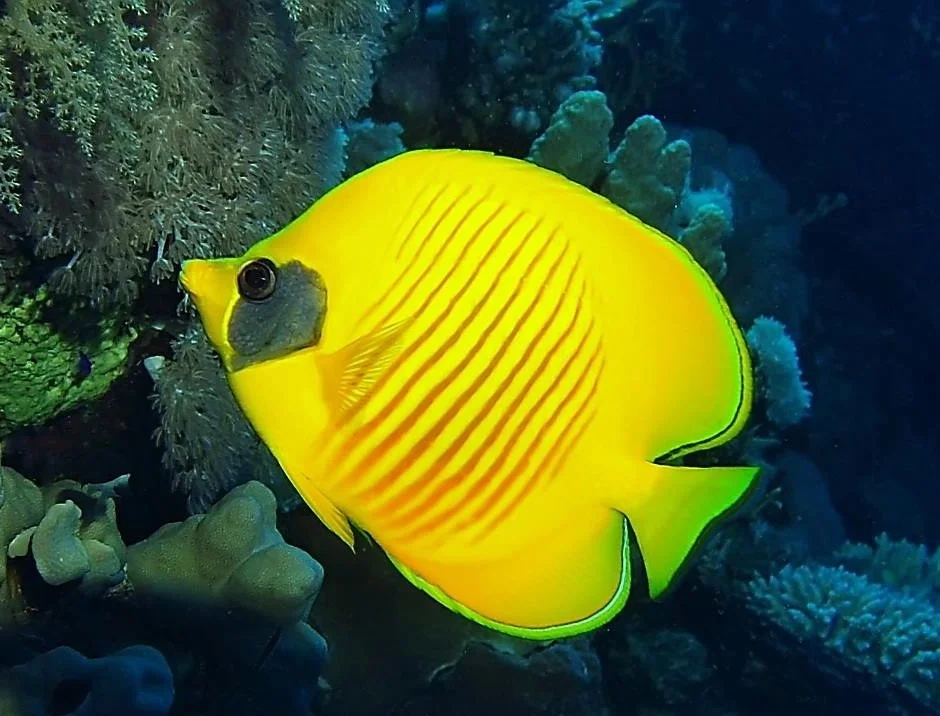
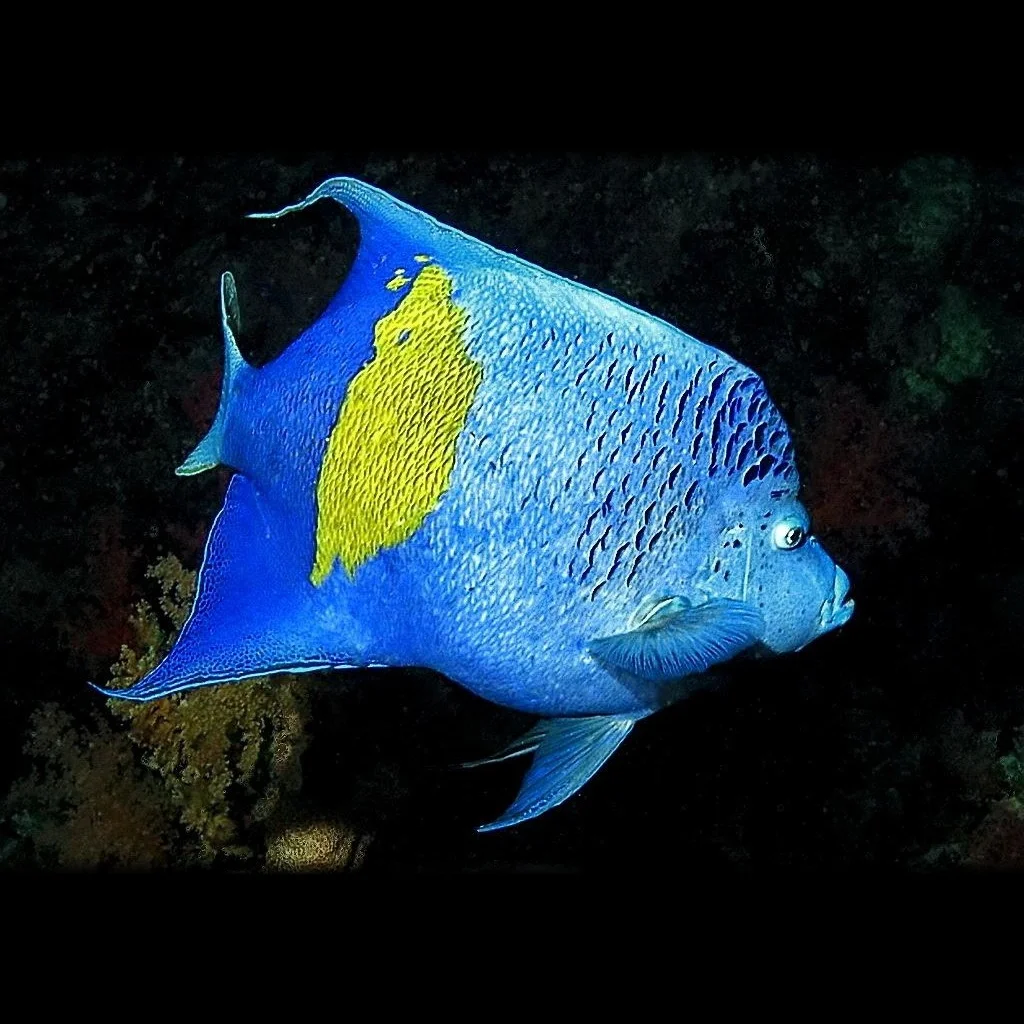
The underwater landscape of RFRA Reef #3 provides an excellent habitat for a variety of marine creatures. Along the broken reef and its protective cliffs, divers commonly encounter a colorful array of angelfish, butterflyfish, and wrasse.
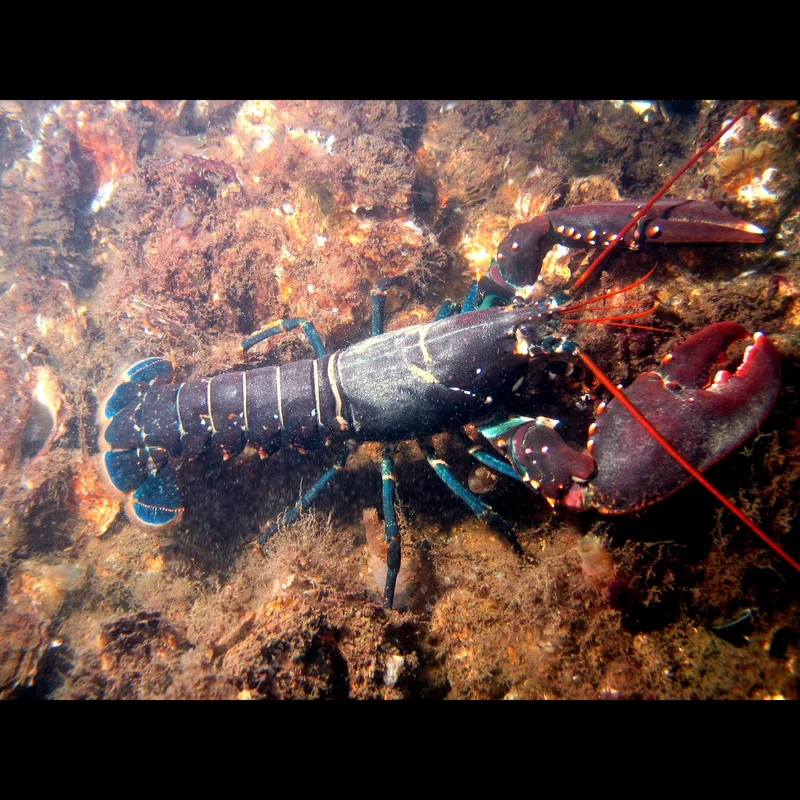
Basket sponges, coral formations, whips, and fans adorn the reef, creating a rich visual backdrop. Deeper sections and outside ledges offer numerous crevices, making them prime locations for finding lobsters and occasionally spotting large grouper.
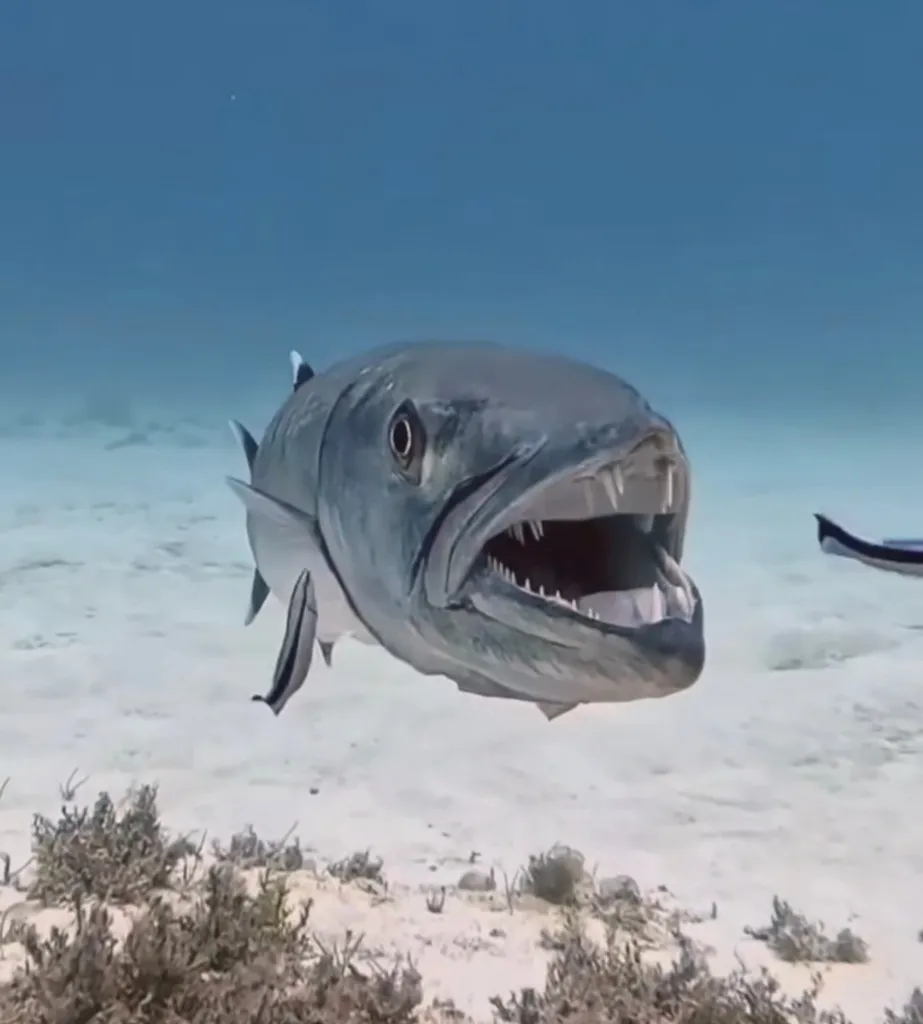
Other common sightings include barracuda, snapper, pork fish, sheepshead, Goliath Grouper, snook fish, and hogfish, often congregating around the reef's natural and artificial structures.
Dive Centers Near Rfra Reef #3
Today: 10:00 - 18:00
Nearest Airports
Nearest airports to help plan travel to this dive area.
Search Flights
Check available flights and routes on Expedia, using the nearby airports listed in this section.
Search Flights on Expedia
Plan Your Stay
Looking for a place to stay for your dive trip? Explore hotels, stays, and vacation rentals for dive groups near Gulf Breeze.
Dive Navigator may earn a commission from these links at no extra cost to you.
Frequently Asked Questions
What skill level is required to dive RFRA Reef #3?
RFRA Reef #3 is suitable for Open Water Divers or those with equivalent experience. The drift dive nature means comfort with currents and good buoyancy control are beneficial for a safe and enjoyable experience.
What type of dive is RFRA Reef #3?
This is primarily a drift dive conducted along a broken reef system. Divers will explore cliffs, ledges, and collapse features that characterize the site's topography.
What is the typical depth range at RFRA Reef #3?
The depth range for diving RFRA Reef #3 is generally between 14-18 m (45-60 ft). Staying within these limits makes it accessible for most certified divers, well within recreational diving standards.
What marine life can I expect to see?
The reef is home to many species, including angelfish, butterflyfish, snapper, pork fish, and wrasse. Divers also frequently encounter lobsters in crevices and sometimes large grouper or Goliath Grouper along the deeper edges.
Are there any artificial structures at this site?
While Pompano 3rd Reef is a natural outer reef, similar '3rd Reef' sites in the region, like those off Marco Island, are enhanced with artificial structures such as concrete blocks and culverts to promote marine habitat.
How do currents affect the dive?
Currents are a significant factor at RFRA Reef #3, as it is a drift dive. They determine the optimal entry and exit points, often allowing divers to start at one end and drift along the reef's eastern ledge.
Planning to dive Rfra Reef #3?
Send one inquiry and receive offers directly from the best verified local dive operators.
Conditions are Excellent
07:00 - 14:00
Optimal conditions expected
Current conditions near Rfra Reef #3 show 30° air, 30° sea temperature, 0.4 m waves, and 22 km/h wind. Forecast data is refreshed regularly to ensure accuracy.