
Diving at Rfra Reef #5 (United States)
Beneath the Atlantic's surface, RFRA Reef #5 calls to divers seeking discovery in the United States' coastal waters. This artificial reef creates a vibrant habitat, offering an accessible underwater landscape for exploration. It serves as a focal point for marine activity, promising encounters within its structures.
Evening condition tracking at Rfra Reef #5 features an air temperature of 30.5°C. We have recorded wave heights measuring 0.9 m during this period. These figures outline the environmental parameters currently present.
Dive Site Location & Key Facts
Dive Site Overview
RFRA Reef #5 represents a deliberate effort to enhance underwater ecosystems through artificial structure placement. Its composition, while not consistently detailed in available reports, typically includes a variety of robust materials common to regional reefing projects, such as concrete culverts, bridge rubble, and sometimes even intentionally sunken vessels.
These elements are strategically distributed to create a complex and varied underwater topography. Divers navigating the site will encounter formations ranging from relatively scattered debris fields that provide numerous small hideaways to more consolidated, larger structures offering more substantial shelter. This intricate network of materials fundamentally transforms the seabed, fostering new habitats.
The reef's design actively encourages the growth of marine life, acting as a magnet for a diverse array of species. Such installations attract schools of fish, including various snapper and grunt, and offer crucial refuge for a multitude of invertebrates.
Exploring the reef involves tracing the contours of these submerged elements, observing how life colonizes each surface and discovering the micro-environments formed by the interaction of structures and currents. Conditions and observations at the site can shift with prevailing currents and seasonal changes, making each dive a potentially distinct experience.
These submerged components collectively aim to boost local biodiversity and present intriguing formations for certified divers to explore within recreational depth limits.
Conditions are Excellent
07:00 - 14:00
Optimal conditions expected
Current conditions near Rfra Reef #5 show 31° air, 31° sea temperature, 0.4 m waves, and 19 km/h wind. Forecast data is refreshed regularly to ensure accuracy.
Best Time to Dive
Considering the regional climate patterns, diving at RFRA Reef #5 is generally favorable throughout much of the year, though optimal conditions tend to vary. Air temperatures are quite pleasant, with averages ranging from 12°C (54°F) in January to peaks around 29°C (84°F) in August. The summer months, specifically July and August, present the warmest air temperatures, averaging around 28-29°C (84°F), and also typically feature the lowest average wave heights, around 0.5-0.6 m (1.6-2.0 ft). Conversely, winter months like December and January see cooler air at 12-15°C (54-59°F) and higher average wave heights, around 0.9-1.0 m (3.0-3.3 ft). Rainfall is relatively consistent year-round, typically ranging from 2.08 mm to 4.89 mm per month, so it's not a primary limiting factor for planning. The calmer summer seas often make for a more comfortable experience, especially during surface intervals.
PEAK SEASON SCORE
Scores combine air & water temps, waves, wind & rainfall for overall conditions.
BEST MONTHS TO DIVE
Monthly records compiled from satellite and marine observation nodes over the last 3 years. Data provided by Open-Meteo and MET Norway.
Dive Experience & Conditions
Descending onto RFRA Reef #5, divers can anticipate a varied sensory experience, shaped by the local marine environment. Visibility often fluctuates depending on currents and recent weather events, sometimes offering clear views of the structures and surrounding marine activity, while at other times it might be more subdued. Water movement can range from mild drifts to more pronounced currents, especially around the structures, influencing how you approach and explore the site. The interaction of the structures with prevailing currents often creates pockets of calmer water where smaller marine life gathers. Divers should maintain awareness of their surroundings as conditions can change. Experiencing the reef's dynamic ecosystem provides a unique impression each time.
Dive Difficulty & Safety Guidelines
Diving at RFRA Reef #5 requires adherence to standard safety practices, with particular attention to buoyancy control. Maintaining neutral buoyancy is important to avoid accidental contact with the artificial structures and to prevent stirring up sediment, which can reduce visibility for others. Always be aware of your depth and no-decompression limits, as the reef typically lies within recreational depth ranges.
Given it's an artificial reef, entanglement hazards from fishing lines or loose debris, while not explicitly reported for this site, are always a possibility on such structures. Carry a cutting tool as a precaution.
Plan your dive according to your certification level and current conditions, and always dive with a buddy, ensuring clear communication throughout the dive.
Recommended Equipment
- Dive Computer
This gear list is based on verified equipment signals for Rfra Reef #5, United States. Always confirm final gear choices with your dive operator, guide, or liveaboard.
Recommended Dive Suit
With water temperatures around 31°C (87°F), many divers find a dive skin or rash guard provides comfortable protection.
Local conditions can vary slightly across different parts of the same dive site.
Weather models indicate a small drop in surface temperatures later this week. Cooler days are ahead; you might want a warmer option for later in the week. A warmer option can provide additional comfort if conditions shift.
Due to technical issues with our weather providers, data hasn't been fetched for over 48 hours. The data above reflects the conditions at the time of the last successful fetch.
Emergency & Medical Support
Essential information to help you plan your dive trip to RFRA Reef #5.

Hyperbaric chambers are a critical part of dive safety infrastructure. Availability varies significantly by region, and not all dive areas have immediate access.
Before diving, it's recommended to:
- confirm nearest medical facilities
- check emergency procedures with local dive operators
- ensure dive insurance covers evacuation if required
Divers Alert Network
Diving emergency assistance available through DAN World.
+1-919-684-9111- 24/7 emergency hotline
- Diving medical assistance
- Evacuation coordination
Emergency contacts are provided for reference. Always verify local emergency services before diving.
Marine Life at Rfra Reef #5
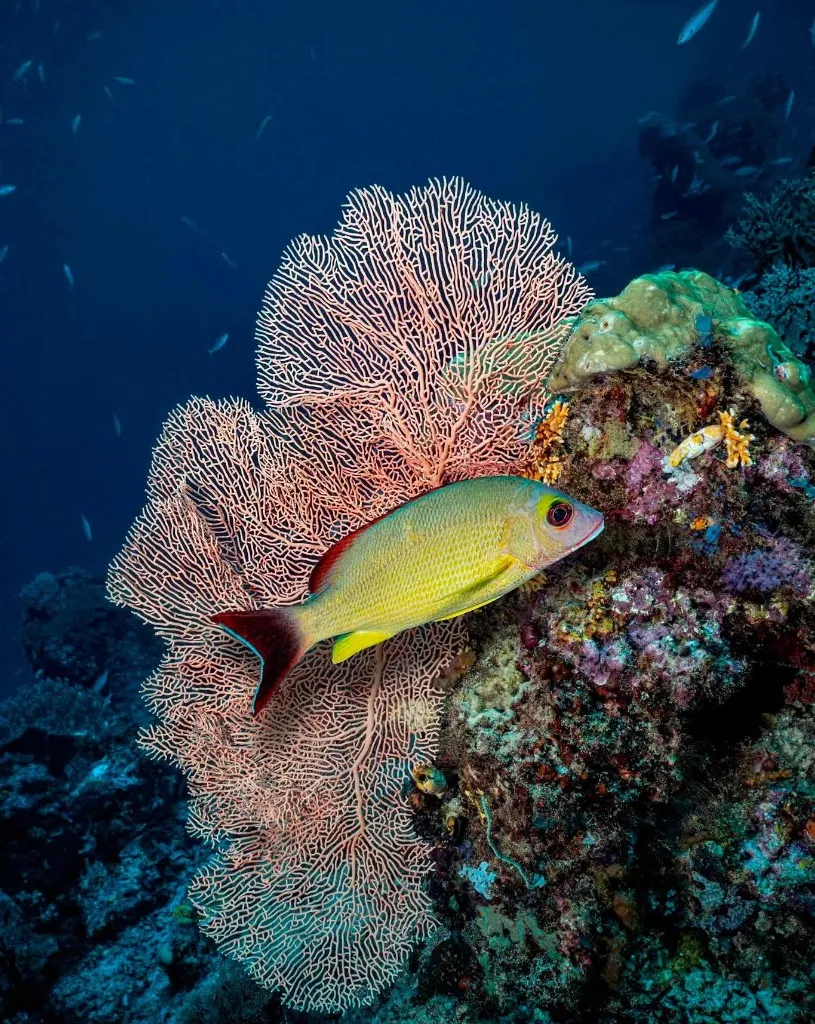
The structures of RFRA Reef #5 serve as a foundational anchor for marine communities, transforming a barren seabed into a thriving ecosystem. Common observations include schools of snapper and grunt sheltering within the crevices of the artificial components.
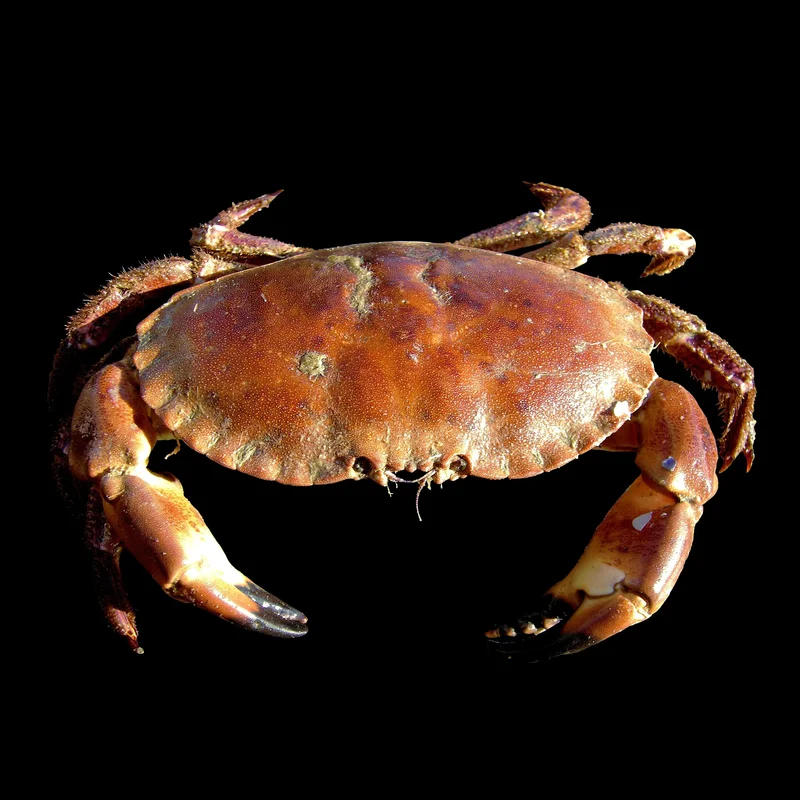
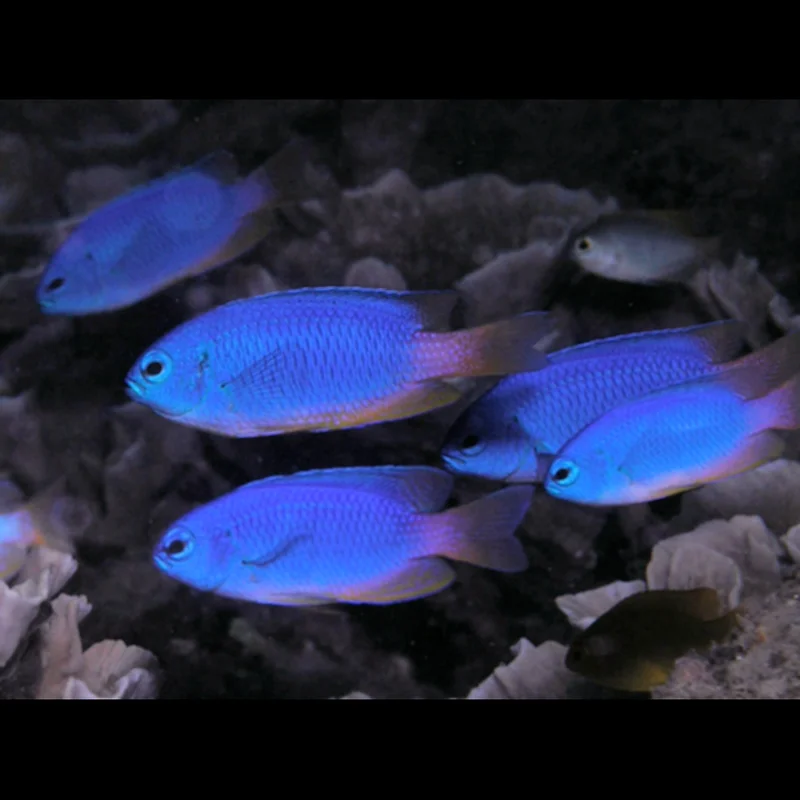
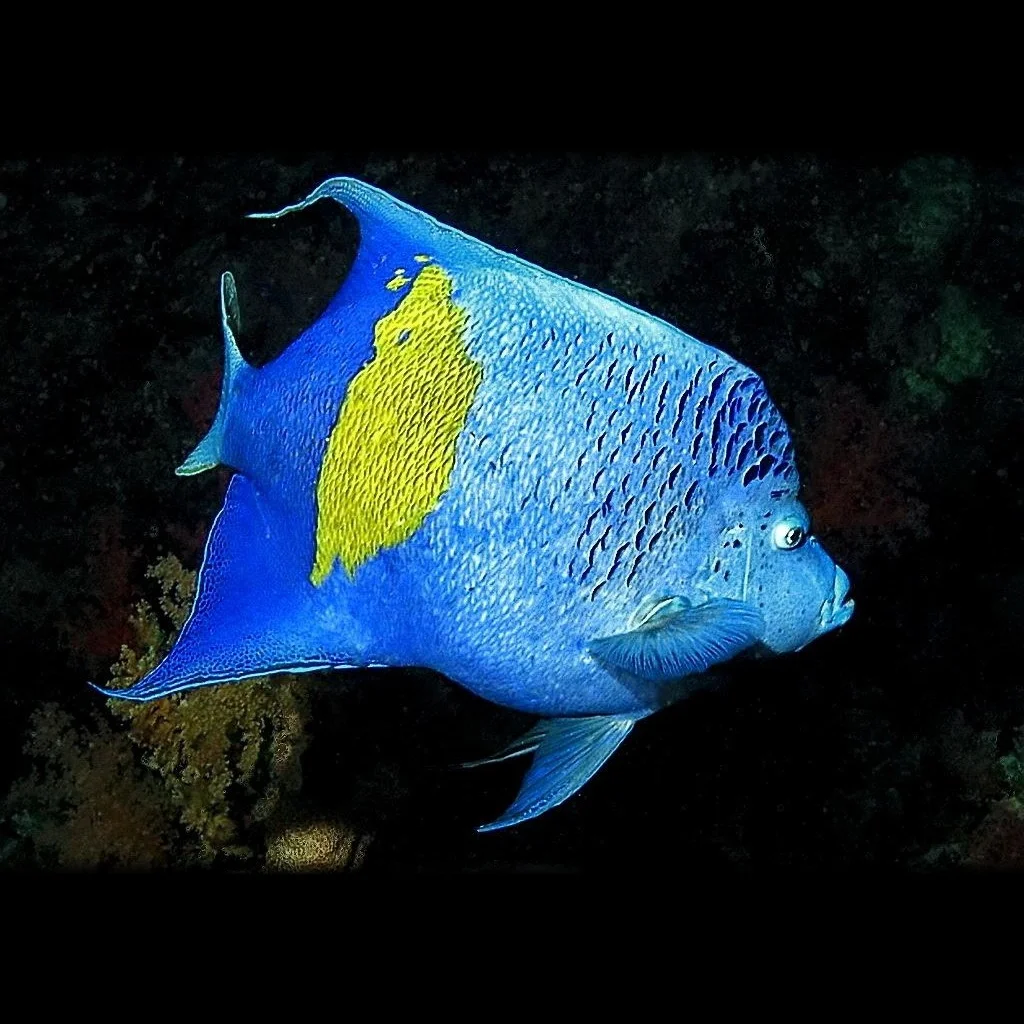
Various species of damselfish and angelfish often patrol the perimeters. You might find invertebrates such as crabs, shrimp, and occasional spiny lobsters utilizing the habitat for refuge.
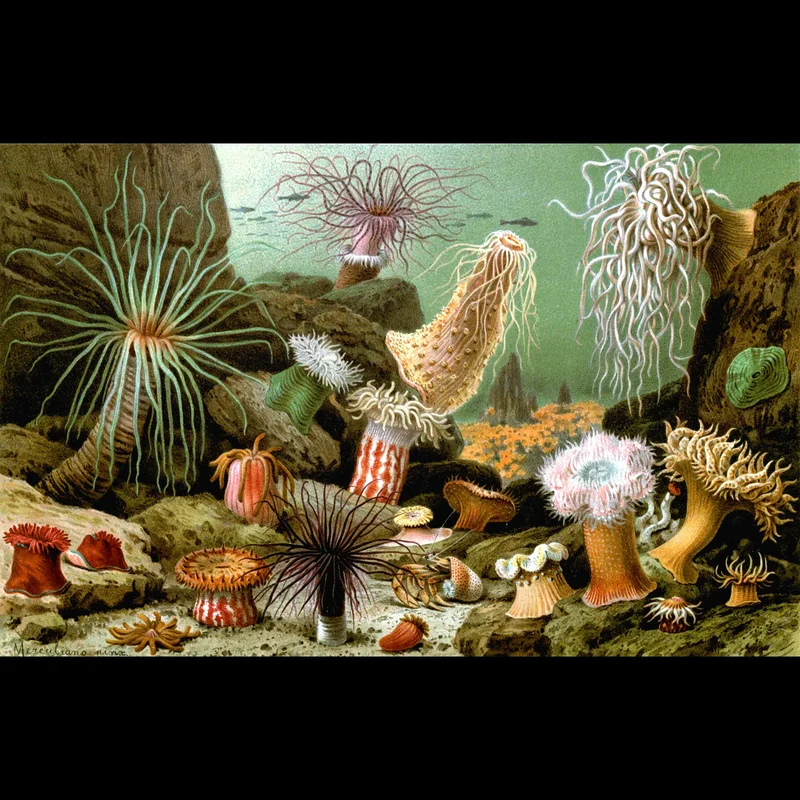
Over time, the structures typically become colonized by hard and soft corals, anemones, and sponges, adding color and texture to the underwater landscape. Keep an eye out for larger pelagic species that sometimes cruise by, drawn to the concentration of smaller fish.
Dive Centers Near Rfra Reef #5
Today: 10:00 - 18:00
Nearest Airports
Nearest airports to help plan travel to this dive area.
Search Flights
Check available flights and routes on Expedia, using the nearby airports listed in this section.
Search Flights on Expedia
Plan Your Stay
Looking for a place to stay for your dive trip? Explore hotels, stays, and vacation rentals for dive groups near Gulf Breeze.
Dive Navigator may earn a commission from these links at no extra cost to you.
Frequently Asked Questions
What is the typical depth range for diving at RFRA Reef #5?
RFRA Reef #5 generally sits within a recreational depth range. Specific maximum depths are not consistently reported, but most artificial reefs in this region are accessible to certified recreational divers.
Are there strong currents at RFRA Reef #5?
Currents at RFRA Reef #5 can vary, ranging from mild to moderate depending on tidal movements and broader ocean conditions. Divers should assess the current upon arrival and plan their dive accordingly, potentially using a descent line.
What type of structures make up RFRA Reef #5?
While precise details are limited, artificial reefs in this area typically consist of materials like concrete modules, rock piles, or sunken vessels. These structures provide complex habitats for marine organisms.
What kind of marine life can I expect to see?
Divers commonly encounter a variety of fish such as snapper and grunt, along with smaller reef fish like damselfish. Invertebrates like crabs and sponges are also frequent residents, colonizing the various structures.
What is the water temperature like at RFRA Reef #5?
Specific water temperature data for RFRA Reef #5 is not consistently reported. However, surface air temperatures indicate temperate conditions, suggesting comfortable diving is possible for much of the year.
Is RFRA Reef #5 suitable for all diver levels?
Given the potential for varied currents and the presence of artificial structures, RFRA Reef #5 is generally recommended for certified divers with some experience in open water conditions. Good buoyancy control is always beneficial when exploring artificial reefs.
Planning to dive Rfra Reef #5?
Send one inquiry and receive offers directly from the best verified local dive operators.
Conditions are Excellent
07:00 - 14:00
Optimal conditions expected
Current conditions near Rfra Reef #5 show 31° air, 31° sea temperature, 0.4 m waves, and 19 km/h wind. Forecast data is refreshed regularly to ensure accuracy.