
Diving at Rsmas Dock Phase 1 (United States)
Approaching RSMAS Dock Phase 1 requires divers to recognize its primary function as a scientific dive training facility. This site supports a range of underwater research and educational activities, emphasizing adherence to the American Academy of Underwater Sciences (AAUS) standards. Divers here operate within a structured environment designed for scientific exploration and skill development, distinguishing it from typical recreational dive sites.
Afternoon measurements for Rsmas Dock Phase 1 show the air has reached 25°C. The recorded surface conditions at this location feature wave heights of 0.5 m. These metrics are updated to reflect the ongoing daily shifts.
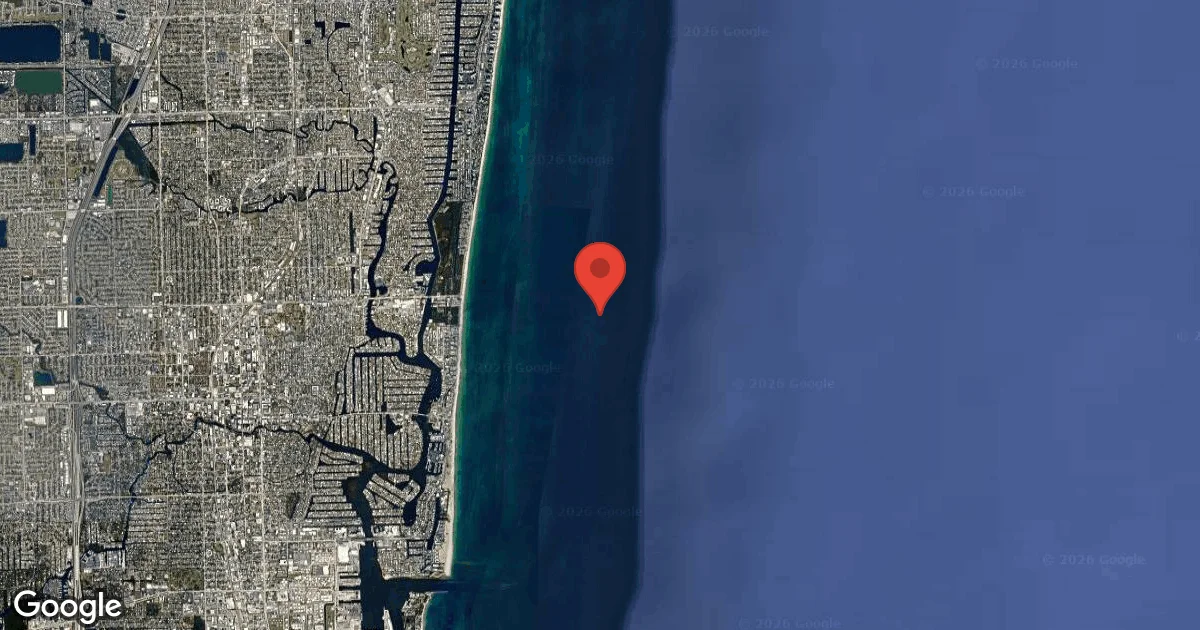
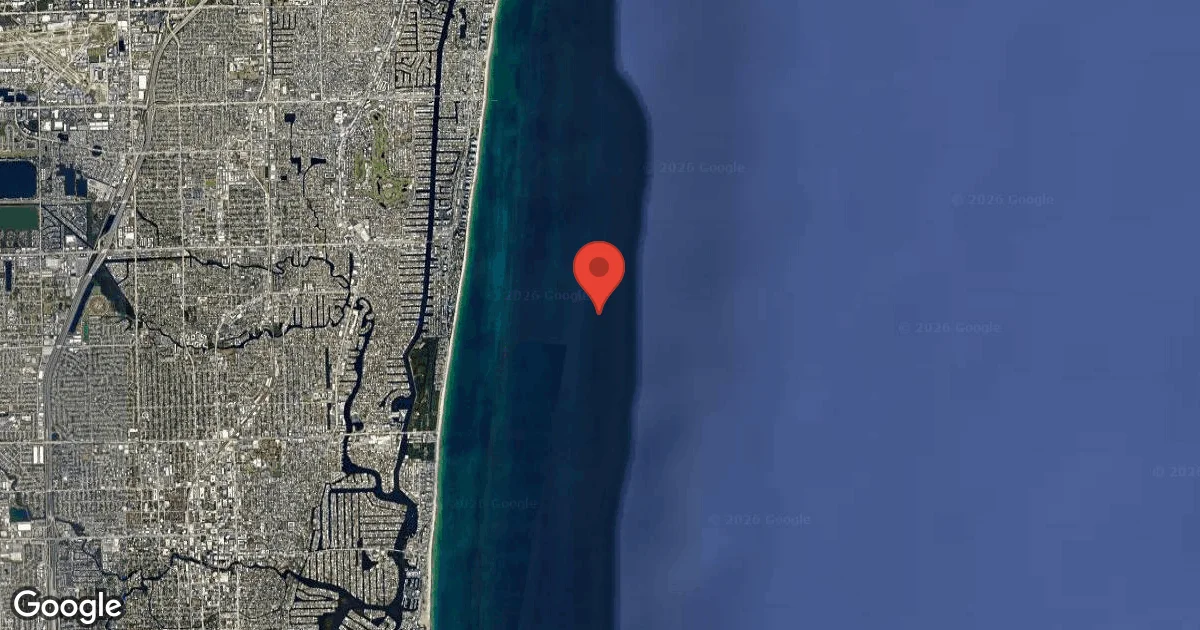
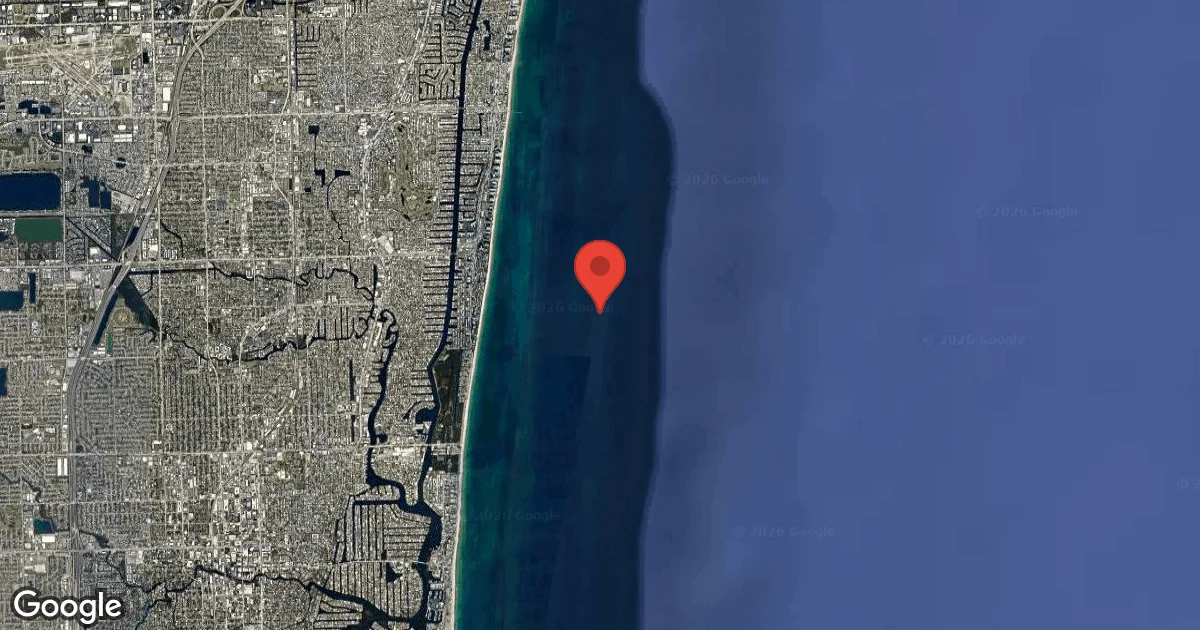
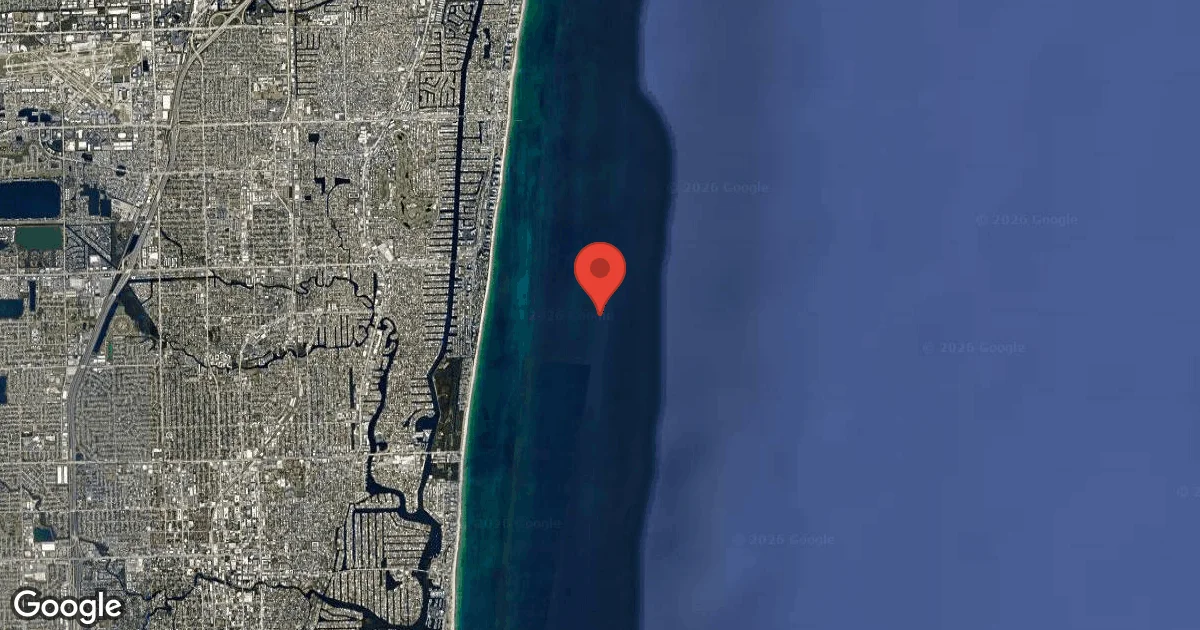
Dive Site Location & Key Facts
Dive Site Overview
At RSMAS Dock Phase 1, certified scientific divers engage with a dynamic underwater environment, purpose-built for advanced research training. Functioning as a cornerstone of the University of Miami Rosenstiel School, the facility provides essential education in scientific diving skills and technology.
Divers here transcend basic certification, directly applying their knowledge in experimental larvae research and vital coral outplanting initiatives. Significant shark research and marine mammal observations also occur, often incorporating specialized techniques such as scientific freediving under new PADI standards. While a precise maximum depth isn't consistently reported, dives typically unfold within a comfortable recreational depth range, allowing for focused and extended underwater work.
Students and scientists can concentrate on precision tasks. The underwater atmosphere here distinctly reflects its institutional purpose, blending practical training with hands-on observational opportunities.
Acquiring proficiency in executing complex research protocols within a controlled yet dynamic marine setting is a key outcome. This unique operational space ensures every descent contributes to both individual skill refinement and broader scientific understanding.
Conditions are Good
07:00 - 14:00
Optimal conditions expected
Current conditions near Rsmas Dock Phase 1 show 25° air, 31° sea temperature, 0.5 m waves, and 15 km/h wind. Forecast data is refreshed regularly to ensure accuracy.
Best Time to Dive
Optimal visibility at RSMAS Dock Phase 1 typically aligns with periods of lower rainfall and calmer seas, generally yielding 'Good' to 'Excellent' dive scores throughout the year. For instance, July often sees peak 'Excellent' conditions with the lowest average wave heights, around 0.4 m (1.3 ft), and lower rainfall compared to other months. Air temperatures remain warm, ranging from 19.5°C (67°F) in January to 28°C (82°F) in July and August, suggesting comfortable surface conditions. However, wind speeds can vary, with October and December averaging around 19 km/h (12 mph) and 18.6 km/h (11.6 mph) respectively, potentially influencing surface chop and water clarity. Divers should consider these seasonal tendencies for planning, particularly when water clarity is crucial for research or training objectives.
PEAK SEASON SCORE
Scores combine air & water temps, waves, wind & rainfall for overall conditions.
BEST MONTHS TO DIVE
Monthly records compiled from satellite and marine observation nodes over the last 3 years. Data provided by Open-Meteo and MET Norway.
Dive Experience & Conditions
Descending into the water here, divers often perceive a unique blend of a controlled environment and integrated natural marine dynamics. RSMAS Dock Phase 1 serves as a training ground, so underwater features might include specific setups for research or practice. Water temperatures are not consistently reported but generally align with warm subtropical conditions, supporting year-round diving. Visibility varies depending on conditions such as recent rainfall and wave action, which can stir up sediment. Average wave heights range from 0.4 m (1.3 ft) in July to 1.1 m (3.6 ft) in October, indicating relatively calm to moderate surface conditions. Divers should expect a site geared towards skill application and observational studies rather than complex geological formations.
Dive Difficulty & Safety Guidelines
Navigating RSMAS Dock Phase 1 involves specific considerations, primarily due to its status as a scientific dive training facility. All diving activities adhere strictly to American Academy of Underwater Sciences (AAUS) standards, ensuring a regulated approach to underwater research and education. Divers must be certified scientific divers or students undergoing such training, as this site is not open for general recreational diving.
Protocols for experimental larvae research, coral outplanting, shark research, and marine mammal observations are in place, requiring specialized training and adherence to safety guidelines relevant to these activities. Always follow instructions from facility staff and dive leaders, recognizing the distinct purpose and operational procedures of this site.
Recommended Equipment
- Dive Computer
This gear list is based on verified equipment signals for Rsmas Dock Phase 1, United States. Always confirm final gear choices with your dive operator, guide, or liveaboard.
Recommended Dive Suit
Recent conditions suggest the water at Rsmas Dock Phase 1 remains near 31°C (87°F), offering typical conditions for the area. Surface air temperatures are resting at 25°C (77°F).
Weather projections show fairly stable environmental conditions ahead.
Most divers would typically feel comfortable using dive skin or rash guard in these conditions. Dive depth and duration can significantly affect perceived warmth.
Emergency & Medical Support
Essential information to help you plan your dive trip to RSMAS Dock Phase 1.

Hyperbaric chambers are a critical part of dive safety infrastructure. Availability varies significantly by region, and not all dive areas have immediate access.
Before diving, it's recommended to:
- confirm nearest medical facilities
- check emergency procedures with local dive operators
- ensure dive insurance covers evacuation if required
Divers Alert Network
Diving emergency assistance available through DAN World.
+1-919-684-9111- 24/7 emergency hotline
- Diving medical assistance
- Evacuation coordination
Emergency contacts are provided for reference. Always verify local emergency services before diving.
Marine Life at Rsmas Dock Phase 1
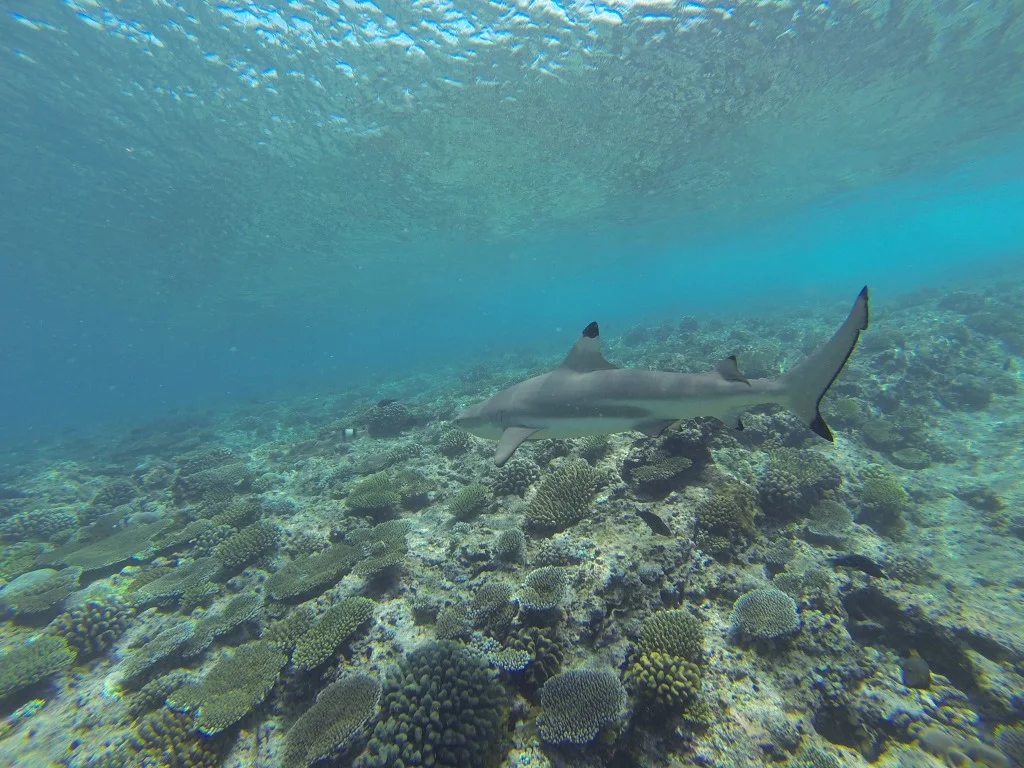
What a diver first notices here typically aligns with the ongoing scientific pursuits. While specific species aren't listed, the facility supports research involving experimental larvae, coral outplanting, and observations of sharks and marine mammals.
Divers might encounter various organisms pertinent to these studies, from smaller invertebrates and developing coral colonies to the subjects of larger animal observations. The marine life present directly supports the educational and research mission of the Rosenstiel School, providing a practical setting for ecological and behavioral studies.
Dive Sites Near Rsmas Dock Phase 1
View all dive sites in United StatesDiscover more underwater gems in this area.
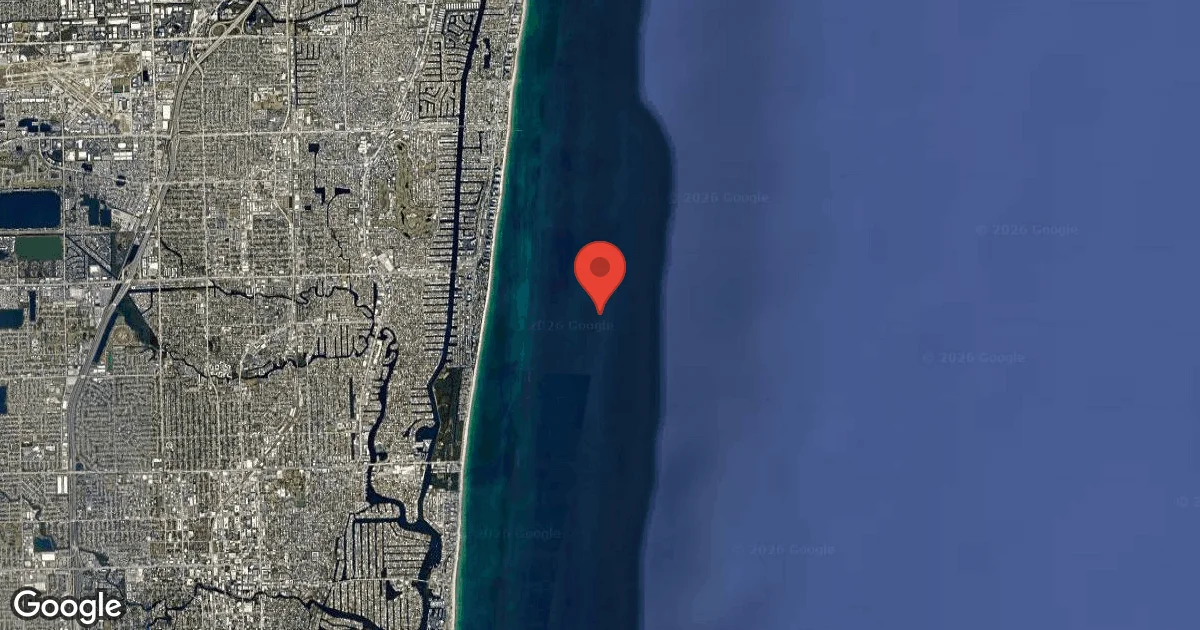
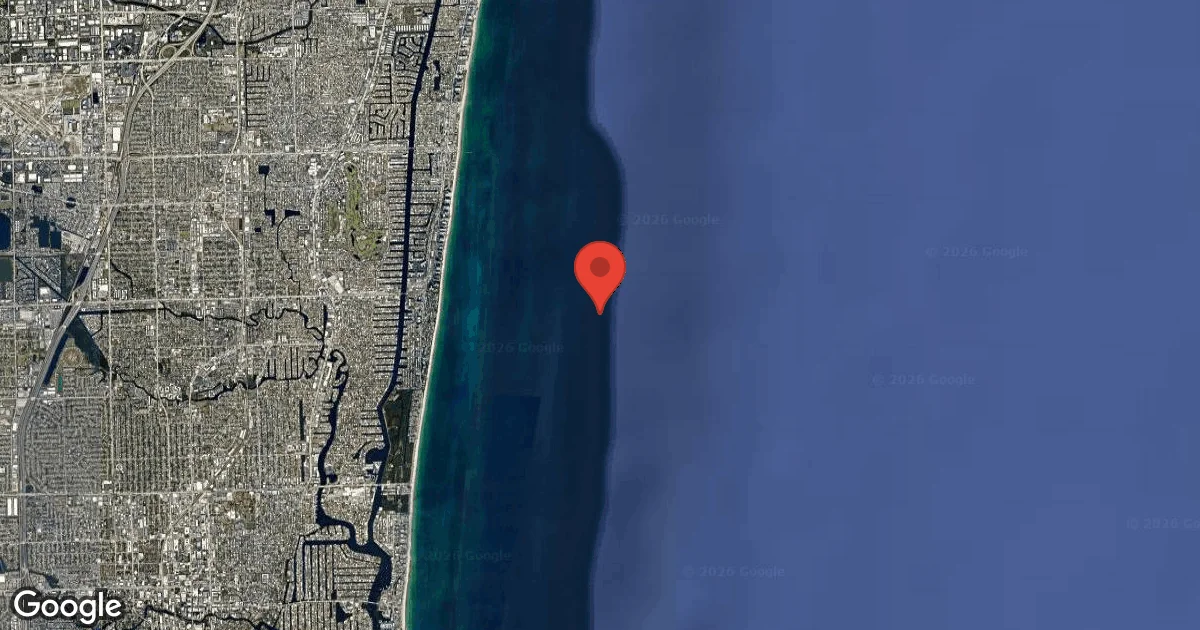
Dive Centers Near Rsmas Dock Phase 1
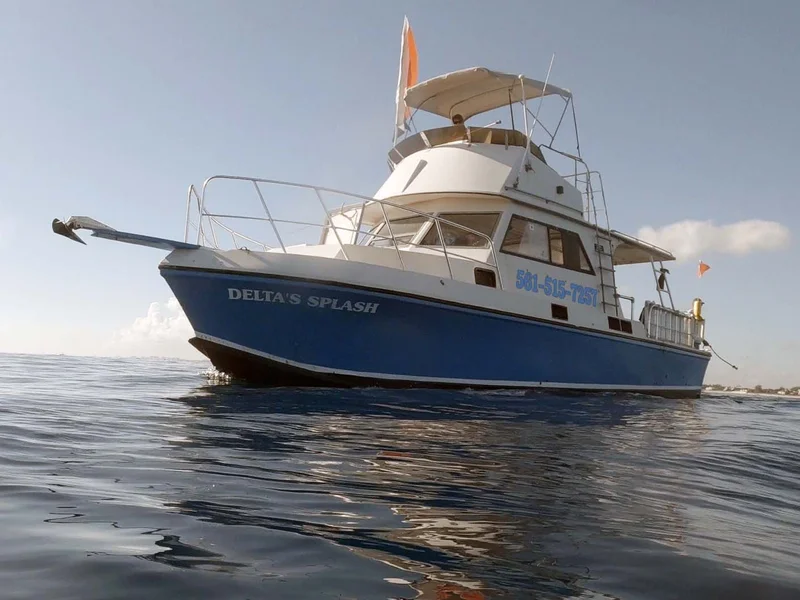
Today: 09:00 - 17:00
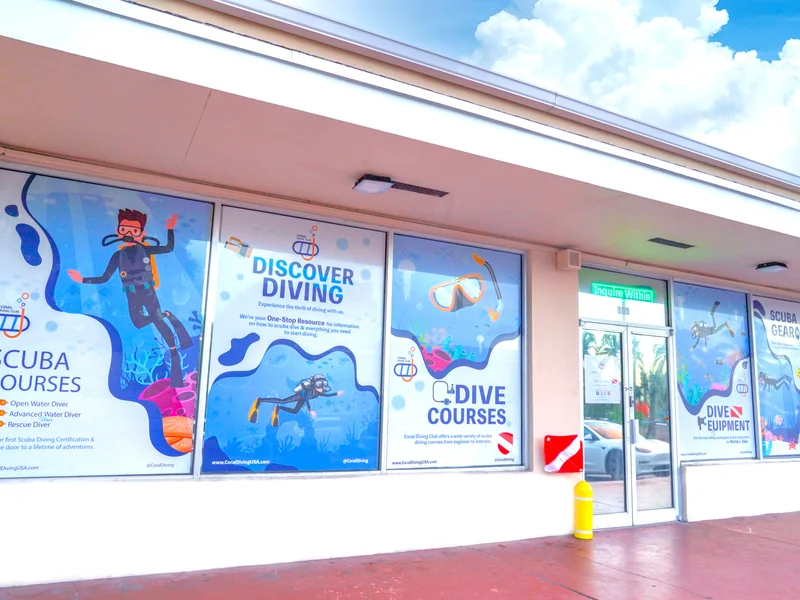
Nearest Airports
Nearest airports to help plan travel to this dive area.
Search Flights
Check available flights and routes on Expedia, using the nearby airports listed in this section.
Search Flights on Expedia
Plan Your Stay
Looking for a place to stay for your dive trip? Explore hotels, stays, and vacation rentals for dive groups near Golden Beach.
Dive Navigator may earn a commission from these links at no extra cost to you.
Frequently Asked Questions
What is RSMAS Dock Phase 1 primarily used for?
RSMAS Dock Phase 1 functions as a scientific dive training facility for the University of Miami Rosenstiel School. It's used to train scientists and students in advanced scientific diving skills according to AAUS standards.
Are recreational dives permitted at RSMAS Dock Phase 1?
No, this site is not for general recreational diving. Access is restricted to certified scientific divers or students participating in scientific dive training programs.
What types of scientific research are conducted here?
Research applications include experimental larvae research, coral outplanting, shark research, and marine mammal observations. The facility also offers scientific freediving training as a research tool.
What are the general climate conditions for diving?
Air temperatures are warm year-round, ranging from approximately 19.5°C (67°F) to 28°C (82°F). Rainfall varies, with lower amounts typically associated with better visibility. Dive conditions are generally rated 'Good' to 'Excellent'.
What standards govern diving at this facility?
All diving activities at RSMAS Dock Phase 1 strictly adhere to the American Academy of Underwater Sciences (AAUS) standards. Scientific freediving also follows new PADI standards.
How does water clarity behave at the dock?
Water clarity is influenced by factors such as rainfall and wave activity. Periods with less rain and calmer seas tend to offer better underwater visibility for scientific work.
Planning to dive Rsmas Dock Phase 1?
Send one inquiry and receive offers directly from the best verified local dive operators.
Conditions are Good
07:00 - 14:00
Optimal conditions expected
Current conditions near Rsmas Dock Phase 1 show 25° air, 31° sea temperature, 0.5 m waves, and 15 km/h wind. Forecast data is refreshed regularly to ensure accuracy.