
Diving at Rube Allyn (United States)
Descending onto Rube Allyn transports divers into an engineered underwater landscape, a testament to thoughtful reef creation. This site, once a 35-foot (11 m) barge, now forms the foundation for a vibrant artificial reef. It’s an engaging exploration of concrete structures repurposed to foster marine life, offering a distinctive dive experience in the Gulf of Mexico.
Tonight's objective overview for Rube Allyn shows an air temperature of 27°C. The measured surface conditions include wave heights around 0.4 m. This environmental data is logged for the close of the day.
Dive Site Location & Key Facts
Dive Site Overview
Rube Allyn's underwater topography distinctly reflects its artificial origins, meticulously constructed from a 600-ton concrete barge. Repurposed from a previous reefing program, the vessel forms the central anchor of the site.
Concrete from the demolition of the Old Clearwater Pass Bridge further augmented the reef, creating a robust and complex habitat. Divers navigating the site will find themselves exploring an intricate network of substantial concrete culverts and repurposed light poles. These elements are strategically integrated into the reef structure, forming swim-throughs and overhangs that invite close inspection.
Each piece contributes to a dynamic underwater landscape. Numerous tall pyramid formations punctuate the seafloor, providing significant vertical relief.
Among these, the distinctive “Twin Peaks” stands out as a deeper focal point, reaching a maximum depth of approximately 24 m (80 ft). Depths across the site generally maintain recreational limits, ensuring ample bottom time for thorough exploration of its various components, from the shallower sections of the barge to the deeper bases of the pyramids.
Rube Allyn’s convenient proximity to other significant reef areas, such as Sand Key and Rock Key, makes it a frequent inclusion in multi-site dive excursions. Such pairing allows divers a chance to experience varied underwater scenery, transitioning from Rube Allyn’s engineered environment to more natural coral formations. Exploring the numerous crevices, overhangs, and flat platforms created by the concrete offers ample opportunities for observing a rich variety of marine inhabitants seeking shelter.
Smaller fish species often congregate here, while larger predators might be spotted cruising the perimeters. This engineered environment has successfully fostered a thriving ecosystem.
Conditions are Good
Optimal conditions expected
Current conditions near Rube Allyn show 27° air, 30° sea temperature, 0.4 m waves, and 28 km/h wind. Forecast data is refreshed regularly to ensure accuracy.
Best Time to Dive
Planning a dive at Rube Allyn often prioritizes good visibility, which typically aligns with periods of calmer seas and less rainfall. Conditions are generally favorable from February through July, and again from September through December, with many months receiving a 'Good' dive score. The air temperatures during these times average between 16°C (61°F) in February and 28.5°C (83°F) in July, contributing to comfortable surface intervals. Wave heights tend to be lower during mid-year, averaging around 0.5 m (1.6 ft) in July, which can reduce sediment disturbance and enhance underwater clarity. Rain levels are notably lower in November, averaging just 1 mm, which also supports better visibility conditions for exploration.
PEAK SEASON SCORE
Scores combine air & water temps, waves, wind & rainfall for overall conditions.
BEST MONTHS TO DIVE
Monthly records compiled from satellite and marine observation nodes over the last 3 years. Data provided by Open-Meteo and MET Norway.
Dive Experience & Conditions
Navigating Rube Allyn presents an accessible dive experience, though currents can vary in the region and occasionally influence site conditions. While not consistently reported for this specific site, divers should be prepared for potential moderate water movement, especially around deeper structures. Water temperatures are not consistently reported but generally reflect Gulf of Mexico averages, varying seasonally. Visibility is typically good, allowing for clear views of the artificial reef structures and marine life, but it can be affected by weather patterns or recent storms. Exploring the various pyramid structures and the remnants of the barge provides a tangible sense of discovery, appealing to those who appreciate artificial reef environments.
Dive Difficulty & Safety Guidelines
Diving Rube Allyn requires adherence to standard safety protocols, similar to any artificial reef site. Always dive within your certification limits and maintain a conservative dive plan, particularly when exploring deeper sections or intricate structures. Awareness of potential boat traffic is prudent, especially if diving without a dedicated dive operator.
Divers should also remain mindful of marine life; while not inherently hazardous, observing local species like stingrays and various shark types from a respectful distance is always recommended. Maintaining proper buoyancy control helps protect the reef integrity and ensures a safer, more enjoyable experience for all.
Recommended Equipment
- Dive Computer
This gear list is based on verified equipment signals for Rube Allyn, United States. Always confirm final gear choices with your dive operator, guide, or liveaboard.
Recommended Dive Suit
Subtle variations in currents or depth can sometimes influence perceived water temperature.
Dive skin or rash guard tends to perform well in water temperatures like those currently observed here. A hood or vest is suggested for sensitive divers due to surface winds. Forecast models show minimal temperature variation in the coming days.
Current temperature readings suggest that the water at Rube Allyn is around 30°C (87°F). Surface air temperatures are resting at 27°C (80°F).
Emergency & Medical Support
Essential information to help you plan your dive trip to Rube Allyn.

Hyperbaric chambers are a critical part of dive safety infrastructure. Availability varies significantly by region, and not all dive areas have immediate access.
Before diving, it's recommended to:
- confirm nearest medical facilities
- check emergency procedures with local dive operators
- ensure dive insurance covers evacuation if required
Divers Alert Network
Diving emergency assistance available through DAN World.
+1-919-684-9111- 24/7 emergency hotline
- Diving medical assistance
- Evacuation coordination
Emergency contacts are provided for reference. Always verify local emergency services before diving.
Marine Life at Rube Allyn
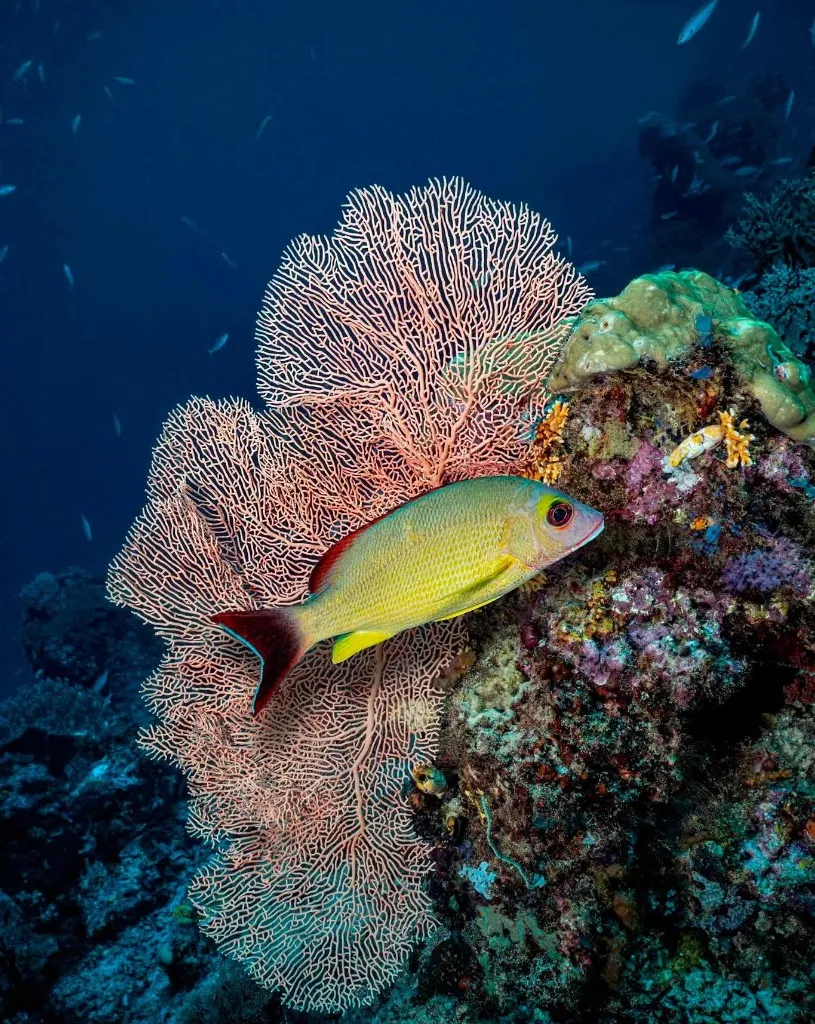
The artificial structures of Rube Allyn serve as a magnet for a cross-section of Gulf of Mexico Caribbean fish species. Divers frequently observe schools of snapper and triggerfish darting among the concrete forms.
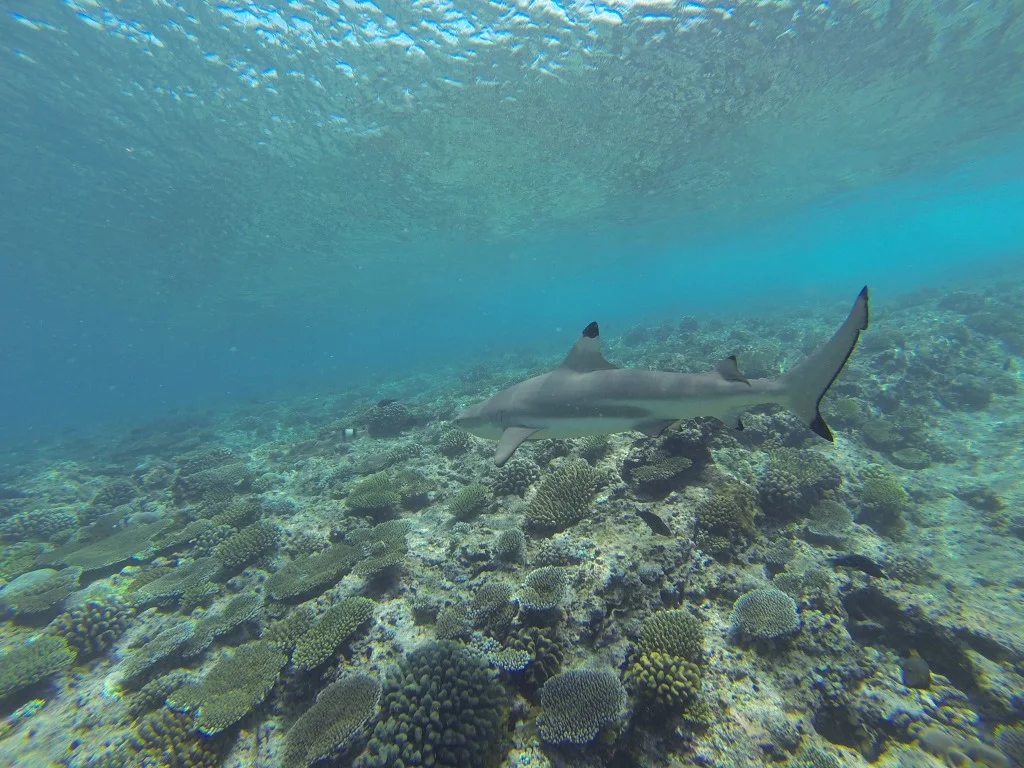
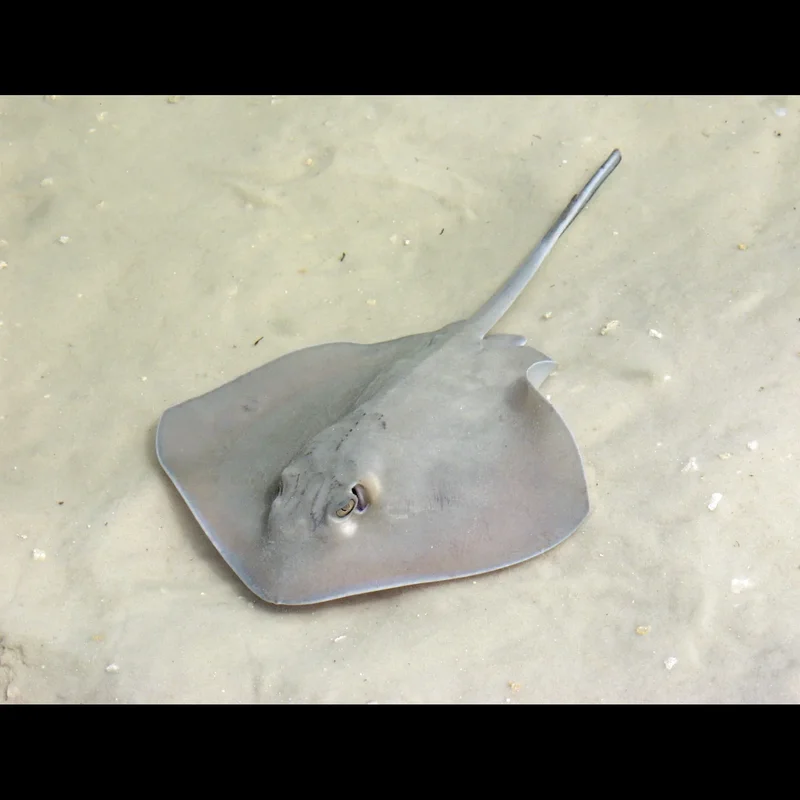
It's common to spot hogfish and various stingrays resting on the sandy patches surrounding the reef. There are also reported sightings of different shark species, including sandbar, blacknose, and bonnethead sharks, occasionally cruising the perimeter, adding to the site's dynamic marine ecosystem.

Dive Centers Near Rube Allyn
Today: 10:00 - 17:00
Nearest Airports
Nearest airports to help plan travel to this dive area.
Search Flights
Check available flights and routes on Expedia, using the nearby airports listed in this section.
Search Flights on Expedia
Plan Your Stay
Looking for a place to stay for your dive trip? Explore hotels, stays, and vacation rentals for dive groups near Belleair Beach.
Dive Navigator may earn a commission from these links at no extra cost to you.
Frequently Asked Questions
What is the Rube Allyn dive site?
Rube Allyn is an artificial reef primarily constructed from a 35-foot (11 m) barge. It was created using 600 tons of concrete from the demolition of the Old Clearwater Pass Bridge, along with culverts and light poles, to form an underwater habitat.
What kind of structures will I see at Rube Allyn?
You'll encounter numerous tall pyramid structures, including a notable formation known as “Twin Peaks.” These are built from the repurposed concrete and provide complex environments for marine life.
What are the typical depths at Rube Allyn?
While the original barge was 35 feet (11 m), the tall pyramid structures, such as "Twin Peaks," extend to depths of approximately 24 m (80 ft). The site offers a range of depths suitable for recreational diving.
What marine life can be observed here?
The reef is home to typical Gulf of Mexico Caribbean fish species, including stingrays, snapper, triggerfish, and hogfish. Divers may also encounter sandbar, blacknose, and bonnethead sharks.
Is Rube Allyn suitable for all diver levels?
Given its maximum depths of around 24 m (80 ft) and potentially variable conditions, it's generally suitable for certified divers with some experience. Always dive within your personal training and comfort limits.
How do currents affect diving at Rube Allyn?
Currents in the region can vary, and while not always strong, they can be a factor. Divers should be prepared for potential moderate water movement, especially around deeper sections of the structures.
Is it possible to visit other reefs in the same outing?
Yes, Rube Allyn is located quite close to other reefs like Sand Key and Rock Key. It's common for dive operators to combine visits to multiple reefs in a single outing.
Planning to dive Rube Allyn?
Send one inquiry and receive offers directly from the best verified local dive operators.
Conditions are Good
Optimal conditions expected
Current conditions near Rube Allyn show 27° air, 30° sea temperature, 0.4 m waves, and 28 km/h wind. Forecast data is refreshed regularly to ensure accuracy.