
Diving at Rube Allyn (United States)
Rube Allyn stands as an artificial reef, built from a 35-foot barge repurposed in the reef program. This site features significant concrete structures and culvert, alongside light poles forming its foundation. Notably, it includes several tall pyramid structures, with 'Twin Peaks' reaching approximately 80 feet. It's a key dive destination within the Gulf of Mexico, constructed to attract and sustain marine life.
Tonight's objective overview for Rube Allyn shows an air temperature of 27°C. The measured surface conditions include wave heights around 0.4 m. This environmental data is logged for the close of the day.
Dive Site Location & Key Facts
Dive Site Overview
Exploring Rube Allyn reveals a dynamic artificial reef, primarily formed by a 35-foot (11-meter) barge deliberately sunk as part of a strategic reef program. Its underlying structure integrates approximately 600 tons of concrete from the demolition of the Old Clearwater Pass Bridge, alongside numerous culvert pipes and repurposed light poles.
This deliberate assembly of materials fashions an intricate and diverse underwater landscape, offering immediate shelter and facilitating rapid marine life colonization. Divers can explore various tall pyramid structures that significantly contribute to the site's vertical profile and complexity. Among these, the distinctive 'Twin Peaks' stands out, extending dramatically to depths around 24 meters (80 feet), providing deeper sections for more advanced exploration.
These varied components create distinct microhabitats, inviting investigation into their many nooks and crannies. An immediate habitat for a range of marine life typical of the Gulf of Mexico Caribbean region quickly formed around these robust artificial structures.
Due to its proximity to other notable reefs, such as Sand Key and Rock Key, dive operators frequently combine visits to Rube Allyn with nearby sites, offering a broader experience across several underwater environments.
Conditions are Good
Optimal conditions expected
Current conditions near Rube Allyn show 27° air, 30° sea temperature, 0.4 m waves, and 28 km/h wind. Forecast data is refreshed regularly to ensure accuracy.
Best Time to Dive
Optimizing visibility for a dive at Rube Allyn often means targeting months outside of peak rainy season, though conditions can always vary. Dive scores indicate favorable conditions for much of the year, with 'Good' ratings from February through November. Air temperatures during these months range significantly, from 16°C (61°F) in February, peaking at 29°C (84°F) in August. Rainfall is generally moderate, with August and June showing slightly higher averages at 8.0 mm and 3.9 mm respectively, which could occasionally impact visibility. For less wind and calmer seas, July stands out with the lowest average wind speeds and wave heights, suggesting potentially clearer water conditions.
PEAK SEASON SCORE
Scores combine air & water temps, waves, wind & rainfall for overall conditions.
BEST MONTHS TO DIVE
Monthly records compiled from satellite and marine observation nodes over the last 3 years. Data provided by Open-Meteo and MET Norway.
Dive Experience & Conditions
Accessing Rube Allyn typically involves a boat entry, as it's an offshore artificial reef. The main barge structure rests at approximately 11 meters (35 feet), making it accessible for open water certified divers. However, some of its deeper structures, like 'Twin Peaks,' extend to about 24 meters (80 feet), offering interest for advanced divers as well. Divers should be prepared for varying underwater conditions; current and visibility are not consistently reported and can fluctuate based on local weather and tides. While nearby natural reefs might feature spur-and-groove formations, Rube Allyn’s topography is defined by its concrete structures, culvert, and the barge itself, providing a structured environment for exploration.
Dive Difficulty & Safety Guidelines
While Rube Allyn isn't explicitly associated with unique hazards in available data, divers should always plan according to general dive safety protocols for artificial reefs. It's important to monitor local weather forecasts and sea conditions, as current and visibility can vary, impacting the dive experience. Always adhere to recreational depth limits, especially when exploring structures that reach deeper sections like 80 feet.
Proper buoyancy control is essential to avoid disturbing the artificial structures and their developing ecosystems. Familiarize yourself with common Gulf of Mexico marine life and maintain a respectful distance from all organisms encountered.
Recommended Equipment
- Dive Computer
This gear list is based on verified equipment signals for Rube Allyn, United States. Always confirm final gear choices with your dive operator, guide, or liveaboard.
Recommended Dive Suit
Subtle variations in currents or depth can sometimes influence perceived water temperature.
Dive skin or rash guard tends to perform well in water temperatures like those currently observed here. A hood or vest is suggested for sensitive divers due to surface winds. Forecast models show minimal temperature variation in the coming days.
Current temperature readings suggest that the water at Rube Allyn is around 30°C (87°F). Surface air temperatures are resting at 27°C (80°F).
Emergency & Medical Support
Essential information to help you plan your dive trip to Rube Allyn.

Hyperbaric chambers are a critical part of dive safety infrastructure. Availability varies significantly by region, and not all dive areas have immediate access.
Before diving, it's recommended to:
- confirm nearest medical facilities
- check emergency procedures with local dive operators
- ensure dive insurance covers evacuation if required
Divers Alert Network
Diving emergency assistance available through DAN World.
+1-919-684-9111- 24/7 emergency hotline
- Diving medical assistance
- Evacuation coordination
Emergency contacts are provided for reference. Always verify local emergency services before diving.
Marine Life at Rube Allyn
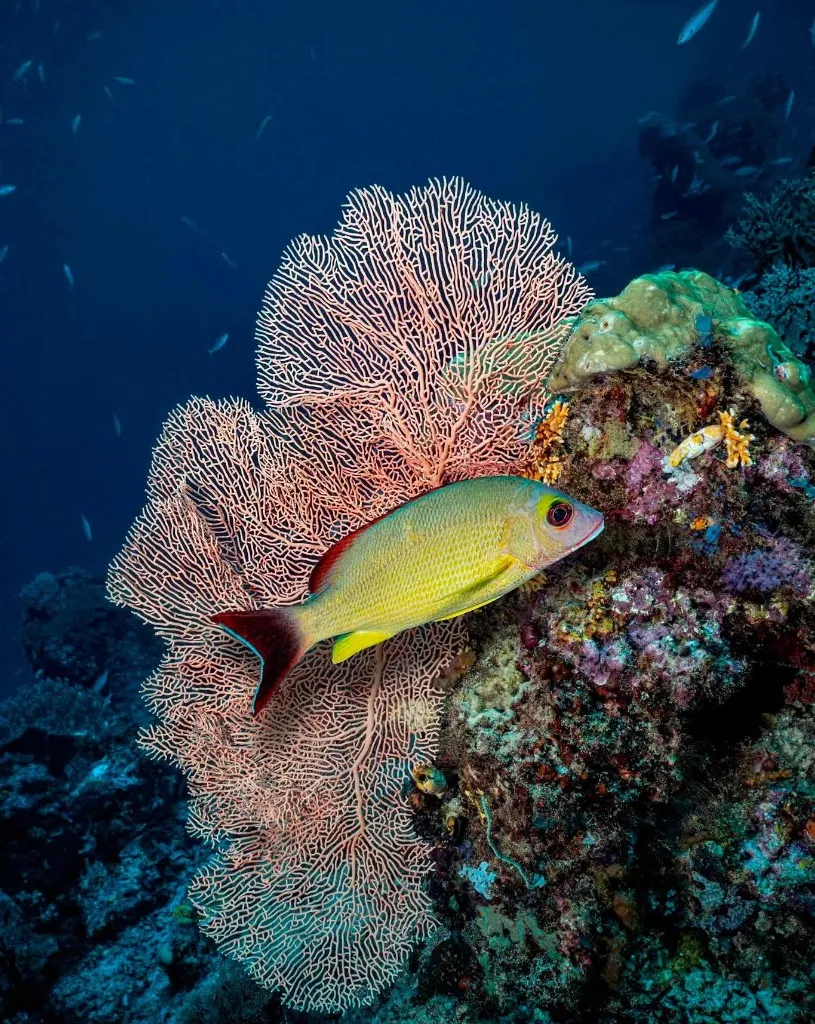
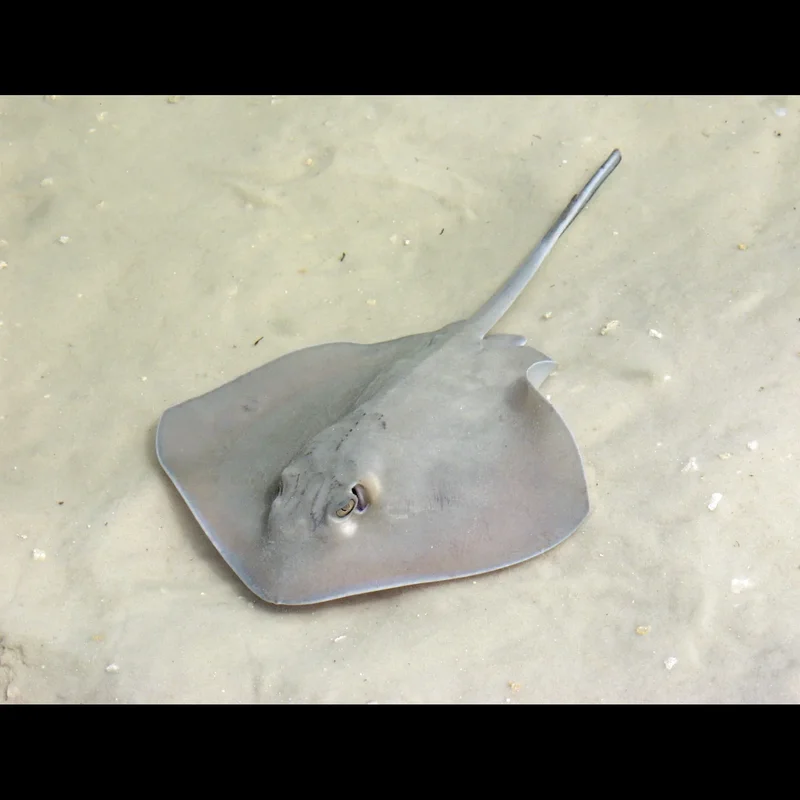
The artificial reef at Rube Allyn attracts a spectrum of Gulf of Mexico Caribbean fish species. Divers frequently observe stingrays gliding across the sand, alongside various snapper and triggerfish.
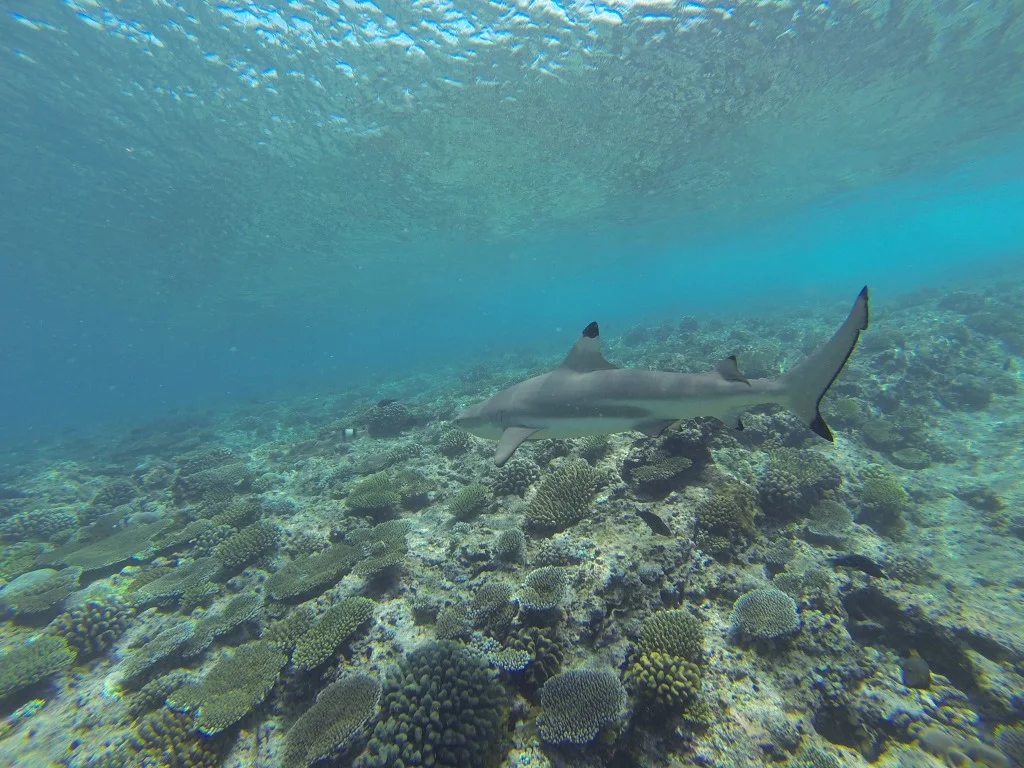
Hogfish are also a common sight, often seen foraging near the structures. For those with a keen eye, there's the possibility of encountering different shark species, including sandbar, blacknose, and bonnethead sharks, cruising the perimeter of the reef.

Dive Centers Near Rube Allyn
Today: 10:00 - 17:00
Nearest Airports
Nearest airports to help plan travel to this dive area.
Search Flights
Check available flights and routes on Expedia, using the nearby airports listed in this section.
Search Flights on Expedia
Plan Your Stay
Looking for a place to stay for your dive trip? Explore hotels, stays, and vacation rentals for dive groups near Belleair Beach.
Dive Navigator may earn a commission from these links at no extra cost to you.
Frequently Asked Questions
What is Rube Allyn?
Rube Allyn is an artificial reef site in the United States, composed of a 35-foot barge that was repurposed from the reef program. It was constructed using approximately 600 tons of concrete from the Old Clearwater Pass Bridge, along with culvert and light poles.
What are the typical depths at Rube Allyn?
The main barge structure settles at depths around 35 feet (11 m). However, some of the more prominent artificial structures, such as the 'Twin Peaks,' extend deeper, reaching approximately 80 feet (24 m).
What kind of marine life can I expect to see?
Divers exploring Rube Allyn typically encounter Gulf of Mexico Caribbean fish species. These often include stingrays, various snapper, and triggerfish. Hogfish are commonly observed, and there's a chance to spot sandbar, blacknose, or bonnethead sharks.
When is the best time to dive Rube Allyn?
Dive scores generally indicate good conditions from February through November. While water temperatures aren't specifically reported, average air temperatures range from 16°C (61°F) in February to 29°C (84°F) in August. July often presents the calmest conditions with lower wind and wave activity, potentially offering better visibility.
Is Rube Allyn suitable for beginner divers?
With its primary structures at 35 feet (11 m), Rube Allyn is generally accessible for open water certified divers. However, some deeper sections reaching 80 feet (24 m) may be more appropriate for advanced divers, depending on their comfort with depth and potential currents.
Are there other dive sites nearby Rube Allyn?
Yes, Rube Allyn is relatively close to other well-known reefs. Divers often visit nearby sites such as Sand Key and Rock Key on the same outing, offering opportunities to experience a diverse range of underwater environments.
Planning to dive Rube Allyn?
Send one inquiry and receive offers directly from the best verified local dive operators.
Conditions are Good
Optimal conditions expected
Current conditions near Rube Allyn show 27° air, 30° sea temperature, 0.4 m waves, and 28 km/h wind. Forecast data is refreshed regularly to ensure accuracy.