
Diving at Rube Allyn Reef (United States)
Rube Allyn Reef presents an accessible artificial reef experience suitable for Open Water certified divers. Resting at a moderate depth, this site invites exploration of its distinct structures. Divers can expect a straightforward profile, making it a comfortable destination for those looking to enjoy Pinellas' underwater habitats without extreme demands. It provides a rewarding dive that balances ease with discovery.
Tonight's objective overview for Rube Allyn Reef shows an air temperature of 27°C. The measured surface conditions include wave heights around 0.5 m. This environmental data is logged for the close of the day.
Dive Site Location & Key Facts
Dive Site Overview
Initially conceived as part of the broader Pinellas artificial reef program, Rube Allyn Reef presents an underwater landscape shaped by historical context. Situated at approximately 27º - 56.021 N latitude and 083º - 01.514 W longitude, the site was constructed using scattered concrete material, including parts of the old Clearwater Pass bridge.
Divers will discover numerous tall pyramid structures, which form the primary topography of this artificial habitat. These components were deliberately deployed to create complex shelter and feeding grounds for marine life. While general GPS coordinates are provided, local dive centers often advise that storms can shift reef components over time, suggesting that exact locations might vary slightly.
Its maximum depth reaches 15 m (50 ft), distinguishing it from some of the deeper, more advanced artificial reefs in the Pinellas area. Deliberate placement of these diverse materials fosters an environment where marine species can thrive, creating an engaging experience for those exploring its formations.
This thoughtful construction ensures the reef serves both ecological and recreational purposes, making it a key site within the regional diving community.
Conditions are Good
Optimal conditions expected
Current conditions near Rube Allyn Reef show 27° air, 31° sea temperature, 0.4 m waves, and 29 km/h wind. Forecast data is refreshed regularly to ensure accuracy.
Best Time to Dive
Diving Rube Allyn Reef is generally possible throughout the year, with conditions varying by season. During the colder months, such as January, air temperatures average around 14.5°C (58°F), while February and March see a slight increase, making these periods viable if cooler conditions are tolerable. The dive score improves from a 'Moderate' 6 in January to a 'Good' 8 in February and March. Peak summer, around July and August, brings the warmest air temperatures, averaging 28.5-29°C (83-84°F), with lower wave heights, typically around 0.5-0.7 m (1.6-2.3 ft), and lighter winds averaging 21-27 km/h (13-17 mph). These months often yield favorable surface conditions. Rain activity is generally lower from November through April, with averages around 1-2.4 mm, contrasting with higher averages in late summer. While an average water surface temperature of 26°C (80°F) is reported for the Pinellas region, specific monthly variations are not consistently available. For optimal comfort and calmer seas, the late spring and summer months tend to offer the most consistent dive conditions, though good opportunities exist into autumn, marked by 'Good' dive scores through December.
PEAK SEASON SCORE
Scores combine air & water temps, waves, wind & rainfall for overall conditions.
BEST MONTHS TO DIVE
Monthly records compiled from satellite and marine observation nodes over the last 3 years. Data provided by Open-Meteo and MET Norway.
Dive Experience & Conditions
Descending upon Rube Allyn Reef, divers are greeted by an immersive view of its structural composition. The site features a landscape of scattered concrete material and distinctive tall pyramid structures, offering numerous crevices and overhangs for exploration. Visibility here can vary significantly, ranging anywhere from 6 to 30 meters (20 to 100 feet) depending on recent weather patterns and water movement. A comfortable water temperature, averaging around 26°C (80°F) for the region, generally allows for extended bottom times. Exploring the maximum depth of 15 m (50 ft) is straightforward, providing ample opportunity to navigate the reef's contours. Currents are not consistently reported as strong but can fluctuate, requiring divers to remain aware of conditions during the dive. The relatively shallow depth encourages longer dives, allowing for thorough investigation of the artificial structures and the life they harbor.
Dive Difficulty & Safety Guidelines
Approaching Rube Allyn Reef requires careful planning and local awareness to ensure a safe experience. It's an expert tip to always consult with Pinellas Park dive centers before entering the water, as they provide the most current safety advisories and detailed information on site-specific requirements. Local professionals can also offer insights into the level of experience recommended for current conditions.
Given the nature of artificial reefs, be mindful that storms can shift components, making GPS coordinates occasionally inexact; this necessitates cautious navigation. Always dive within your certification limits and consider diving with an experienced guide, especially if unfamiliar with the area.
Recreational depths like 15 m (50 ft) still demand attention to buoyancy control and air management. Avoid entering confined spaces within the structures unless specifically trained and equipped for such environments. Prioritizing conservative dive practices ensures a rewarding and secure exploration.
Recommended Equipment
- Dive Computer
This gear list is based on verified equipment signals for Rube Allyn Reef, United States. Always confirm final gear choices with your dive operator, guide, or liveaboard.
Recommended Dive Suit
Water temperatures at Rube Allyn Reef are currently estimated to be around 31°C (87°F), shaping the overall diving conditions for today. Surface air temperatures are resting at 27°C (81°F).
Dive skin or rash guard is generally considered suitable for water temperatures like this. Consider warmer surface protection (like a boat coat) due to brisk winds.
Forecast trends indicate similar diving conditions over the next few days.
Emergency & Medical Support
Essential information to help you plan your dive trip to Rube Allyn Reef.

Hyperbaric chambers are a critical part of dive safety infrastructure. Availability varies significantly by region, and not all dive areas have immediate access.
Before diving, it's recommended to:
- confirm nearest medical facilities
- check emergency procedures with local dive operators
- ensure dive insurance covers evacuation if required
Divers Alert Network
Diving emergency assistance available through DAN World.
+1-919-684-9111- 24/7 emergency hotline
- Diving medical assistance
- Evacuation coordination
Emergency contacts are provided for reference. Always verify local emergency services before diving.
Marine Life at Rube Allyn Reef
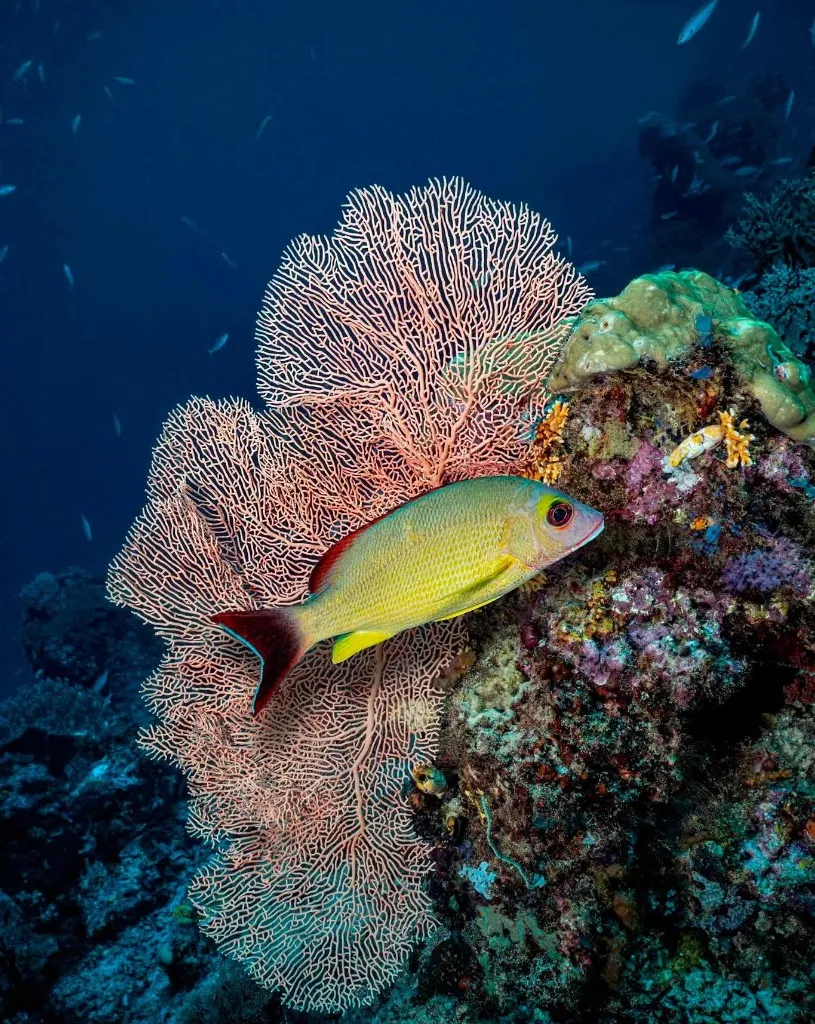
The artificial structures of Rube Allyn Reef actively support a thriving marine ecosystem. Observing the reef's varied topography, divers frequently encounter diverse species seeking shelter and sustenance.
Kingfish are especially common throughout the area, often seen patrolling the taller pyramid structures. Grouper and snapper, familiar inhabitants of artificial reefs, are regularly spotted taking refuge within the scattered concrete material.
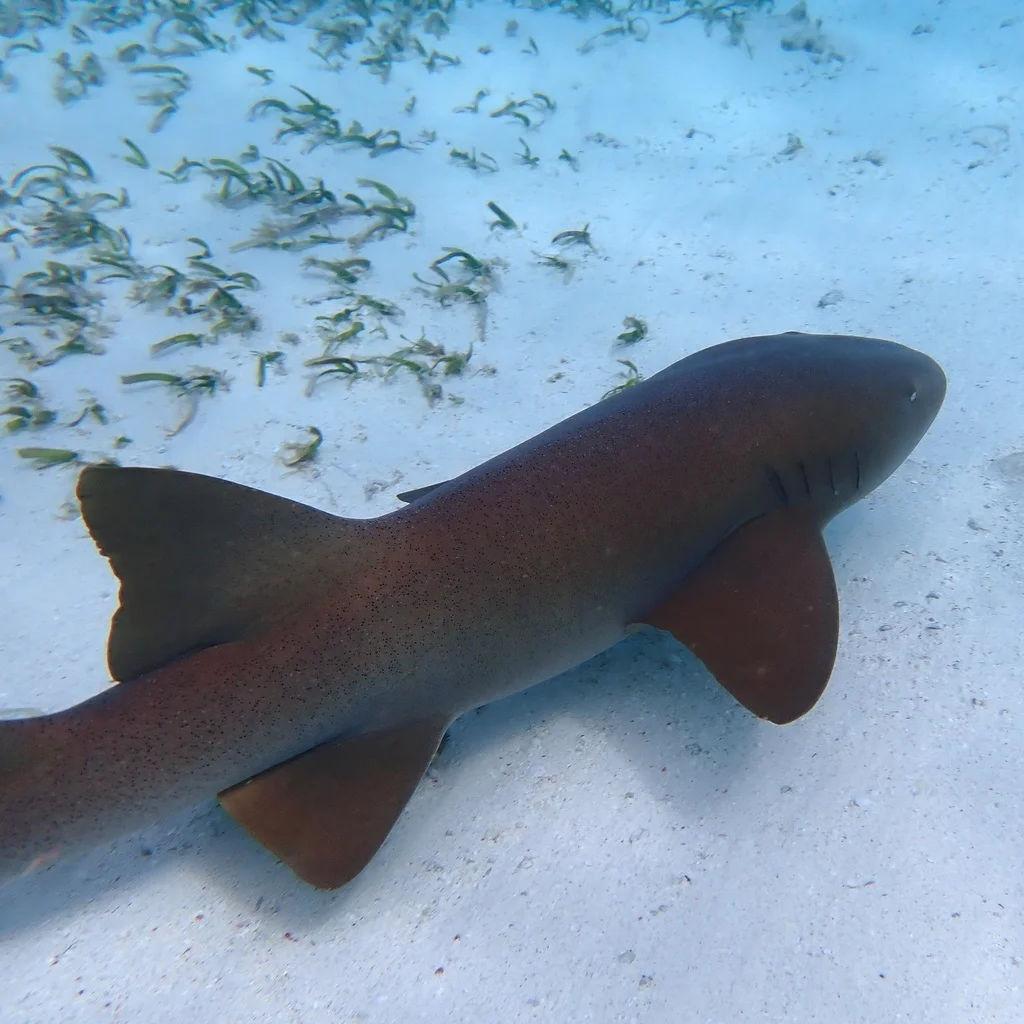
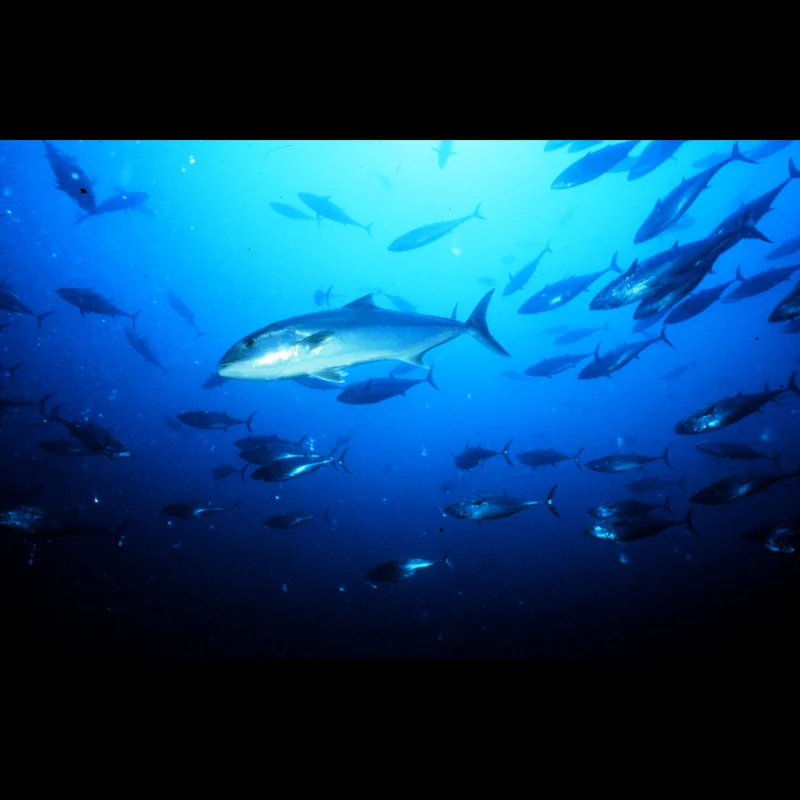
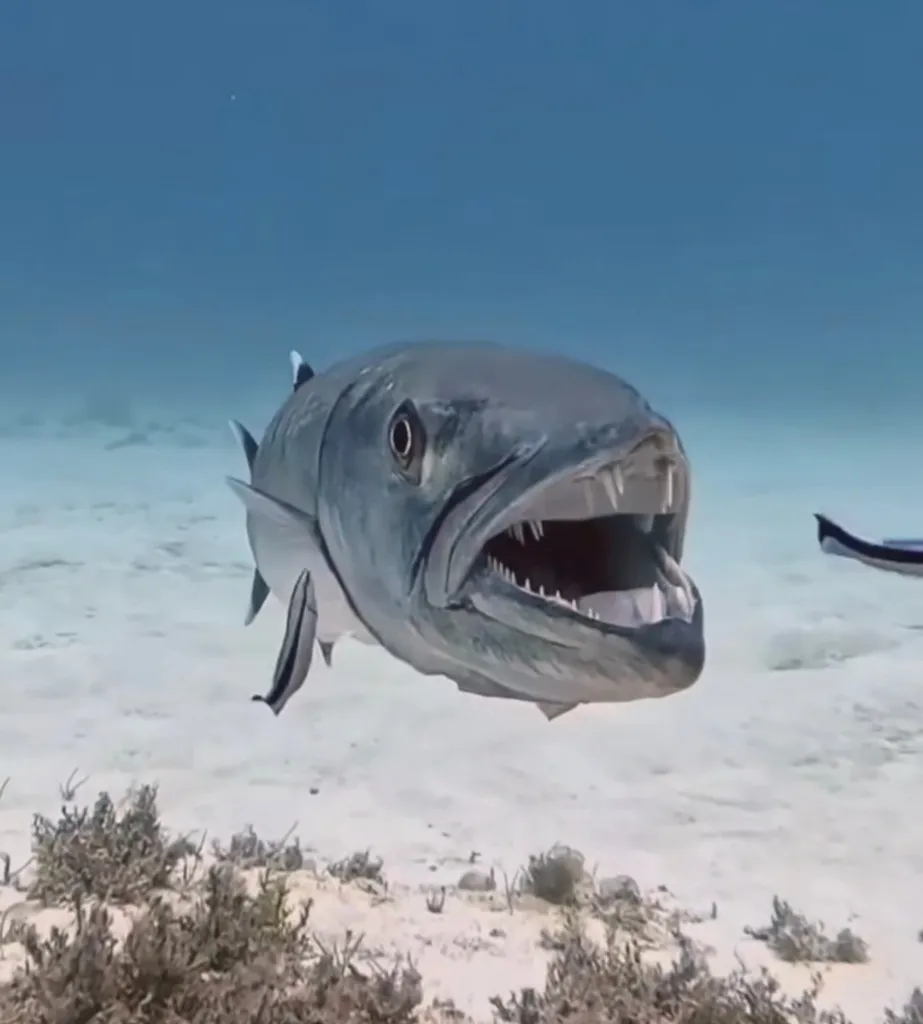
Occasionally, divers might observe amberjack and Spanish mackerel in the water column above the reef. Triggerfish and barracuda add to the dynamic environment, while nurse sharks or goliath grouper may be present, showcasing the success of this artificial habitat in attracting larger species.

Dive Centers Near Rube Allyn Reef
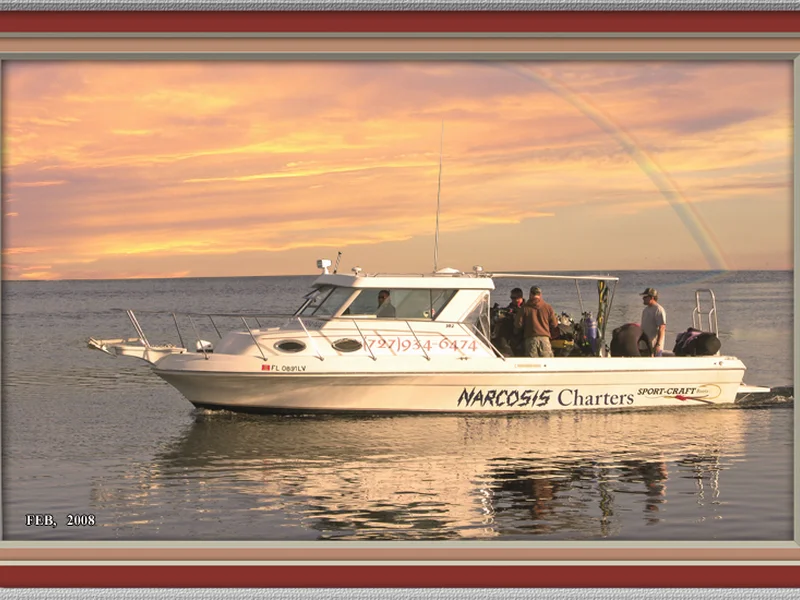
Today: 11:00 - 19:00
Nearest Airports
Nearest airports to help plan travel to this dive area.
Search Flights
Check available flights and routes on Expedia, using the nearby airports listed in this section.
Search Flights on Expedia
Plan Your Stay
Looking for a place to stay for your dive trip? Explore hotels, stays, and vacation rentals for dive groups near Belleair Beach.
Dive Navigator may earn a commission from these links at no extra cost to you.
Frequently Asked Questions
What type of dive site is Rube Allyn Reef?
Rube Allyn Reef is an artificial reef made of scattered concrete materials, including parts of the old Clearwater Pass bridge, and distinct tall pyramid structures. It's designed to promote marine life in the Pinellas area.
What is the maximum depth at Rube Allyn Reef?
The maximum depth for diving at Rube Allyn Reef is 15 m (50 ft). Such a depth makes it a suitable and accessible site for recreational divers, typically those with Open Water certification.
What kind of structures make up the reef?
The reef consists of numerous tall pyramid structures and various scattered concrete components. These include sections from the old Clearwater Pass bridge, which contribute to its unique underwater landscape.
What marine life can I expect to see?
Divers often encounter kingfish, grouper, and snapper here. Other sightings may include amberjack, Spanish mackerel, triggerfish, barracuda, and occasionally nurse sharks or goliath grouper.
Is Rube Allyn Reef suitable for beginner divers?
Given its recreational depth, Rube Allyn Reef is generally suitable for certified Open Water divers. However, local dive centers should be consulted for current conditions and specific recommendations for less experienced individuals.
What are the typical visibility conditions?
Visibility at Rube Allyn Reef can be quite variable, ranging from 6 to 30 meters (20 to 100 feet). Conditions depend heavily on recent weather and water currents, so checking local reports is advised.
Are there any specific safety considerations for this reef?
It's important to be aware that storms can shift reef components, potentially altering exact GPS locations. Always check with local dive centers for current safety information and conditions. Proper buoyancy control is also recommended when exploring the structures.
Planning to dive Rube Allyn Reef?
Send one inquiry and receive offers directly from the best verified local dive operators.
Conditions are Good
Optimal conditions expected
Current conditions near Rube Allyn Reef show 27° air, 31° sea temperature, 0.4 m waves, and 29 km/h wind. Forecast data is refreshed regularly to ensure accuracy.